

The Brent crude oil benchmark, a key international reference price, experienced a rapid ascent, peaking at $109.91 a barrel shortly after 14:30 GMT. This represented a substantial increase of over 5% compared to Tuesday’s closing prices, underscoring the market’s immediate apprehension regarding potential disruptions to one of the world’s most vital energy production hubs. While the price saw some fluctuation later in the day, it steadfastly remained above the $108 threshold, indicating persistent market anxiety. Concurrently, the benchmark UK natural gas price also witnessed a sharp spike, climbing by 6% to 143.53p a therm before moderating slightly to fall back below the 140p mark. This dual surge in both oil and gas prices highlights the interconnectedness of global energy commodities and the swiftness with which geopolitical events can ripple through these markets.
The South Pars/North Dome Field: A Global Energy Behemoth
At the heart of this unfolding crisis lies the South Pars/North Dome gas field, unequivocally recognized as the world’s largest natural gas field. Located in the Persian Gulf, this colossal reservoir of hydrocarbons is shared between Iran and Qatar, with Iran referring to its portion as South Pars and Qatar as North Dome. Its sheer scale and output are staggering; the field is estimated to hold approximately 51 trillion cubic meters (TCM) of in-situ natural gas and about 50 billion barrels of natural gas condensates. For context, this represents roughly 18% of the world’s proven gas reserves, making it an irreplaceable component of global energy supply.
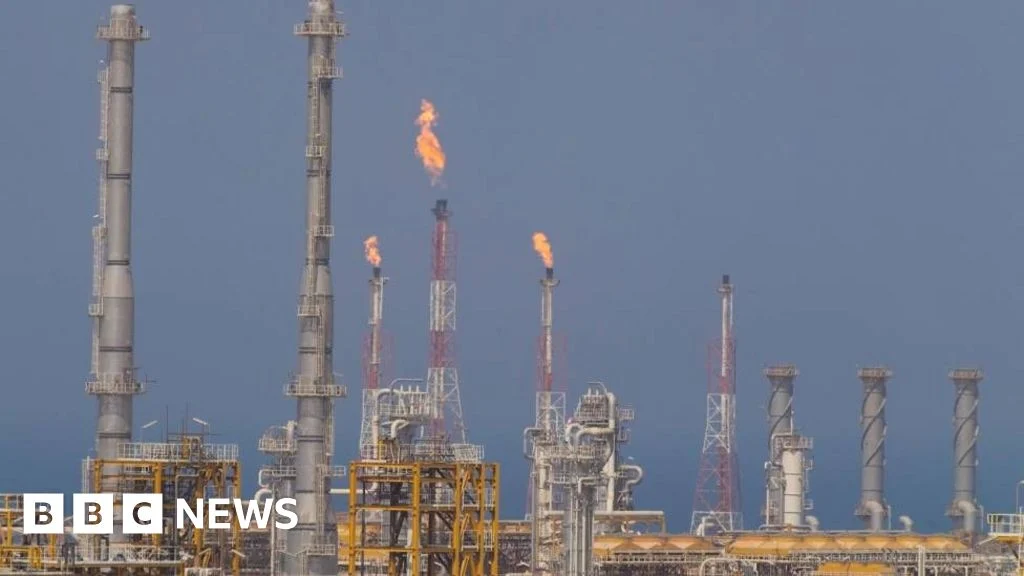
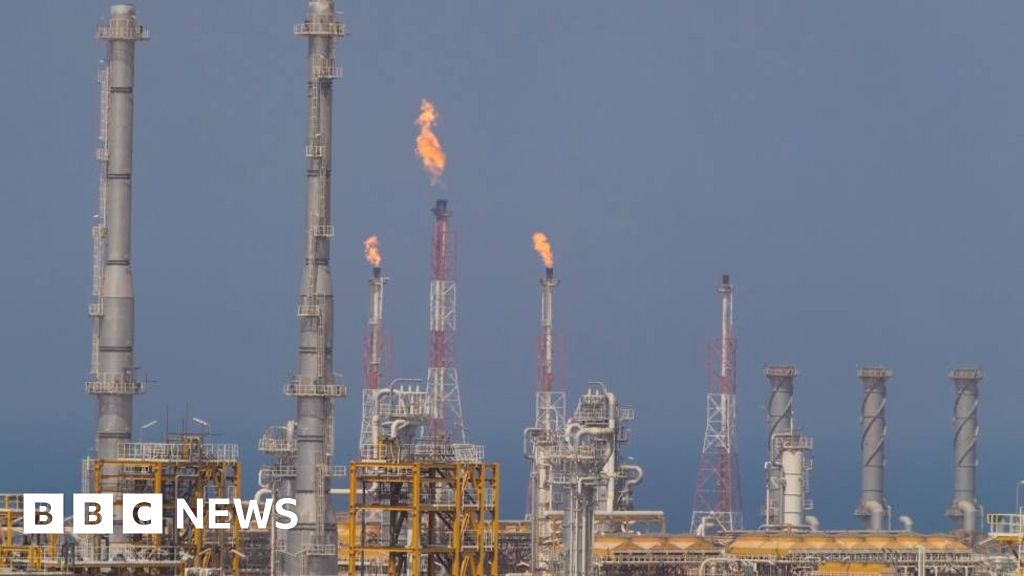
For Iran, the South Pars field is the cornerstone of its energy sector and a vital artery for its economy. It accounts for a substantial majority of the country’s natural gas production, feeding domestic power plants, industrial facilities, and residential heating needs, while also supporting its burgeoning petrochemical industry. The development of this field has been a strategic national priority for decades, with billions invested in infrastructure, including processing plants, pipelines, and petrochemical complexes designed to monetize its vast resources. The specific petrochemical complex reportedly targeted in the airstrike would be one such crucial facility, integral to processing raw gas into higher-value products like polymers and other chemicals for export and domestic use. Any damage to such infrastructure not only impacts immediate energy output but also has cascading effects on industrial production and economic stability.
Qatar, on its side, has leveraged its share of the field (North Dome) to become the world’s leading exporter of liquefied natural gas (LNG), playing an indispensable role in global energy security, particularly for European and Asian markets. Qatar’s immense investments in LNG production and export facilities have transformed it into a global energy superpower, capable of supplying approximately one-fifth of the world’s LNG demand. The shared nature of this field means that any significant instability or conflict affecting one side inevitably casts a shadow over the operations and security of the other, underscoring the delicate balance of regional energy politics.
Chronology of Escalation and Market Reactions
The immediate catalyst for Wednesday’s market upheaval was a report disseminated by Tasnim, a news agency with close affiliations to Iran’s Islamic Revolutionary Guard Corps (IRGC). The agency’s dispatch stated that an airstrike had impacted a petrochemical facility located within Iran’s South Pars gas field. While details regarding the precise nature of the strike, the extent of the damage, and the party responsible remained officially unconfirmed by independent sources, the gravity of the report alone was sufficient to trigger a swift and pronounced reaction across global energy trading platforms.
Upon the dissemination of the Tasnim report, oil and gas futures immediately began their upward trajectory. Brent crude, which had been trading lower earlier in the week, reversed course dramatically. By mid-afternoon GMT, its price had surged to nearly $110, a level not seen in recent weeks. Similarly, the UK NBP (National Balancing Point) natural gas futures contract, a key European benchmark, mirrored this upward trend, reflecting fears that any disruption to Iranian gas production could tighten global supplies, especially given the existing supply concerns in Europe.
Iranian authorities swiftly acknowledged a fire at the petrochemical complex. Iran’s oil ministry issued a statement, also reported by Tasnim, indicating that the blaze at the facility had been brought under control by Wednesday afternoon. However, the ministry’s update notably omitted specific details regarding the cause of the fire or a comprehensive assessment of the damage incurred, leaving market participants and geopolitical analysts to grapple with the implications of the incident. This lack of detailed information contributed to sustained uncertainty and kept prices elevated.
In response to the reported strike, Iran’s military issued a stern warning, promising "decisive action" and a "powerful counterattack." In a statement also published by Tasnim, the military declared, "As previously warned, if the fuel, energy, gas, and economic infrastructures of our country are attacked by the American-Zionist enemy, in addition to a powerful counterattack against the enemy, we will severely strike the origin of that aggression as well." The statement further asserted, "We consider targeting the fuel, energy, and gas infrastructures of the countries of origin legitimate and will retaliate strongly at the earliest opportunity." This aggressive rhetoric, explicitly naming an "American-Zionist enemy," points to the highly charged geopolitical environment in the Middle East, where regional rivalries and proxy conflicts frequently intertwine with energy interests.
Prior to this incident, Qatar, which shares the vast gas field, had already taken pre-emptive measures in response to broader regional instability. Qatar’s foreign ministry spokesman, Majed Al Ansari, confirmed that the country had halted production from its North Dome facilities earlier in March, citing concerns related to the ongoing conflict. This earlier decision by a major global LNG supplier had already contributed to a tighter gas market. Following the strike on the Iranian side of the field, Al Ansari reiterated Qatar’s stance, stating that strikes against energy infrastructure "constitutes a threat to global energy security," emphasizing the collective vulnerability of the region’s energy assets.
Broader Context of Energy Market Volatility
It is crucial to contextualize Wednesday’s price surges within a period of unprecedented volatility that has characterized global energy markets throughout the current year. While the recent jump was significant, both crude oil and natural gas prices remained below the multi-year highs recorded earlier in a broader period of geopolitical tension. For instance, Brent crude had previously soared to $116.78 a barrel on March 9, reflecting intense supply fears stemming from the widespread international sanctions imposed following the Russia-Ukraine conflict and its ripple effects on global supply chains. Similarly, the UK gas price had reached an even higher peak of 162.55p a therm on March 3, indicative of the severe strain placed on European energy supplies.
These earlier peaks were primarily driven by the profound disruption caused by the Russia-Ukraine war, which triggered a global energy crisis. Russia, a major producer of oil and gas, faced extensive sanctions, leading to reduced exports and a scramble among European nations to secure alternative supplies, particularly of natural gas. This created a highly sensitive market environment where any new geopolitical incident or threat to supply, such as the reported strike on the South Pars field, could disproportionately amplify price movements. The existing tightness in the market meant that even reports of potential disruptions, rather than confirmed significant supply cuts, were enough to trigger a sharp speculative response from traders.
Expert Analysis and Geopolitical Implications
Financial analysts were quick to assess the implications of the strike. Danni Hewson, Head of Financial Analysis at AJ Bell, commented on the immediate impact, stating that the attack and Iran’s subsequent warnings of retaliation had "helped dial up the temperature once again and put renewed upward pressure on oil prices." Hewson further highlighted a critical geopolitical chokepoint, adding, "Any solution to the blockage of the Strait of Hormuz looks pretty distant at this point and unless and, until there is progress on that front, energy markets will likely remain volatile."
The Strait of Hormuz, a narrow waterway connecting the Persian Gulf to the Arabian Sea, is arguably the world’s most strategically important oil transit choke point. Over 20% of the world’s total petroleum liquids consumption and roughly one-third of the world’s seaborne oil passes through this strait daily. Iran has repeatedly threatened to close the strait in response to perceived threats, a move that would have catastrophic consequences for global energy supplies and the world economy. The implicit threat of targeting "countries of origin" in Iran’s military statement could be interpreted as a veiled warning to nations involved in the region or those perceived as allies of the "American-Zionist enemy," further heightening the risk profile of maritime traffic in the Gulf.
International Responses and Domestic Measures
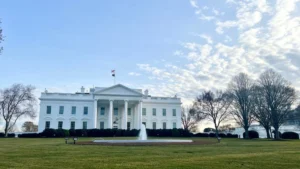
In the wake of the surging oil prices, the United States White House announced measures aimed at mitigating domestic energy costs. US Press Secretary Karoline Leavitt confirmed that the Biden administration was suspending the Jones Act for a period of 60 days. The Jones Act, formally known as the Merchant Marine Act of 1920, is a federal law that mandates that all goods transported by water between US ports must be carried on US-built, US-owned, US-crewed, and US-flagged vessels. This waiver is intended to facilitate the free flow of "vital resources like oil, natural gas, fertiliser, and coal" by allowing non-American-made ships to transport these commodities between US ports, thereby theoretically increasing shipping capacity and potentially lowering costs.
However, the effectiveness of this waiver in significantly impacting gasoline prices at the pump has been debated. Maritime groups within the US were quick to downplay the potential benefits, arguing that the primary driver behind rising prices at the pump is the fluctuating global price of crude oil, not the cost of shipping within US domestic waters. They contended that while the Jones Act does impose certain costs, these are minor compared to the geopolitical and supply-demand dynamics that dictate international oil prices. Critics of the waiver also pointed out that it might undermine the stated goals of the Jones Act, which are to support the US shipbuilding industry and maintain a strong merchant marine for national security purposes.
Further illustrating the ripple effects of the incident, Iran has also reportedly suspended the flow of natural gas to neighboring Iraq. A senior Iraqi official, speaking to Reuters, confirmed this development. The move by Tehran is understood to be a direct response to the attack on its energy infrastructure, aimed at shoring up its domestic gas supplies in anticipation of potential further disruptions or to ensure sufficient reserves for its own internal consumption. This decision carries significant implications for Iraq, a country heavily reliant on Iranian gas to fuel its power plants and meet a substantial portion of its electricity demand. Any cut in supply from Iran exacerbates Iraq’s chronic electricity shortages, particularly during periods of high demand, and places additional strain on its already fragile infrastructure.
The vast majority of Iran’s natural gas production, approximately 94% according to data from the Gas Exporting Countries Forum, is utilized for domestic consumption. This high domestic usage underscores the strategic importance of protecting its internal supply, especially when faced with perceived threats to its energy infrastructure. While Iran is a significant gas producer, its export capabilities are somewhat limited compared to its reserves, largely due to sanctions and extensive domestic demand. The suspension of gas to Iraq, therefore, is a pragmatic measure from Iran’s perspective to safeguard national energy security in a time of heightened regional tension.
Outlook and Future Implications
The reported strike on the South Pars field and the subsequent Iranian military warnings represent a dangerous escalation in a region already grappling with multifaceted conflicts. The immediate impact on energy prices is a tangible reminder of the interconnectedness of geopolitics and global economics. Should Iran follow through on its threats of retaliation, particularly against "countries of origin" or by disrupting maritime traffic in the Strait of Hormuz, the global economy could face an even more severe energy crisis than the one currently experienced. Such a scenario would not only push oil and gas prices to unprecedented levels but also destabilize global trade routes and amplify inflationary pressures worldwide.
For consumers globally, the prospect of sustained high energy prices translates into higher costs for transportation, heating, and goods, potentially dampening economic growth and increasing the cost of living. Governments and central banks, already struggling to tame inflation, would face renewed challenges. The incident also serves as a stark reminder of the vulnerability of critical energy infrastructure to hostile actions, highlighting the urgent need for diplomatic solutions to regional conflicts and sustained efforts towards diversifying global energy supplies to enhance resilience against such shocks. The coming days will be crucial in determining whether this incident remains an isolated event or marks a dangerous new chapter in the ongoing geopolitical struggles of the Middle East.