



The Subaru E-Outback represents a strategic evolution for the Japanese manufacturer, effectively blurring the lines between a traditional estate car and a modern electric sport utility vehicle. Developed as a more versatile and spacious sibling to the Subaru Solterra, the E-Outback is built upon the dedicated e-Subaru Global Platform—a derivative of the e-TNGA architecture shared with Toyota. This new model arrives at a pivotal moment for the brand as it seeks to transition its reputation for rugged, go-anywhere capability into the zero-emissions era. By extending the rear overhang and refining the silhouette of the existing Solterra framework, Subaru has created a vehicle that prioritizes utility and visibility, catering to a specific niche of outdoor enthusiasts who find standard electric crossovers lacking in cargo flexibility.
The Engineering Foundation and Design Evolution
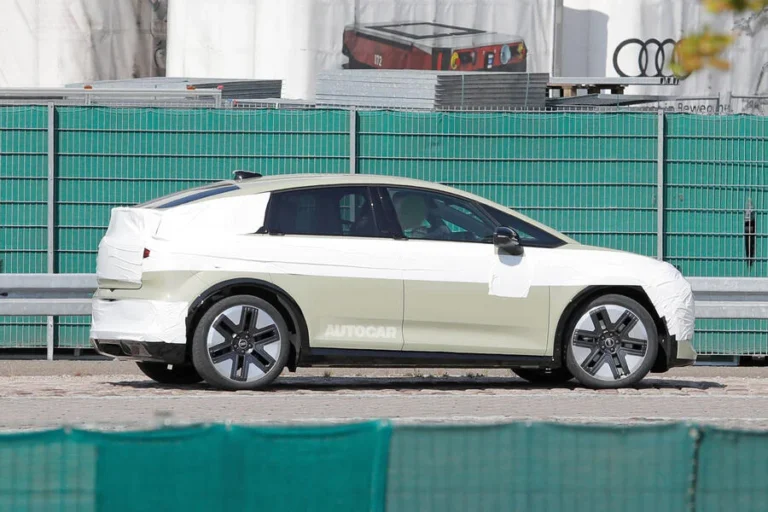
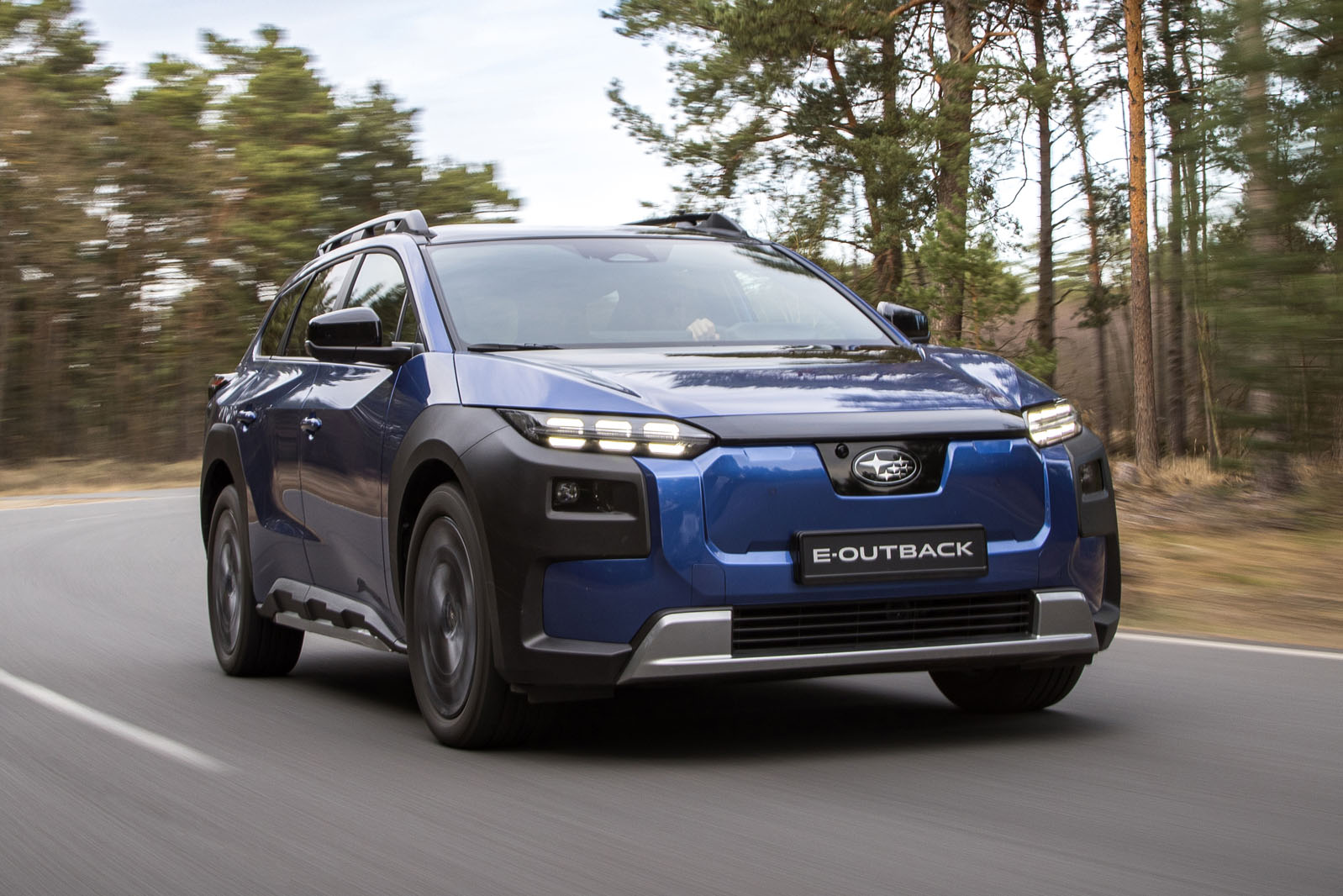
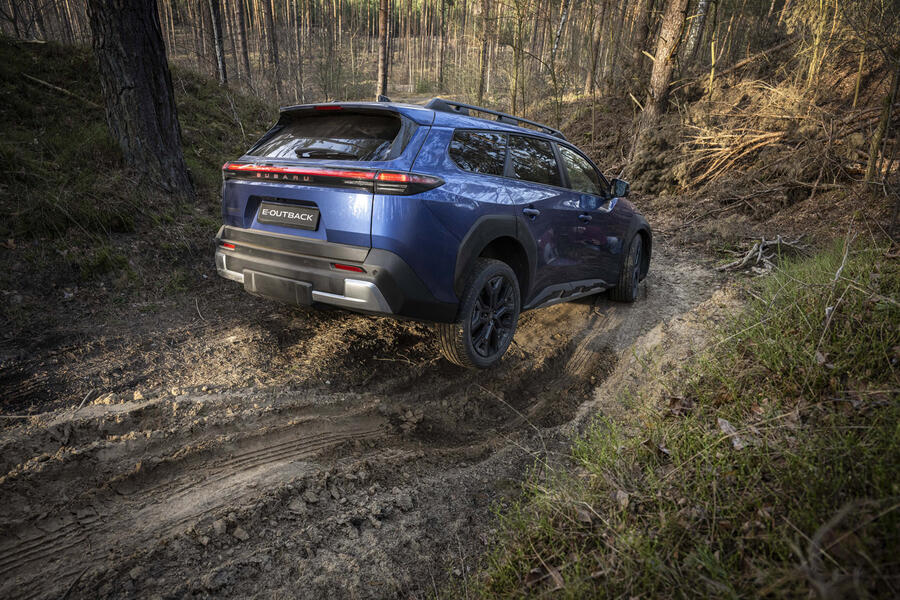
The Subaru E-Outback shares its fundamental DNA with the Subaru Solterra and the Toyota bZ4X. However, its exterior dimensions and silhouette have been significantly modified to accommodate its role as a "lifted estate." From the front bumper to the C-pillar, the E-Outback maintains a strong family resemblance to its siblings, but the rear section tells a different story. Subaru engineers have added 155mm to the vehicle’s total length, primarily behind the rear wheels, and straightened the roofline to eliminate the sloping "coupe-SUV" aesthetic that has become common in the EV market.
This design shift is not merely cosmetic. The more upright tailgate and larger rear side windows are intended to improve 360-degree visibility, a traditional Subaru hallmark. The inclusion of an oversized rear wiper and integrated accessory mounting hooks within the boot ceiling underscores the vehicle’s utilitarian mission. While Toyota will offer a sister model in the form of the bZ4X Touring, Subaru has positioned the E-Outback as the more "outdoorsy" alternative, featuring unique suspension tuning aimed at maximizing stability on uneven terrain and providing a more compliant ride on broken pavement.
Performance and Powertrain Specifications
At the heart of the E-Outback is a dual-motor powertrain that provides permanent all-wheel-drive capability. The system utilizes two permanent magnet synchronous motors, each producing 224bhp, though the total system output is capped at 376bhp to optimize battery longevity and thermal management. This configuration provides a brisk driving experience, allowing the 2,150kg vehicle to accelerate with authority. Unlike many performance-oriented EVs that deliver a violent initial jolt of torque, the E-Outback’s power delivery is tuned to be more progressive, mimicking the linear feel of a large-capacity naturally aspirated engine.
The vehicle is equipped with a 73.1kWh lithium-ion battery pack (with 69.0kWh of usable capacity) using Nickel Manganese Cobalt (NMC) chemistry. In terms of efficiency, Subaru quotes a WLTP figure of 3.7 to 4.0 miles per kilowatt-hour (mpkWh). Under real-world driving conditions, this is expected to translate to a range of approximately 200 to 250 miles depending on climate and driving style. While these figures are respectable for a dual-motor all-wheel-drive vehicle, they fall slightly behind the segment leaders in terms of outright efficiency and long-distance touring range.
Specialized Off-Road Systems and Capability
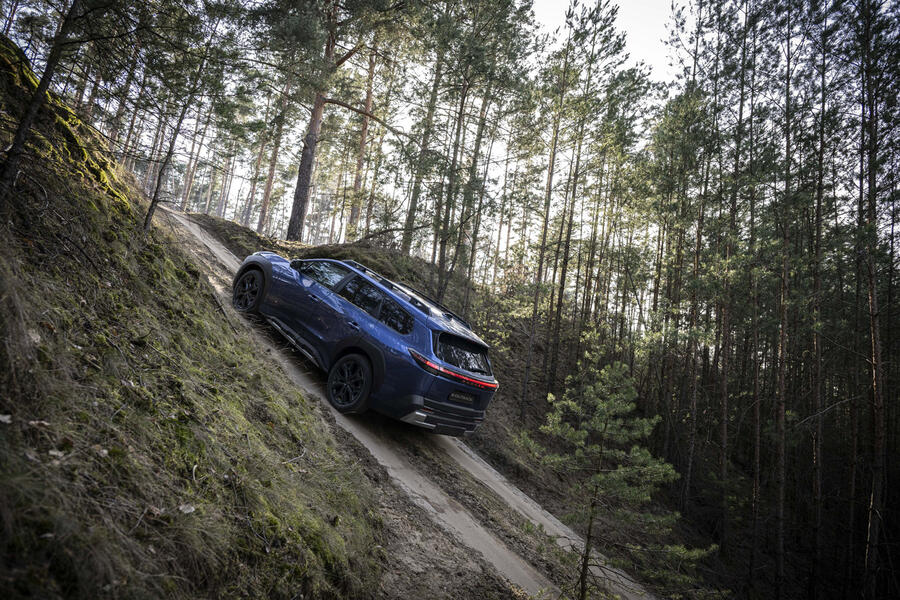
One of the most significant differentiators for the E-Outback is its genuine off-road pedigree. While most electric crossovers are designed primarily for urban environments, the E-Outback features a ground clearance of 211mm. To put this into perspective, its primary rival, the Skoda Enyaq, offers only 186mm. This height, combined with an approach angle of 17.6 degrees and a departure angle of 20.2 degrees, allows the E-Outback to navigate obstacles that would ground most other EVs in its class.
The vehicle’s off-road prowess is managed by the latest iteration of Subaru’s X-Mode system, which offers two distinct profiles: Snow/Dirt and Deep Snow/Mud. These modes recalibrate the torque distribution and traction control to ensure momentum is maintained on slippery surfaces. Furthermore, the E-Outback introduces "Grip Control," a specialized off-road cruise control system. This technology allows the driver to select a constant low speed via a rocker switch on the center console, enabling them to focus entirely on steering while the vehicle manages individual wheel braking and motor torque to maintain traction. Even when equipped with standard summer tires, the system demonstrates an impressive ability to extract the vehicle from soft sand and climb steep, loose-surface gradients.
Interior Utility and Practicality
The interior of the E-Outback prioritizes durability and ergonomic logic over avant-garde luxury. The materials used throughout the cabin feel robust and are designed to withstand the rigors of an active lifestyle. While the infotainment system—shared with the Toyota bZ4X—is functional and supports modern smartphone integration, it remains relatively basic compared to the high-definition, feature-heavy interfaces found in Tesla or Mercedes-Benz products.
The primary draw of the E-Outback is its cavernous cargo area. With 633 liters of boot space, it significantly outperforms the Skoda Enyaq (585 liters) and provides a more usable shape for carrying large pets or sports equipment. Practical features abound, including remote handles to drop the rear seats and a dedicated light integrated into the tailgate to illuminate the loading area at night. However, there are some limitations; the rear seats only fold in a 60:40 split, and there is currently no dedicated ski hatch, though Subaru has indicated that an accessory hatch may be offered in the future. Passenger space remains generous, particularly in terms of legroom, though the high floor—a common trait in EVs where the battery is housed in the chassis—results in a slightly "knees-up" seating position for taller rear-seat occupants.
Market Context and Competitive Analysis
The E-Outback enters a market that is increasingly crowded with SUVs but surprisingly underserved in the electric estate segment. Currently, buyers looking for a rugged, long-roof EV have limited options beyond the Audi A6 Avant e-tron or the BMW i5 Touring, both of which sit in a significantly higher price bracket and lack the Subaru’s ground clearance.
Subaru’s decision to maintain a traditional estate profile while offering SUV-level capability places the E-Outback in a unique competitive position. Its most direct competitors are likely to be the Skoda Enyaq iV 80x and the Tesla Model Y. While the Tesla offers superior charging infrastructure and software, and the Skoda provides a more traditional European interior feel, neither can match the Subaru’s specialized off-road hardware or its specific focus on "lifestyle" utility.
Economic Implications and Brand Strategy
The pricing for the E-Outback has not been finalized, but industry analysts expect it to carry a premium over the standard Solterra. With the all-wheel-drive Toyota bZ4X starting at approximately £50,000, the E-Outback is projected to enter the market at roughly £53,000 to £55,000. This pricing reflects the vehicle’s larger dimensions and more complex suspension tuning.
For Subaru, the E-Outback is more than just a new model; it is a proof of concept for the brand’s future. Subaru has long occupied a niche market, catering to buyers who require all-weather reliability and utility without the bulk of a full-sized SUV. By successfully translating the "Outback" formula to an electric drivetrain, Subaru is attempting to retain its loyal customer base while attracting a new generation of environmentally conscious buyers who refuse to compromise on their outdoor hobbies.
Conclusion and Future Outlook
The Subaru E-Outback is a characterful and highly capable addition to the electric vehicle landscape. It successfully addresses the "philosophical question" of its identity by proving that an estate-bodied vehicle can offer genuine off-road utility. While it may not set new benchmarks for infotainment technology or pure electrical efficiency, it excels in the areas that have historically defined the Subaru brand: visibility, robustness, and mechanical confidence.
As the automotive industry continues its rapid shift toward electrification, vehicles like the E-Outback demonstrate that there is still room for specialized, purpose-built machines that serve specific user needs. For the driver who requires a vehicle capable of navigating a muddy trail on the way to a remote trailhead, while still providing the cargo capacity of a traditional wagon, the E-Outback stands as a distinctive and compelling choice in an increasingly homogenized market. Future developments, such as the promised ski hatch and further accessory integrations, are expected to further solidify its status as the premier electric choice for the rugged lifestyle segment.