



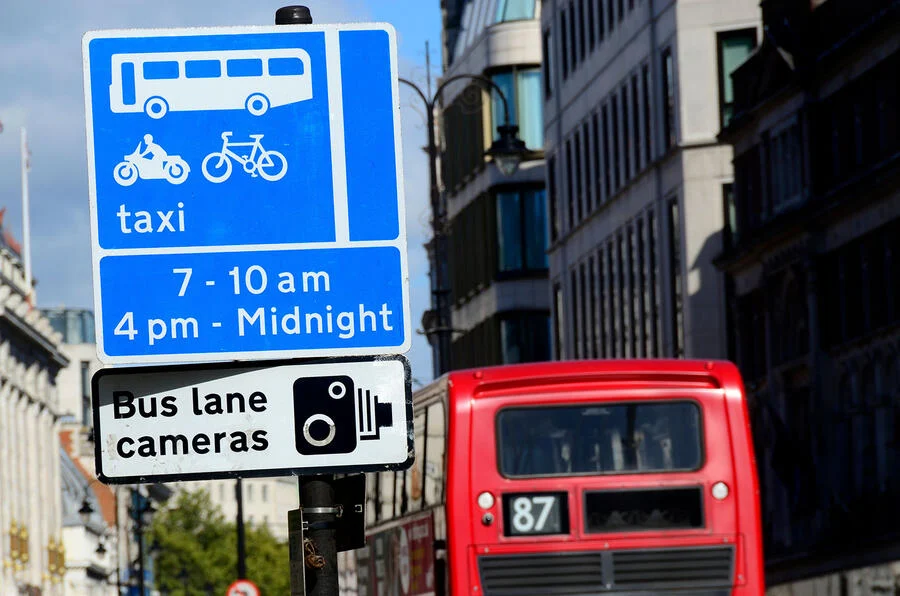
The financial implications of urban traffic management have come under intense scrutiny following the disclosure of revenue figures associated with a single yellow box junction in the Royal Borough of Kingston upon Thames. Data revealed that a camera-monitored junction in the area generated approximately £450,000 in penalty charge notices (PCNs) over a period of just eight months during the previous calendar year. This figure, which averages to nearly £2,000 in daily fines, has sparked a national debate regarding the intersection of civil enforcement, road design ethics, and the growing reliance of local authorities on motoring revenue to sustain municipal budgets.
Yellow box junctions are designed under the Highway Code to prevent the blockage of intersections, ensuring that traffic flows remain fluid and emergency vehicles can navigate urban centers without obstruction. However, when a single junction produces a volume of infractions that yields nearly half a million pounds in less than a year, transport analysts and legal experts suggest the issue may lie less with driver discipline and more with the physical and systemic design of the road layout itself.
The Financial Mechanics of the Kingston Junction
The junction in question, located within Kingston upon Thames, has earned a reputation as one of the most prolific revenue-generating traffic features in the United Kingdom. The £450,000 sum represents thousands of individual motorists who were captured by automated camera systems pausing within the yellow-hatched markings. Under current London regulations, the standard fine for such an infringement is £130, typically reduced to £65 if paid within 14 days.
The sheer volume of these fines suggests a systemic failure in traffic flow. Engineering standards generally dictate that if a significant percentage of road users are unable to comply with a regulation, the regulatory environment—rather than the user—requires adjustment. In Kingston, however, the local council has faced criticism for maintaining the status quo despite the high rate of "indiscretions" recorded by their enforcement technology.
Administrative Transparency and Budgetary Reliance
The controversy intensified following the release of minutes from a special council meeting convened to discuss the performance and future of the junction. While local authorities often cite "road safety" and "congestion easing" as the primary motivators for strict enforcement, the internal documentation provided a rare glimpse into the fiscal motivations behind such policies.
The council’s official record noted that while revenue raising is not the stated objective of enforcement, there are significant "financial implications" should the current arrangement be altered. Specifically, the minutes stated that the council must remain "mindful of the impact" that a change in the junction’s layout would have on "revenue income streams that help to balance the budget."
This admission has been characterized by critics as a "smoking gun," suggesting that the persistence of a difficult or poorly designed road layout is incentivized by the very fines it generates. For a local government facing the dual pressures of inflation and reduced central government grants, the predictable income from a high-yield traffic camera becomes a vital component of the fiscal strategy, potentially outweighing the need for intuitive urban design.
The Evolution of Civil Traffic Enforcement in the United Kingdom
To understand the current friction between motorists and local councils, it is necessary to examine the chronology of traffic enforcement powers in the UK.
- The Road Traffic Act 1991: This legislation began the process of "decriminalizing" certain parking and traffic offenses, shifting enforcement from the police to local authorities.
- The Traffic Management Act 2004: This act expanded the powers of local councils to manage traffic flow and tackle congestion, paving the way for the widespread use of CCTV and Automatic Number Plate Recognition (ANPR) cameras.
- London’s Early Adoption: London boroughs were among the first to aggressively implement camera-monitored yellow box junctions, utilizing them as both a tool for transit management and a source of municipal funding.
- 2022 Expansion of Powers: In May 2022, the Department for Transport (DfT) granted local authorities across England and Wales (outside of London) the power to apply for the right to enforce "moving traffic offenses," such as entering yellow boxes or ignoring one-way signs. This move significantly increased the number of councils looking at traffic enforcement as a viable revenue stream.
As more councils adopt these powers, the Kingston case serves as a cautionary tale regarding the potential for "enforcement traps"—areas where the road geometry makes legal compliance difficult during peak hours, resulting in a windfall for the local treasury.

Technical Critiques of Yellow Box Design
Professional driving organizations and civil engineers have frequently pointed out that many yellow boxes in the UK do not meet the "common sense" test. Common design flaws include:
- Excessive Length: Boxes that are too long make it difficult for a driver to judge if there is enough space on the far side before they enter.
- Obstructed Sightlines: Large vehicles or street furniture often prevent drivers from seeing the exit of the box until they are already committed to the maneuver.
- Poor Road Markings: Faded or incorrectly sized hatching can lead to confusion, particularly in adverse weather or low-light conditions.
- Sequential Boxes: In some urban layouts, boxes are placed so close together that a driver clearing one is immediately forced to stop in another due to a sudden change in traffic flow.
In the case of Kingston, the high frequency of fines suggests that even cautious drivers are finding it nearly impossible to navigate the junction without technical infringement.
The Societal Impact: Erosion of Public Trust
Beyond the immediate financial burden on motorists, the use of traffic enforcement to balance municipal budgets has broader implications for the relationship between the citizen and the state. The 2024 report by the National Centre for Social Research highlighted that trust and confidence in Britain’s system of government have reached record lows.
A significant contributor to this disillusionment is the perception of "stealth taxes" and the belief that rules are enforced not for the public good, but for institutional gain. When a council admits that a road layout remains unchanged partly to protect a revenue stream, it reinforces the narrative that the government views its citizens as a resource to be harvested rather than a public to be served.
This sentiment is exacerbated by a period of historic political instability in the United Kingdom. With the country having seen six prime ministers within a single decade, the sense of "management turnover" and inconsistent policy-making has left the public with little patience for administrative errors. The perceived lack of accountability at the top of government makes the rigid and often unforgiving enforcement of minor traffic rules at the local level feel particularly unjust.
Analysis of Implications and the Need for Reform
The situation in Kingston upon Thames underscores a growing tension in modern governance: the need for efficient revenue collection versus the requirement for fair and transparent administration. If the primary goal of a yellow box is to keep traffic moving, then a box that is constantly filled with "offending" vehicles is, by definition, failing its primary purpose.
If the goal were truly safety and flow, the council would logically prioritize redesigning the junction—perhaps by altering signal timings, narrowing the box, or improving the visibility of the exit—to ensure that violations become the exception rather than the daily norm. By choosing to prioritize the "revenue income stream," the council risks a long-term deficit in public cooperation that may be far more costly than the £450,000 collected in fines.
For faith in governance to be restored, experts argue that the flow of tolerance must be bidirectional. While citizens are expected to follow the law, the state must ensure that the laws are followable and that the enforcement of those laws is not predicated on a conflict of interest.
Future Outlook
The controversy surrounding the Kingston junction may serve as a catalyst for legislative review. Advocacy groups are increasingly calling for a "grace period" for minor infractions, mandatory design audits for any junction that generates fines above a certain threshold, and a requirement that revenue from such fines be strictly ring-fenced for road improvements rather than general budget balancing.
As the UK navigates its current economic and political challenges, the management of its roads remains a visible and visceral touchpoint for public opinion. Whether local authorities will heed the warnings regarding the erosion of trust, or continue to rely on the "notorious" efficiency of camera-monitored junctions, remains a pivotal question for the future of urban transport policy. Until a balance is struck, the yellow box at Kingston upon Thames stands as a symbol of a system where bad design is not a problem to be solved, but a profit center to be maintained.