


Since its official opening on February 8, 2001, the 85-acre site has manufactured more than 7.6 million engines. In 2023 alone, the facility’s 1,700-strong workforce produced over 400,000 powertrains, a figure that underscores its critical role in the global BMW production network. While British automotive headlines are frequently dominated by vehicle assembly plants such as Nissan in Sunderland or Jaguar Land Rover in the West Midlands, Hams Hall represents a cornerstone of the UK’s high-value manufacturing sector, exporting components and finished engines to vehicle plants in Germany, the United States, and beyond.

The Strategic Migration: From Munich to the Midlands
The recent history of Hams Hall is defined by a significant strategic shift within the BMW Group. In 2022, BMW announced that the production of its flagship V8 and V12 engines would be transferred from its historic home in Munich to the Warwickshire facility. This move was necessitated by the "Neue Klasse" era—BMW’s aggressive transition toward electric vehicle (EV) production. By moving internal combustion engine (ICE) assembly to the UK, BMW freed up vital floor space in its Bavarian headquarters to install new assembly lines for next-generation electric drivetrains.
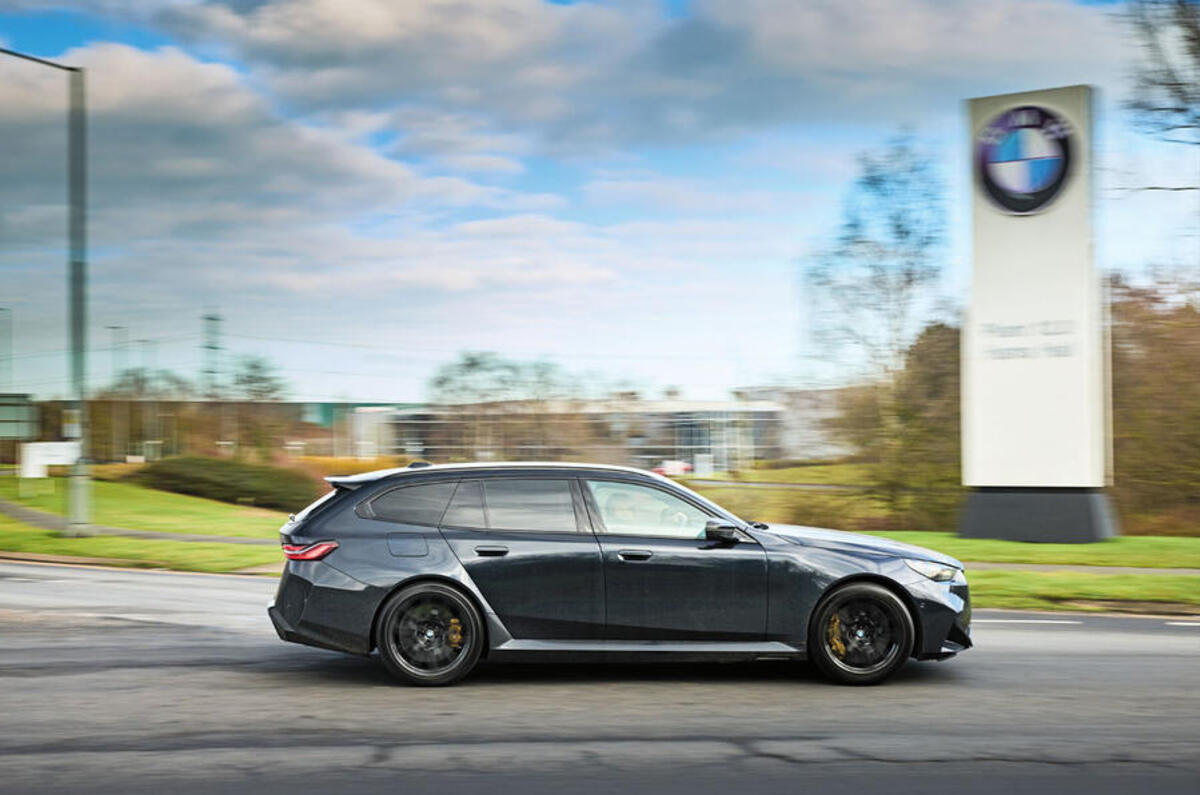
This transition has elevated Hams Hall from a high-volume component factory to a center of specialized craftsmanship. The facility now produces the "S68" 4.4-litre twin-turbocharged V8, a powerhouse that delivers 717bhp in the latest G90/G99 M5. Furthermore, the plant is responsible for the 6.75-litre V12 engines destined for Rolls-Royce models like the Phantom, Ghost, and Cullinan. These engines are not merely mechanical components; they are the defining characteristics of some of the world’s most expensive and performance-oriented vehicles.
A Chronology of Innovation: 2001 to 2025
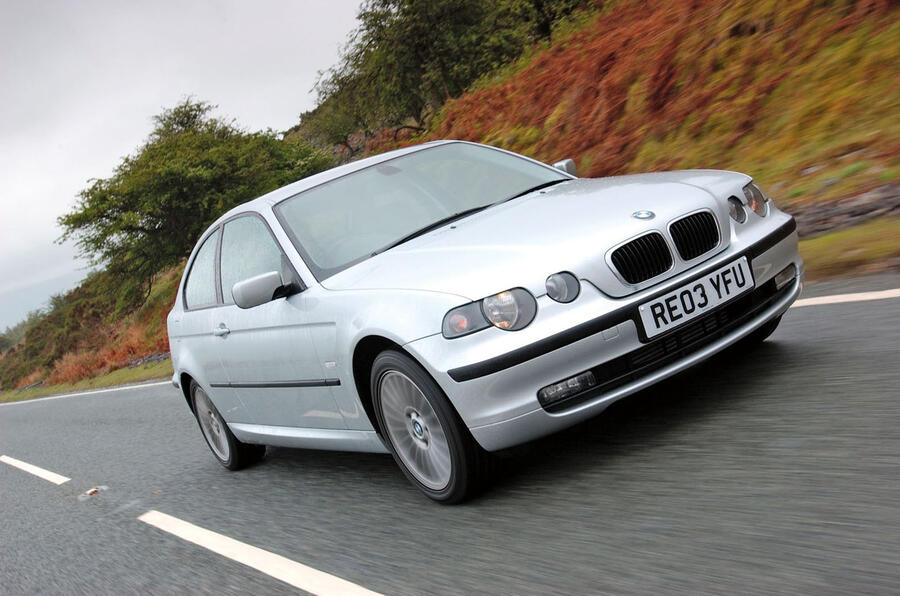
The trajectory of Hams Hall mirrors the evolution of engine technology over the last two decades. When the plant opened in 2001, its primary focus was the "New Generation" of four-cylinder petrol engines. The first unit to roll off the line was a 1.8-litre engine for the BMW 316ti Compact, which notably introduced BMW’s Valvetronic technology to the mass market. Valvetronic replaced the traditional throttle butterfly with a variable intake valve lift system, significantly improving fuel efficiency and throttle response.
By the mid-2000s, Hams Hall had expanded its remit to include engines for the reborn Mini brand. The facility became the sole provider of petrol engines for the Mini Cooper and Cooper S, solidifying its importance to the UK’s domestic car industry. In 2006, the plant played a role in BMW’s motorsport heritage by producing the hand-built N45 engine for the 320si, a homologation special for the World Touring Car Championship.

The 2010s brought further diversification. The plant began producing three-cylinder turbocharged engines, including the high-tech 1.5-litre unit used in the BMW i8 plug-in hybrid supercar. This represented a milestone in downsizing and hybridization, proving that Hams Hall could adapt to the increasing complexity of modern powertrains. Today, the facility operates around the clock, five days a week, utilizing three shifts to manage a portfolio that ranges from efficient three-cylinder units to the massive V12s that define the pinnacle of luxury motoring.
The Manufacturing Process: A Fusion of Craft and AI
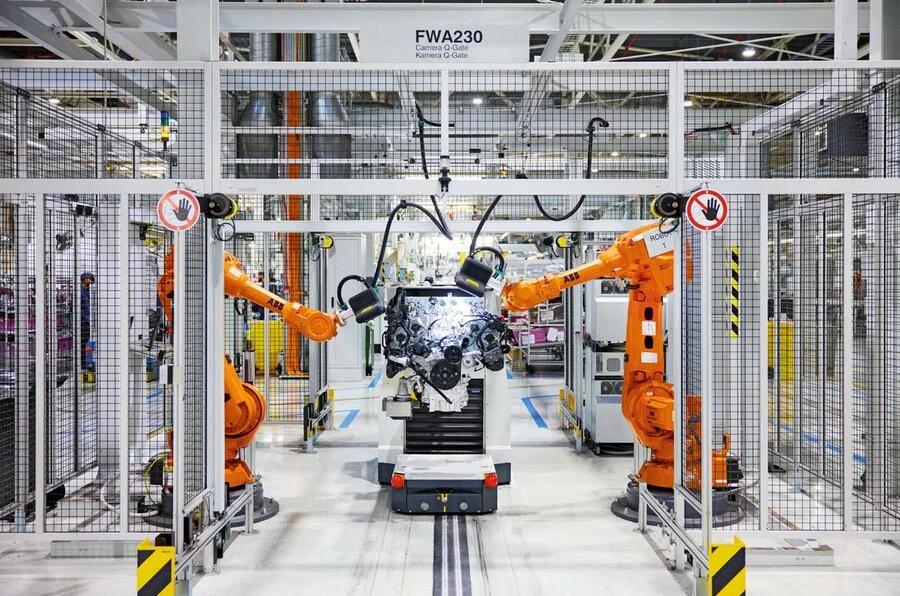
The production philosophy at Hams Hall varies significantly depending on the engine type. The high-volume lines for three- and four-cylinder engines are heavily automated, prioritizing speed, repeatability, and precision through robotics. However, the V8 and V12 lines represent a return to human-centric manufacturing.
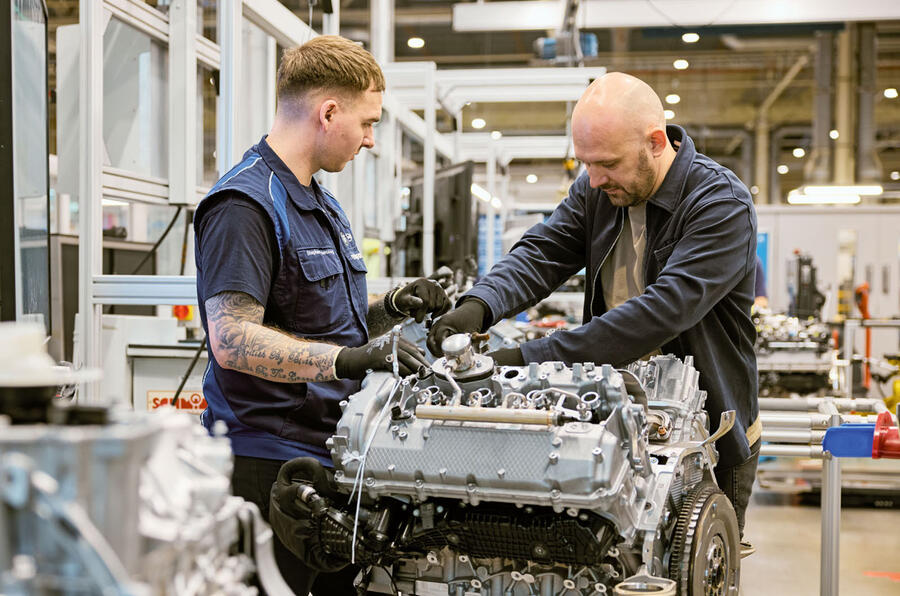
On the V8 assembly line, approximately 84% of the processes are manual. For the Rolls-Royce V12, that figure rises to 100%, with every engine being entirely hand-built. This approach is driven by the complexity of the "S68" and V12 architectures, where the tactile feedback of a skilled technician is considered superior to a robot for certain intricate tasks.
To ensure the highest quality standards, BMW has integrated "Digital Worker Guidance" into the assembly process. Every technician works at a station equipped with high-resolution touchscreens that provide step-by-step instructions. Every bolt tightened is electronically logged; the specific torque applied is recorded and permanently linked to the engine’s serial number and the VIN of the car it will eventually power.
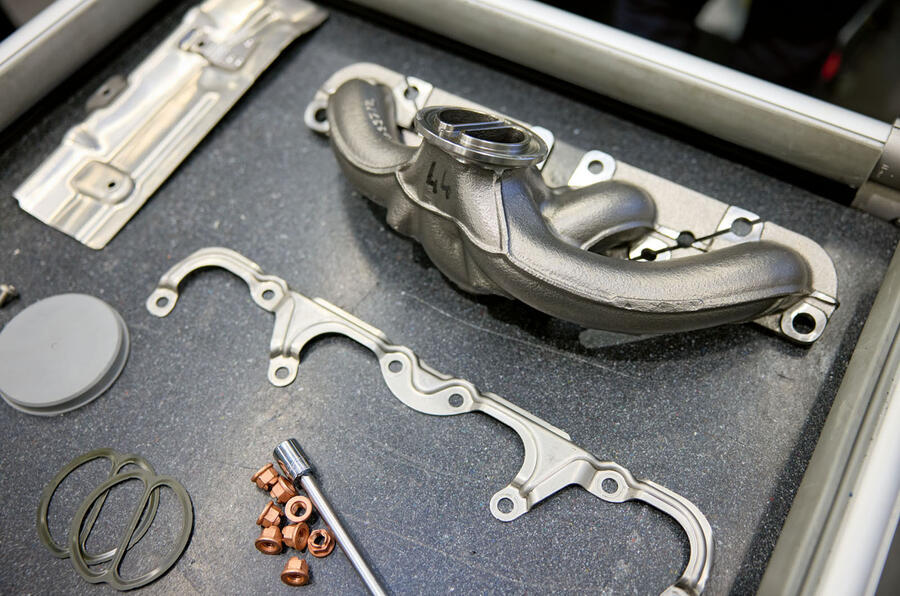
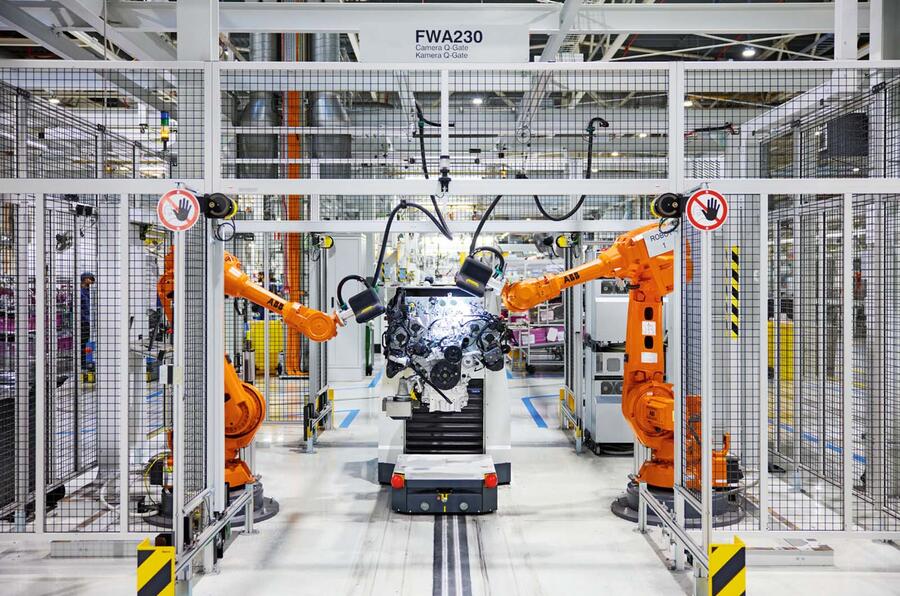
Furthermore, the plant has pioneered the use of Artificial Intelligence (AI) in quality control. Digitization specialists like Zee Ahsan have implemented robotized camera systems that inspect cylinder heads. These cameras use machine learning to identify microscopic defects that might be invisible to the human eye, flagging issues before an engine moves to the next stage of assembly. This "shy support" philosophy ensures that technology supplements, rather than replaces, the human workforce.
Economic Impact and Workforce Development
The significance of Hams Hall extends beyond the engines it builds. As an employer of 1,700 people, it is a vital part of the West Midlands’ industrial fabric. The plant invests heavily in its Assembly Competence Centre, a dedicated training zone where new recruits and apprentices can practice assembly tasks in a risk-free environment.
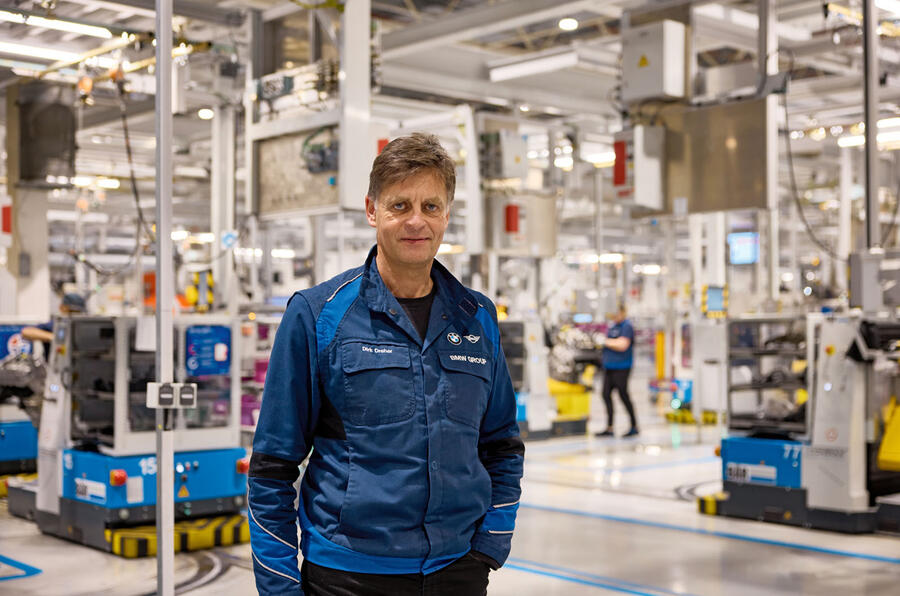
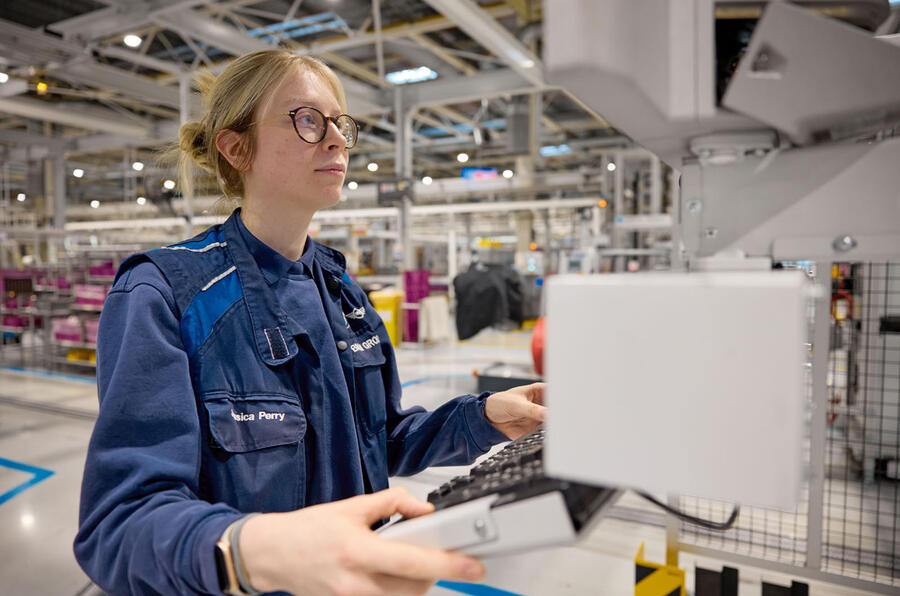
Plant Director Dirk Dreher emphasizes that "machines don’t have a culture," highlighting the importance of the human element in maintaining BMW’s reputation for quality. The plant has become a magnet for engineering talent, recruiting graduates from nearby institutions like Loughborough University. These young engineers, such as Jess Perry, focus on machine vision and digitization, ensuring the plant remains at the cutting edge of Industry 4.0 standards.
The facility also maintains a deep integration with the global supply chain. Beyond assembling finished engines, Hams Hall machines key components—such as cylinder heads and blocks—for BMW’s other major engine plant in Steyr, Austria. This interconnectedness ensures that even if global demand shifts, the Warwickshire site remains indispensable to BMW’s overall logistics network.
Official Perspectives and Industry Implications
Harald Gottsche, BMW’s Head of Engine Production, describes Hams Hall as an "integral part of our global production network," praising its ability to combine technological expertise with high flexibility. This flexibility is the plant’s greatest asset. In an era where the future of the internal combustion engine is frequently questioned, Hams Hall has successfully positioned itself as the "premium ICE" hub.
By focusing on high-margin, low-volume engines like the V8 and V12, the plant is insulated from some of the volatility affecting the mass-market EV transition. While volume engines for the 1 Series or Mini may eventually transition to full electric drive, the demand for high-performance M cars and bespoke Rolls-Royces remains robust.
Analysis of the current automotive landscape suggests that the S68 V8, as a hybridized unit, will likely remain in production well into the next decade. By pairing the V8 with electric motors—as seen in the new M5 and the XM—BMW has found a way to comply with tightening emissions regulations while satisfying enthusiast demand for multi-cylinder performance. This ensures that Hams Hall will continue to play a leading role in BMW’s strategy for the foreseeable future.
Legacy and Future Outlook
As Hams Hall enters its second quarter-century, its legacy is already firmly established. From the humble 316ti to the 717bhp M5 Touring, the engines built in Warwickshire have powered some of the most significant cars of the 21st century. The facility stands as a testament to the enduring viability of British automotive manufacturing when aligned with high-value, high-technology products.
The shift of V8 and V12 production to the UK is more than just a logistical relocation; it is a vote of confidence in the British workforce’s ability to handle the brand’s most prestigious assets. While the "Neue Klasse" represents BMW’s future in Bavaria, the "beating heart" of its performance heritage remains firmly rooted in the West Midlands. For enthusiasts and owners of the new M5, there is a distinct pride in knowing that the complex, twin-turbocharged masterpiece under the bonnet was crafted with a blend of traditional British craftsmanship and state-of-the-art German engineering.
Happy 25th birthday, Hams Hall. In a world of rapidly changing propulsion technologies, this Warwickshire facility remains a bastion of the internal combustion engine’s most evocative and powerful forms.