


This fiscal performance was underpinned by a historic sales achievement, with the Italian marque delivering 10,747 vehicles globally. The resulting 24% profit margin places Lamborghini in an elite tier of automotive manufacturers, rivaling the historical dominance of Ferrari and surpassing the margins of its sister brand Porsche. The 2025 results underscore a strategic shift within the Volkswagen Group, where the focus has pivoted from raw volume to high-margin, low-volume exclusivity, particularly as the broader industry faces headwinds in the transition to electrification and fluctuating demand in the mass-market premium segments.
The Financial Architecture of Success
The Audi Group’s 2025 fiscal report reveals a stark contrast between the volume-heavy operations of the Audi brand and the high-margin efficiency of Lamborghini. While Audi continues to manage the complexities of a global transition to electric vehicles (EVs) and the maintenance of a massive internal combustion engine (ICE) portfolio, Lamborghini has leveraged its brand equity to command record-breaking transaction prices.
The €768 million operating profit was achieved through a combination of several factors: the continued global demand for the Urus Super SUV, the successful rollout of the Revuelto V12 hybrid, and the robust performance of the "Ad Personam" customization program. This personalization department allows customers to tailor their vehicles with bespoke paints, materials, and trims, often adding hundreds of thousands of euros to the base price of a vehicle with minimal incremental manufacturing cost.
Comparatively, the Audi brand saw its margins pressured by high R&D expenditures related to the PPE (Premium Platform Electric) architecture and a competitive pricing environment in the Chinese market. Bentley, once the profit darling of the group, faced a more temperate year as it adjusted its product cycle toward hybridization. Consequently, Lamborghini emerged as the stabilizing force within the group’s financial structure, providing the necessary capital to fund broader technological transitions across the Audi and Volkswagen ecosystems.
A Chronology of Transformation: From 1998 to 2025
Lamborghini’s current position as a financial powerhouse is the culmination of a twenty-seven-year journey under the stewardship of the Volkswagen Group. To understand the 2025 record, one must look at the pivotal stages of the brand’s evolution:
- 1998: The Acquisition. Audi AG acquired Lamborghini from Megatech for approximately $110 million. At the time, the brand was producing fewer than 300 cars a year and lacked a modern platform.
- 2003: The Gallardo Era. The introduction of the V10 Gallardo brought "daily usability" to the brand, significantly increasing volume and introducing Audi’s manufacturing standards.
- 2011: The Aventador Launch. Lamborghini proved it could still dominate the halo supercar segment with a bespoke V12 carbon-fiber monocoque, setting the stage for high-margin flagship sales.
- 2018: The Urus Revolution. The launch of the Urus Super SUV fundamentally changed the company’s financial trajectory. It doubled the brand’s annual production and opened the doors to a new demographic of buyers, including families and luxury lifestyle enthusiasts.
- 2021: Direzione Cor Tauri. Chairman and CEO Stephan Winkelmann announced a €1.8 billion investment plan—the largest in the company’s history—to hybridize the entire lineup by the end of 2024.
- 2024–2025: Full Hybridization. The successful market entry of the Revuelto, the Urus SE (Plug-in Hybrid), and the Temerario (the Huracán successor) solidified the brand’s future in a regulated environment without sacrificing performance or profit.
Product Portfolio and Market Performance
The 10,747 deliveries in 2025 were distributed across a revitalized lineup that effectively balanced traditional internal combustion appeal with necessary electrification.
The Urus: The Volume Anchor
The Urus remained the best-selling model, accounting for over 50% of total deliveries. The 2025 sales were bolstered by the Urus SE, the brand’s first plug-in hybrid SUV. By offering over 800 horsepower and a significant reduction in emissions, the SE appealed to markets with strict carbon regulations while maintaining the performance metrics expected of the Lamborghini badge.
The Revuelto: The Margin Leader
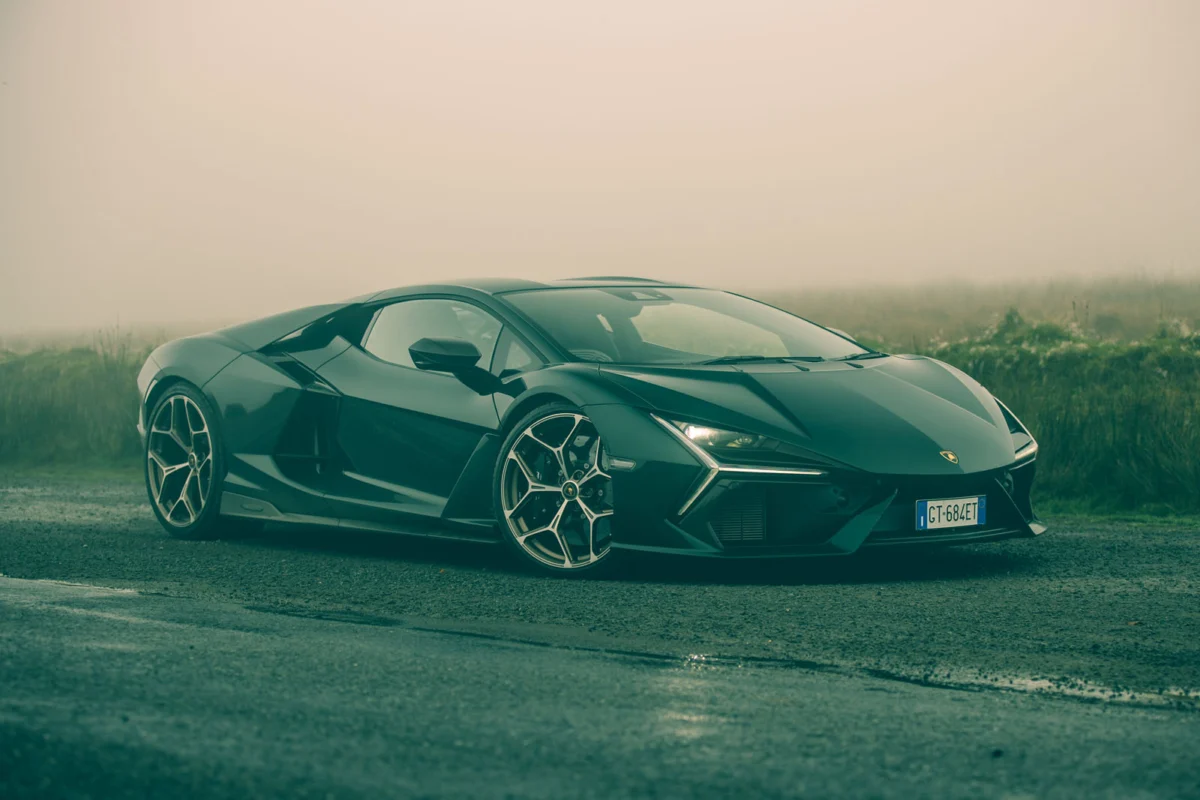
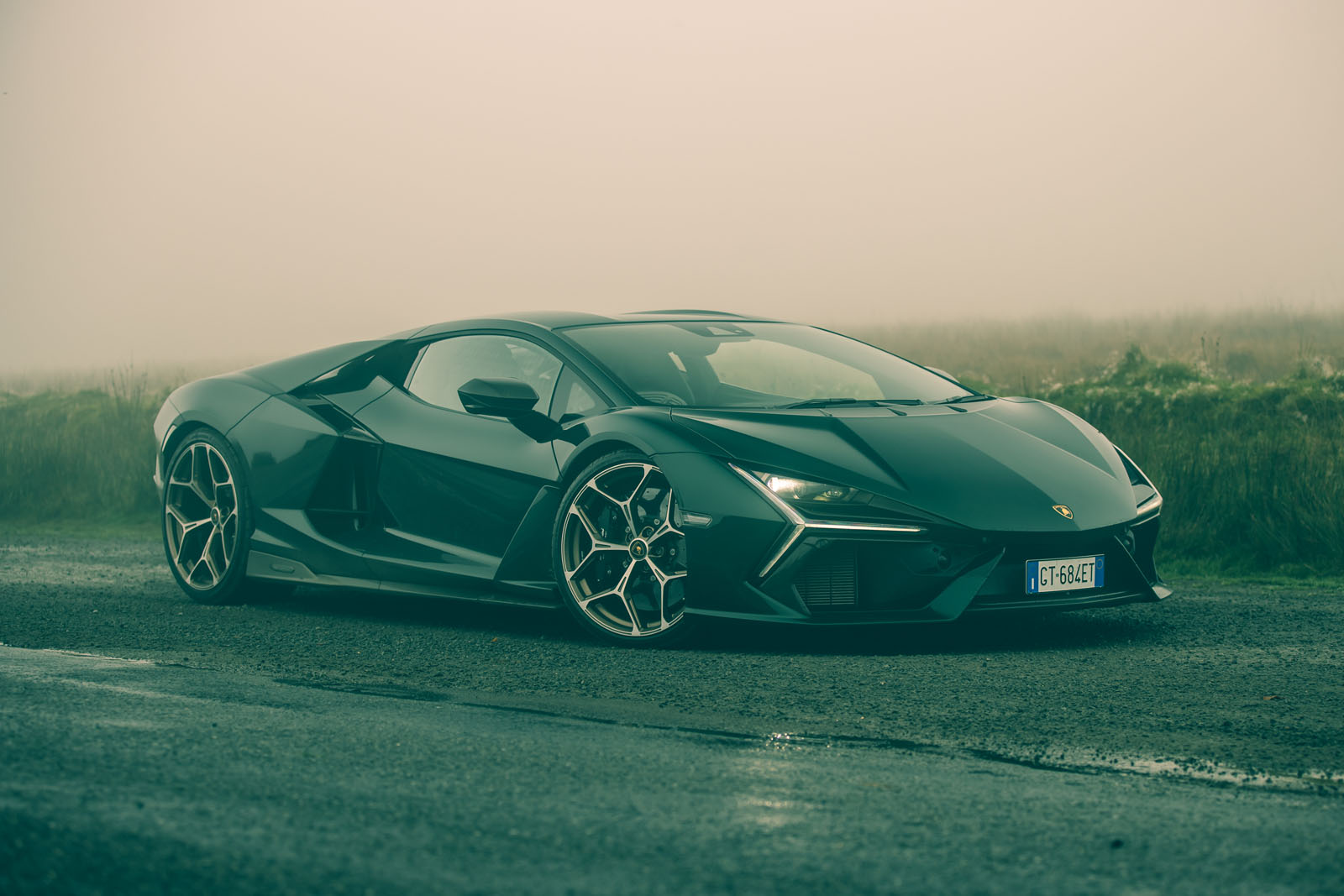
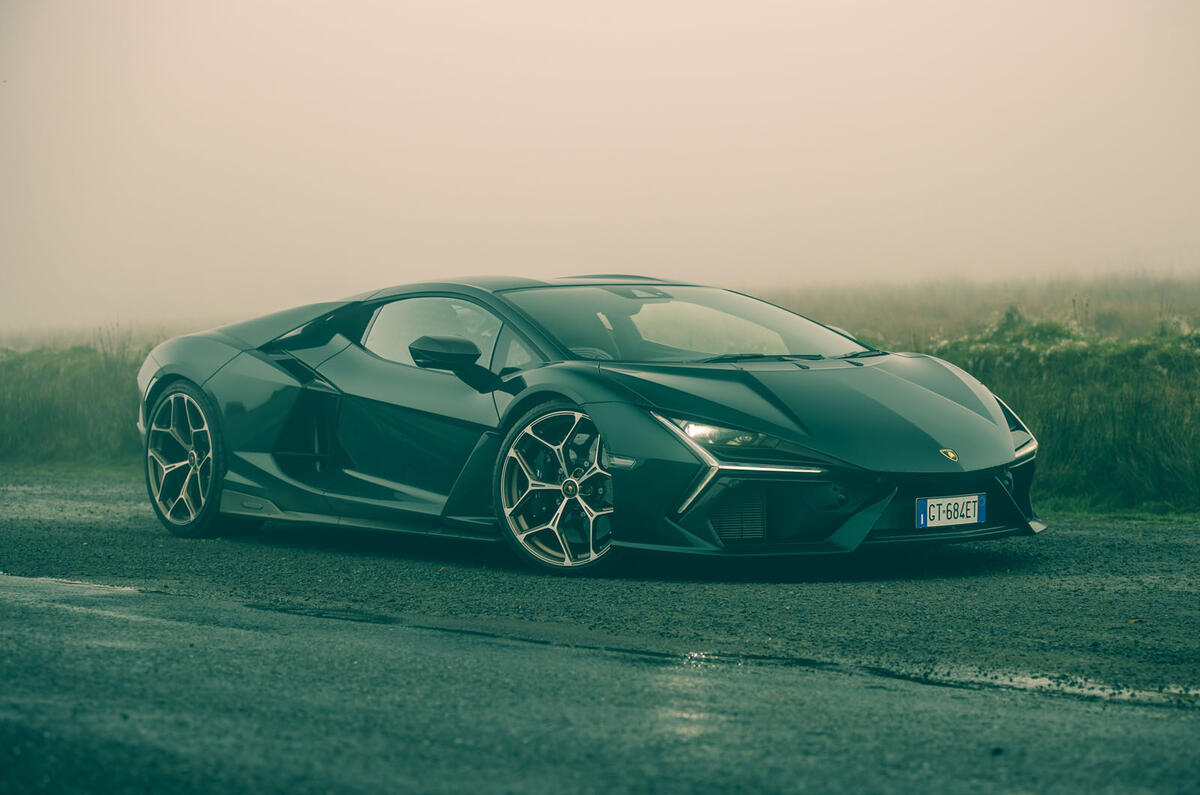
The Revuelto, Lamborghini’s first High-Performance Electrified Vehicle (HPEV), saw its production ramp up significantly in 2025. With a waiting list extending into late 2026 and 2027, the Revuelto commands a price point and a margin that far exceed its predecessor, the Aventador. Its complex tri-motor hybrid system and V12 engine have become a benchmark for the industry, proving that hybridization can enhance, rather than dilute, the supercar experience.
The Temerario: A New Chapter
Replacing the venerable Huracán, the Temerario debuted with a twin-turbo V8 hybrid powertrain. While 2025 was a transition year for the "junior" supercar, the initial order intake exceeded expectations, particularly in the North American and Asia-Pacific markets.
Regional Market Analysis
The record-breaking sales of 2025 were not concentrated in a single territory but were the result of a balanced global strategy. The United States remained the largest single market for Lamborghini, driven by strong demand in Florida, California, and the Northeast. However, the EMEA (Europe, Middle East, and Africa) region showed the most significant percentage growth, particularly in the United Kingdom, Germany, and the Middle East, where high-net-worth individuals (HNWIs) continue to view luxury automobiles as stable assets.
In the Asia-Pacific region, Mainland China, Hong Kong, and Macau remained vital, though the brand shifted its focus toward growth in Japan and South Korea to mitigate economic fluctuations in the Chinese real estate and financial sectors. This geographic diversification has insulated Lamborghini from regional downturns that have more severely impacted mass-market luxury brands.
Institutional and Market Reactions
While the Volkswagen Group does not always provide granular commentary on individual brand performance within the Audi Group’s consolidated reports, analysts have noted the strategic importance of Lamborghini’s independence. There has been persistent speculation in the financial community regarding a potential Initial Public Offering (IPO) for Lamborghini, similar to the path taken by Porsche in 2022.
Industry experts suggest that Lamborghini’s 24% margin makes it an incredibly attractive candidate for a spin-off. "Lamborghini has demonstrated that it is no longer a ‘hobby’ brand for the VW Group," noted one senior automotive analyst. "It is a lean, highly profitable machine that operates with the efficiency of a tech company and the brand loyalty of a luxury fashion house."
Internally, the sentiment within the Audi Group is one of validation. The integration of Lamborghini into the "Brand Group Progressive" was designed to share R&D costs for electrification while allowing each brand to maintain its distinct DNA. Lamborghini’s ability to generate nearly a quarter of the group’s profits suggests that this cluster strategy is working, even if the primary Audi brand is currently navigating a more difficult path.
Strategic Implications and Future Outlook
The success of 2025 provides Lamborghini with the "dry powder" necessary to navigate the next decade of automotive disruption. The brand is currently preparing for its most significant challenge yet: the launch of its first fully electric vehicle, previewed by the Lanzador concept.
The Lanzador, a 2+2 "Ultra GT," is slated for production around 2028. The profits from 2025 are directly funding the development of this model and the necessary upgrades to the Sant’Agata Bolognese factory to handle high-voltage battery assembly and carbon-neutral manufacturing processes.
However, the 2025 data also highlights a potential risk for the Audi Group: an over-reliance on a single niche brand for a significant portion of its operating profit. If the global appetite for ultra-luxury SUVs and supercars were to wane, or if geopolitical tensions impacted the supply of specialized components, the group’s overall financial health could be disproportionately affected.
To mitigate this, the group is working to translate Lamborghini’s "high-margin" philosophy to other parts of the portfolio. This includes more aggressive personalization options for Audi’s RS models and a renewed focus on Bentley’s "Mulliner" coachbuilding division.
Conclusion
The 2025 fiscal year will be remembered as the moment Lamborghini transitioned from a successful subsidiary to a cornerstone of the Audi Group’s financial identity. By delivering 10,747 cars and generating €768 million in profit, the brand has proven that exclusivity and electrification are not mutually exclusive. As the automotive industry continues to grapple with the complexities of the 21st century, Lamborghini’s blend of emotional engineering and fiscal discipline serves as a blueprint for survival and success in the luxury sector. The Italian brand has not only set a sales record but has also redefined what it means to be a profitable asset within a global automotive conglomerate.