


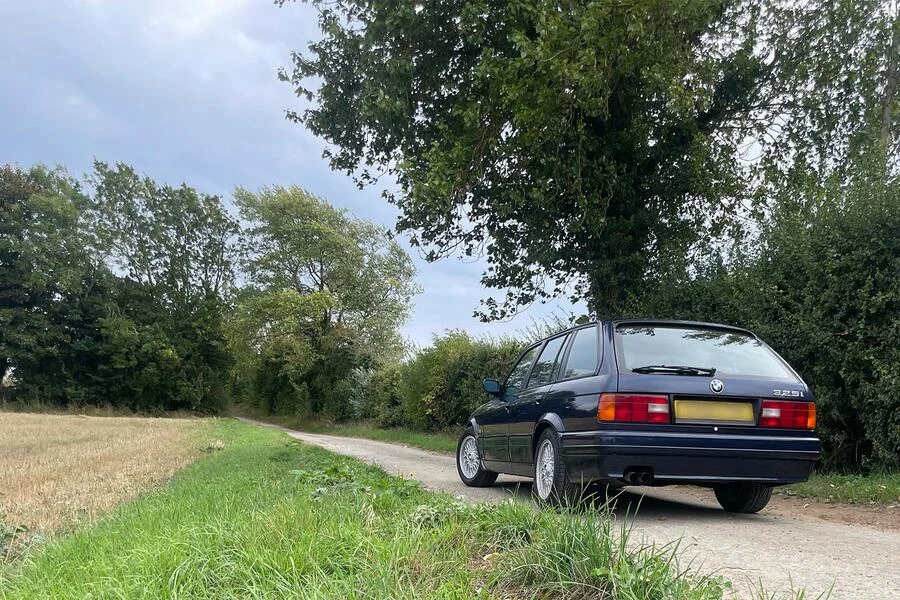
The pursuit of automotive perfection in the realm of classic car ownership often begins with a stark realization of the gap between a vehicle’s current state and its factory-intended performance. For owners of the BMW E30 325i Touring—a model widely regarded as one of the high-water marks of 1980s German engineering—the journey toward restoration requires more than just enthusiasm; it demands a rigorous, data-driven diagnostic approach. Following the recent acquisition of a 1990 325i Touring, the initial phase of ownership has transitioned from celebratory driving to a comprehensive mechanical and structural audit, facilitated by the specialists at Classic Bahnstormers. This professional appraisal, priced at £456, represents a critical investment in the vehicle’s longevity, moving beyond the superficiality of a standard Ministry of Transport (MOT) test to provide a granular view of the car’s health.
The Rigorous Standards of Classic BMW Preservation
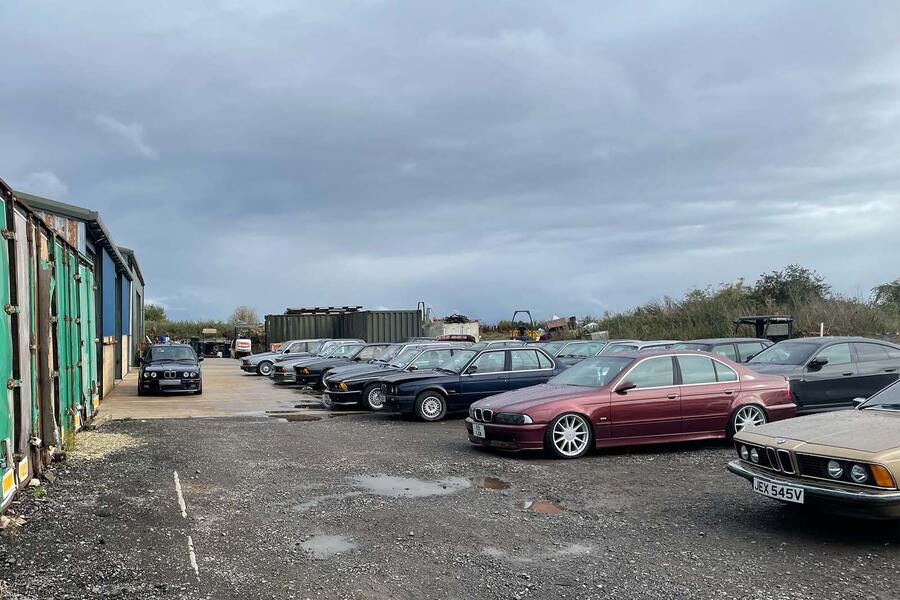
The appraisal process at a specialist facility like Classic Bahnstormers is designed to be exhaustive. Unlike a standard safety inspection, this evaluation occupies a full working day, involving both mechanical engineers and bodywork specialists. The methodology includes the removal of specific trim pieces and components to inspect areas prone to hidden corrosion, alongside a series of high-speed and varied-surface test drives. This level of scrutiny is essential for the E30 platform, which, despite its reputation for robust build quality, is now entering its fourth decade of existence.
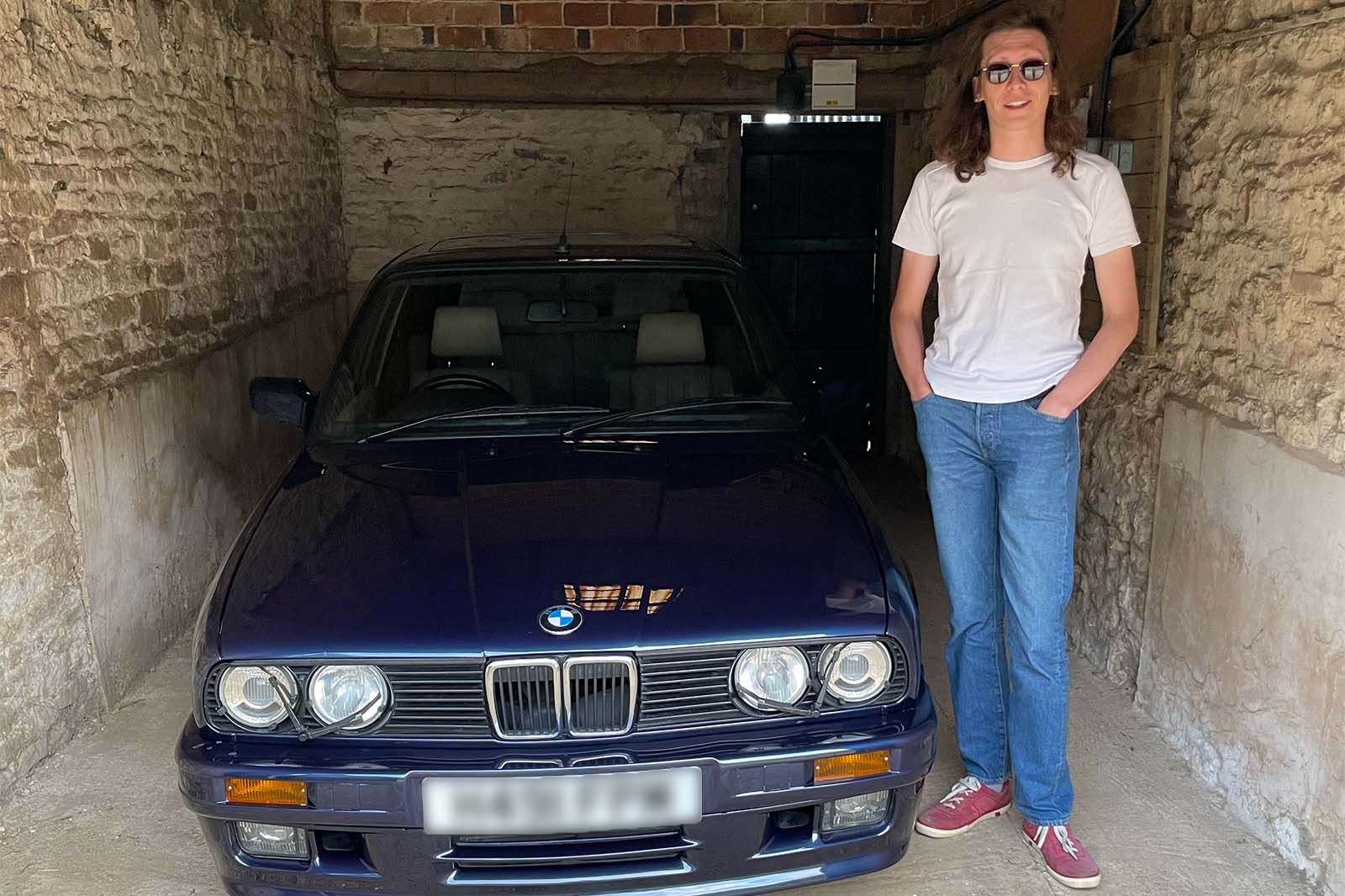
The resulting diagnostic report comprises six A4 pages of detailed findings, categorizing every fault from critical safety issues to minor cosmetic imperfections. In the case of this specific 325i Touring, the audit revealed a dichotomy common in well-maintained classics: a fundamentally sound chassis paired with several age-related mechanical vulnerabilities. High-priority items identified included a leaking radiator and perished fuel hoses—faults that, if left unaddressed, pose a significant risk of engine failure or fire. Conversely, the report also noted "impossibly minor" issues, such as the failure of the rear ashtray illumination, illustrating the depth of the inspection.
The BMW E30 Legacy: Context and Market Value
To understand the necessity of such a detailed appraisal, one must consider the historical and market context of the BMW E30. Produced between 1982 and 1994, the E30 generation of the 3 Series solidified BMW’s reputation for producing "The Ultimate Driving Machine." The Touring (estate) variant, introduced later in the production cycle, offered a unique blend of practicality and the balanced rear-wheel-drive dynamics of the saloon.
The 325i model, powered by the 2.5-liter M20 straight-six engine, remains a pinnacle of the non-M range. Delivering approximately 168 brake horsepower and 164 lb-ft of torque in its original factory specification, the M20 engine is celebrated for its smooth power delivery and iconic exhaust note. As market values for clean, rust-free E30s continue to climb—often exceeding £20,000 for top-tier examples—the justification for a £456 professional appraisal becomes clear. For a "keeper" vehicle, the cost of the appraisal is a fraction of the potential value lost through improper maintenance or undiscovered structural decay.
Technical Audit: Identifying Functional Discrepancies
The primary takeaway from the specialist appraisal was an affirmation of the vehicle’s structural integrity. In an era where many E30s suffer from terminal rust in the sills, wheel arches, and floor pans, this example was found to be remarkably preserved. However, the "road tester" mindset—a professional inclination to detect even the slightest deviation from optimal performance—revealed several functional shortcomings that a casual owner might overlook.
Despite the car’s aesthetic appeal, the driving experience was marred by a "lazy" front end and a "crashy" ride quality. The vehicle was currently equipped with Uniroyal tyres and H&R lowering springs, a combination that appeared to be at odds with the car’s chassis tuning. In the world of classic car restoration, the interaction between aftermarket components and original geometry is a frequent source of compromised handling. To diagnose whether these traits were inherent to the 92,000-mile chassis or a result of specific component choices, a controlled comparative test was required.
Comparative Dynamics: The A-B Testing Protocol
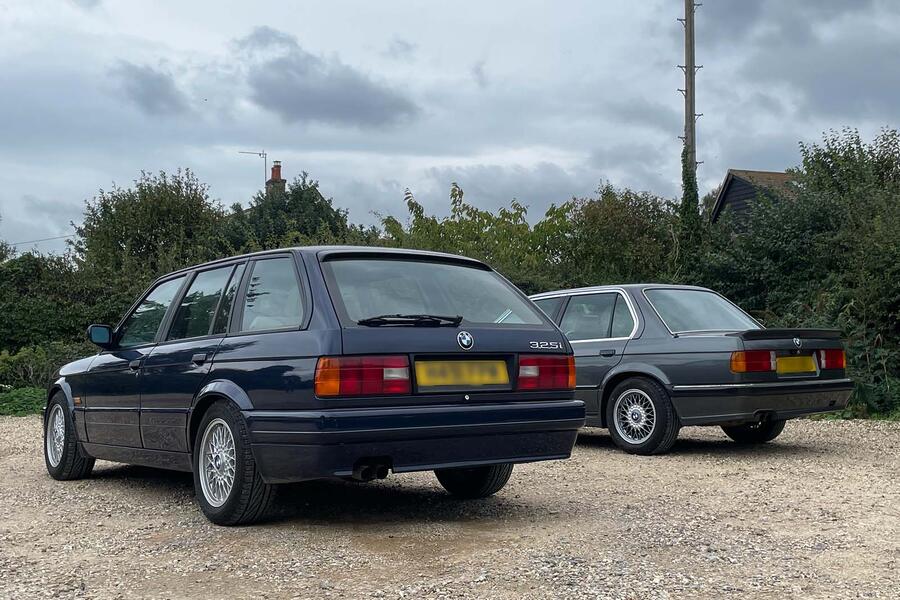
The opportunity for A-B testing arose through a collaboration with Classic and Sports Car magazine. The subject for comparison was a 1986 BMW 325i Sport saloon, owned by deputy editor Aaron McKay. While the saloon and touring share the same fundamental architecture, the Sport model came from the factory with M Technic suspension and interior upgrades.
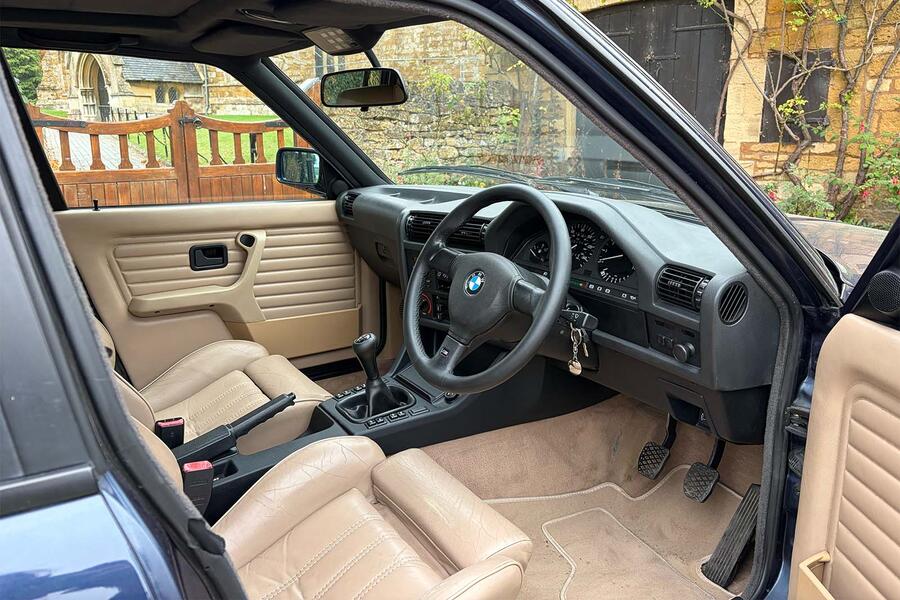
The technical comparison yielded immediate insights:
- Damping and Spring Rates: Both vehicles utilized Bilstein B6 dampers. However, while the Touring was fitted with H&R lowering springs, the Sport saloon retained its standard M Technic springs. The difference in ride quality was profound; the Sport saloon offered a significantly more composed ride over irregularities without sacrificing lateral stability.
- Steering Precision: The Sport saloon’s steering felt tighter and more incisive. This suggests that the Touring’s "lazy" front end is likely attributable to worn suspension bushings or the specific geometry changes induced by the H&R lowering springs.
- Drivetrain Refinement: The saloon exhibited a more precise gear change and less valvetrain noise. While the latter can often be addressed with a standard valve clearance adjustment—a routine maintenance task for the M20 engine—the former indicates a need for new shift bushings in the Touring.
Engineering the Ideal Ride: Springs, Dampers, and Tyres
The data gathered from the back-to-back test drive points toward a clear path for the Touring’s mechanical restoration. The "crashy" sensation is a classic symptom of a suspension system where the spring rate and damper valving are mismatched, or where the lowering springs have moved the suspension arms out of their optimal operating range.
Furthermore, the role of tyres cannot be overstated. While Uniroyal tyres are a respected mid-range option known for wet-weather performance, they often lack the sidewall stiffness required for a "sporty" feel in a vehicle with the E30’s steering rack ratio. Upgrading to a more performance-oriented compound, alongside the replacement of aged rubber suspension bushings with fresh OEM or slightly stiffer polyurethane units, is expected to restore the "incisive" turn-in that is a hallmark of the E30 325i.
The Road Tester’s Dilemma: Functionality vs. Originality
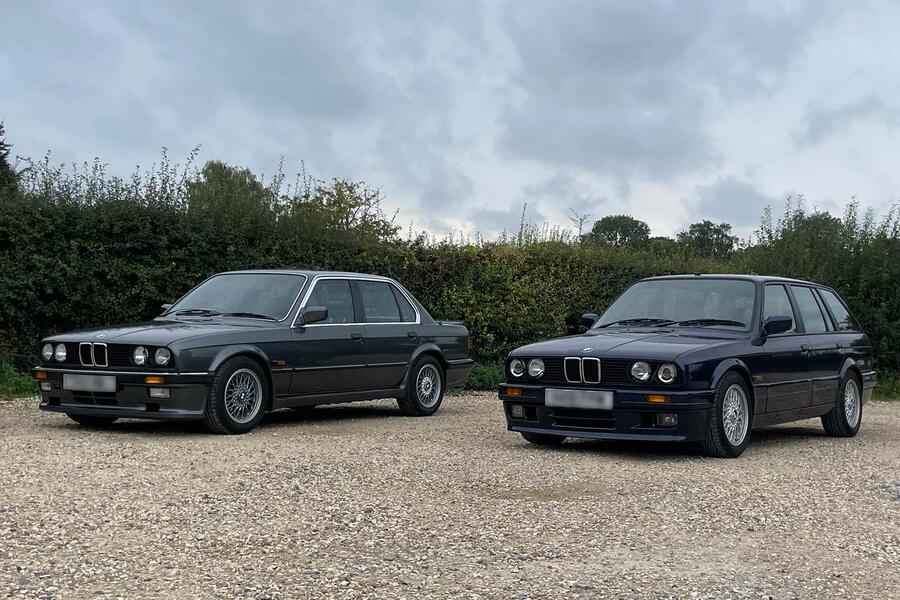
For the professional road tester, the restoration of a classic car is not merely about aesthetic preservation but about functional perfection. The philosophy guiding this project is that essential systems—air conditioning, suspension, and central locking—must operate with the same reliability and precision as they did when the car left the Munich factory in 1990.
This approach often leads to a "slippery slope" of expenditures. While a leaky radiator is a mandatory fix, the decision to overhaul the entire suspension system or chase down a minor fault in the central locking actuators is what separates a "driver" from a "concours-lite" restoration. The appraisal report serves as a roadmap for this process, allowing the owner to prioritize mechanical safety (fuel hoses and cooling) before moving on to the nuanced improvements that define the driving experience.
Strategic Restoration and Long-Term Ownership Implications
The systematic evaluation of the BMW E30 325i Touring underscores a vital lesson in classic car stewardship: the most expensive way to own a classic is often to buy a "cheap" one and perform ad hoc repairs. By investing in a high-end specialist appraisal early in the ownership cycle, the owner can move away from reactive maintenance and toward a proactive restoration strategy.
The broader implications for the classic car market are evident. As internal combustion vehicles face increasing scrutiny and eventual phase-outs in various global markets, the value of "analog" driving experiences continues to rise. Vehicles like the E30 325i Touring offer a tactile connection to the road that modern, electronically-assisted cars often struggle to replicate. Ensuring that these vehicles are maintained to a high functional standard is not just a matter of personal preference; it is an act of historical preservation.
In the coming months, the 325i Touring will undergo a series of targeted interventions. This will include a comprehensive service, the replacement of key suspension components, and a transition to a more suitable tyre and spring combination. The goal is to elevate the car from a "good example" to a benchmark of the model, proving that with the right diagnostic data and a commitment to mechanical excellence, a thirty-year-old BMW can still deliver a world-class driving experience. The journey from a six-page list of faults to a perfected machine is rarely inexpensive, but for a vehicle as iconic as the E30 Touring, the investment is increasingly viewed as a sound one.