

The intersection of high-end automotive engineering and digital subcultures has reached a critical juncture as luxury car brands find their products increasingly utilized as central props in the "manosphere"—a sprawling online ecosystem dedicated to hyper-masculinity, wealth acquisition, and controversial social hierarchies. For decades, the supercar has served as the ultimate symbol of success, but the rise of influencers such as Andrew Tate and his contemporaries has shifted the narrative from aspirational engineering to a tool for ideological signaling. This phenomenon presents a complex challenge for legacy manufacturers like Bugatti, Ferrari, and Lamborghini: how to maintain brand prestige when their most visible ambassadors are figures often associated with misogyny, far-right rhetoric, and "incel-adjacent" philosophies.
Defining the Manosphere and Its Visual Language
The manosphere is not a monolithic entity but a fragmented network of podcasts, YouTube channels, and private forums. It encompasses various factions, including "Pick-Up Artists" (PUAs), "Men Going Their Own Way" (MGTOW), and the "Alpha Male" lifestyle coaches who promote a specific brand of "hustle culture." Central to this digital movement is the display of extreme wealth, which serves as "social proof" of the influencer’s authority.
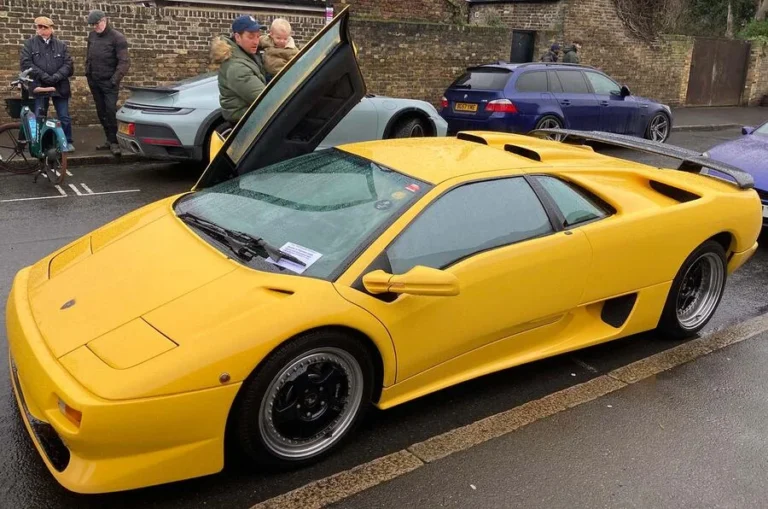
In this context, the luxury vehicle is more than a mode of transport; it is a rhetorical device. A Bugatti Chiron or a Mansory-tuned Lamborghini Urus functions as a physical manifestation of the "Alpha" status these influencers sell to their audiences. As filmmaker Louis Theroux noted during the promotion of his recent documentary investigating these subcultures, the profitability of being a "dick on the internet" is inextricably linked to the aesthetic of excess. For the audience—often composed of young men seeking direction—the car is the evidence that the influencer’s worldview produces tangible results.
A Chronology of the Manosphere’s Automotive Obsession
The evolution of the manosphere’s relationship with the automotive industry has transitioned from niche forums to mainstream cultural saturation over the past two decades.
- 2000s: The PUA Era: Early iterations of the manosphere focused on "the game" of seduction. Wealth was implied, but the focus was on psychological tactics. Cars were rarely the centerpiece of the content.
- 2010s: The Rise of Lifestyle Vlogging: As YouTube matured, influencers began using leased or borrowed supercars to attract views. This era saw the birth of "flex culture," where the vehicle became a primary hook for the algorithm.
- 2020-2022: The "Hustle Culture" Explosion: During the global pandemic, a surge in interest in cryptocurrency and "side hustles" created a vacuum for figures like Andrew Tate. Tate’s "What color is your Bugatti?" retort became a viral meme, cementing the brand’s association with his specific brand of radical masculinity.
- 2023-Present: The Mainstream Backlash and Documentary Scrutiny: The arrest of high-profile manosphere figures and the release of investigative documentaries, such as those by Louis Theroux, have forced the public and brands to reckon with the darker side of these associations.
The Data of Digital Association
The scale of this association is reflected in digital engagement metrics. Analysis of social media trends indicates that content featuring high-value assets (cars, watches, luxury real estate) alongside manosphere-aligned keywords receives significantly higher engagement rates than standard automotive reviews. According to social media monitoring data, mentions of specific supercar brands in the context of "alpha" or "Sigma" male content grew by over 300% between 2021 and 2023.
For a brand like Bugatti, which produces fewer than 100 vehicles a year, the "Tate Effect" created a paradox. While it increased brand awareness among a younger demographic, it simultaneously tethered the brand to a figure banned from most major social media platforms for violating hate speech policies. This "toxic reach" creates a conflict with the traditional luxury buyer—the high-net-worth individual who often seeks discretion and classic prestige rather than digital notoriety.
The Corporate Quandary: Brand Safety vs. Market Freedom
Automotive manufacturers find themselves in a precarious position. Unlike a fashion house that can choose which celebrities to dress, a car manufacturer sells a product that can be resold on the secondary market or customized by third parties, such as Mansory, without the original brand’s consent.
There are three primary strategies a brand can employ when faced with an "unpleasant" association:
- Strategic Silence: Most luxury brands currently opt for this. By not acknowledging the influencer, they avoid giving the movement further oxygen. However, this risks allowing the influencer to become the de facto face of the brand for a new generation.
- The "Burberry" Approach: In the mid-2000s, the British fashion house Burberry faced a crisis when its signature check pattern became associated with "chav" culture and football hooliganism in the UK. The brand responded by aggressively scaling back the use of the check, discontinuing certain products (like the baseball cap), and pivoting toward high-fashion runways. For a car brand, this might involve more stringent vetting for new car allocations or legal action against unauthorized use of brand imagery in certain commercial contexts.
- Active Counter-Narrative: Brands can choose to highlight different values—such as sustainability, artistic collaboration, or understated elegance—to dilute the "alpha" association.
Inferred Industry Perspectives and Legal Constraints
While major automakers rarely issue public statements regarding specific controversial owners, industry insiders suggest that "brand safety" has become a recurring topic in boardrooms. High-end marques like Ferrari are known for their protective stance over their intellectual property, occasionally sending "cease and desist" letters to owners who modify their cars in ways the factory deems offensive or who use the cars for promotional purposes that tarnish the brand’s image.
However, the legal threshold for "tarnishment" is high. An influencer owning a car and expressing unpopular opinions is generally protected by property rights and free speech laws in many jurisdictions. The challenge for the manufacturer is not legal, but perceptual. If a brand becomes the "uniform" of a widely disliked movement, it risks alienating the "silent majority" of its customer base—the traditional collectors who do not wish to be associated with the manosphere’s baggage.
Broader Implications for the Luxury Sector
The manosphere’s appropriation of the luxury car is a symptom of a larger shift in the "Attention Economy." In this economy, the car is a tool for "clout," a currency that can be converted into course sales, subscriptions, and influence.
This trend poses a long-term risk to the intrinsic value of luxury goods. If the primary association of a $3 million car is no longer its racing heritage or its W16 engine, but rather its presence in a video about "subjugating betas," the brand loses its timeless appeal. It becomes a fad, susceptible to the same boom-and-bust cycles as the influencers themselves.
Furthermore, there is a sociological impact. By framing the supercar as the ultimate prize in a zero-sum game of masculine dominance, these influencers may be altering the motivations of future car buyers. The "enthusiast" who loves the machine for its engineering is being replaced by the "influencer" who loves the machine for its ability to generate clicks. This shift could influence how cars are designed, marketed, and perceived for decades to come.
Conclusion: The Road Ahead
As documentaries like Louis Theroux’s bring the manosphere into the light of mainstream scrutiny, luxury automakers will likely be forced to take a more proactive stance on brand association. The era of "any publicity is good publicity" is ending in an age of corporate social responsibility and environmental, social, and governance (ESG) standards.
The challenge for the automotive industry is to reclaim the narrative. Brands must decide whether they are content to be the "trophies" of a controversial digital movement or if they will take steps to ensure their legacy is defined by their own values rather than the "signature routines" of those who use their products for internet notoriety. In the battle for brand identity, the "cringe-avoidance" of the general public may eventually prove more powerful than the algorithm-driven fame of the manosphere’s most prominent voices. For now, the luxury car remains caught in the crossfire of a cultural war, serving as a high-speed symbol for a movement that many in the industry would prefer to leave in the rearview mirror.