



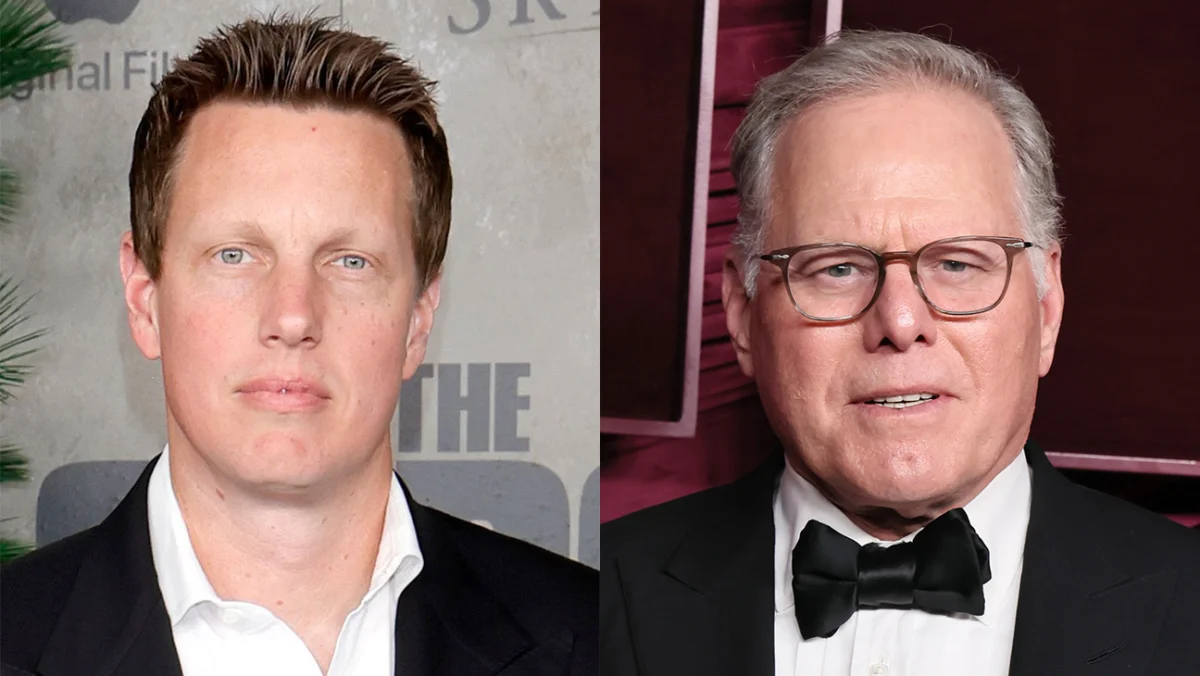
Warner Bros. Discovery (WBD) has officially set the date for a pivotal shareholder vote on the monumental $110 billion acquisition by Paramount Global. The special meeting of shareholders has been scheduled for April 23rd at 10:00 AM Eastern Time, signaling a critical juncture in the ongoing saga of media consolidation. This announcement comes as the WBD board has unanimously recommended that shareholders approve the proposed transaction, a move that, if successful, would reshape the landscape of the global entertainment industry.
The Road to the Shareholder Vote: A Chronology of Negotiations and Decisions
The scheduling of this vote is the culmination of a complex and at times protracted negotiation process. This marks the second special shareholder meeting WBD has convened this year, underscoring the intense strategic deliberations underway within the company. Previously, WBD had prepared for a shareholder vote regarding a potential deal with Netflix. However, this engagement was preempted by the emergence of Paramount’s advanced discussions, which WBD ultimately decided to pursue with a “best and final” offer. The eventual acceptance of Paramount’s sweetened bid has now propelled the matter to the shareholder doorstep.
The journey to this point involved several key phases:
- Initial Exploration and Bidding Process: Reports of potential suitors for Warner Bros. Discovery began to surface in late 2023 and early 2024, indicating a strategic review of the company’s future. Paramount Global, backed by its controlling shareholder National Amusements, Inc. (NAI), emerged as a significant contender. The initial stages involved preliminary discussions and the submission of various proposals, each with differing structures and valuations.
- The Netflix Interlude: For a period, Netflix was also reportedly in discussions with WBD. This phase highlighted the competitive interest in WBD’s vast library and operational capabilities, suggesting that multiple strategic paths were being considered by the board. The focus on Netflix indicated a potential for a different kind of integration, possibly emphasizing streaming synergies.
- Paramount’s Ascendancy: Paramount’s engagement with WBD intensified, leading to the submission of what was described as a "best and final" offer. This offer reportedly included a significant cash component and the assumption of debt, presenting a comprehensive financial package. The specifics of the deal’s structure, including the valuation and how the $110 billion figure is comprised (likely including assumed debt and equity value), have been central to the ongoing discussions and analysis.
- Board Recommendation and Shareholder Deliberation: Following extensive due diligence and negotiation, the WBD Board of Directors reached a consensus, unanimously recommending the Paramount deal. This recommendation is a crucial step, as it signals the board’s conviction that the proposed transaction aligns with their fiduciary duties to maximize shareholder value and provide strategic certainty.
Board Rationale: Maximizing Value and Strategic Certainty
The decision to recommend the Paramount deal is rooted in the WBD board’s commitment to its shareholders. Samuel A. Di Piazza, Jr., Chair of the Warner Bros. Discovery Board of Directors, articulated this guiding principle in a statement. "The WBD Board has been guided by the singular principle of securing a transaction that maximizes the value of our iconic assets and delivers as much certainty as possible to our shareholders," Di Piazza stated. He further emphasized the transformative potential of the acquisition, adding, "This historic transaction with Paramount not only does that, but it will also expand consumer choice and develop new opportunities for creative talent."
This sentiment was echoed by WBD CEO David Zaslav, who highlighted the culmination of a thorough strategic process. "We look forward to the upcoming Special Meeting," Zaslav commented. "This transaction is the culmination of the Board’s robust process to unlock the full value of our world-class portfolio. I want to thank our talented team for transforming the business over the last several years. We are working closely with Paramount to close the transaction and deliver its benefits to all stakeholders." Zaslav’s remarks underscore the belief that the merger represents a strategic imperative to realize the full potential of WBD’s extensive content library and distribution platforms.
The $110 Billion Valuation: A Closer Look at the Financial Implications
The headline $110 billion valuation represents the total enterprise value of the combined entity. This figure typically encompasses the market capitalization of the acquiring company, the equity value of the target company, and any assumed debt. While the exact breakdown of this valuation will be detailed in the official proxy materials provided to shareholders, it suggests a significant financial undertaking.
- Equity and Debt Components: The deal likely involves a substantial cash component for WBD shareholders, alongside the assumption of WBD’s existing debt by the new entity. Paramount’s own financial position and debt load will also be a critical factor in the overall financial engineering of the transaction.
- Synergy Potential: A key driver for mega-mergers in the media industry is the realization of significant cost and revenue synergies. These can arise from the consolidation of operations, elimination of redundant functions, cross-promotion of content, and optimization of distribution channels. Analysts will be closely scrutinizing the projected synergies to assess the deal’s long-term financial viability.
- Market Reaction and Shareholder Approval: The success of the deal hinges on shareholder approval. WBD shareholders will be evaluating the proposed terms against the company’s standalone prospects and alternative scenarios. Market analysts will be monitoring the stock performance of both companies and the broader media sector for insights into investor sentiment. The recommendation from the WBD board is a strong indicator, but dissenting voices or concerns about valuation could still influence the outcome.
Paramount’s Strategic Imperative and Potential Impact
For Paramount Global, the acquisition of Warner Bros. Discovery represents a bold move to significantly scale its operations and bolster its content portfolio. The combination would create a media behemoth with an unparalleled library of intellectual property, spanning film studios, television networks, streaming services, and a vast archive of iconic franchises.
- Content Powerhouse: The merged entity would possess an extraordinary collection of content, from Warner Bros.’ storied film and television divisions to Paramount’s own extensive catalog and the libraries of HBO, Discovery, and CNN. This combined intellectual property would offer immense opportunities for content creation, licensing, and expansion across various platforms.
- Streaming Landscape Reshaping: The integration of streaming services like Max and Paramount+ would create a more formidable competitor in the increasingly crowded streaming market. The potential for bundling, cross-promotion, and content sharing could lead to a more compelling offering for consumers and a more efficient operational structure. However, challenges related to integrating different streaming technologies and content strategies will need to be addressed.
- Creative Opportunities and Challenges: WBD CEO David Zaslav’s mention of "new opportunities for creative talent" suggests a belief that the larger, combined entity can offer a more robust platform for creators. However, mergers of this scale often lead to restructuring and potential talent redundancies, which will be a closely watched aspect of the integration process.
Broader Industry Implications: A New Era of Media Consolidation
The potential merger of Warner Bros. Discovery and Paramount Global, if approved, would represent a seismic shift in the entertainment industry. It would underscore a continuing trend of consolidation driven by the immense pressures of the streaming wars, the evolving advertising market, and the need for scale to compete globally.
- Increased Competition and Market Concentration: The creation of such a large entity would inevitably lead to increased market concentration. This could impact competition for content rights, talent, and advertising revenue. Smaller players might find it more challenging to compete with the sheer scale and resources of the combined company.
- Consumer Choice and Pricing: While WBD leadership has spoken of expanding consumer choice, the long-term impact on pricing for streaming services and content remains a subject of analysis. Mergers can sometimes lead to increased pricing power for dominant players.
- Regulatory Scrutiny: Given the size and scope of the proposed transaction, it is highly probable that the deal will face rigorous scrutiny from antitrust regulators in the United States and potentially in other jurisdictions. Regulators will assess the potential impact on market competition and consumer welfare. The historical precedent of media mergers suggests that such reviews can be lengthy and complex.
The upcoming shareholder vote on April 23rd is more than just a corporate procedural step; it is a decision point that will reverberate throughout the media and entertainment industry. The outcome will shape the future of iconic brands, influence creative output, and redefine the competitive dynamics for years to come. As shareholders prepare to cast their ballots, the industry will be watching with keen interest, awaiting the dawn of what could be a new era in media convergence.