



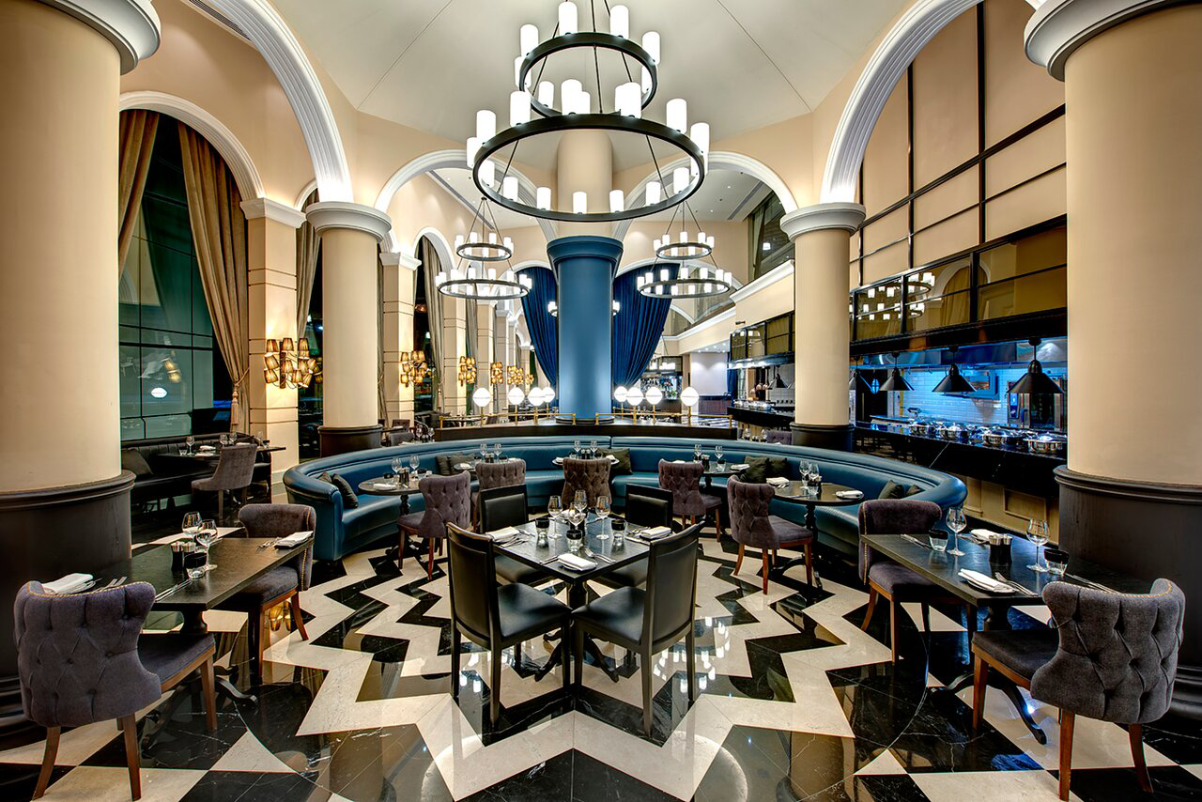
The global hospitality landscape is undergoing a significant transformation as Minor Hotels, the Bangkok-based international hotel owner and operator, officially announced the launch of the Colbert Collection. This new soft brand is specifically designed to integrate independent hotel operators into a framework that prioritizes high-end culinary experiences as the primary driver of guest engagement and brand loyalty. The move, unveiled on Wednesday, marks a pivotal shift in the company’s growth trajectory, moving away from traditional amenity-focused models toward a strategy where dining and beverage offerings serve as the core identity of the property. Alongside this launch, Minor Hotels confirmed the international expansion of The Wolseley Hotels, a brand extension of the world-renowned London restaurant, with upcoming openings scheduled for New York and Dubai.
A New Paradigm in Culinary-Centric Hospitality
The introduction of the Colbert Collection represents a strategic response to the evolving demands of the modern traveler. Historically, hotel dining was viewed as a secondary service—a convenience for guests who preferred not to leave the premises. However, recent market data suggests a reversal of this trend. According to industry reports, a growing segment of "culinary travelers" now selects their destination based primarily on the reputation of the on-site restaurant or the local food scene. By launching a soft brand like Colbert, Minor Hotels is positioning itself to capture this market by partnering with independent boutique hotels that possess strong local identities but lack the global distribution and marketing infrastructure of a major hospitality group.
Ian Di Tullio, Chief Commercial Officer of Minor Hotels, noted that these new brands are deliberately aligned with a deeper shift in traveler expectations toward experiences that are local, shared, and culturally rooted. He emphasized that food is perhaps the purest expression of that connection, serving as a bridge between the guest and the local heritage of the destination. This philosophy is the cornerstone of the Colbert Collection, which seeks to preserve the unique character of independent hotels while providing them with the operational expertise and loyalty programs associated with the Minor Hotels network.
The Evolution of The Wolseley Hotels
Complementing the Colbert Collection is the aggressive expansion of The Wolseley Hotels. This brand represents a rare example of a restaurant-first expansion into the lodging sector. The Wolseley, originally a grand café on London’s Piccadilly, has long been a landmark of British culinary culture. Following Minor Hotels’ acquisition of a majority stake in the restaurant’s parent company, Corbin & King (now rebranded as The Wolseley Hospitality Group), the decision was made to leverage the brand’s prestige into a full-scale luxury hotel concept.
Earlier this month, the company confirmed that the first international outpost for The Wolseley Hotels would be in New York, followed shortly by a flagship property in Dubai. These cities were chosen for their status as global culinary hubs, where the "see-and-be-seen" culture of high-end dining fits perfectly with the Wolseley’s brand ethos. Unlike traditional luxury hotels that focus on room count and spa facilities, The Wolseley Hotels will be anchored by expansive, high-traffic dining rooms designed to attract both international travelers and local residents, ensuring a vibrant atmosphere and steady non-room revenue.
Strategic Context and Market Data
Minor Hotels’ pivot toward food-led strategies is backed by robust economic indicators. The global culinary tourism market was valued at approximately $805 billion in 2022 and is projected to reach nearly $2.1 trillion by 2030, growing at a compound annual growth rate (CAGR) of 12.6%. Within the luxury hotel segment, Food and Beverage (F&B) revenue has historically accounted for 25% to 35% of total income. However, for "lifestyle" and "food-led" brands, this figure can often exceed 50%, providing a more diversified revenue stream that is less susceptible to the seasonal fluctuations of room occupancy.
Furthermore, the "soft brand" model has become an increasingly popular tool for rapid scaling in the hospitality industry. Soft brands allow parent companies to expand their footprint without the capital-intensive process of building new structures from the ground up. For Minor Hotels, the Colbert Collection offers a way to enter high-barrier markets in Europe and North America by onboarding existing, high-quality independent hotels that already have a strong culinary reputation but require the backing of a global operator to compete with giants like Marriott’s Autograph Collection or Hilton’s Curio Collection.
Chronology of Minor Hotels’ Strategic Growth
To understand the significance of Wednesday’s announcement, it is essential to look at the timeline of Minor Hotels’ recent expansions:
- 2018: Minor International (MINT) completes the acquisition of NH Hotel Group, significantly expanding its presence in Europe and Latin America and adding brands like NH Collection and nhow to its portfolio.
- 2022: The company successfully navigates the post-pandemic recovery by focusing on high-end luxury through its Anantara and Avani brands, reporting record-breaking profits as travel demand surged.
- Early 2024: Minor Hotels announces a target to add more than 200 hotels to its global portfolio within the next three years, with a heavy emphasis on the "lifestyle" and "experiential" segments.
- May 2024: The company finalizes the strategy for The Wolseley Hotels, identifying New York and Dubai as the primary targets for international expansion.
- September 2024: The formal launch of the Colbert Collection is announced, marking the official entry into the independent soft brand market with a focus on culinary excellence.
Analysis of Implications for the Global Hospitality Market
The launch of the Colbert Collection and the expansion of The Wolseley Hotels signal what industry analysts are calling a "proxy war for culinary supremacy." Major hospitality players are no longer just competing on room size or loyalty points; they are competing for the world’s most renowned chefs and dining concepts. By integrating high-profile restaurants directly into the brand identity of the hotel, Minor Hotels is attempting to create a "sticky" ecosystem where the dining experience becomes the primary reason for a guest’s return.
This strategy also addresses a critical challenge in the modern hotel industry: the rise of short-term rentals. While platforms like Airbnb have disrupted the traditional lodging market by offering residential-style accommodations, they often lack the high-touch service and world-class dining that a hotel can provide. By doubling down on the culinary experience, Minor Hotels is reinforcing the value proposition of the physical hotel building as a social and cultural hub that cannot be replicated by a private rental.
From an operational standpoint, the soft brand model of the Colbert Collection allows for greater flexibility. Independent owners can maintain their unique aesthetic and local charm—qualities that are highly prized by Gen Z and Millennial travelers—while benefiting from Minor’s sophisticated revenue management systems, global sales force, and the "GHA Discovery" loyalty program, which boasts over 25 million members worldwide.
Official Responses and Industry Sentiment
While competitors have yet to issue formal responses to the launch, the broader sentiment among hospitality consultants is one of cautious optimism. Experts suggest that while a food-led strategy can drive high margins, it also carries higher operational risks. The restaurant industry is notoriously volatile, with high labor costs and thin margins. Success for the Colbert Collection will depend on Minor Hotels’ ability to maintain the high standards of independent kitchens while implementing the corporate efficiencies necessary for global scale.
In his address regarding the launch, Ian Di Tullio reiterated that the company is not merely adding restaurants to hotels, but rather "curating environments where the culinary narrative is the lead protagonist." This distinction is vital for the brand’s positioning in the ultra-competitive luxury segment, where "authenticity" is the most valuable currency.
Future Outlook and Expansion Targets
Looking ahead, Minor Hotels has signaled that the Colbert Collection will initially focus on key European gateways and select Asian markets where the independent hotel sector remains fragmented. Potential targets include boutique properties in cities like Paris, Madrid, and Bangkok, where a strong local food culture is already established.
For The Wolseley Hotels, the New York and Dubai properties will serve as a proof-of-concept for the brand’s viability outside of London. If successful, Minor Hotels is expected to explore further expansion into other "alpha cities" such as Tokyo, Hong Kong, and Los Angeles.
The strategic moves announced this week underscore a broader trend in the global economy: the "experience economy." As consumers increasingly prioritize spending on memories and experiences over material goods, hospitality brands that can offer a multi-sensory, culturally immersive journey will be the ones to thrive. Minor Hotels, through the Colbert Collection and The Wolseley, is betting that the quickest way to a traveler’s heart—and wallet—is through their palate.
By repositioning food from a mere amenity to a core growth engine, Minor Hotels is not just expanding its portfolio; it is attempting to redefine the very nature of a hotel stay. As the first Colbert Collection properties begin to onboard and the foundations are laid for The Wolseley in New York and Dubai, the industry will be watching closely to see if this culinary-centric model becomes the new gold standard for global hospitality.