


In a significant diplomatic breakthrough, US President Donald Trump announced on April 16, 2026, that leaders from Israel and Lebanon had agreed to a 10-day ceasefire, which officially commenced at 17:00 EST (21:00 GMT; midnight local time) that same day. The announcement comes after six weeks of escalating cross-border hostilities, bringing a tentative halt to a conflict that has exacted a severe human and infrastructural toll on both sides. Despite the initial relief, the agreement faces formidable challenges, particularly concerning the role of the Iran-backed militant group Hezbollah and Israel’s continued military presence in southern Lebanon.
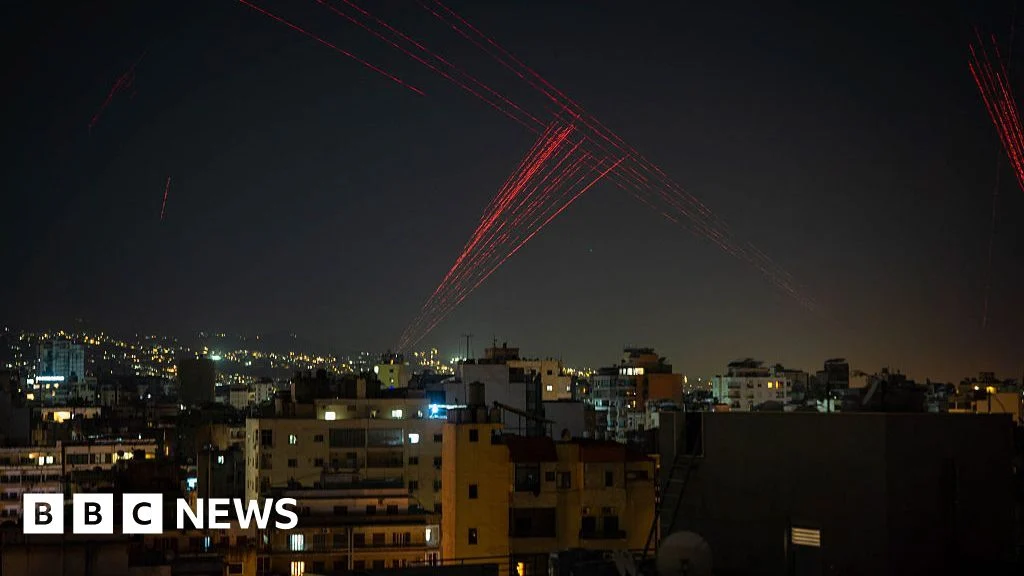
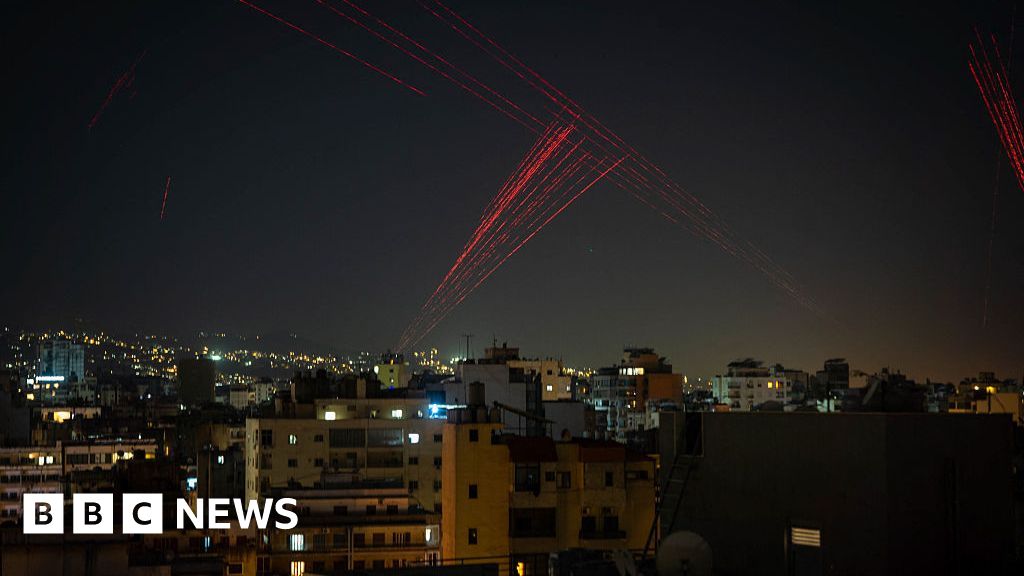
The immediate aftermath of the ceasefire taking effect was met with a mix of celebration and apprehension. In Beirut’s southern suburbs, traditionally a stronghold for Hezbollah, residents marked the truce with celebratory gunfire into the night sky, a potent symbol of both relief and the underlying tensions that continue to simmer. However, the absence of Hezbollah from the direct negotiations and its conditional acceptance of the truce underscore the complexities inherent in achieving a lasting peace in the volatile region. President Trump, while not mentioning the group in his initial statement, later urged Hezbollah to "act nicely and well during this important period of time" in a post on Truth Social, acknowledging the group’s critical influence on the ground.
Terms of the Temporary Truce and Diplomatic Outreach
According to details released by the US State Department, the ceasefire is slated to last for ten days, with an explicit provision for extension "by mutual agreement" should negotiations demonstrate tangible progress. The agreement is framed by Israel as a "gesture of goodwill" designed to facilitate "good-faith negotiations towards a permanent security and peace agreement" between the two historical adversaries. This phrasing suggests a strategic move by Israel to present itself as a party genuinely seeking de-escalation, even as it maintains a robust defensive posture.
Following the ceasefire declaration, President Trump extended invitations to Israeli Prime Minister Benjamin Netanyahu and Lebanese President Joseph Aoun to convene at the White House for further discussions. This invitation signals a proactive US diplomatic effort to capitalize on the current lull in fighting, aiming to transform a temporary cessation of hostilities into a more enduring framework for stability. The prospect of direct talks between the leaders in Washington, which saw rare face-to-face engagements earlier this week aimed at de-escalating the war, offers a glimmer of hope for a region long plagued by conflict.
Reactions from Key Players: Hope Mixed with Caution
The ceasefire announcement elicited a range of reactions from regional and international stakeholders, largely welcoming the pause in violence while acknowledging the arduous path ahead.
Israeli Prime Minister Benjamin Netanyahu hailed the truce as an "opportunity to make a historic peace agreement," a sentiment that, while optimistic, is tempered by his government’s continued insistence on security prerogatives. His commitment to maintaining a 10km-deep (6.2 mile) "security zone" in southern Lebanon, with the unequivocal declaration, "We are there, and we are not leaving," highlights Israel’s non-negotiable security demands. This buffer zone, re-established after Hezbollah strikes in early March, is viewed by Israel as essential to "block the danger of invasion" and protect its northern communities.
Lebanese Prime Minister Nawaf Salam expressed hope that the agreement would enable the return of displaced citizens to their homes, signaling the severe humanitarian impact of the recent conflict. The widespread displacement of populations in southern Lebanon, coupled with significant infrastructure damage, has created an urgent humanitarian crisis that the ceasefire aims to alleviate. President Joseph Aoun, representing the official Lebanese government, has yet to provide extensive public commentary beyond his acceptance of the White House invitation, reflecting the delicate balancing act required to manage the internal dynamics of Lebanon, particularly concerning Hezbollah.
Hezbollah, the formidable non-state actor with significant political and military sway in Lebanon, signaled its willingness to participate in the ceasefire. However, its acceptance came with crucial conditions: a "comprehensive halt to attacks" across Lebanon and "no freedom of movement for Israeli forces." This stipulation underscores Hezbollah’s assertion of sovereignty over Lebanese territory and its rejection of any Israeli military presence or operational freedom within Lebanon’s borders, even as Israel insists on its buffer zone. The group’s unique position, deeply embedded in Lebanon but distinct from its official security apparatus, makes its compliance a critical, yet complex, factor in the truce’s sustainability.
Internationally, the ceasefire was widely applauded. Iran’s foreign ministry, through spokesperson Esmail Baghaei, welcomed the ceasefire and expressed "solidarity" with Lebanon. This statement comes after previous disagreements on whether Lebanon was included in an earlier, separate two-week ceasefire between Iran and the US, a deal Israel had denied included Lebanon. The UN Secretary-General António Guterres commended the US for its facilitative role and urged all parties to "fully respect" the terms of the truce and "comply with international law at all times." European leaders also voiced their support, with European Commission President Ursula von der Leyen calling the deal a "relief" and reiterating Europe’s call for "full respect of Lebanon’s sovereignty and territorial integrity." EU foreign policy chief Kaja Kallas emphasized the need to use the ceasefire to "step back from the violence" and create space for talks leading to "a more lasting peace."
The Six-Week Escalation: A Chronology of Conflict and Diplomacy
The recent six-week conflict that led to this ceasefire was a direct spillover of broader regional tensions, primarily stemming from the ongoing war between the US and Israel against Iran.
- Early March 2026: The current cycle of escalation began. Following US and Israeli strikes on Iran, Tehran retaliated against US allies in the Gulf and through its proxies, including Hezbollah in Lebanon.
- March 2, 2026: Israel launched strikes on Lebanon in response to initial attacks by Hezbollah. This marked the official re-entry of Israeli forces into southern Lebanon, leading to the establishment of the controversial buffer zone.
- Throughout March and early April: Daily cross-border exchanges of fire intensified. Hezbollah attacks claimed the lives of two civilians in Israel, while Israeli authorities reported 13 Israeli soldiers killed in combat in Lebanon. The conflict also saw significant Lebanese civilian casualties and displacement, though precise figures remain contested.
- Prior Ceasefire Attempts: Earlier in the conflict, there were mixed messages regarding Lebanon’s inclusion in a US-Iran ceasefire deal. Pakistani officials, who mediated that agreement, and Iranian officials asserted Lebanon was covered, but Israel and US President Trump’s press secretary, Karoline Leavitt, denied it, prolonging the conflict on the Israel-Lebanon front.
- April 11, 2026 (approx.): Israel and Lebanon held rare direct talks in Washington, aimed at de-escalating the conflict. These discussions laid the groundwork for the current ceasefire.
- April 16, 2026 (Thursday): A critical development occurred when the Israeli military destroyed the last bridge linking southern Lebanon to the rest of the country. This act further isolated the region, sparking renewed fears among many Lebanese of a long-term occupation of their territory, intensifying the urgency for a truce.
- April 16, 2026 (Evening EST): President Trump announced the 10-day ceasefire, which took effect at midnight local time. Reports indicated that Prime Minister Netanyahu convened a security cabinet meeting with just five minutes’ notice shortly before the announcement, with leaks suggesting ministers were not given a vote on the ceasefire, highlighting the swift and top-down nature of the decision.
Humanitarian Crisis and the Shadow of Displacement
The six weeks of intense fighting have had a devastating impact on civilian populations on both sides of the border, but particularly in southern Lebanon. Israeli military operations, including airstrikes and ground incursions, have led to significant damage to homes, infrastructure, and agricultural lands. The destruction of the vital bridge connecting southern Lebanon to the north has exacerbated the humanitarian situation, restricting movement, trade, and access to essential services for thousands of residents.
Tens of thousands of Lebanese civilians have been displaced from their homes in border villages, seeking refuge further north, often in already strained urban areas. The Lebanese government and various humanitarian organizations have struggled to provide adequate support, facing resource limitations and the ongoing economic crisis gripping the nation. The hope expressed by Prime Minister Salam for the return of these displaced communities underscores the immediate human dimension of the ceasefire’s success. While the ceasefire offers a temporary reprieve, the long-term recovery and reconstruction efforts will require substantial international assistance and sustained peace.
Broader Regional Implications: Iran’s Influence and Geopolitical Chessboard
The conflict between Israel and Hezbollah, and by extension between Israel and Lebanon, cannot be isolated from the broader geopolitical dynamics of the Middle East. Hezbollah functions as a crucial proxy for Iran, a cornerstone of its "axis of resistance" against Israel and US influence in the region. The group receives significant financial, military, and logistical support from Tehran, enabling it to maintain a formidable arsenal of rockets and advanced weaponry.
The six-week exchange of fire was largely a consequence of the wider US-Israel-Iran confrontation. When direct US and Israeli strikes targeted Iran, the retaliation through proxies like Hezbollah was an expected, though devastating, response. This interconnectedness means that any lasting resolution between Israel and Lebanon will inevitably be influenced by, and in turn influence, the larger regional power struggle. The US’s role in brokering this ceasefire, therefore, extends beyond merely de-escalating a localized conflict; it is a critical attempt to manage a complex web of alliances and antagonisms that define the contemporary Middle East. The durability of this truce will likely be seen as a test of the effectiveness of indirect diplomacy involving Iran and its proxies.
Challenges and Prospects for Lasting Peace
While the 10-day ceasefire offers a much-needed pause, the path to a permanent security and peace agreement is fraught with significant challenges.
- Hezbollah’s Autonomy: The militant group’s independent military and political decision-making, separate from the Lebanese state, complicates any comprehensive agreement. Its conditions for the truce, particularly regarding Israeli troop movement, are at odds with Israel’s security imperatives.
- Israel’s Buffer Zone: Netanyahu’s unwavering commitment to the 10km "security zone" in southern Lebanon is a major point of contention. From a Lebanese perspective, this constitutes an occupation and a violation of its sovereignty, potentially undermining the "good-faith negotiations" Israel claims to seek. Historical precedents, such as Israel’s previous occupation of southern Lebanon until 2000 and the 2006 war, loom large, with the previous ceasefire deal between Israel and Hezbollah still seeing near-daily cross-border strikes.
- Sovereignty vs. Security: Reconciling Lebanon’s demand for full territorial sovereignty with Israel’s non-negotiable security requirements will require innovative diplomatic solutions and significant concessions from both sides. The role of the United Nations Interim Force in Lebanon (UNIFIL), stationed in the south to monitor the border, could be revisited or strengthened in any future arrangements, drawing lessons from UN Security Council Resolution 1701 which ended the 2006 war and outlined a framework for southern Lebanon.
- Regional Instability: The broader US-Iran-Israel dynamic constantly threatens to re-ignite localized conflicts. A durable peace between Israel and Lebanon requires a degree of regional stability that is currently elusive.
- Trust Deficit: Decades of conflict have built a deep reservoir of mistrust. Overcoming this will require sustained diplomatic engagement, robust international guarantees, and tangible actions that demonstrate commitment to peace from all parties.
The invitation to the White House represents a crucial opportunity to build on this fragile truce. However, without addressing the fundamental issues of Lebanese sovereignty, Israeli security, and Hezbollah’s future role, this 10-day ceasefire risks being just another temporary calm before the next storm. The international community, led by the United States, will need to exert considerable diplomatic pressure and provide substantial support to transform this moment of de-escalation into a genuine pathway towards a more stable and peaceful future for both Israel and Lebanon.