
Swiss filmmaker Jacqueline Zünd brings a visceral, provocative examination of climate change’s human toll to the forefront with her new documentary, Heat, set to premiere at the prestigious 57th edition of the Visions du Réel (VdR) documentary festival in Nyon, Switzerland, on April 20th. This marks a significant step for Zünd, known for her insightful work in documentary filmmaking, including titles like Where We Belong, Almost There, and Goodnight Nobody. Heat follows her fiction feature debut, Don’t Let the Sun, which premiered at the Locarno Film Festival last year, further cementing her exploration of how external environmental pressures profoundly shape our internal landscapes.
The film’s selection for the international feature film competition at VdR, a festival renowned for showcasing groundbreaking and artistically ambitious documentaries, underscores its anticipated impact. VdR opens on Friday, April 17th, and will run through April 26th, providing a platform for Heat to engage with a global audience and industry professionals.
A Visceral Descent into Extreme Conditions
Heat plunges viewers into the searing reality of the Persian Gulf, a region where temperatures routinely exceed 50 degrees Celsius (120 degrees Fahrenheit). The film’s premise, as highlighted in its press notes, is to explore how this extreme heat transcends mere weather and becomes a potent force that fundamentally shapes human existence. Zünd’s directorial approach is described as highly stylized, employing evocative imagery and sound design to immerse the audience in the overwhelming intensity of the environment.
The documentary aims to "melt layers to reveal what lies beneath the climate crisis, within human beings," pushing beyond a superficial understanding of environmental challenges to investigate their deep-seated impact on character, economic structures, and the exacerbation of social inequalities. This focus on the psychological and sociological ramifications of climate change distinguishes Heat as a compelling and timely work.
The film is produced by Louis Mataré of Lomotion AG, with co-production support from Real Film GmbH. The cinematography is helmed by Nikolai von Graevenitz, and the editing by Gion-Reto Killias, whose collaborative efforts are expected to contribute significantly to the film’s unique aesthetic and narrative impact.

Illuminating Contrasts: From Ice Bars to Climate Warnings
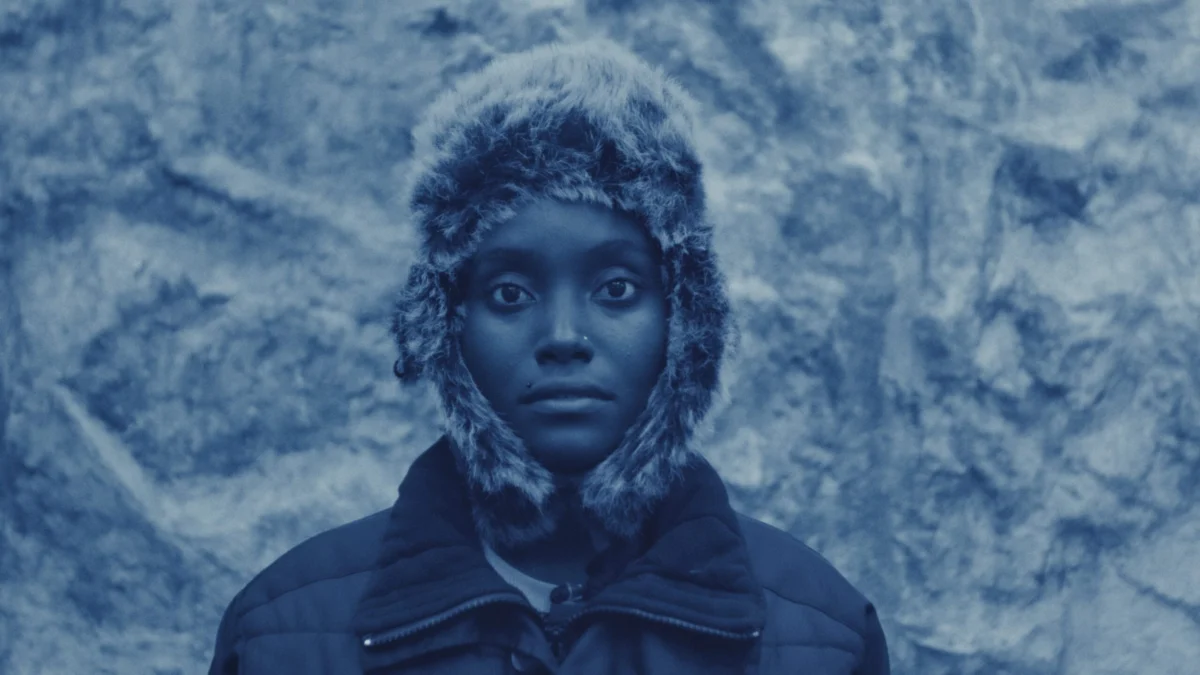
Heat introduces audiences to compelling individuals whose lives are directly impacted by the region’s extreme climate. Among them is Sophy, a young Kenyan woman working in a Dubai ice bar, a stark symbol of the artificial cool havens created for the affluent amidst soaring temperatures. In contrast, the film features Essa, a meteorologist in Kuwait, who grapples with the challenge of sounding the alarm on climate realities in a society potentially resistant to such warnings. These narratives highlight the profound social and economic divisions amplified by climate change, where access to comfort and safety is increasingly dictated by wealth.
The Director’s Vision: Cinematic Mirage and Tangible Experience
Jacqueline Zünd articulates a deliberate artistic intent for Heat, stating, "I want to translate heat visually without illustrating it, without falling for cliché images; I’m looking for a kind of cinematic Fata Morgana." This desire to evoke the disorienting and elusive nature of extreme heat, rather than simply depict it, suggests a film that operates on a more abstract and sensory level. Zünd’s pursuit of a "cinematic Fata Morgana" points to a visual language that captures the psychological effects of heat – the vertigo, the distortion of perception, and the blurring of reality.
Producer Mataré lauds Zünd’s ability to weave "societal relevance with a striking aesthetic," emphasizing how her protagonists imbue themes of social inequality with "emotional depth, highlighted through visually stunning contrasts." He further notes that Heat incorporates techniques from Zünd’s previous works, such as structuring narratives around a single day and employing inner voices, suggesting a consistent thematic and stylistic thread in her filmmaking.
A Companion Piece to "Don’t Let the Sun"
Zünd views Heat as a natural extension and companion piece to her fiction feature Don’t Let the Sun. She explains that during the research for her fictional film, she encountered a wealth of material that resonated deeply but didn’t fit within the narrative structure of a fictional story. This overflow of compelling insights inspired the creation of a documentary that could explore these themes more directly. The symbiotic relationship between the two films allowed for a dynamic exchange of ideas and elements, with Zünd noting the "startling" moments when details from the fiction were reflected in real-life observations.
Amplifying Disparities: Heat as a Social Magnifying Glass
The impact of rising temperatures on human relationships and inner lives is a central focus of both films. In Heat, Zünd observes how the climate acts as a "magnifying glass, amplifying and intensifying character traits, moods, and emotions, but first and foremost, economic and social disparities." The stark contrast between the privileged, who can retreat into air-conditioned enclaves, and those forced to endure the heat, particularly migrant workers laboring outdoors, becomes a critical theme.

This dichotomy is particularly pronounced in the Arabian Gulf, where the film is set. The press notes and Zünd’s interviews reveal that migrant workers often face the brunt of extreme heat, with heatstroke deaths occurring annually but frequently unacknowledged or underreported. This systemic vulnerability highlights how climate change exacerbates existing social injustices and creates new forms of hardship.
A Sensory Approach to Climate Realities
Rather than opting for a traditional documentary format featuring expert interviews and data-driven analysis, Zünd has deliberately chosen a more immersive and sensory approach for Heat. Her intention is to make the experience of heat cinematically tangible and experientially real for the audience. This aligns with her broader artistic interest, evident since her early film Goodnight Nobody, in making challenging conditions—like insomnia—tangible and relatable through film.
The visual and auditory strategies employed in Heat are designed to evoke the disorienting, overwhelming, and potentially destabilizing effects of extreme heat. This artistic choice aims to foster a deeper, more empathetic understanding of the human cost of climate change, moving beyond abstract data to visceral experience.
The Future of Zünd’s Work
While Heat delves deeply into the pressing issues of climate change and its human impact, Zünd indicates a need for a pause before embarking on further projects on similar themes. She expresses an intention to explore "other topics waiting" for her attention, suggesting a desire for thematic diversification in her future filmmaking endeavors.
Broader Implications and Context
The premiere of Heat at Visions du Réel arrives at a critical juncture for global discussions on climate change. As scientific consensus solidifies on the accelerating pace and escalating severity of climate impacts, films that offer nuanced and human-centered perspectives are increasingly vital. The Persian Gulf, chosen as the film’s setting, is a region experiencing some of the most rapid warming on the planet, making it a poignant microcosm for the broader global crisis.

The film’s focus on the intersection of climate change, social inequality, and labor rights is particularly relevant. Reports from organizations like the International Labour Organization (ILO) consistently highlight the disproportionate impact of climate change on vulnerable populations, including migrant workers, who often have less agency and fewer resources to adapt to extreme weather conditions. The underreporting of heat-related deaths among this demographic, as alluded to in the article, points to a critical need for greater transparency and accountability.
The inclusion of Heat in the international competition at VdR is significant. The festival has a history of championing films that challenge conventional documentary forms and engage with urgent social and political issues. This platform will undoubtedly amplify the film’s message and contribute to the ongoing discourse surrounding climate change and its human consequences.
The exclusive trailer premiere of Heat offers a glimpse into the film’s potent visual style and thematic intensity. The imagery, described as potentially evoking a "cinematic Fata Morgana," suggests a film that will be as artistically compelling as it is thematically urgent. The trailer’s promise of "sand and sun, but without much fun" and the question posed to viewers – "Is that a mirage?" – underscore the film’s intent to provoke thought and challenge perceptions. The caution advised for viewers hints at the film’s powerful and potentially unsettling portrayal of the realities of a warming world.
Heat is poised to be a significant contribution to the cinematic landscape, offering a powerful and artistically bold exploration of how the escalating climate crisis is not just an environmental issue, but a deeply human one, shaping our inner lives, exacerbating inequalities, and demanding our urgent attention.