

The automotive industry is currently navigating a significant aesthetic and functional pivot as manufacturers reconsider the dominance of touchscreens in favor of physical switchgear. For more than a decade, the trend toward "glass cockpits"—interiors dominated by large, centralized liquid crystal displays (LCDs)—has been the hallmark of modern vehicle design. However, leading design experts and major manufacturers are now signaling a return to analogue interfaces, arguing that tactile controls are becoming a primary way for brands to differentiate themselves in an increasingly digitized market.
Luke Miles, the founder of the design firm NewTerritory, suggests that the industry is approaching a tipping point where the novelty of the touchscreen is being replaced by a renewed appreciation for "high-value" physical interactions. Miles, whose career includes high-level design roles at LG Europe and Virgin Atlantic, argues that while screens are cost-effective and upgradable, their over-implementation can represent a "lazy intervention" in the design process. As vehicles become more autonomous and software-driven, the physical touchpoints—the buttons, dials, and levers—will serve as the emotional and sensory bridge between the machine and the human user.
The Evolution of the Digital Cabin: A Brief Chronology
The shift toward touchscreen-heavy interiors began in earnest around 2012, catalyzed by the launch of the Tesla Model S, which replaced traditional center-console buttons with a massive 17-inch vertical display. This design philosophy was quickly adopted across the industry for several reasons: it reduced manufacturing complexity, lowered the cost of physical parts, and allowed for over-the-air (OTA) updates that could change a car’s functionality long after it left the factory.
By 2018, even entry-level vehicles were being equipped with infotainment screens that housed essential functions such as climate control and volume adjustment. However, by 2022, consumer fatigue and safety concerns began to emerge. Drivers complained about the distraction of navigating multi-layered menus for simple tasks. In 2023, the tide began to turn officially when Volkswagen, one of the world’s largest automakers, publicly admitted that its move away from physical buttons had alienated its core customer base. This timeline suggests a decade-long cycle of digitization that is now being corrected by a move toward a "hybrid" interior.
The Philosophy of Positive Friction and Human Moments
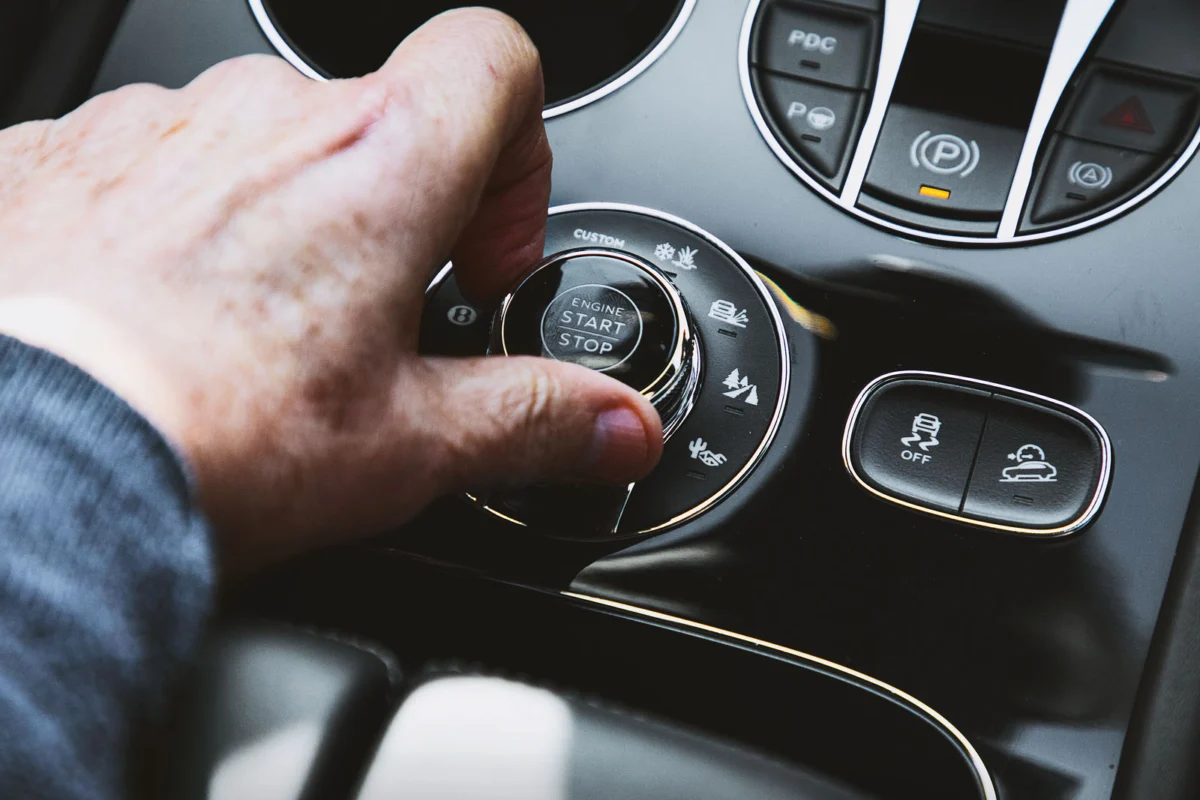
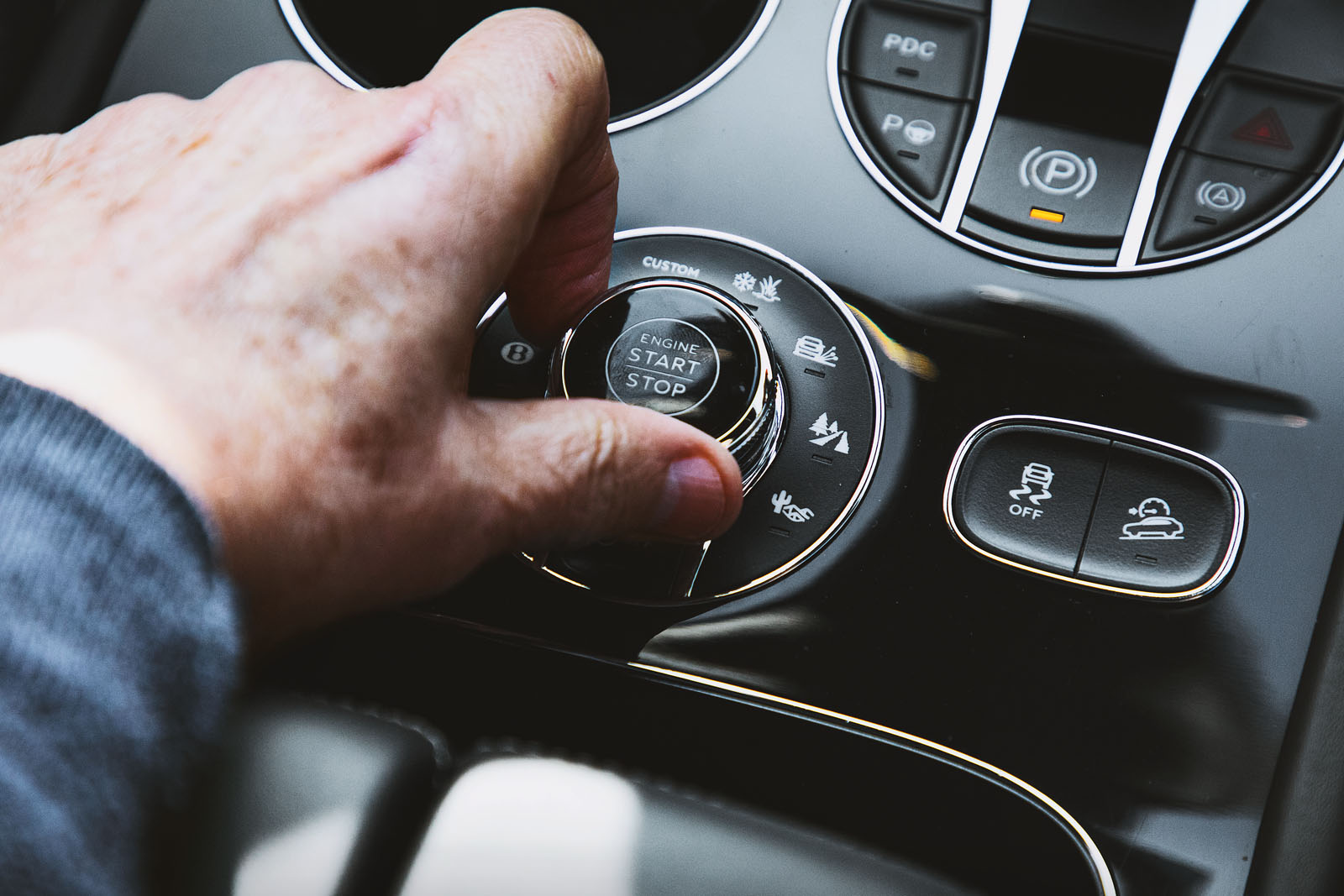
At the heart of this design reversal is the concept of "positive friction." In the context of user experience (UX) design, friction is usually seen as a negative—a barrier to completing a task. However, Luke Miles and NewTerritory argue that in a premium environment, certain types of friction are desirable. Physical controls provide haptic feedback that a smooth glass screen cannot replicate. The "click" of a well-weighted dial or the resistance of a metallic toggle switch provides a sense of quality and craftsmanship that reinforces a brand’s identity.
"You boil down the brand into these really beautiful, well-engineered, well-crafted human moments," Miles explained. These moments are defined by the sensory experience of interacting with a physical object. According to Miles, the feedback of a knurled surface or the precise mechanical engagement of a switch allows a driver to realize a vehicle has been "beautifully assembled." This tactile connection creates an emotional bond that software alone struggles to achieve.
NewTerritory’s entry into the automotive space follows years of experience in aviation, designing interiors for Delta and Virgin Atlantic. In the aviation industry, the balance between digital displays and physical overrides is a matter of safety and ergonomics. Miles suggests that cars are now entering a similar phase where "background technology"—such as voice activation, ambient illumination, and gesture control—can handle the heavy lifting of data management, allowing the "foreground" to be reserved for beautifully crafted physical interactions.
Safety Data and the Ergonomic Case for Buttons
The move back to physical controls is not merely a matter of aesthetics; it is increasingly backed by safety data and consumer research. A notable 2022 study by the Swedish automotive magazine Vi Bilägare compared the ease of use of physical buttons versus touchscreens across 12 different vehicles. The study found that in a car with a traditional button-heavy interface, drivers could perform four common tasks—such as adjusting the radio and climate control—in roughly ten seconds while traveling at highway speeds. In contrast, the same tasks took up to 45 seconds in vehicles with screen-only interfaces.
This "distraction gap" has caught the attention of safety regulators. Euro NCAP (the European New Car Assessment Programme), the region’s leading vehicle safety authority, has announced that starting in 2026, it will introduce new testing protocols that penalize vehicles lacking physical controls for critical functions. To achieve a maximum five-star safety rating, cars will be required to have physical buttons or stalks for turn signals, windshield wipers, hazard lights, and horn functions.
This regulatory shift is a direct response to the "screen-first" approach that required drivers to take their eyes off the road to perform basic safety maneuvers. The industry is now realizing that while screens are excellent for navigation and entertainment, they are sub-optimal for the high-frequency, "blind-touch" interactions required during driving.
Official Responses: The Volkswagen Pivot
Volkswagen serves as the most prominent example of a manufacturer course-correcting its interior strategy. Following the launch of the ID.3 and the Golf Mk8, the company faced significant criticism for its "touch sliders" and capacitive steering wheel buttons, which were often described as finicky and difficult to use at night due to a lack of backlighting.
Thomas Schäfer, the CEO of Volkswagen Passenger Cars, addressed these issues directly, stating that the previous shift away from physical buttons had done "a lot of damage" to the brand’s reputation for ergonomics. In response, Volkswagen has unveiled a new "premium haptic" concept. This design philosophy focuses on returning to high-quality rotary dials and tactile switchgear.
The upcoming ID.2all concept and the refreshed ID.3 are the first beneficiaries of this new direction. The revised interiors feature a backlit volume knob and a dedicated physical row for climate controls. This shift represents a broader industry acknowledgment that "innovation" should not come at the expense of usability. Other brands, such as Mazda and BMW, have also maintained or reintroduced physical controllers (like the BMW iDrive rotary knob), citing driver focus as a primary design pillar.
The Role of Voice and Gesture in the Shrinking Screen
As physical controls return to the foreground, the role of the screen is expected to evolve rather than disappear. Luke Miles predicts a future where voice activation and gesture controls become so sophisticated that the need for a massive central display diminishes. "Voice controls could mean the screen shrinks again," Miles noted. "You don’t necessarily need it [at all]."
In this envisioned future, the "background technology" handles complex tasks. A driver might say, "I’m feeling cold," and the AI-driven climate system adjusts the temperature, or a simple hand gesture might skip a music track. Because these tasks no longer require a visual interface, the dashboard can be reclaimed for high-quality materials—wood, leather, or milled aluminum—and the aforementioned "human moments" of physical interaction.
This approach allows manufacturers to blend digital capability with analogue beauty. A physical dial might have a small, high-resolution OLED screen embedded in its center, showing the temperature or a specific icon, combining the tactile joy of a mechanical part with the dynamic information of a digital one.
Broader Impact and Industry Implications
The return to physical controls has significant implications for the automotive supply chain and brand positioning. For much of the last decade, the "Tesla-fication" of car interiors led to a homogenization of design; almost every modern cabin looked like a variations of a tablet mounted on a dashboard. By reinvesting in bespoke switchgear, luxury and legacy automakers can reclaim a sense of heritage and distinctiveness.
For premium brands like Mercedes-Benz and Ford—both clients of NewTerritory—the tactile feel of a window switch or a drive-mode selector becomes a "micro-signature" of the brand. In an era where electric vehicle (EV) powertrains offer similar performance characteristics across different brands, the "feel" of the interior becomes one of the few remaining frontiers for brand differentiation.
Furthermore, this shift may impact the longevity and resale value of vehicles. While digital screens can become obsolete or suffer from "dead pixels" over a decade of use, well-made mechanical controls often endure. As the industry moves toward a more sustainable, circular economy, the durability of interior components will become a key selling point.
Conclusion: A New Era of Balanced Design
The automotive industry appears to be moving toward a "Post-Screen" era—not one where screens are absent, but one where they no longer dictate the entire user experience. The insights provided by designers like Luke Miles and the strategic pivots of companies like Volkswagen suggest that the future of the car cabin is one of balance.
By integrating voice and gesture as invisible assistants and elevating physical controls to the status of "crafted moments," manufacturers are attempting to solve the tension between modern technology and human ergonomics. This return to the analogue is not a step backward; rather, it is a sophisticated evolution that prioritizes the driver’s sensory experience and safety. As the industry looks toward 2030, the most luxurious and technologically advanced cars may not be the ones with the largest screens, but the ones that offer the most satisfying and intuitive physical connections.