


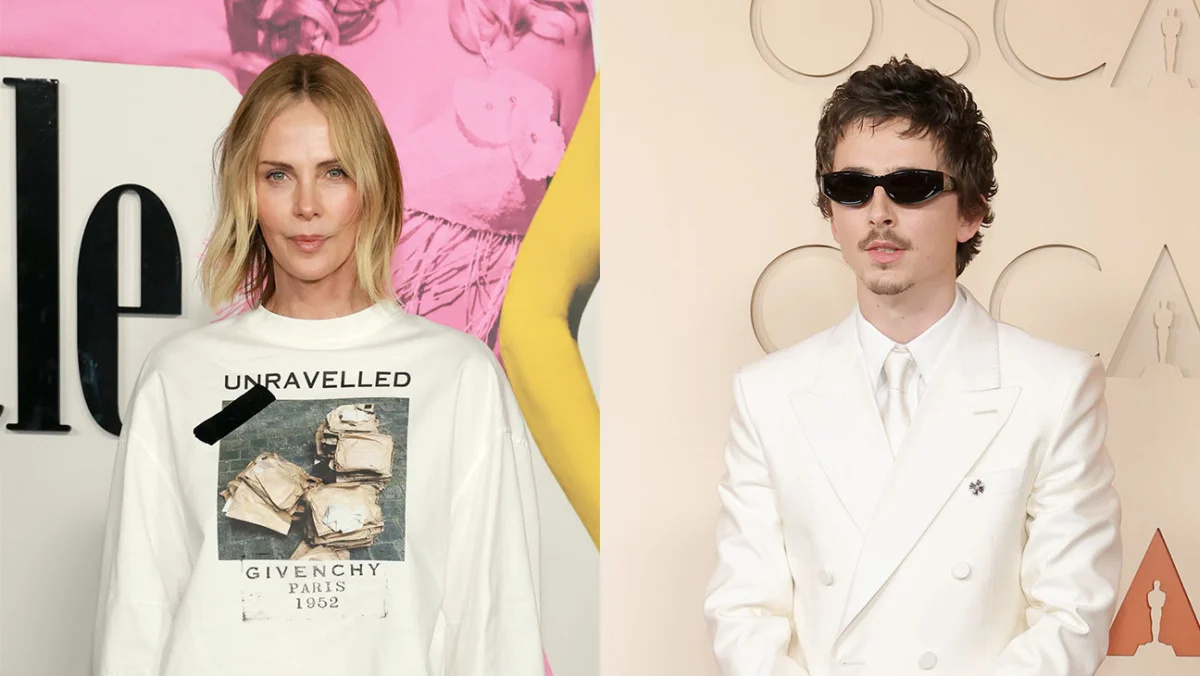
Charlize Theron, the Oscar-winning actress renowned for her intense physical performances and dedication to her craft, has publicly addressed and strongly criticized remarks made by emerging star Timothée Chalamet regarding ballet and opera. Theron, speaking in a candid interview with The New York Times, described Chalamet’s earlier comments as "very reckless," asserting that such dismissive attitudes undermine vital art forms that require immense dedication and skill. Her defense underscores a broader conversation about the perceived value and future of traditional performing arts in an era increasingly dominated by digital media and evolving entertainment consumption patterns.
Theron’s Personal Connection to Dance and Artistic Integrity
Theron’s passionate defense stems from her own profound experience with dance, which she pursued rigorously before transitioning into acting. She detailed the extreme physical and mental fortitude demanded by ballet, likening dancers to "superheroes" who endure grueling training in "complete silence." Her own journey, she revealed, was fraught with hardship, including frequent blood infections from unhealed blisters and the absence of rest days. "Dance taught me discipline. It taught structure. It taught hard work. It taught me to be tough. It’s borderline abusive," Theron stated, emphasizing the sheer resilience required to sustain such a demanding discipline. She recounted instances of "bleeding through your shoes," a stark illustration of the physical toll exacted by professional dance training. This daily commitment, she explained, cultivates an unwavering mindset of perseverance: "you don’t give up, there’s no other option, you keep going."
The actress’s strong stance was prompted by a reporter’s lighthearted remark referencing Chalamet’s prior statements. Theron’s response was direct and pointed, expressing a hope to "run into him one day" to convey her concerns. She articulated a clear concern about the cultural impact of belittling established art forms. "That was a very reckless comment on an art form, two art forms, that we need to lift up constantly because, yes, they do have a hard time," she emphasized. Theron then drew a striking parallel to the rise of artificial intelligence, suggesting that while AI might eventually replicate many human skills, it will never be able to substitute the live, human performance of a dancer on stage. "In 10 years, AI is going to be able to do Timothée’s job, but it will not be able to replace a person on a stage dancing live. And we shouldn’t [expletive] on other art forms," she declared, highlighting the irreplaceable essence of live human artistry.
The Genesis of the Controversy: Chalamet’s Remarks and Backlash
The friction originated in February during a town hall event hosted by Variety and CNN, featuring actor Matthew McConaughey. During the discussion, Chalamet was asked about the audience’s appetite for slower-paced films. In his response, he expressed reservations about engaging with an art form that "no one cares about," citing ballet and opera as examples. With a laugh, he remarked, "I don’t want to be working in ballet or opera where it’s like, ‘Hey! Keep this thing alive, even though no one cares about this anymore.’" He then humorously added, "All respect to the ballet and opera people out there… I just lost 14 cents in viewership. I’m taking shots for no reason."
These remarks quickly ignited a firestorm of criticism from various quarters. Members of the opera and ballet communities, as well as numerous other celebrities and cultural commentators, voiced their disapproval. The sentiment was that Chalamet, a prominent figure in contemporary cinema, had displayed a lack of appreciation for art forms that, while facing contemporary challenges, possess rich histories and significant cultural value. The perceived dismissiveness, particularly coming from a young artist at the height of his career, was seen as a disregard for the dedication, skill, and cultural legacy inherent in these disciplines.
The controversy even permeated the entertainment industry’s biggest night. At the Oscars ceremony last month, host Conan O’Brien incorporated the incident into his monologue. He quipped, "I’m told there are concerns about attacks from both the opera and ballet community," before playfully adding to Chalamet, "They’re just mad you left out jazz." This moment underscored how widely the comments had been discussed and the cultural resonance of the debate.
Supporting Data and Context: The Challenges Faced by Ballet and Opera
Theron’s assertion that ballet and opera "do have a hard time" is supported by observable trends and industry data. While these art forms boast centuries of history and have produced some of the world’s most iconic cultural works, they have historically grappled with issues of audience engagement, funding, and perceived relevance in a rapidly changing media landscape.
Audience Demographics and Engagement:
Historically, ballet and opera audiences have skewed older. While efforts are being made to attract younger demographics, this remains a persistent challenge for many institutions. Factors contributing to this include the perceived elitism of these art forms, the cost of tickets, and the accessibility of more contemporary entertainment options. Data from organizations like Opera America and Dance/USA often highlight these demographic trends and the ongoing efforts to broaden appeal through innovative programming and outreach initiatives. For instance, reports often cite statistics on average audience age and the percentage of ticket sales to patrons under 30, which frequently indicate room for growth.
Funding and Economic Realities:
Ballet companies and opera houses are often non-profit organizations that rely heavily on a combination of ticket sales, donations, government grants, and corporate sponsorships. Economic downturns, fluctuating philanthropic priorities, and the rising costs of production can create significant financial pressures. Many institutions operate on tight budgets, where even a slight dip in attendance or a reduction in funding can have substantial consequences for their ability to stage productions, pay artists, and invest in new works. The economic impact of the COVID-19 pandemic, for example, severely affected live performance venues globally, forcing many to innovate or face closure. Studies by arts advocacy groups frequently detail the economic contributions of these sectors and the challenges they face in maintaining financial stability.
Perception and Cultural Relevance:
In an era saturated with digital content, fast-paced narratives, and diverse forms of entertainment, the slower, often more abstract nature of ballet and opera can be perceived by some as less immediately engaging. The historical context, the specialized language, and the traditional performance styles can create barriers to entry for newcomers. However, proponents argue that these very qualities offer a unique depth, emotional resonance, and intellectual stimulation that is increasingly rare. Many companies are actively working to present works that are more contemporary, collaborate with diverse artists, and utilize modern technology to enhance the audience experience.
The Rise of AI and the Future of Art:
Theron’s prescient comment about AI highlights a significant contemporary debate. As artificial intelligence advances, its potential to generate art, music, and even scripts is becoming a reality. While AI can undoubtedly create impressive and innovative content, the fundamental question remains about the intrinsic value of human creativity, emotion, and lived experience in artistic expression. The raw, visceral, and often flawed human element is what connects audiences deeply to art. The physical commitment, the emotional vulnerability, and the shared experience of live performance are aspects that AI, by its very nature, cannot replicate. This distinction is crucial for understanding why art forms like ballet and opera, which are deeply rooted in human physicality and emotional expression, hold a unique and potentially enduring place in culture.
Broader Implications and Analysis
Charlize Theron’s intervention adds significant weight to the discourse surrounding the appreciation and preservation of traditional art forms. Her background as a dancer provides her with a unique and authoritative perspective, lending credibility to her defense. The exchange with Timothée Chalamet, while initiated by a seemingly casual remark, has inadvertently illuminated several critical issues:
Generational Divides in Artistic Appreciation:
The incident reflects a potential generational divide in how different art forms are perceived and valued. Younger generations, having grown up with a wider array of entertainment options and potentially less exposure to classical arts, may view them through a different lens. This underscores the importance of arts education and outreach programs that can introduce these disciplines to wider audiences from an early age.
The Role of Celebrities in Cultural Discourse:
The platform of a major Hollywood star like Theron carries substantial influence. Her direct rebuttal of Chalamet’s comments serves as a powerful advocacy for the arts she champions. It also highlights the responsibility that comes with public influence, urging celebrities to be mindful of their words and their potential impact on cultural perceptions.
The Enduring Value of Human Artistry:
Theron’s emphasis on the irreplaceable nature of live human performance, particularly in contrast to potential AI replication, speaks to a fundamental human need for connection and authentic expression. Ballet and opera, in their purest forms, are testaments to the human body’s capacity for storytelling and emotional conveyance, and the human voice’s power to convey profound narratives and melodies. These qualities, Theron implies, are not merely remnants of the past but are vital components of our cultural heritage and future.
The Need for Nuance and Respect:
The controversy serves as a reminder that while artistic evolution is necessary, dismissing established art forms with broad strokes can be detrimental. A more nuanced approach, one that acknowledges both the challenges and the inherent value of these disciplines, is crucial for fostering a robust and diverse cultural landscape. The art world, like society at large, benefits from inclusivity, understanding, and mutual respect across different forms of creative expression.
The Hollywood Reporter reached out to Chalamet’s representatives for comment on Theron’s remarks but did not receive a response by the time of publication. This ongoing dialogue, however, ensures that the conversation about the vitality and relevance of ballet and opera continues, amplified by prominent voices within the entertainment industry.