

Kyiv, Ukraine – The head of Ukraine’s patrol police, Yevhen Zhukov, has submitted his resignation in the wake of a deadly mass shooting in the capital that saw six people killed and 14 injured. The move comes amid intense public and official scrutiny over the alleged dereliction of duty by two officers who reportedly fled the scene, leaving civilians vulnerable during the Saturday rampage in Kyiv’s southern Holosiivskyi district. The incident, which has shocked a nation already reeling from ongoing war, has prompted a high-level criminal investigation and sparked a critical discussion about police accountability and public safety in wartime.
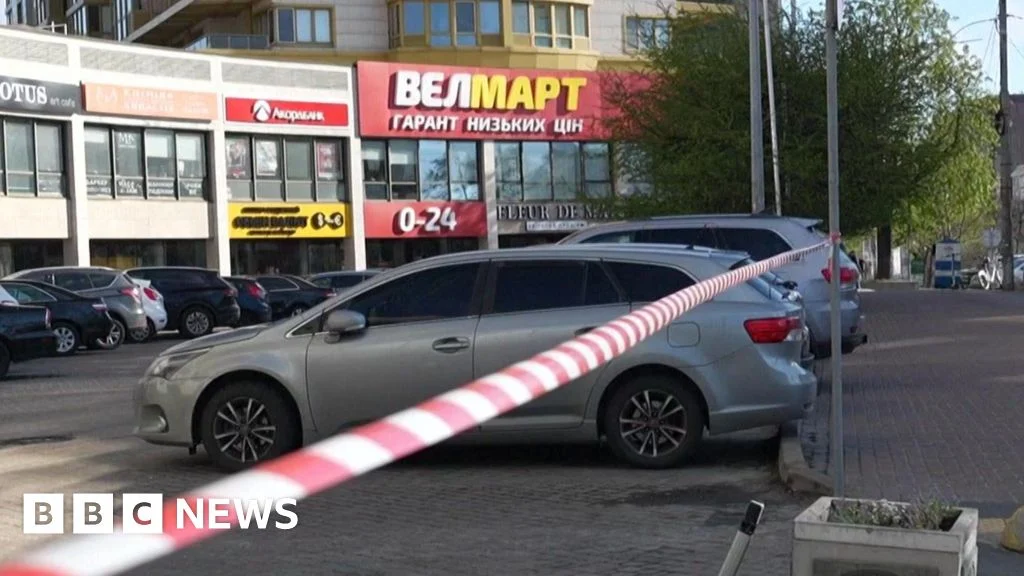
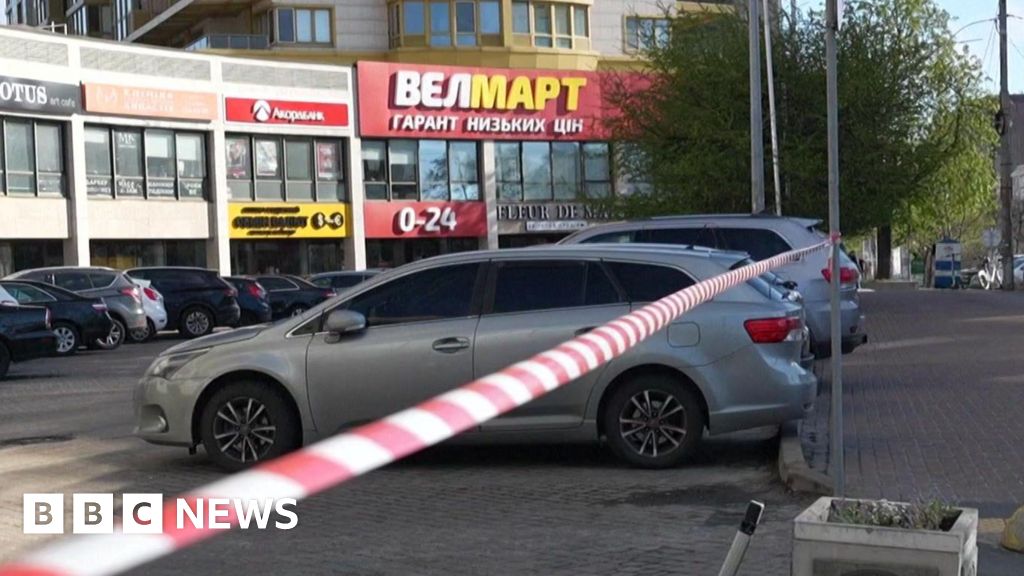
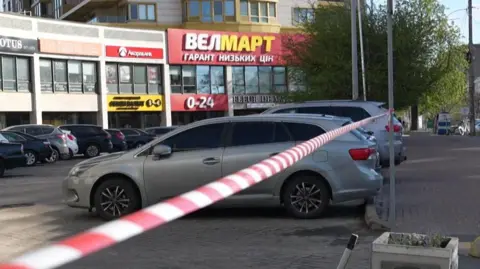
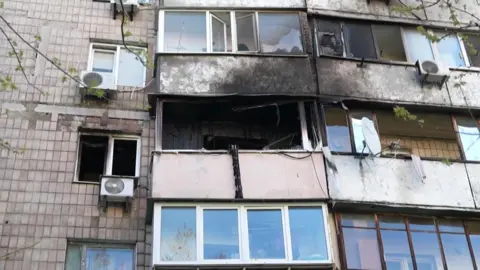
The tragic events unfolded on Saturday when a 58-year-old man, identified as a former resident of the Russian-occupied Donetsk region who had been living in Holosiivskyi, unleashed a torrent of violence. The perpetrator, whose mental state was later described by Interior Minister Igor Klymenko as "clearly unstable," first set fire to his own apartment before embarking on a shooting spree in the street. He then proceeded to take hostages in a nearby supermarket, escalating the crisis before he was ultimately killed in a shoot-out with responding police forces. The Ukrainian authorities are treating the heinous act as a terrorist act, though a definitive motive has yet to be publicly disclosed.
The Kyiv Massacre: A City Under Siege, Internally and Externally
The incident on Saturday, a rare occurrence of domestic mass violence in the capital, plunged the Holosiivskyi district into chaos. Residents, accustomed to the threat of Russian missile strikes and drone attacks, were confronted with a different, more intimate form of terror. The shooter’s actions were methodical and destructive, beginning with the deliberate torching of his apartment, an act that speaks to a disturbing level of premeditation or psychological distress. Eyewitness accounts described panic and confusion as the man opened fire indiscriminately on the street, turning an ordinary Saturday into a scene of carnage.
The transition from street shooter to hostage-taker in a supermarket further amplified the terror, trapping unsuspecting shoppers and staff. The rapid deployment of police and special forces units eventually led to a decisive, albeit tragic, confrontation where the assailant was neutralized. This swift, albeit delayed, police response brought an end to the immediate threat, but the aftermath left a community scarred and a nation questioning its internal security protocols.
The Aftermath: Casualties and Enduring Trauma
The human cost of the attack was devastating. Six individuals lost their lives, and 14 others sustained injuries, some critically. As of the latest reports, eight people remain hospitalized, with one adult in an "extremely serious condition" and three others listed as serious, highlighting the severe nature of their wounds. Among the deceased were a father and what is believed to be his child’s aunt, both victims of the indiscriminate violence, leaving behind a child who was also injured in the attack. These personal tragedies underscore the profound and lasting impact of such an event on families and the broader community, adding another layer of grief to a nation already accustomed to loss from external conflict. The psychological toll on survivors, witnesses, and first responders is immeasurable, contributing to a collective trauma that compounds the daily stresses of wartime existence.
Police Conduct Under Scrutiny: A Breach of Trust
The immediate aftermath of the shooting was marred by controversy surrounding the actions of two patrol officers. Footage, widely circulated online, purportedly showed the officers retreating from the scene while civilians remained in danger. This alleged failure to engage or protect became a focal point of public outrage and official condemnation. The images, stark and undeniable, presented a stark contrast to the heroism often expected of law enforcement, particularly in a country at war where courage and self-sacrifice are daily necessities.
The visual evidence of officers seemingly abandoning their posts sparked a fierce debate across social media and traditional news outlets, quickly becoming a symbol of potential systemic failures. For a nation where trust in institutions is paramount, especially during conflict, this alleged lapse in duty struck a particularly painful chord. The incident immediately raised questions about training, protocols for active shooter situations, and the fundamental commitment of officers to their oath.
Leadership Takes Responsibility: Zhukov’s Resignation
In a significant development, Yevhen Zhukov, the head of Ukraine’s patrol police, swiftly took responsibility for the actions of his subordinates, tendering his resignation on Sunday. During a news conference, Zhukov stated that the officers had "failed to assess the situation properly and left civilians in danger," describing their actions as "unprofessionally and unworthily." His decision, he explained, was made "as a combat officer," indicating a profound sense of personal and professional accountability. This act of resignation, while a solemn admission of failure, also served as a powerful statement about the standards expected within Ukraine’s law enforcement hierarchy, particularly during a period of national struggle. Zhukov’s departure underscores the gravity with which the incident is being treated at the highest levels of Ukrainian governance and law enforcement.
Official Reactions and Investigations: A Unified Condemnation
The response from Ukraine’s top officials was immediate and unequivocal. Interior Minister Igor Klymenko confirmed the suspension of the officers in question, announcing a thorough investigation into their conduct. Klymenko emphasized the core tenet of police service, stating, "’Serve and protect’ is not just a slogan. It must be supported by appropriate professional actions. Especially at critical moments, when people’s lives depend on it." While condemning the officers’ actions, he also cautioned against generalizing, reminding the public that "it is not entirely correct to make generalisations about the entire police only by the actions of two employees."
President Volodymyr Zelenskyy, in a Sunday update, directly addressed the incident, stating that the two officers had been "at the scene of the crime, but did not stop the murderer, and fled on their own." He accused them of "inaction" and revealed that a criminal case, handled by Ukraine’s National Investigations Bureau, would not only examine the specific incident but also review their previous work history. Zelenskyy underscored the emotional toll of such domestic tragedies amid the ongoing war, remarking, "We are going through a war and every day, unfortunately, there are human losses from Russian strikes. It is especially painful to lose people like this, in an ordinary city, just on the street." This unified stance from the nation’s leadership highlights the seriousness of the breach of public trust and the commitment to uphold the highest standards for law enforcement, even under the extraordinary pressures of war.
The Perpetrator: Unraveling a Troubled Past
Details emerging about the shooter paint a picture of a troubled individual with a complex background. The 58-year-old man was originally from Moscow, Russia, but had resided in Kyiv’s Holosiivskyi district prior to the shooting. Significantly, Ukrainian officials revealed that he had previously lived in the eastern Donetsk region, much of which has been under Russian occupation or subject to separatist conflict long before Moscow’s full-scale invasion in 2022. This geographic history, linking him to areas of prolonged conflict and instability, adds a layer of speculation regarding his psychological state and potential grievances, though no direct motive has been established.
Investigators have confirmed that the firearm used in the attack was officially registered. This fact has prompted a separate line of inquiry into how the shooter obtained the necessary documents to renew his license, particularly given the assessment of his "clearly unstable" mental state. The intersection of his mental health, his background in a conflict zone, and the legal acquisition of a weapon forms a critical component of the ongoing investigation, aiming to understand the confluence of factors that led to such a devastating outcome.
Motive and Classification: A Terrorist Act Amidst Uncertainty
The Ukrainian authorities’ classification of Saturday’s shooting as a terrorist act signifies the profound impact and intent attributed to the assailant’s actions, even without a clear political or ideological motive yet identified. Interior Minister Klymenko’s assessment of the man’s mental state as "clearly unstable" suggests that while the act itself may have been a manifestation of severe psychological disturbance, its indiscriminate nature and the resulting widespread fear align with the operational definition of terrorism. This classification allows for a broader scope of investigation, potentially involving national security agencies, and reflects the state’s resolve to treat such egregious acts with the utmost seriousness, regardless of the perpetrator’s ultimate motivations. The absence of an immediate, discernible motive leaves a chilling void, contributing to the public’s unease and emphasizing the unpredictable nature of internal threats, even as the nation battles an external aggressor.
Broader Context: Gun Ownership in Wartime Ukraine
The mass shooting in Kyiv has inevitably brought Ukraine’s gun laws and policies into sharp focus. While Kyiv is frequently targeted by Russian aerial attacks, street shootings of this nature are exceedingly rare, making Saturday’s events an anomaly that demands closer examination. Ukrainian citizens are permitted to own non-automatic firearms, provided they meet strict licensing conditions, including a clean criminal record and no history of mental illness. This regulatory framework aims to balance individual rights with public safety.
However, the context of the ongoing full-scale invasion by Russia has significantly altered the landscape of gun ownership and carry. Since February 2022, Ukrainians have been granted expanded rights to carry weapons for self-defense and national resistance, a policy enacted to empower the civilian population in the face of an existential threat. This wartime measure, while crucial for national defense, also introduces complexities regarding internal security and the proliferation of firearms.
Interior Minister Klymenko, in a nuanced statement, affirmed the right to armed self-defense, noting the experience at the beginning of the full-scale invasion when civilians received weapons for national resistance. Consequently, he indicated that there would not be a mass check of gun owners following the shooting, signaling a commitment to maintaining existing rights while presumably reinforcing scrutiny over the licensing process itself. A 2023 small arms survey suggested that only around 3.4% of Ukrainian adults owned their own gun, indicating that despite the wartime relaxations, widespread civilian gun ownership is not the norm. The incident, therefore, poses a critical challenge: how to uphold the right to self-defense in a nation at war while simultaneously preventing such weapons from falling into the wrong hands or being used by individuals with severe psychological issues.
Implications for Public Trust and Law Enforcement
The events of Saturday and the subsequent fallout carry significant implications for public trust in law enforcement and the broader stability of Ukrainian society. In a country where the police are expected to be a bulwark against both internal crime and external aggression, the alleged failure of officers to protect civilians during a critical incident can erode confidence at a moment when national unity and trust in state institutions are paramount. The swift actions by Zhukov, Klymenko, and Zelenskyy to address the issue demonstrate a clear understanding of this fragility and a commitment to restoring faith.
The criminal investigation into the two officers will undoubtedly scrutinize not just their actions on that day, but also the training they received, the protocols in place, and the culture within the patrol police. It serves as a stark reminder of the immense pressures faced by law enforcement officers in a wartime environment, but also of the unyielding expectations of their duty to protect. This incident, while tragic, may also catalyze further reforms and strengthen accountability mechanisms within Ukraine’s police force, ensuring that the motto "Serve and protect" is not merely a slogan but a deeply ingrained principle upheld by every officer.
As Kyiv continues to navigate the complexities of war, this internal tragedy adds another layer of challenge. The ongoing investigations into the shooting, the perpetrator’s background, and the conduct of the police officers will be crucial in understanding the full scope of the incident and in implementing measures to prevent future occurrences. The city, accustomed to resilience in the face of external threats, now grapples with the painful reality of violence from within, reinforcing the need for constant vigilance and unwavering commitment to public safety and justice.