


For over fifteen years, a persistent question has eluded scientists: how does a potent toxin, secreted by a ubiquitous gut bacterium, breach the defenses of colon cells to initiate damage? Today, a groundbreaking discovery by a multi-institutional team, spearheaded by researchers at the Johns Hopkins Kimmel Cancer Center Bloomberg~Kimmel Institute for Cancer Immunotherapy and the Johns Hopkins University School of Medicine, has not only solved this enduring enigma but has also illuminated a novel strategy to potentially thwart the toxin’s detrimental effects, including its contribution to colorectal cancer. The findings, published in the prestigious journal Nature, reveal that the toxin, known as BFT (Bacteroides fragilis toxin), produced by the common gut bacterium Bacteroides fragilis, must first establish a critical connection with a specific host protein, claudin-4, before it can inflict injury upon colon cells.
This pivotal research, partially funded by the National Institutes of Health, represents a significant leap forward in understanding the intricate molecular warfare waged within the human gut. "We have dedicated considerable effort over the years to pinpointing this receptor, making this a truly exhilarating moment," stated senior author Dr. Cynthia Sears, the Bloomberg~Kimmel Professor of Cancer Immunotherapy and professor of medicine at Johns Hopkins. "A deeper comprehension of bacterial toxin mechanisms holds immense potential for developing innovative diagnostic and therapeutic approaches for a spectrum of associated diseases, ranging from severe diarrhea and bloodstream infections to the insidious progression of colorectal cancer."
The Hidden Receptor: A Gateway for Gut Toxin
The implications of this discovery are far-reaching, already inspiring the development of a promising new method to neutralize the toxin’s destructive capabilities. In preclinical studies involving animal models, researchers have successfully engineered a molecular decoy that effectively intercepted BFT, preventing it from causing damage to the colon.
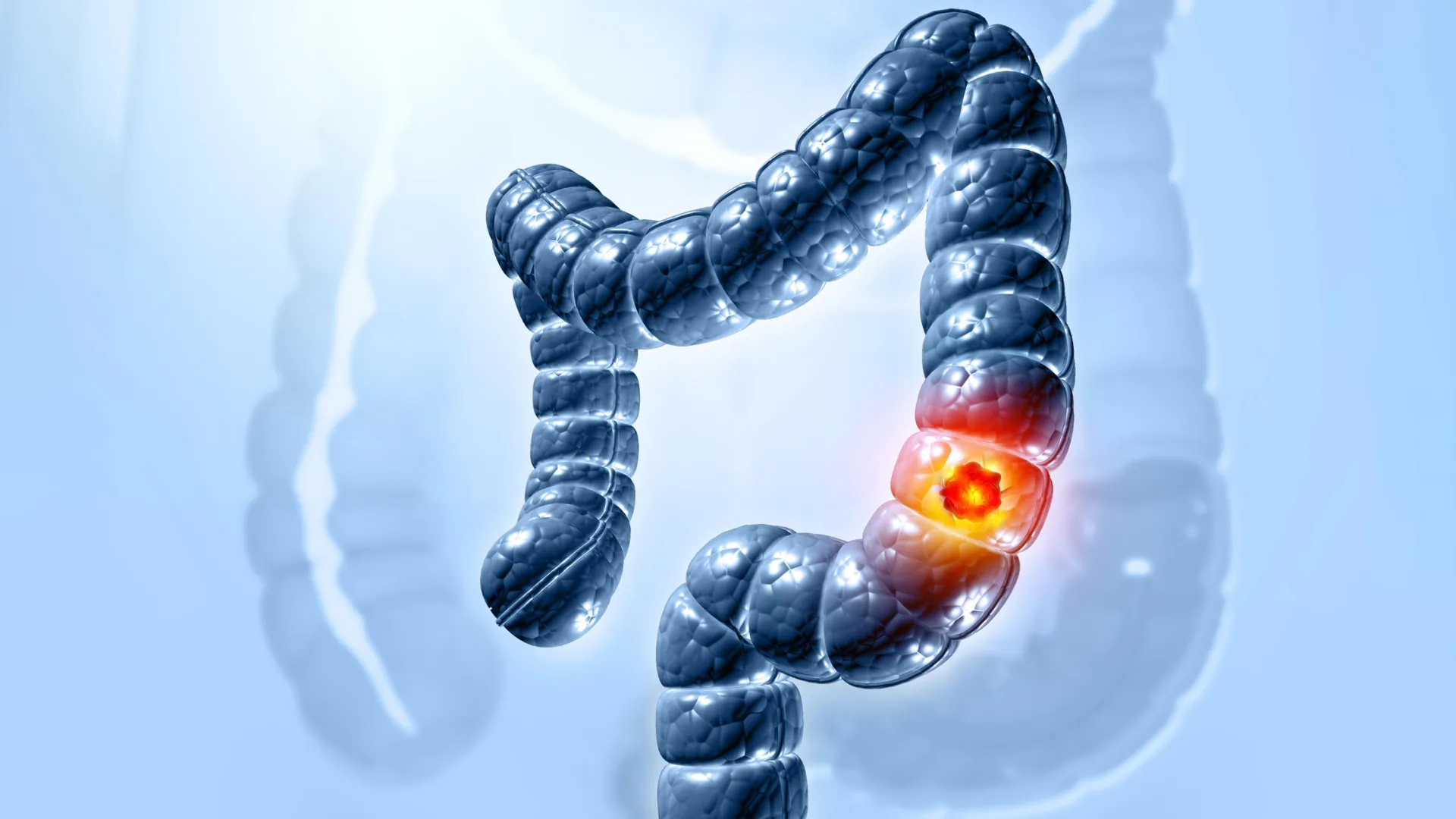
Bacteroides fragilis is a common inhabitant of the human gut, found in as many as 20% of healthy individuals. However, certain strains of this bacterium possess the ability to trigger chronic inflammation in the colon, a condition that has been strongly linked to the promotion of tumor growth. Previous foundational research emanating from Dr. Sears’ laboratory had already established that BFT plays a crucial role in inducing this chronic inflammation by cleaving E-cadherin, a vital protein responsible for maintaining the integrity and protective barrier function of the colon lining. That earlier work, published in Nature Medicine, further demonstrated a direct correlation between the toxin’s activity and the development of colon tumors.
Despite these significant findings, a critical piece of the puzzle remained elusive: BFT did not appear to directly bind to E-cadherin itself. This observation strongly suggested that an intermediary molecule must be involved, acting as a crucial conduit for the toxin to gain access to its ultimate target.
CRISPR Screen Unveils the Crucial Link: Claudin-4
To identify this missing link, a sophisticated, genome-wide CRISPR screening effort was undertaken. Led by Maxwell White, an M.D./Ph.D. candidate in Dr. Sears’ lab, and conducted in close collaboration with the laboratory of Dr. Matthew Waldor at Harvard Medical School, the study systematically disabled individual genes within colon epithelial cells. The objective was to precisely determine which genes were indispensable for the toxin’s activity. Amidst this comprehensive genetic investigation, one protein emerged with striking prominence: claudin-4.
The results were unambiguous. When the gene responsible for producing claudin-4 was disabled, BFT lost its ability to attach to the colon cells. Consequently, E-cadherin remained unharmed, a clear indication that claudin-4 serves as the essential initial docking site for the toxin. "It required a considerable effort to optimize the experimental assay and validate our approach, but once we were able to conduct the screen, claudin-4 stood out as a clear, resounding top hit," remarked White. "That was an incredibly exciting moment for the team."
The identification of claudin-4 as the receptor proved to be a surprising revelation for the researchers. Dr. Sears noted that many in the scientific community had anticipated the receptor to be a signaling protein, such as a G-protein coupled receptor, which are commonly involved in cellular communication. However, claudin-4 belongs to a fundamentally different class of proteins, known as tight junction proteins, which are primarily responsible for sealing the gaps between cells and maintaining tissue integrity. A thorough review of existing scientific literature also failed to uncover any other known toxins that operate through a similar mechanism. The vast majority of protease toxins, which are enzymes that break down proteins, typically bind directly to the molecules they intend to degrade, rather than relying on a separate, intermediary receptor.
Direct Evidence: Confirming the Toxin’s Molecular Target
To rigorously verify this newly identified interaction, the Johns Hopkins researchers joined forces with structural biologists F. Xavier Gomis-Rüth and Ulrich Eckhard from the Molecular Biology Institute of Barcelona. Employing advanced biophysical techniques, White and his collaborators in Barcelona were able to demonstrate, through meticulous laboratory experiments, that BFT and claudin-4 form a stable, one-to-one complex. This provided the first direct, physical evidence substantiating the crucial step: the toxin must first bind to claudin-4 before it can proceed to damage the colon cells.
Further validation of their findings was sought in living biological systems. This led to a collaborative effort with the laboratory of Dr. Min Dong at Harvard Medical School. Working alongside Kang Wang and his colleagues, the team meticulously examined the behavior of the toxin in sophisticated mouse models.
A Molecular Decoy: Shielding Against Gut Toxin Damage
Building upon their understanding of the BFT-claudin-4 interaction, the researchers engineered a novel therapeutic strategy. They developed a soluble version of claudin-4, designed to act as a molecular decoy. This decoy molecule was engineered to display the specific molecular features of claudin-4 that are recognized and targeted by BFT. The ingenious design ensured that when BFT encountered the decoy, it would preferentially bind to these soluble proteins instead of attaching to the claudin-4 molecules present on the colon cells.
This innovative decoy strategy proved remarkably effective in protecting the mouse models from BFT-induced colon damage. "This approach is highly amenable to further development and optimization using small molecules or other biologics that possess superior pharmacological properties," explained White. The research team is now actively investigating which specific types of therapeutic interventions might be most potent in blocking the toxin’s detrimental effects.
Unanswered Questions and Future Directions
Despite the monumental breakthrough in identifying the receptor and demonstrating its tight binding to BFT, a significant scientific challenge remains. The precise three-dimensional structure of the BFT-claudin-4 complex has not yet been experimentally determined. Capturing this detailed atomic-level interaction is crucial for a complete understanding of the binding mechanism and for designing even more targeted therapeutic interventions.
Intriguingly, even advanced artificial intelligence modeling tools, such as AlphaFold, which have revolutionized protein structure prediction, have thus far been unable to fully resolve the intricacies of this specific molecular interaction. This highlights the complexity of the binding interface and suggests that novel experimental approaches may be required to achieve this goal.
The collaborative nature of this research underscores the power of interdisciplinary science. Beyond the lead authors, the study benefited from the contributions of Jason Chen, Shaoguang Wu, Abby L. Geis, and Jessica Queen from Johns Hopkins, and Hailong Zhang, Karthik Hullahalli, and Jie Zhang from Harvard Medical School.
The research was generously supported by funding from the Bloomberg~Kimmel Institute for Cancer Immunotherapy, Janssen Research and Development, Cancer Research UK, the National Institutes of Health (grant numbers R01 AI042347, R01 NS080833, R01 NS117626, R01 AI170835, and R01 AI189789), and the Howard Hughes Medical Institute.
Dr. Sears’ professional disclosures indicate that she receives royalties for writing and reviewing for UpToDate, an arrangement managed by The Johns Hopkins University in accordance with its conflict-of-interest policies.
Broader Implications for Gut Health and Cancer Prevention
The elucidation of BFT’s entry mechanism into colon cells holds profound implications for public health. Colorectal cancer is a leading cause of cancer-related deaths worldwide, and understanding the role of microbial factors in its development is paramount. By identifying claudin-4 as the crucial gateway, this research opens up new avenues for preventative strategies and therapeutic targets.
The development of molecular decoys, as demonstrated in this study, represents a promising frontier in the fight against BFT-mediated damage. These decoys could potentially be administered as prophylactic treatments for individuals at higher risk of Bacteroides fragilis-associated colon issues, or as therapeutic agents to mitigate inflammation and reduce tumor progression in those already diagnosed with pre-cancerous lesions or early-stage colorectal cancer.
Furthermore, this discovery could pave the way for more sensitive diagnostic tools. By understanding the specific interaction between BFT and claudin-4, researchers might develop assays capable of detecting early signs of BFT activity in the gut, allowing for timely intervention. The unique mechanism of action, where the toxin relies on an intermediary receptor rather than direct binding to its target, may also offer opportunities for highly specific drug development, minimizing off-target effects.
As research continues to unravel the complex interplay between the gut microbiome and human health, this latest breakthrough from Johns Hopkins and its collaborators stands as a testament to the power of persistent scientific inquiry and collaborative innovation in tackling some of the most pressing health challenges of our time. The journey to fully understand and combat the impact of gut toxins on human health has taken a significant step forward, offering renewed hope for preventing and treating devastating diseases like colorectal cancer.