


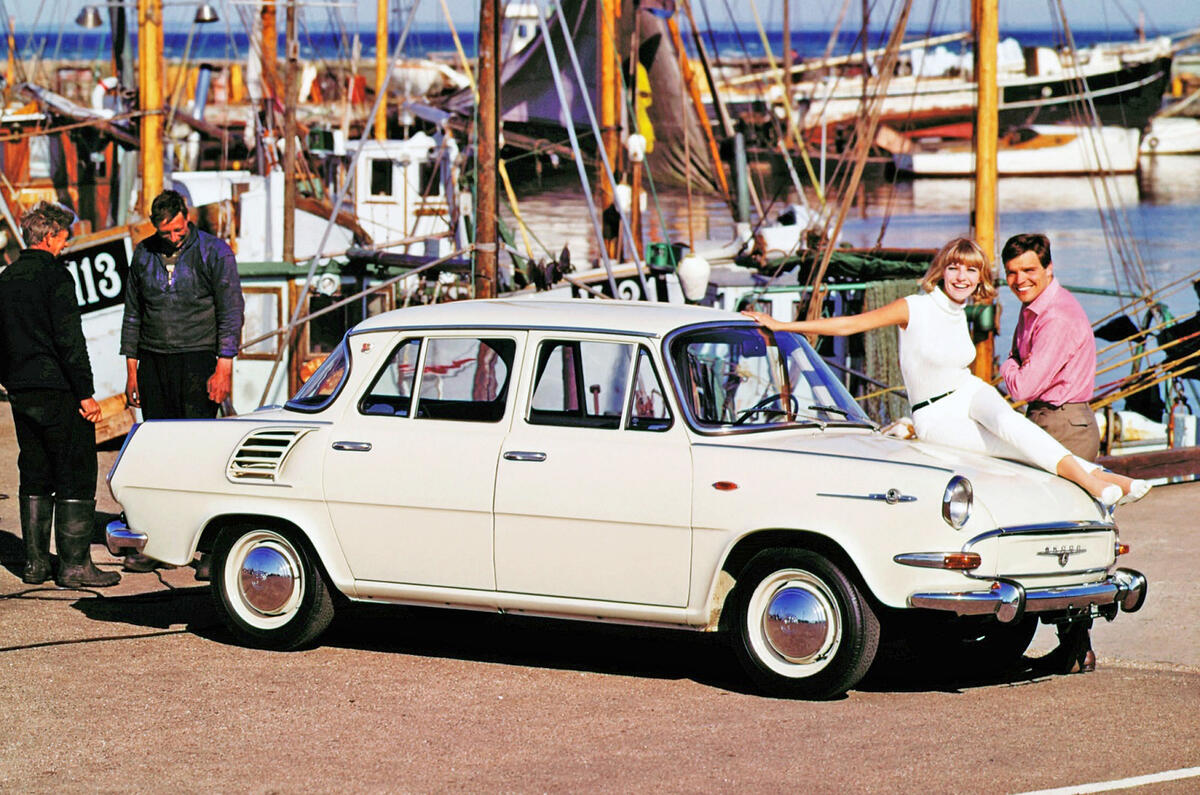
The landscape of global motoring in the mid-20th century was defined by a mechanical configuration that has since become a rarity: the rear-engine, rear-wheel-drive layout. For an entire generation of drivers across Europe, Asia, and the Americas, the hum of an air-cooled engine situated behind the rear axle was the soundtrack of daily life. This design choice was not merely a stylistic preference but a calculated response to the economic and logistical challenges of a post-war world. Manufacturers from Fiat to Volkswagen argued that placing the powertrain in the rear reduced production costs, eliminated the need for a bulky transmission tunnel, and maximized interior space within a compact footprint.
The Engineering Logic: Weight, Cost, and Packaging
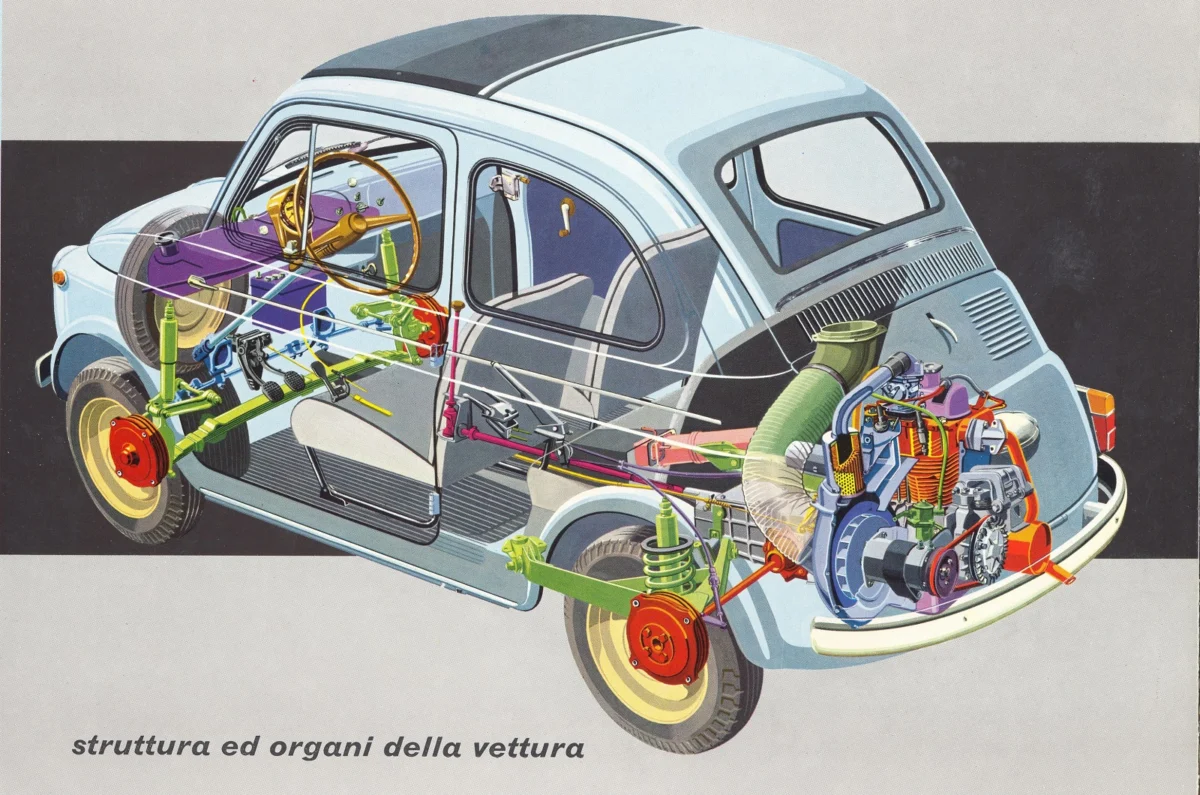
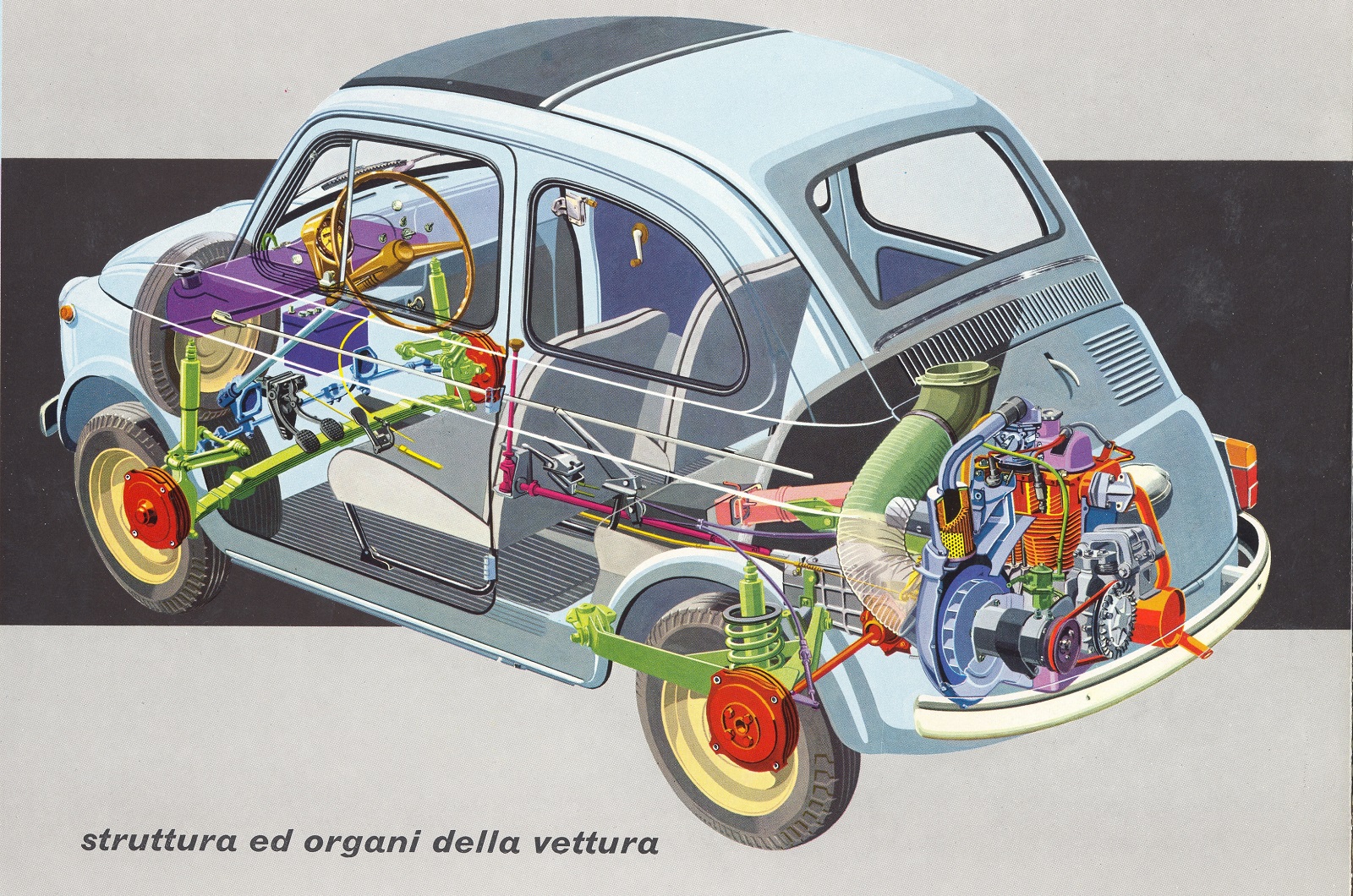
The shift toward rear-engined layouts was driven by the urgent need for affordable transportation following the Second World War. By placing the engine, transmission, and differential in a single compact unit over the driven wheels, engineers could simplify the chassis and reduce the vehicle’s overall weight.

Dante Giacosa, the legendary Fiat engineer responsible for many of Italy’s most iconic small cars, noted in his memoirs that cost was the ultimate arbiter. While front-wheel drive offered technical advantages and even better space utilization, the technology required for constant-velocity joints was prohibitively expensive for economy models in the 1950s. The rear-engined arrangement provided the best compromise, offering superior traction on unpaved roads and a flat cabin floor for passengers.
The Czechoslovakian Genesis: Tatra and the Aerodynamic Dream
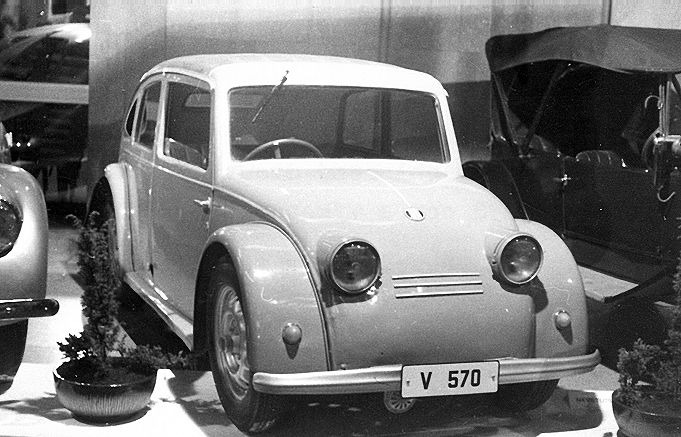
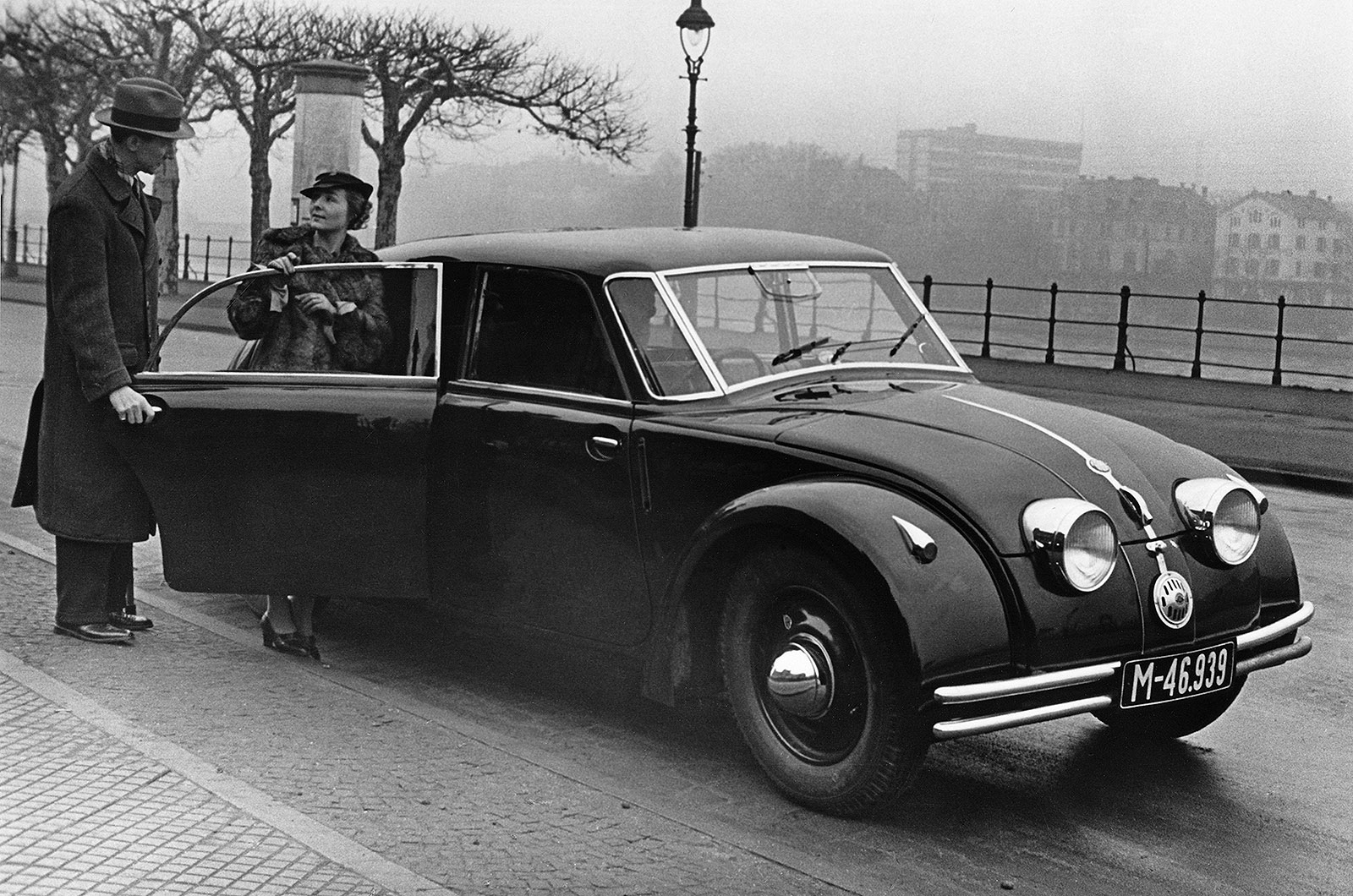
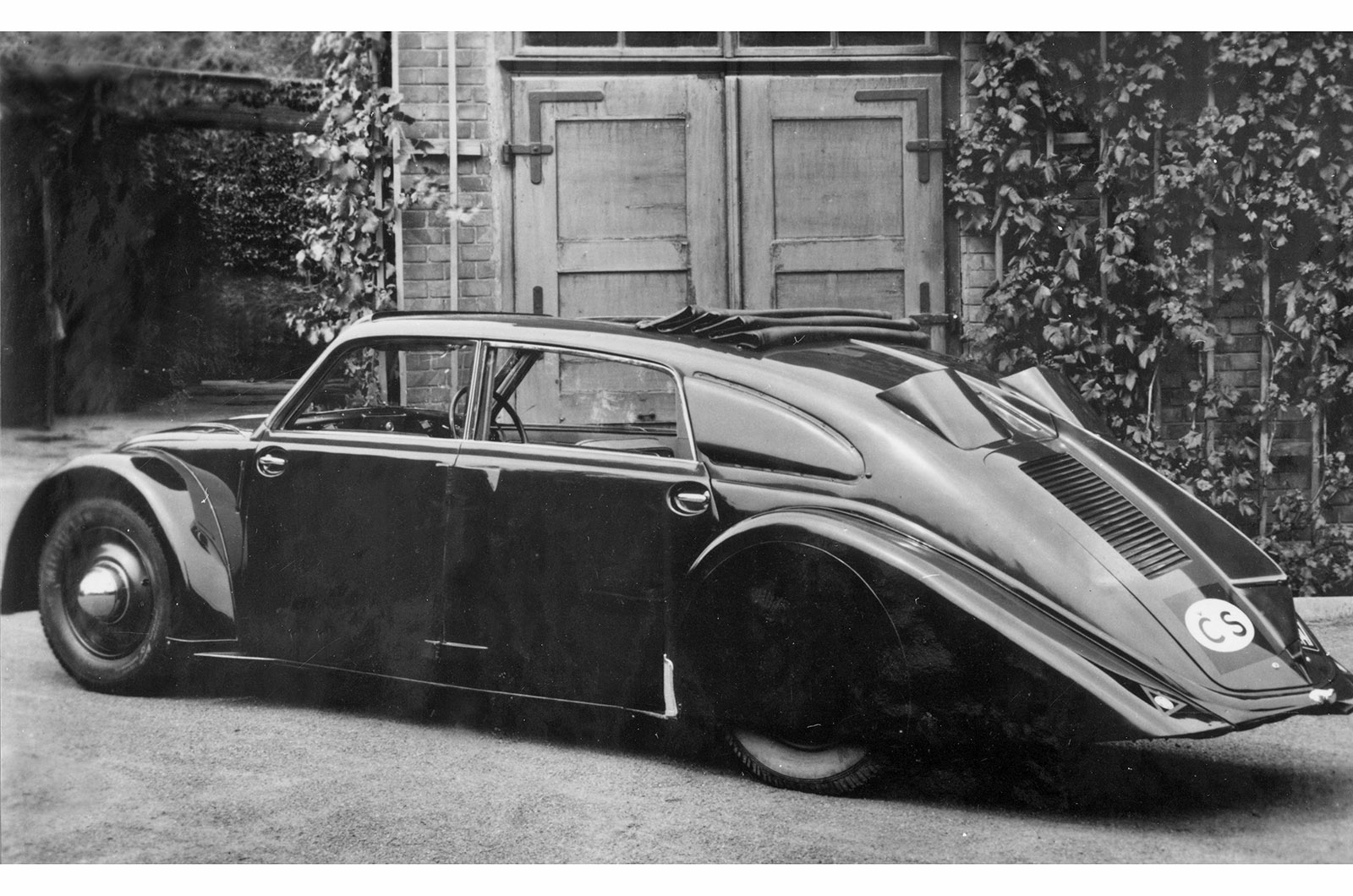
While the Volkswagen Beetle is the most famous proponent of the rear-engine layout, the conceptual roots of the design trace back to the Czech firm Tatra. In 1931, Tatra developed the V570 prototype. Its designers argued that a rear-mounted engine allowed for a more aerodynamic, "streamlined" body, as the car’s nose could be tapered to slice through the air more efficiently.
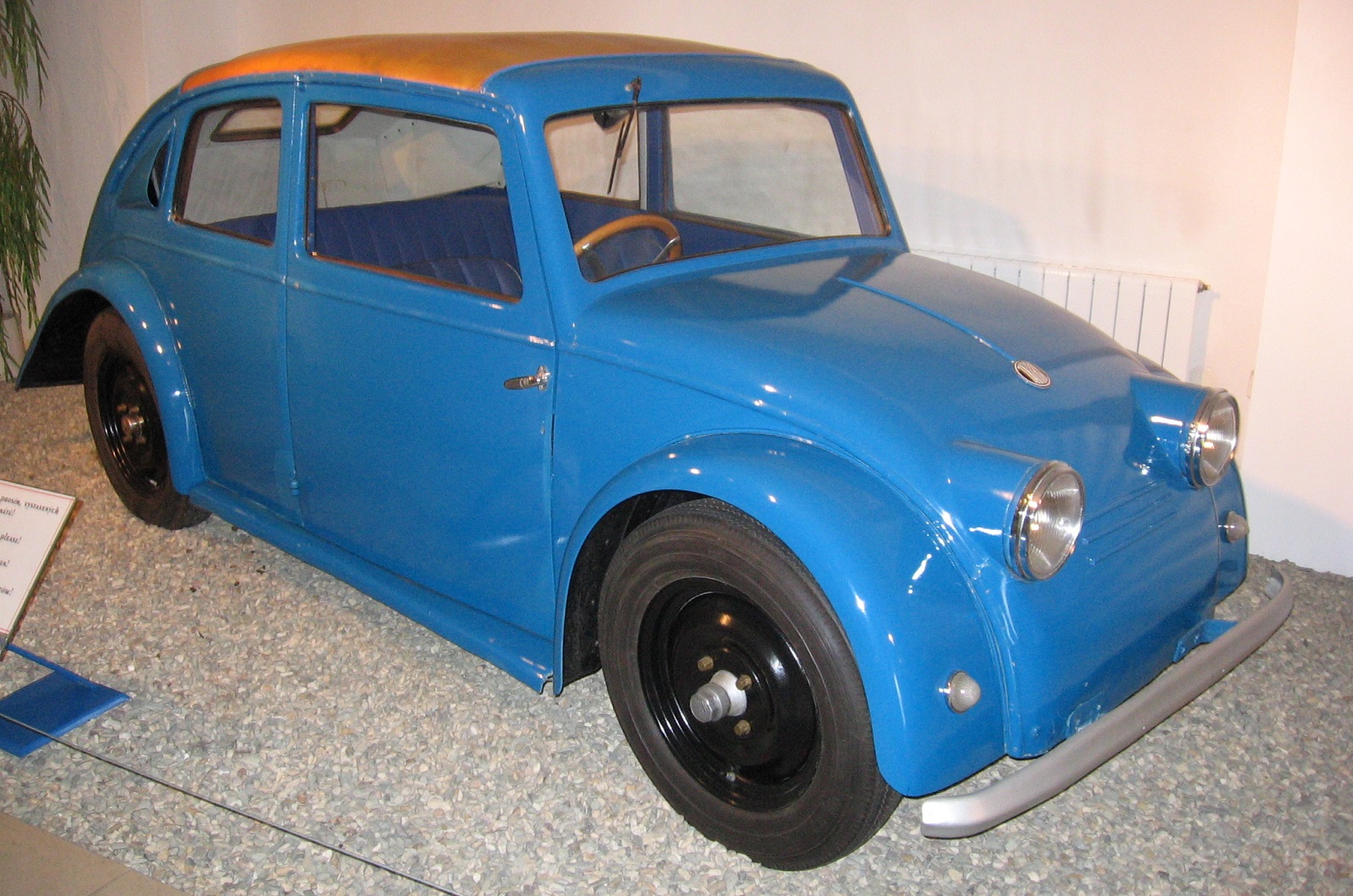
This experimentation led to the Tatra 77 in 1934, a luxury car powered by an air-cooled V8. Though production was limited to roughly 250 units, the Tatra 77 and its successor, the T87, proved that the rear-engine layout was viable for high-performance, high-speed travel. Historical records indicate that these designs heavily influenced Ferdinand Porsche as he began work on what would eventually become the Volkswagen Beetle.
The Rise of the People’s Car: The Volkswagen Beetle
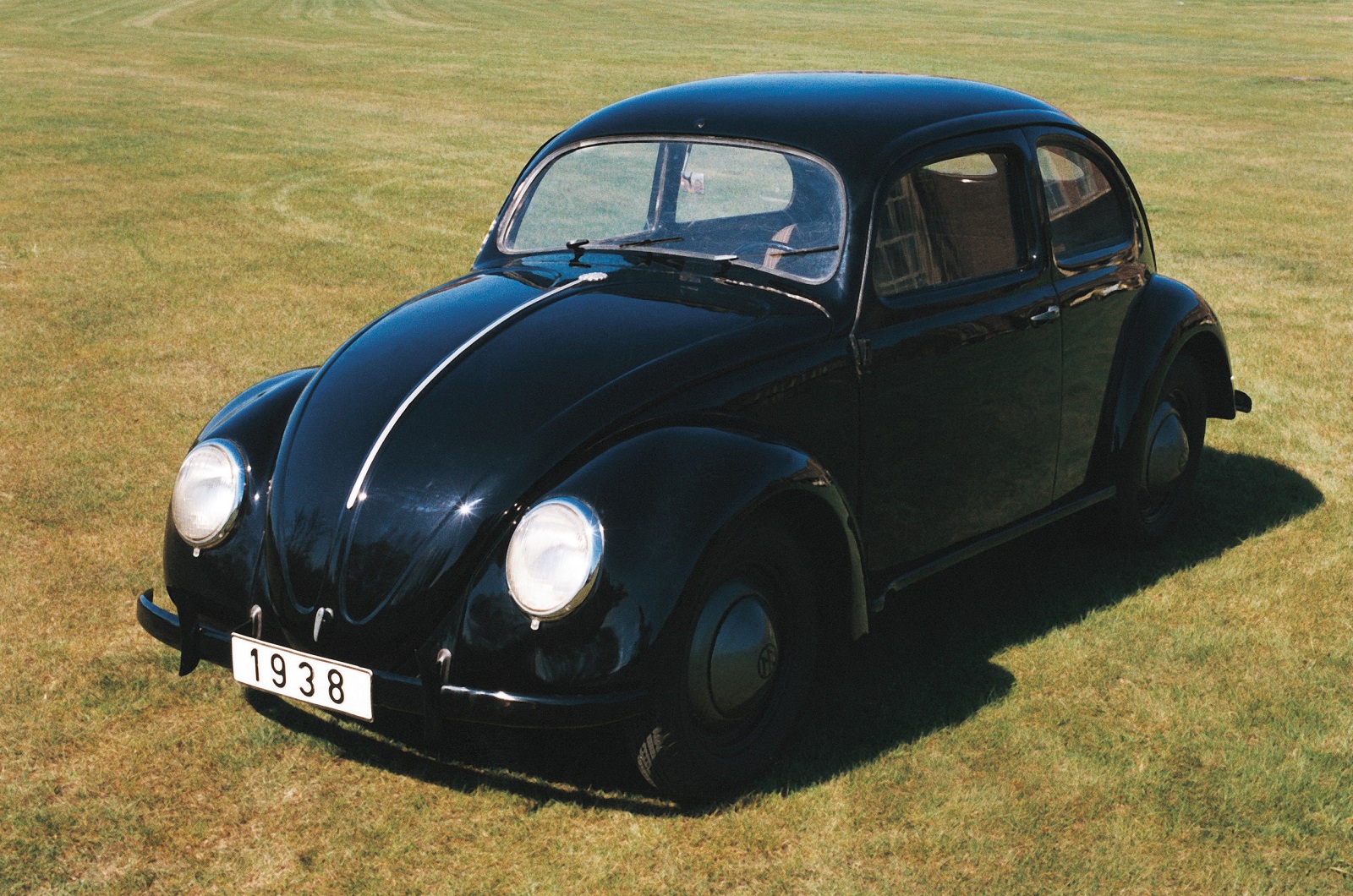
The most significant milestone in the history of rear-engined vehicles occurred in 1938 with the birth of the Volkswagen Beetle. Commissioned by the German government to be a "people’s car," Ferdinand Porsche’s design utilized a rear-mounted, air-cooled flat-four engine. Although military production took precedence during World War II, the Beetle’s post-war success was unprecedented.
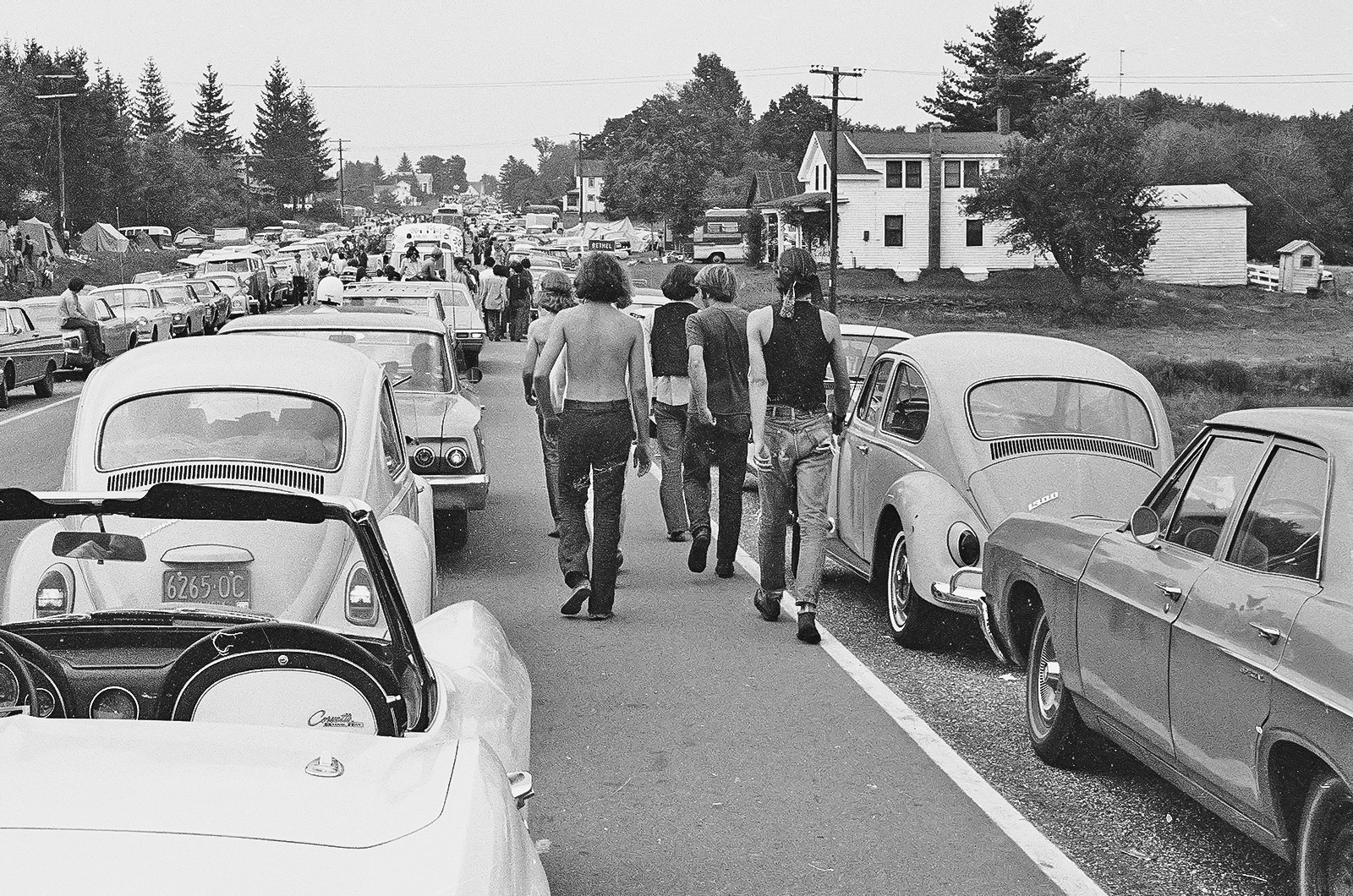
By 1955, Volkswagen had produced one million units; by 1957, that number had doubled. The Beetle became a global phenomenon, particularly in the United States, where its reliability and simplicity stood in stark contrast to the increasingly complex and oversized offerings from Detroit. Over its 65-year production run, more than 21 million Beetles were manufactured, making it the most successful rear-engined car in history and a symbol of West German economic recovery.
Post-War Mobilization: Renault and Fiat
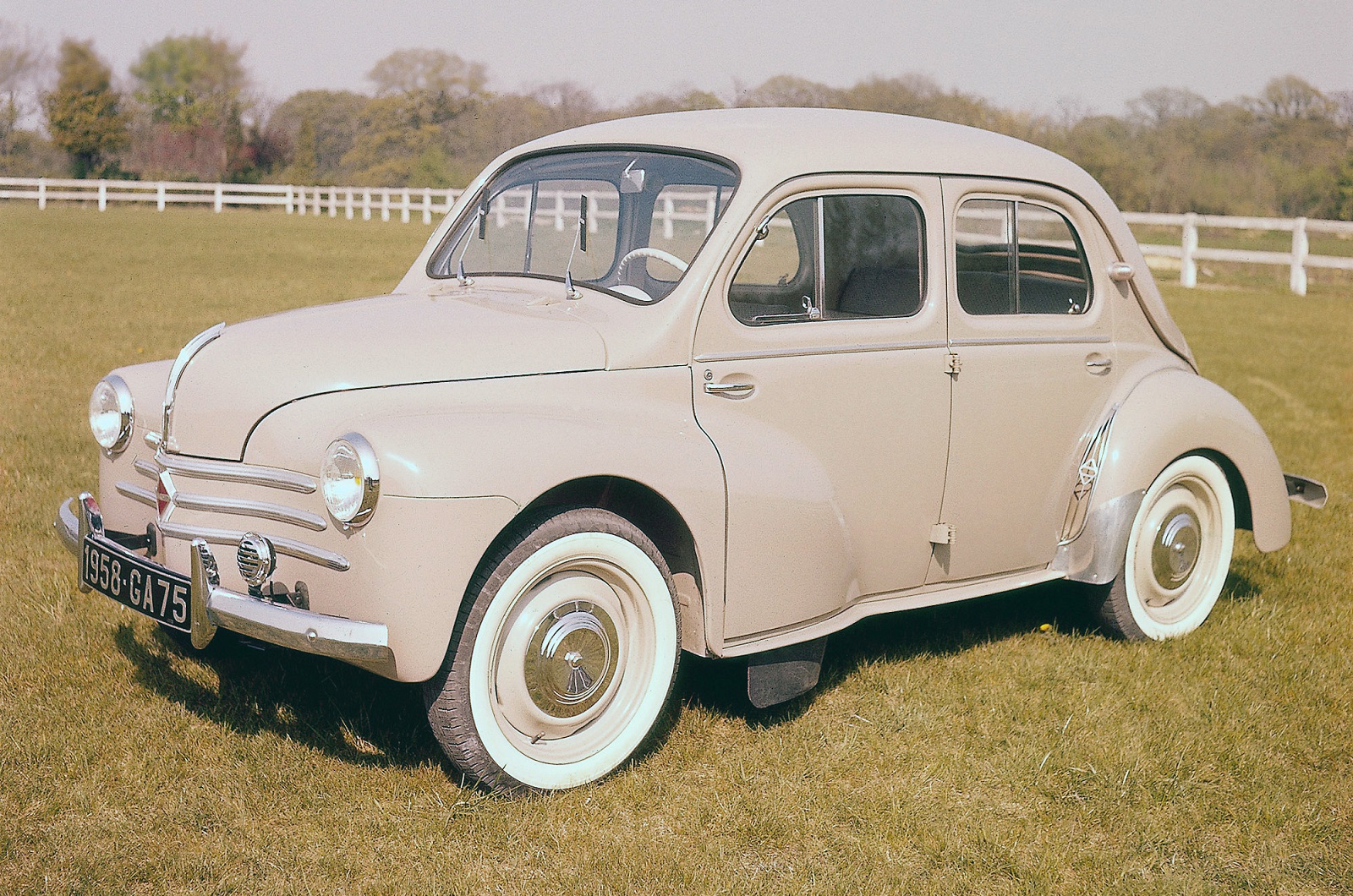
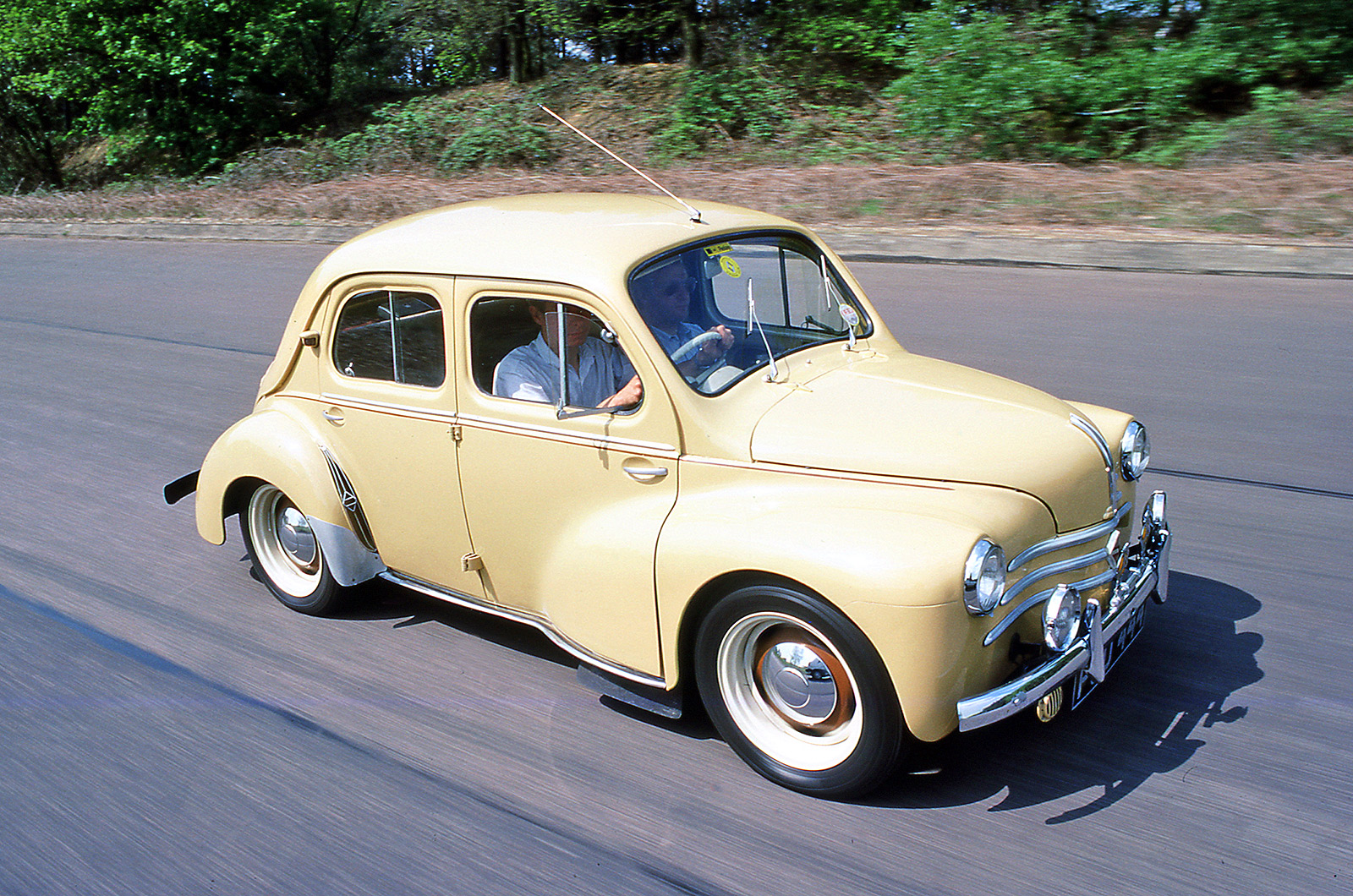
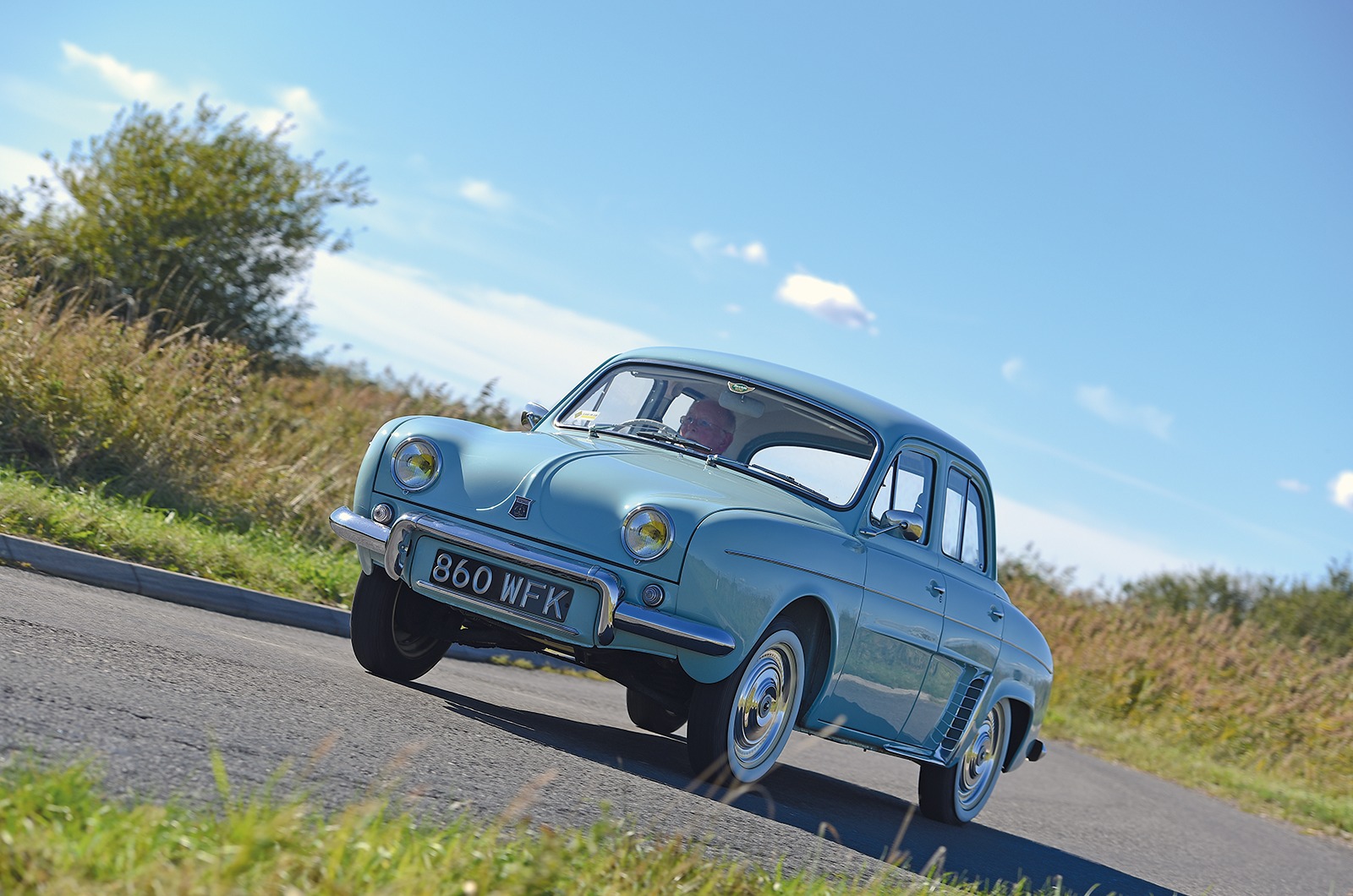
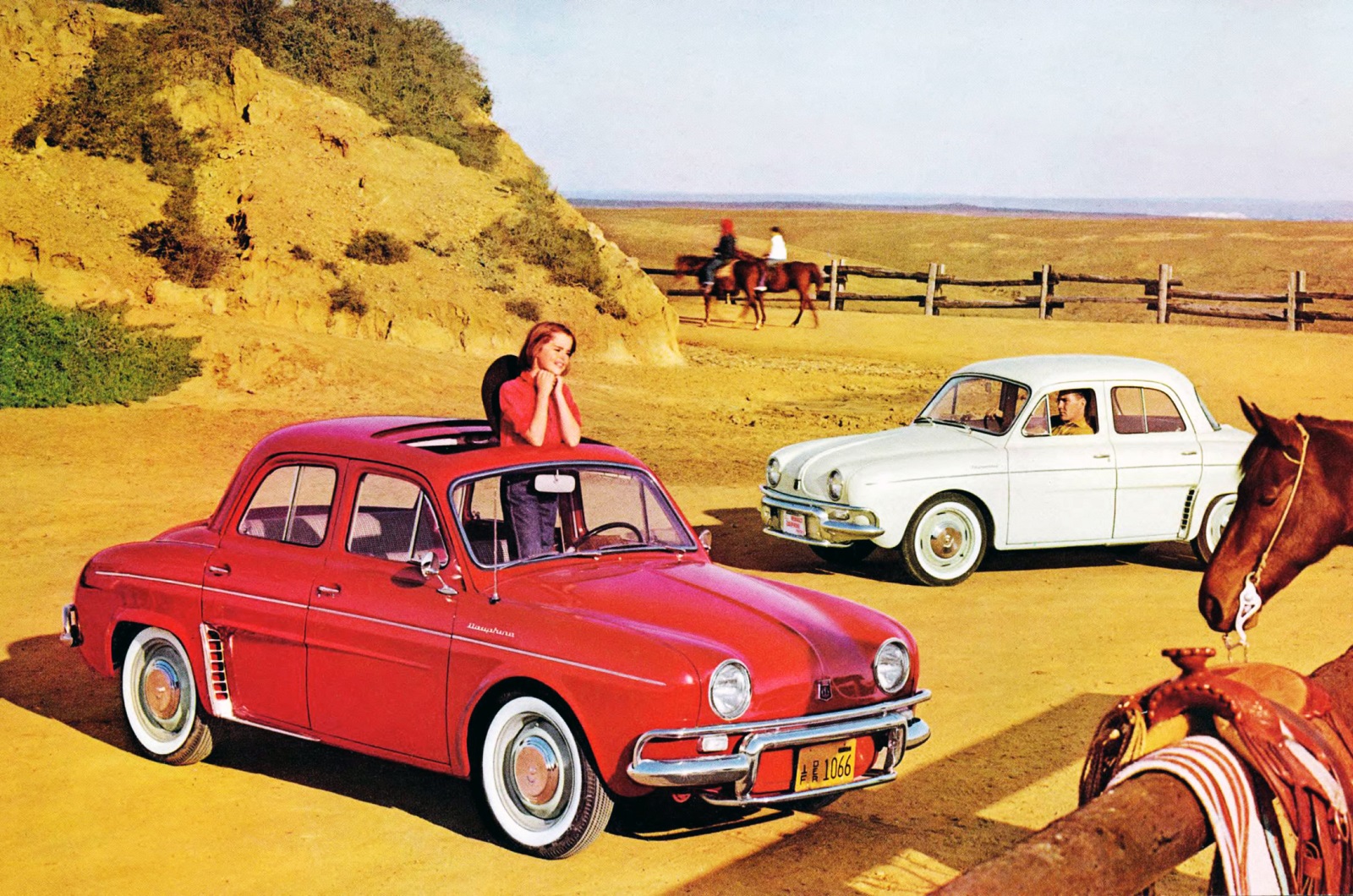
In France, Renault secretly developed the 4CV during the German occupation. Launched in 1947, the 4CV was Renault’s first model to sell over one million units. The company chose a rear-engine layout to minimize weight and production complexity. The success of the 4CV led to the Dauphine in 1956, which sold over two million units and briefly became a serious competitor in the American import market.
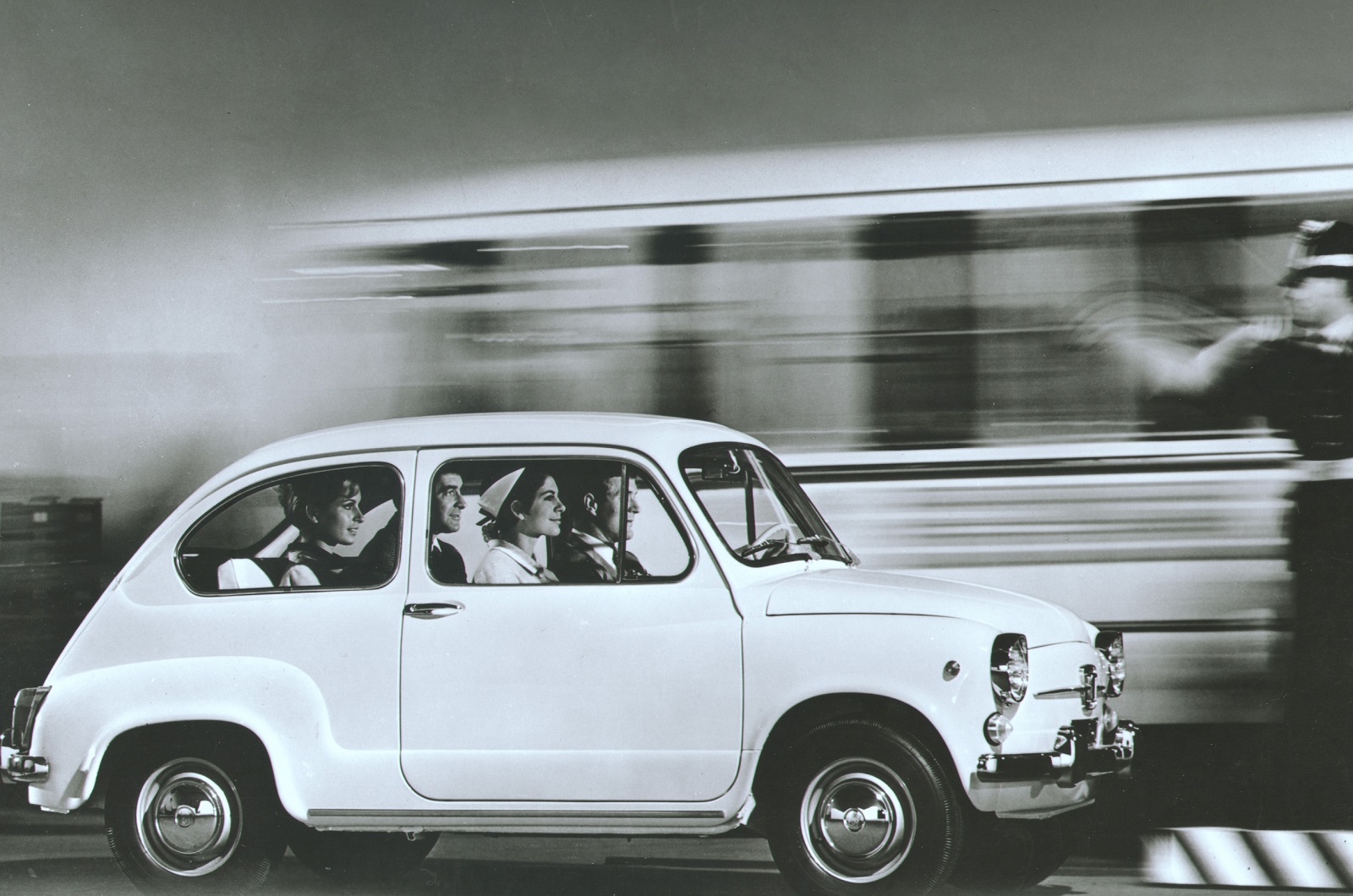
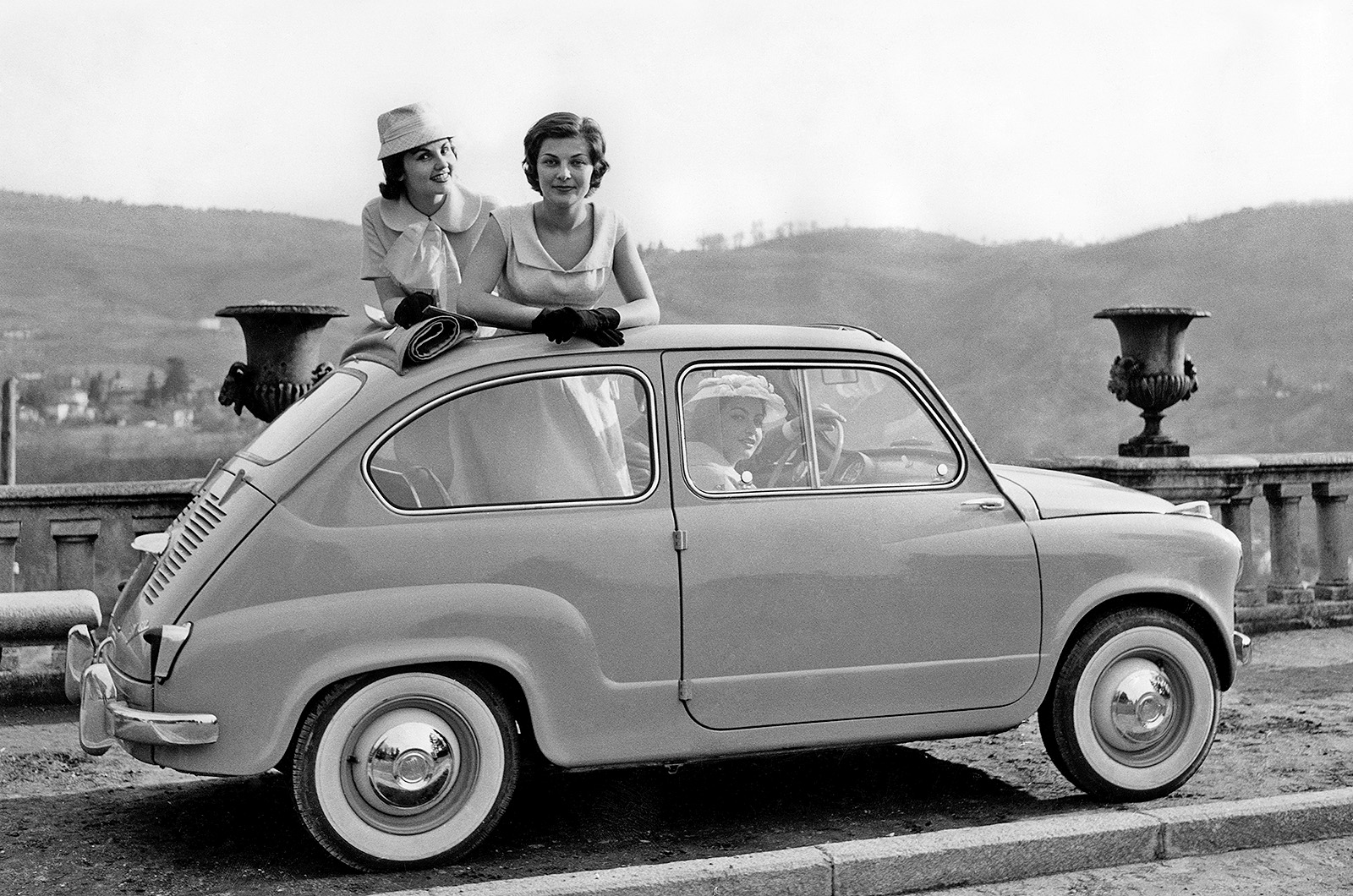
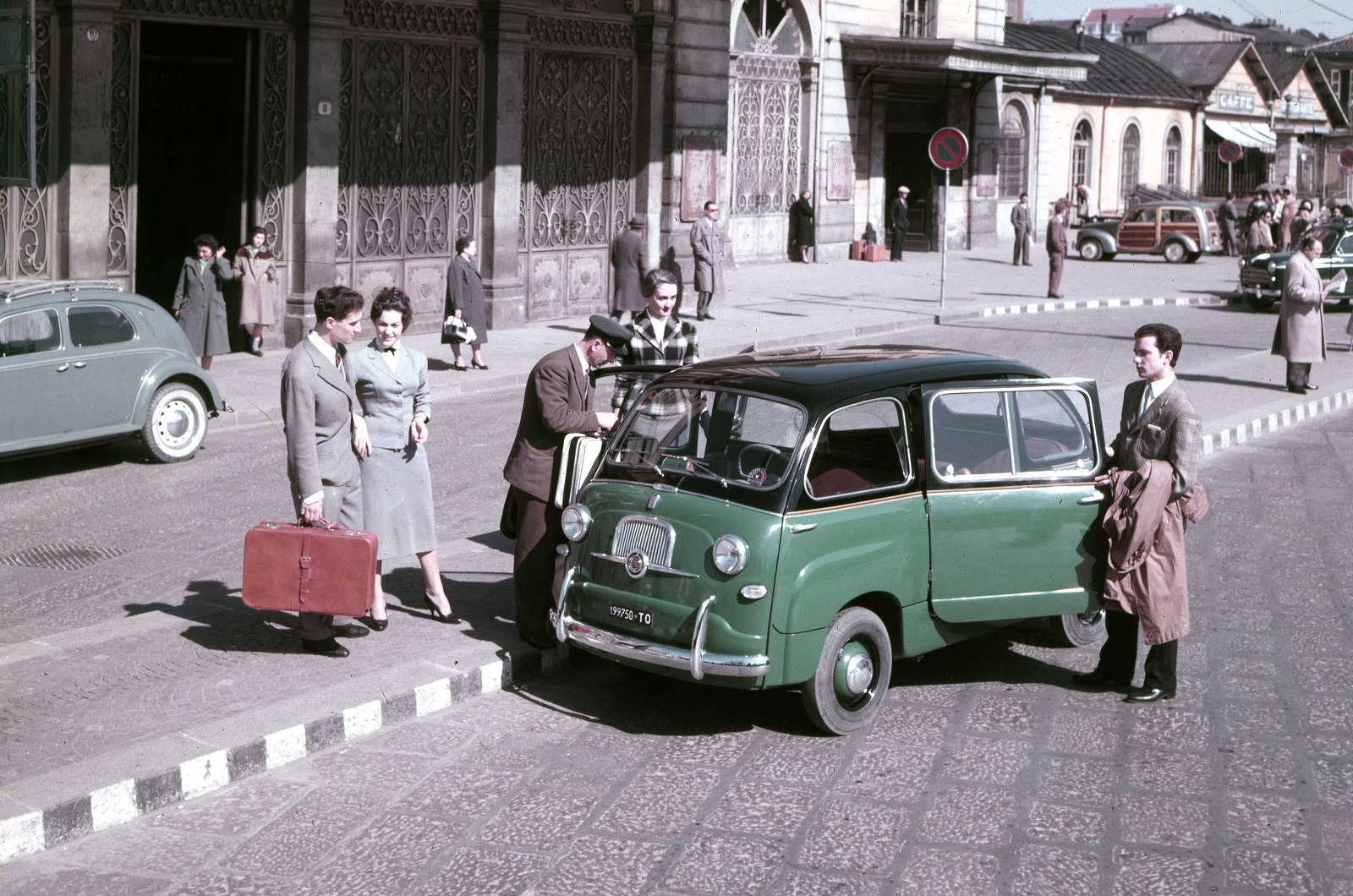
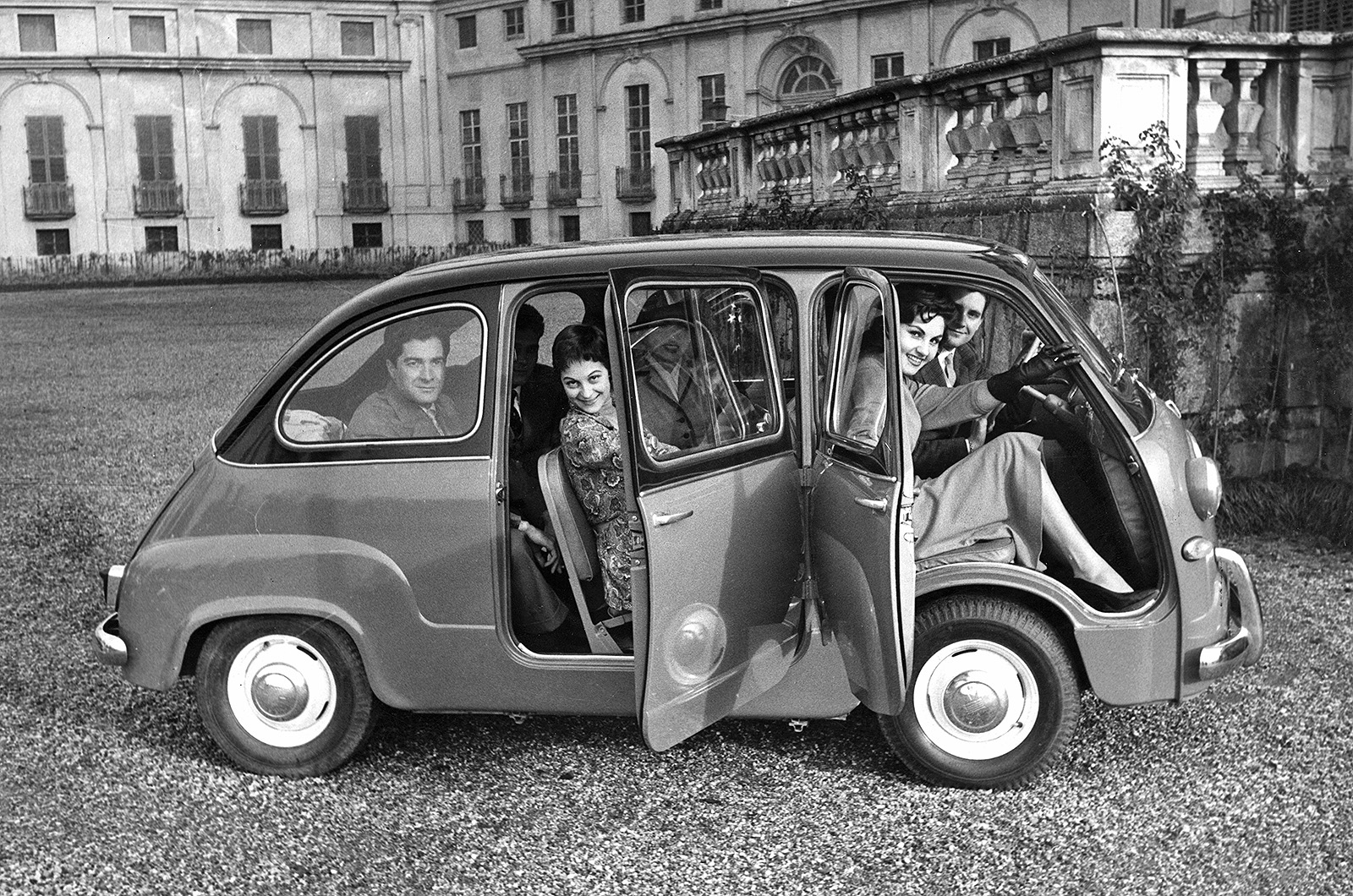
Simultaneously, Italy was undergoing its own motoring revolution. Fiat launched the 600 in 1955, followed by the diminutive 500 in 1957. These cars were designed to transition the Italian public from scooters to four-wheeled vehicles. The 600 was particularly versatile, spawning the 600 Multipla in 1956—a precursor to the modern minivan that moved the driver over the front wheels to create a six-passenger cabin within a tiny wheelbase.
Global Variations: From the Soviet Union to Japan
The rear-engine fever was not confined to Western Europe. In the Soviet Union, the ZAZ-965 "Zaporozhets" debuted in 1960. While it bore a striking resemblance to the Fiat 600, it featured a unique air-cooled V4 engine and a suspension system designed to handle the rugged terrain of the USSR. The Zaporozhets remained a staple of Soviet life for decades, with later models like the 968 staying in production until 1994.
In Japan, strict "Kei car" regulations—which limited engine size and vehicle dimensions—forced engineers to be creative with packaging. Subaru’s first mass-produced car, the 360, launched in 1958 with a rear-mounted two-stroke engine. By placing the mechanical components in the back, Subaru was able to fit four adults into a car less than three meters long.
The American Experiment: The Chevrolet Corvair
The 1960s saw an unlikely entry into the rear-engine market: General Motors. Seeking to compete with the rising tide of European imports, Chevrolet released the Corvair for the 1960 model year. Unlike its four-cylinder European counterparts, the Corvair featured a sophisticated air-cooled flat-six engine and a sleek, pillarless design.
However, the Corvair became the center of a massive safety controversy. Ralph Nader’s 1965 book, Unsafe at Any Speed, targeted the car’s early swing-axle suspension design, alleging it was prone to tuck-under and rollovers. Although Chevrolet corrected the suspension for later models, the damage to the car’s reputation was terminal. Despite selling 1.8 million units, the Corvair’s failure discouraged American manufacturers from ever attempting a mass-market rear-engined car again.
Performance and Competition: Porsche and Alpine
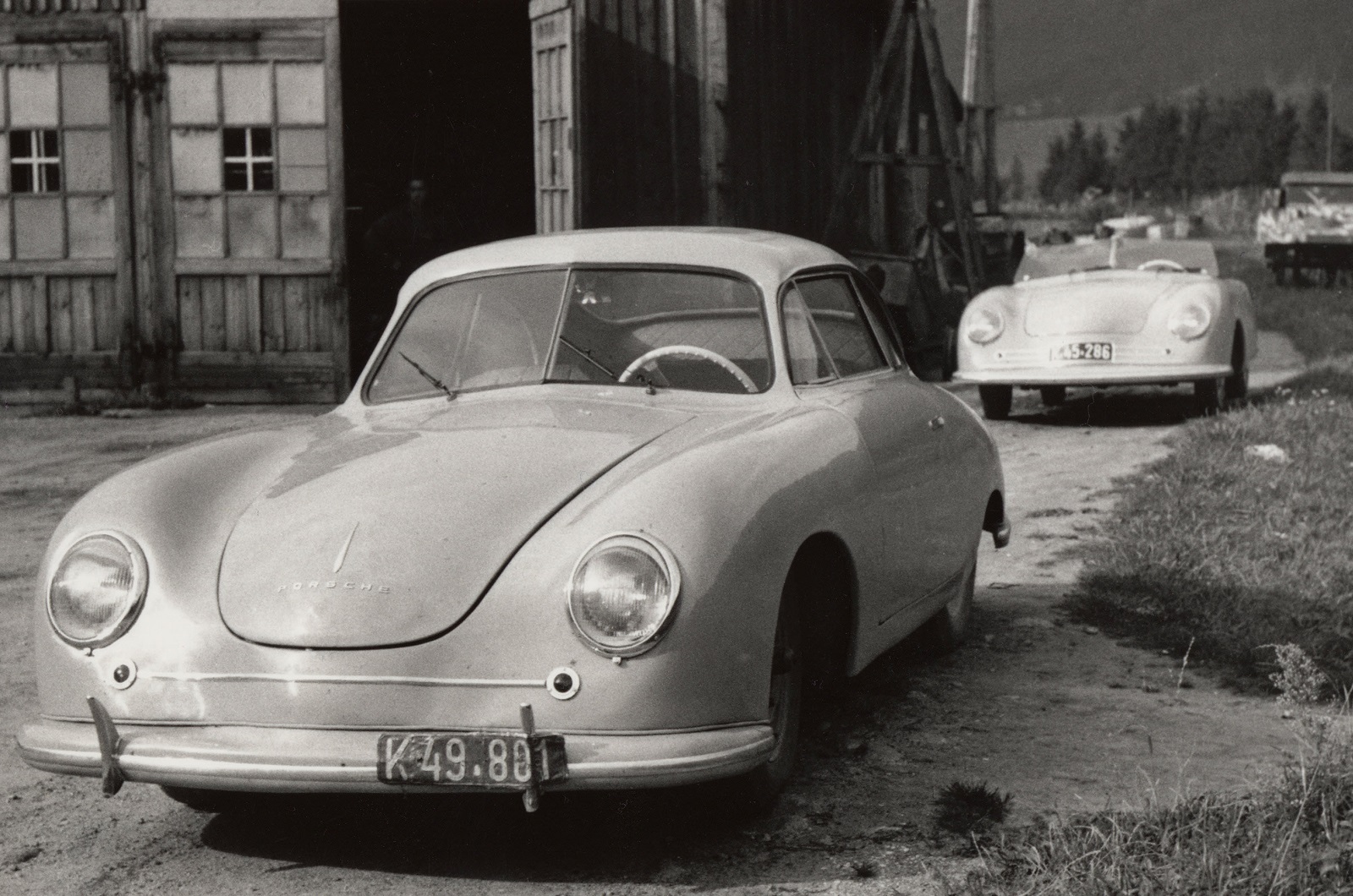
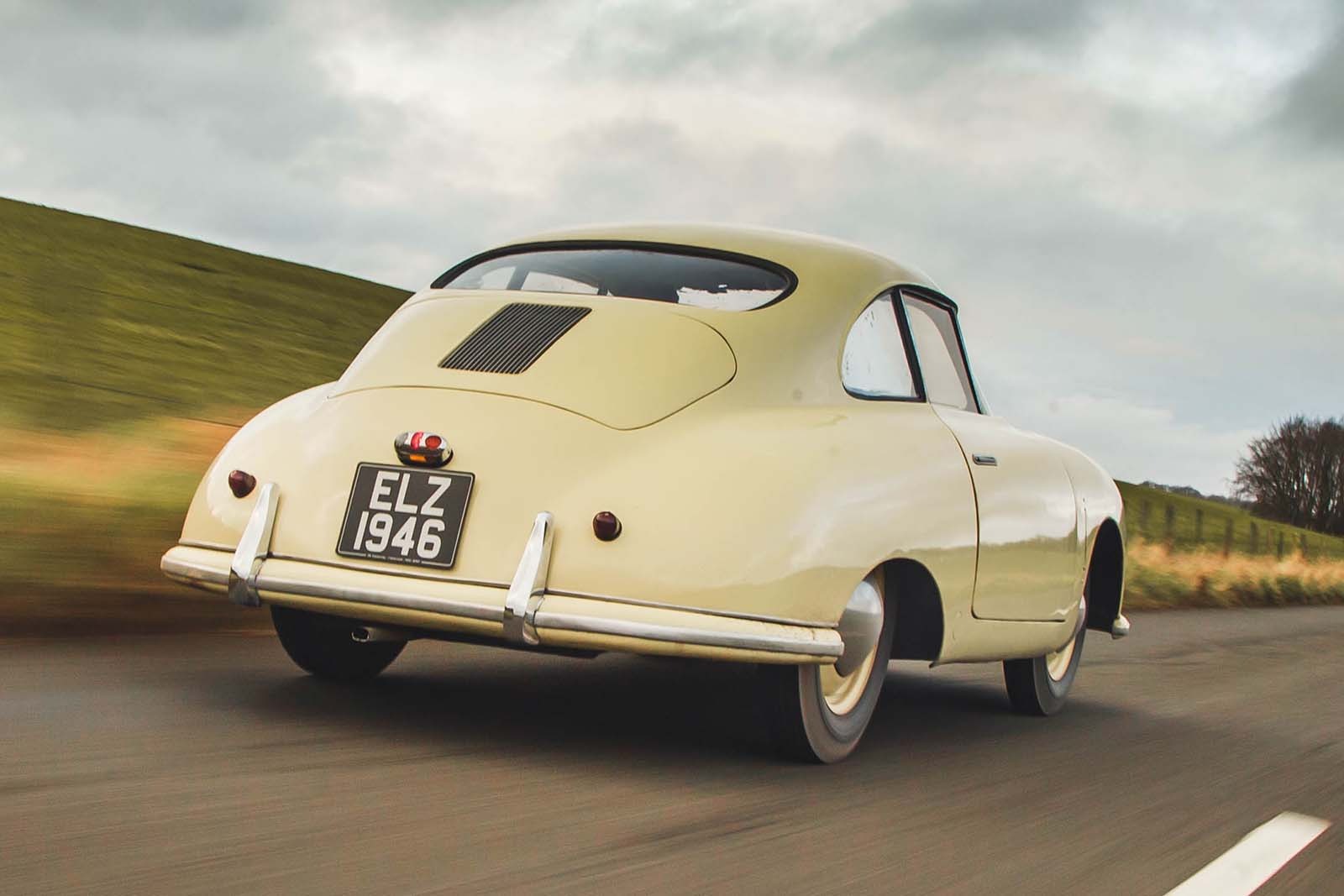
While economy was the primary driver for the layout, the rear-engine configuration also found a home in motorsports. The Porsche 356, and later the 911, utilized the weight of the engine over the rear wheels to provide exceptional traction coming out of corners. The 911, introduced in 1963, has become the quintessential rear-engined sports car, evolving through decades of air-cooled and water-cooled iterations.
In France, Alpine used Renault components to create the A110. This lightweight, fiberglass-bodied coupe utilized its rear-engine weight bias to dominate the rallying world, winning the inaugural World Rally Championship in 1973. Similarly, the Simca 1000, a humble four-door sedan, became a racing legend in its "Rallye" trims, proving that the layout remained competitive on both the street and the track.
The British Challenge: The Hillman Imp
Britain’s most notable attempt at a rear-engined economy car was the Hillman Imp, launched in 1963. Designed by the Rootes Group to compete with the front-wheel-drive BMC Mini, the Imp featured an innovative all-aluminum overhead-cam engine and a unique opening rear window for luggage access. However, the Imp was plagued by reliability issues and industrial unrest at its Scottish factory. Its failure to capture the market significantly contributed to the eventual collapse of the Rootes Group and its acquisition by Chrysler.
The Paradigm Shift: The End of the Rear-Engine Era
By the late 1960s, the dominance of the rear-engine layout began to wane. The primary catalyst for this shift was the 1959 BMC Mini. Sir Alec Issigonis’s design proved that a transverse-mounted front engine with front-wheel drive offered even better interior packaging and more stable handling characteristics than the rear-engine setup.
As consumer tastes shifted toward hatchbacks and greater practicality, manufacturers followed the Mini’s lead. Renault replaced the rear-engined 4CV and Dauphine with the front-wheel-drive Renault 4 and 5. Fiat transitioned from the 850 to the front-wheel-drive 127 in 1971. Even Volkswagen, the staunchest defender of the rear-engine layout, finally embraced front-wheel drive with the introduction of the Passat in 1973 and the Golf in 1974.
Legacy and Modern Context
The transition away from rear engines was largely driven by the inherent limitations of the design. Rear-engined cars often struggled with luggage space, as the front trunk was frequently cramped by the fuel tank and spare tire. Additionally, the tendency for "oversteer"—where the heavy rear end wants to swing around during hard cornering—was deemed less safe for the average driver compared to the predictable "understeer" of front-wheel-drive cars.
Today, the rear-engine layout is almost exclusively the domain of the Porsche 911 and a handful of niche electric vehicles. However, the impact of these cars cannot be overstated. They provided the wheels for the post-war reconstruction of Europe and Japan, creating a global culture of mobility that persists to this day. The millions of rear-engined cars that roamed the globe in the 1960s represent a unique chapter in industrial history—a time when engineering ingenuity and economic necessity combined to put the world on wheels.