


The following analysis explores 30 such models, detailing the technical shifts, chronological contexts, and market impacts of these powertrain-driven transformations.
The Birth of the Sports Car Icon: AC Ace and Sunbeam Alpine
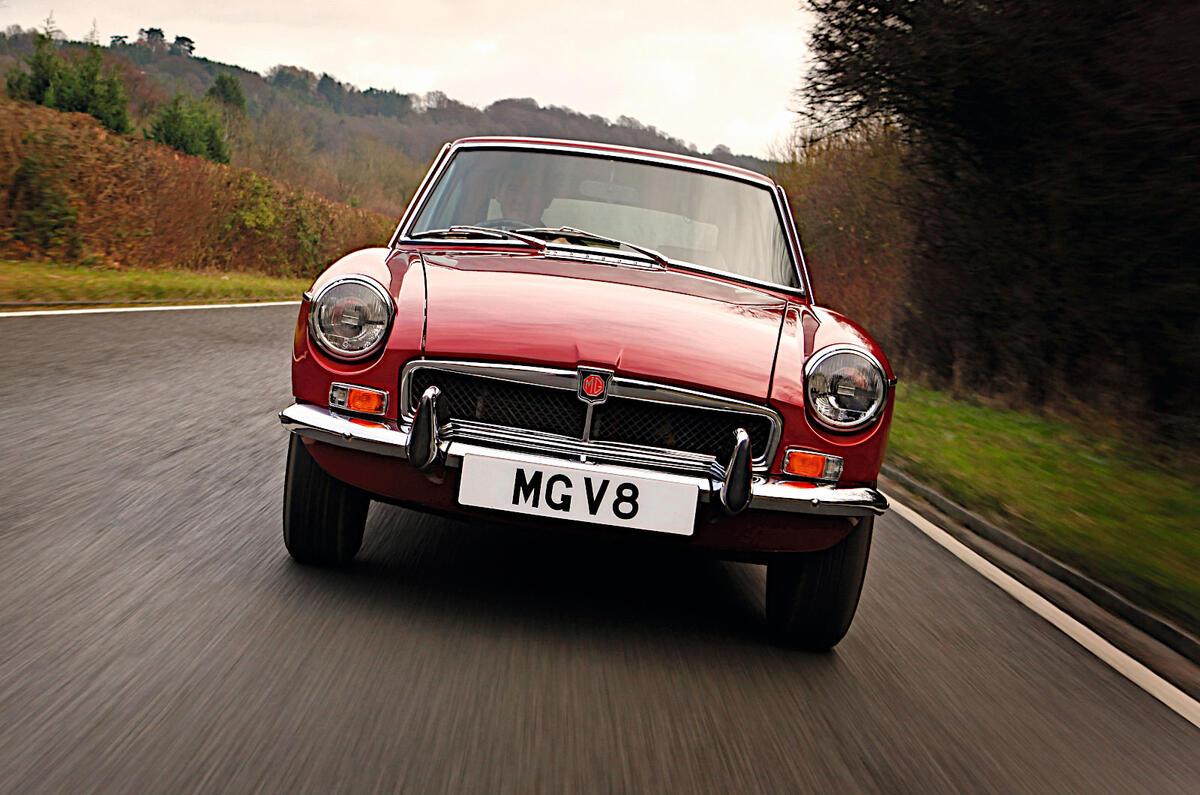
The transition from the AC Ace to the Shelby Cobra is perhaps the most famous example of a powerplant-driven identity shift. Introduced in 1953, the AC Ace was a handsome British roadster initially powered by a modest AC 2.0-litre engine, later upgraded to a 2.6-litre Ford straight-six. While competent, it lacked the "supercar" performance of its era. In 1962, American racer and designer Carroll Shelby proposed a radical modification: the installation of a Ford Windsor V8. The resulting Cobra, initially in 4.3-litre and later 4.7-litre (289) and 7.0-litre (427) forms, became a dominant force in international GT racing. The new engine transformed a polite European tourer into a brutal, world-beating performance machine, establishing a blueprint for the "Anglo-American" hybrid that remains influential today.
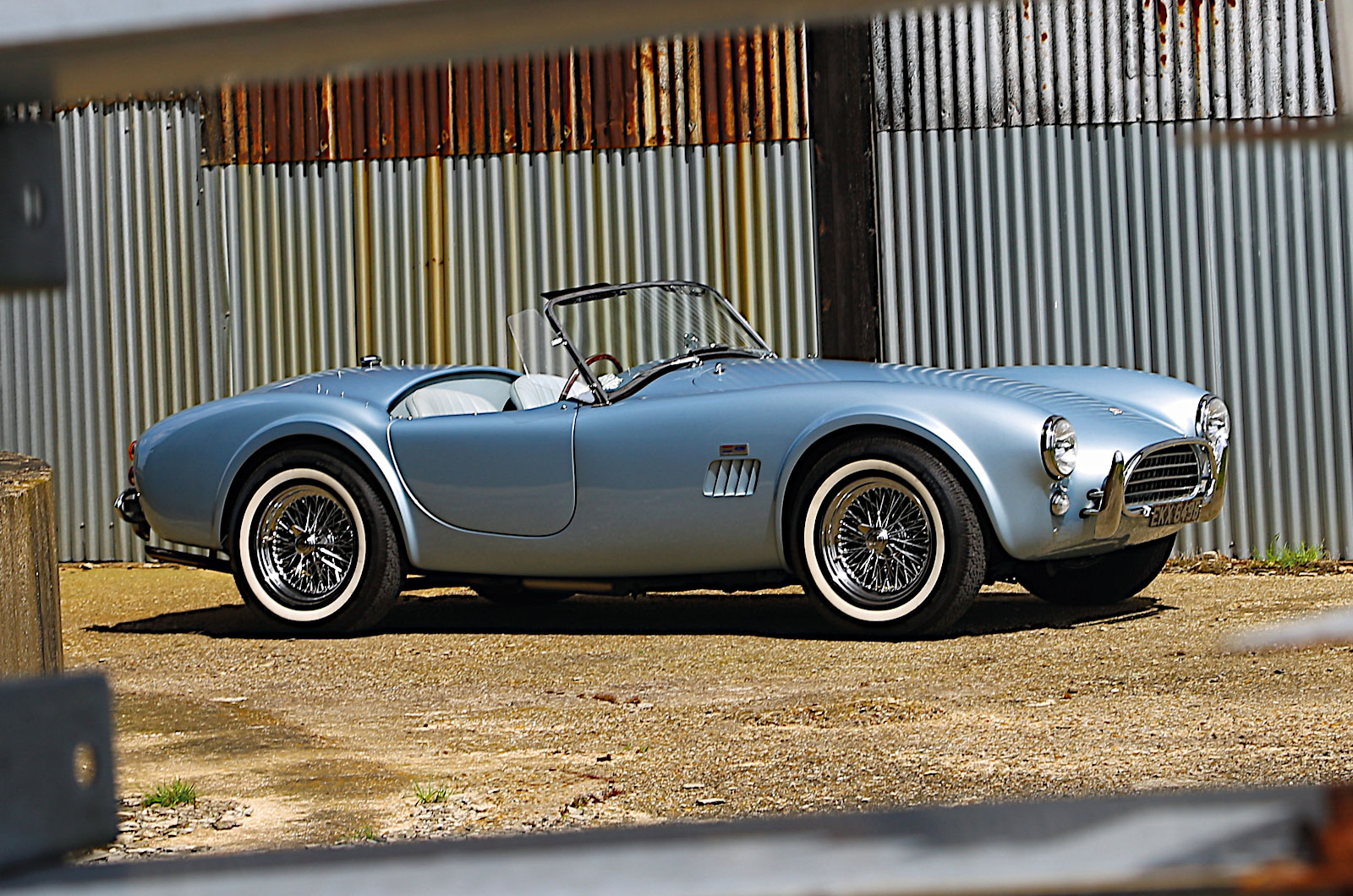
A similar evolution occurred with the Sunbeam Alpine. Inspired by Shelby’s success with the Cobra, the Rootes Group authorized the "Tiger" project. By replacing the Alpine’s 1.6-litre four-cylinder with a 4.3-litre Ford V8, the manufacturer shifted the car’s identity from a stylish but soft cruiser to a legitimate muscle car. This transformation allowed the Tiger to compete in high-speed rallies and endurance races, significantly elevating the Sunbeam brand’s prestige before the model was discontinued following Chrysler’s takeover of Rootes.
Competition Success Through Engineering: Alpine A110 and Talbot Sunbeam
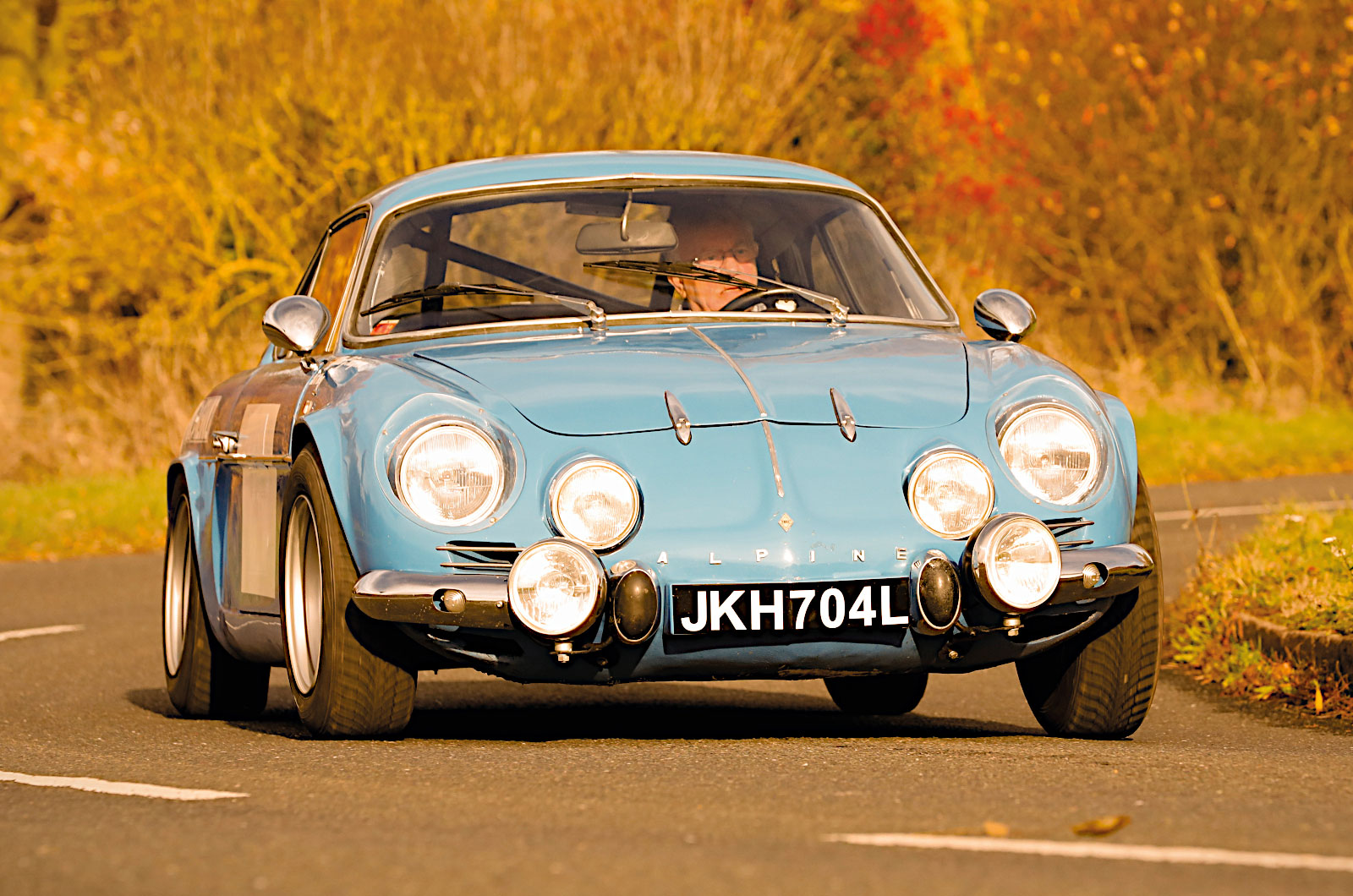
The original Alpine A110, launched in 1963, provides a case study in how a specific engine choice can lead to global sporting dominance. Originally powered by the Renault Cléon-Fonte engine, the A110 was a light, agile car but lacked the power to challenge for world titles. The introduction of the Cléon-Alu engine—sourced from the Renault 16—changed the trajectory of the brand. This lightweight, all-aluminium unit allowed Alpine to optimize weight distribution and reliability. In 1973, the A110 thrashed competitors like Fiat and Ford to win the inaugural World Rally Championship (WRC), finishing the season with 147 points, nearly double that of its closest rivals.
In a later era, the Talbot Sunbeam underwent a similar rally-focused transformation. Most Sunbeams were utilitarian hatchbacks powered by 1.3-litre or 1.6-litre engines. However, to meet homologation requirements for Group 4 rallying, Talbot collaborated with Lotus to install a 2.2-litre, 16-valve Lotus engine. The Sunbeam Lotus, producing 150bhp in road trim, became a "hot hatch" pioneer and secured the Manufacturers’ title in the 1981 WRC. This engine choice turned a budget-friendly commuter car into a giant-killer on the world stage.
The German Performance Paradigm: Audi and BMW
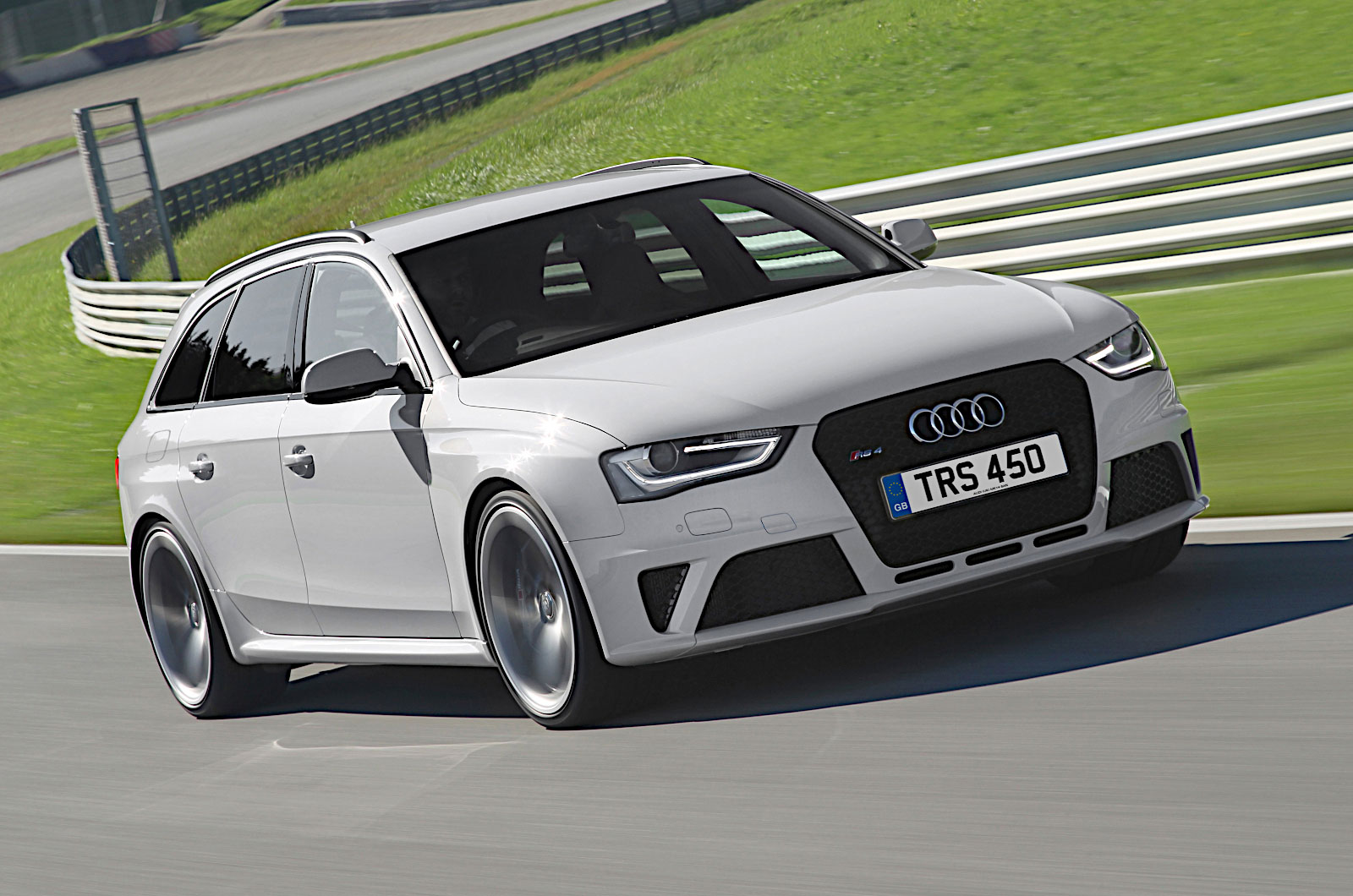
For German manufacturers, the engine is often the defining characteristic of their performance divisions. The Audi A4, a standard executive saloon, has historically been transformed by its RS derivatives. The B7 generation RS 4 is particularly notable for its 4.2-litre V8. Unlike the standard A4’s turbocharged four-cylinder units, this high-revving, naturally aspirated V8 produced over 400bhp and shared its architecture with the Audi R8 supercar. This powerplant shifted the A4 from a sensible business tool to a high-performance enthusiast’s car, capable of challenging the best from Porsche and BMW.
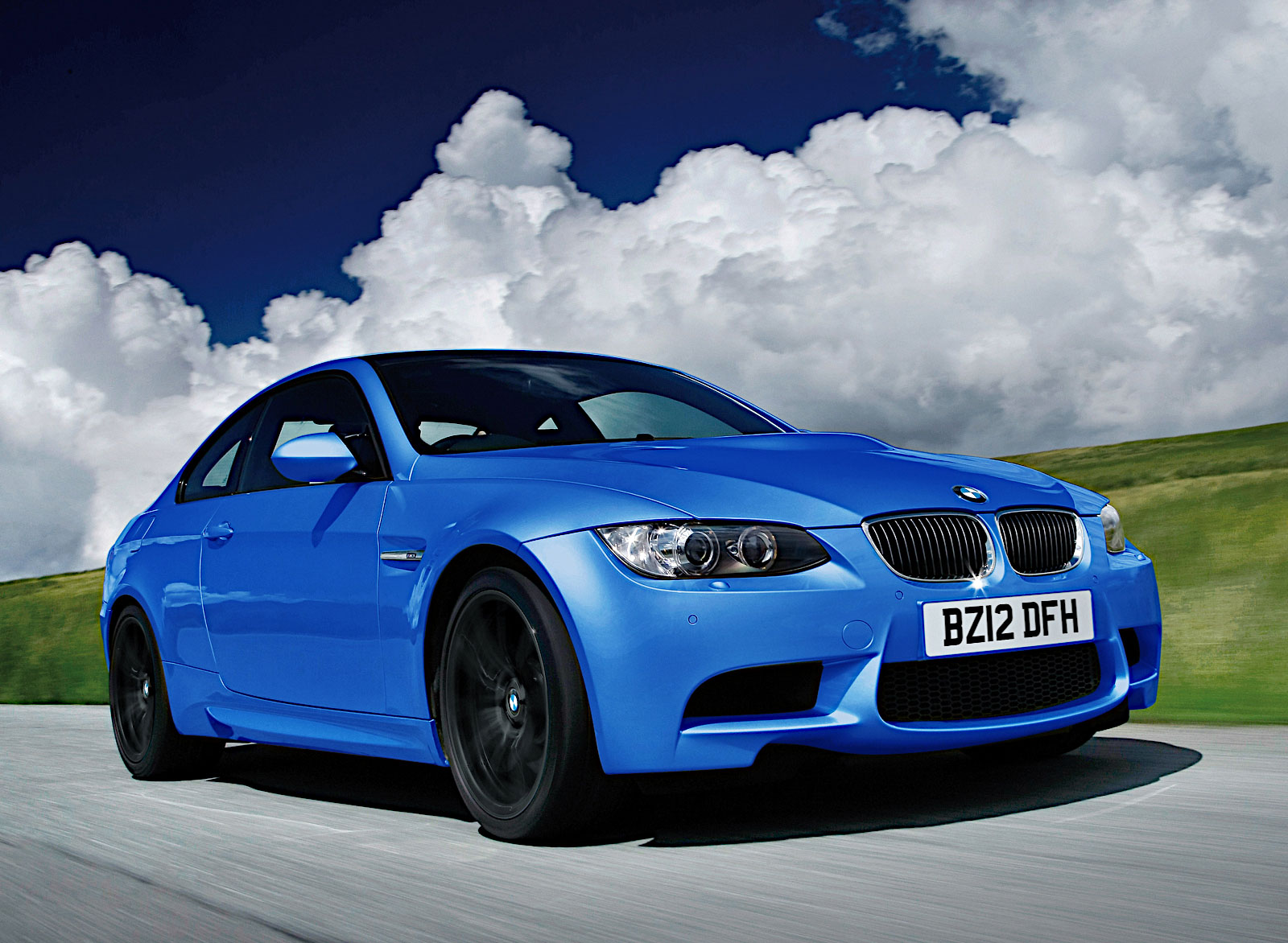
BMW’s M3 followed a similar path, particularly during the E90/E92 generation (2007–2013). While previous M3s were celebrated for their "S54" straight-six engines, the move to the S65 4.0-litre V8 marked a radical departure. It was the first (and only) production M3 to feature a V8 across the entire generation’s lineup. The engine’s ability to rev to 8,400rpm redefined the M3 as a mini-supercar, moving it further away from the standard 3 Series than ever before.
Engineering Excess: The Volkswagen Group’s W and V12 Engines
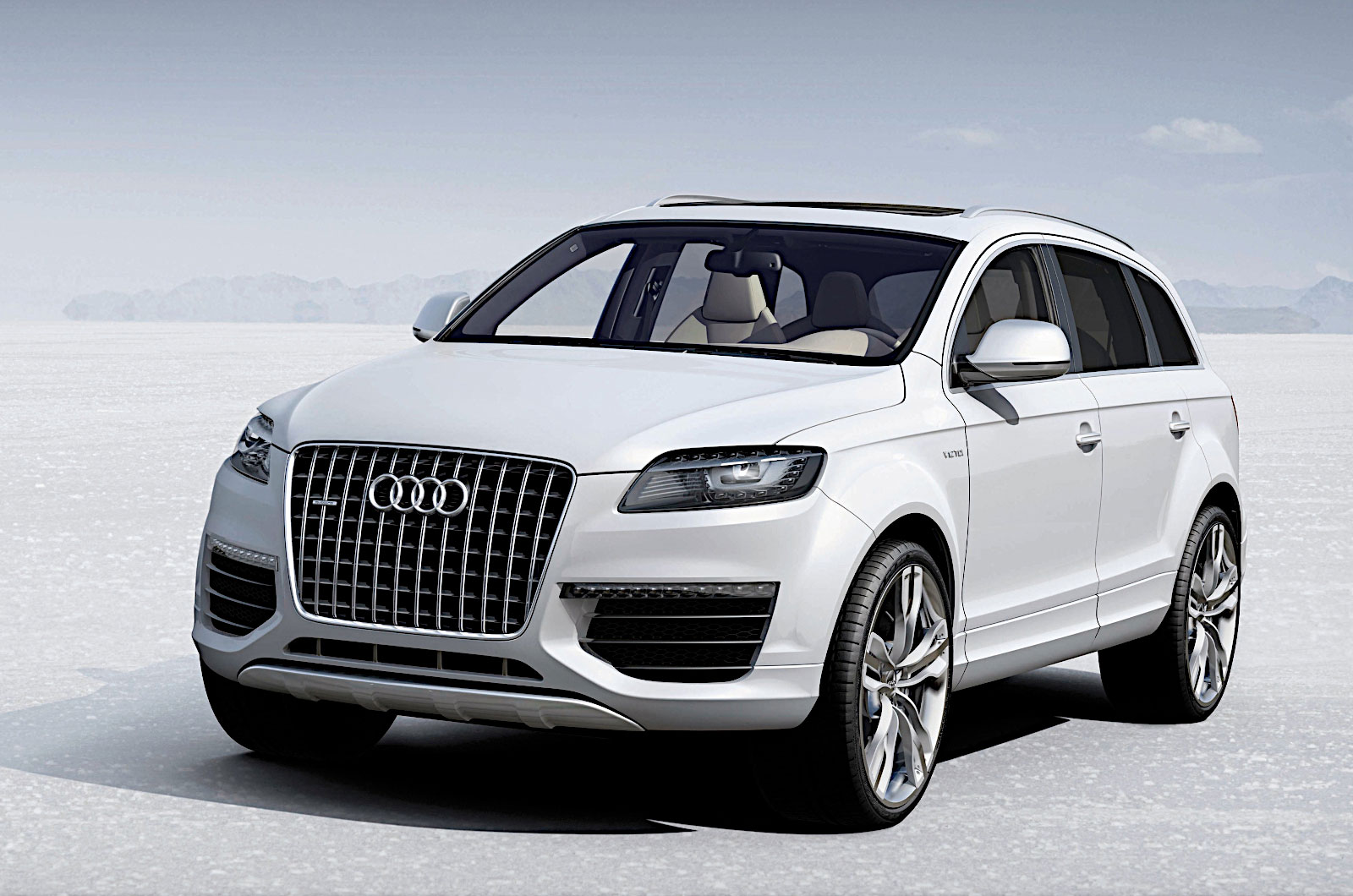
Under the leadership of Ferdinand Piëch, the Volkswagen Group embarked on a period of unprecedented engineering ambition, resulting in several "engine-first" models. The Audi Q7 V12 TDI is perhaps the most extreme example. By fitting a 6.0-litre diesel V12—an engine derived from Audi’s Le Mans-winning R10 TDI racer—into a road-going SUV, Audi created a vehicle with 493bhp and a staggering 1,000Nm of torque. This transformed the Q7 from a luxury family hauler into a technological tour de force, albeit one with a price tag nearly £40,000 higher than the standard V8 model.
Volkswagen applied a similar philosophy to the Passat and Touareg. The Passat W8, launched in 2001, featured a unique 4.0-litre W8 engine—essentially two VR4 engines on a single crank. This gave the Passat 271bhp and an exotic mechanical identity, though it failed to find a significant audience. Conversely, the Touareg W12, featuring a 6.0-litre 444bhp powerplant, proved surprisingly popular. Originally intended as a limited run of 500 units, its success forced VW to extend production, proving that even a mainstream SUV could be redefined as a luxury powerhouse through its engine.
The Evolution of the Hot Hatch: Ford, Honda, and Renault
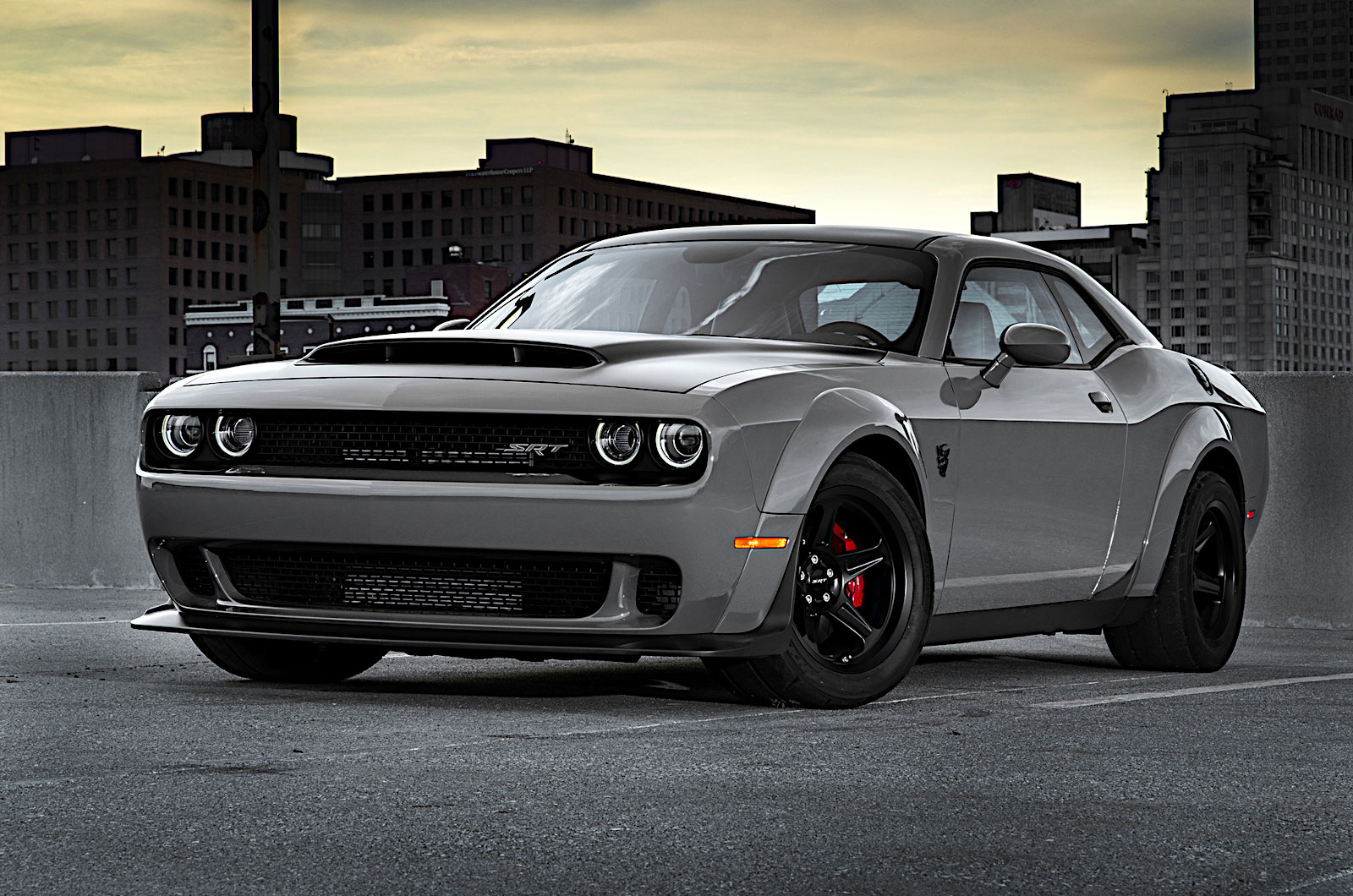
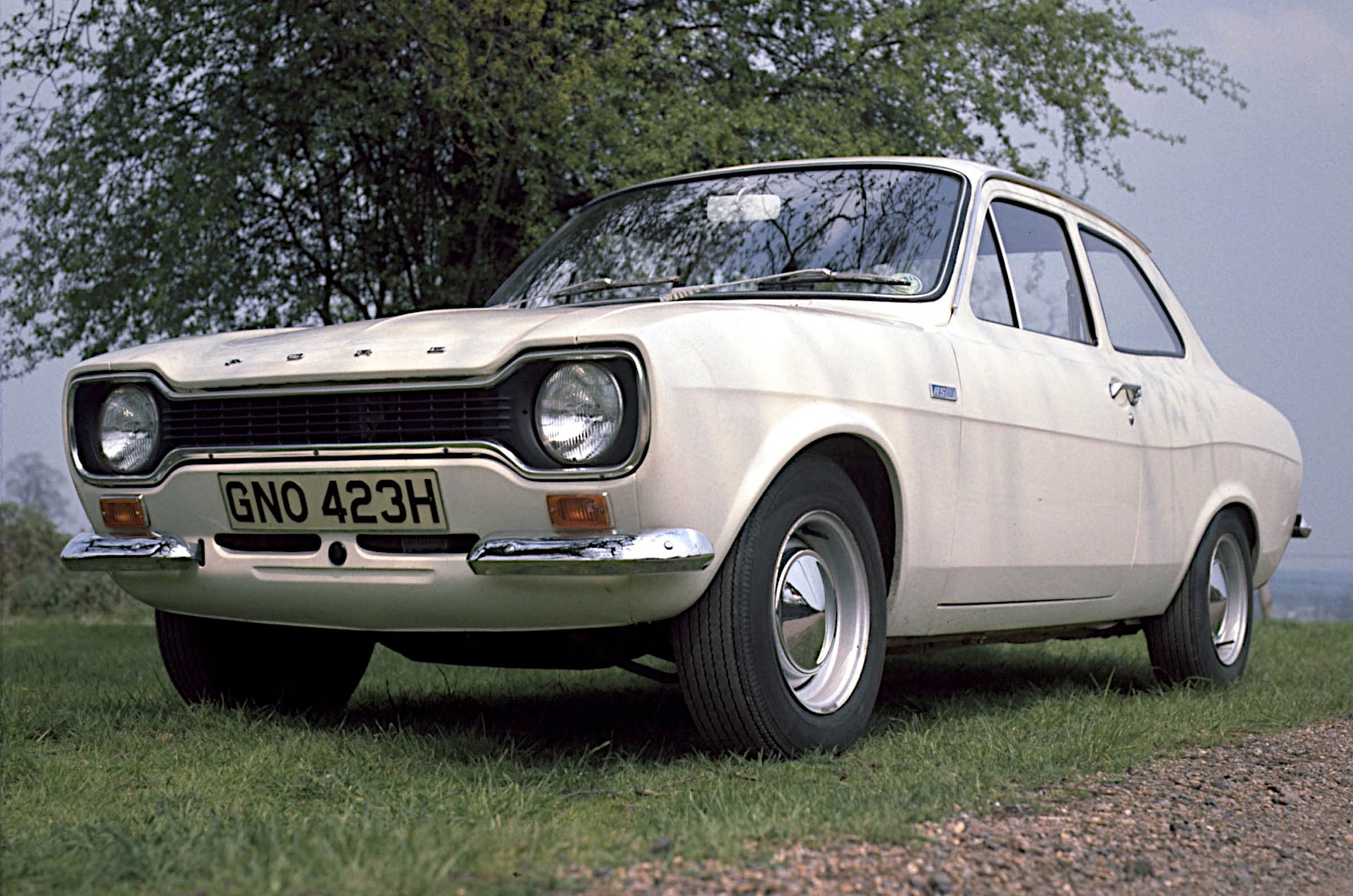
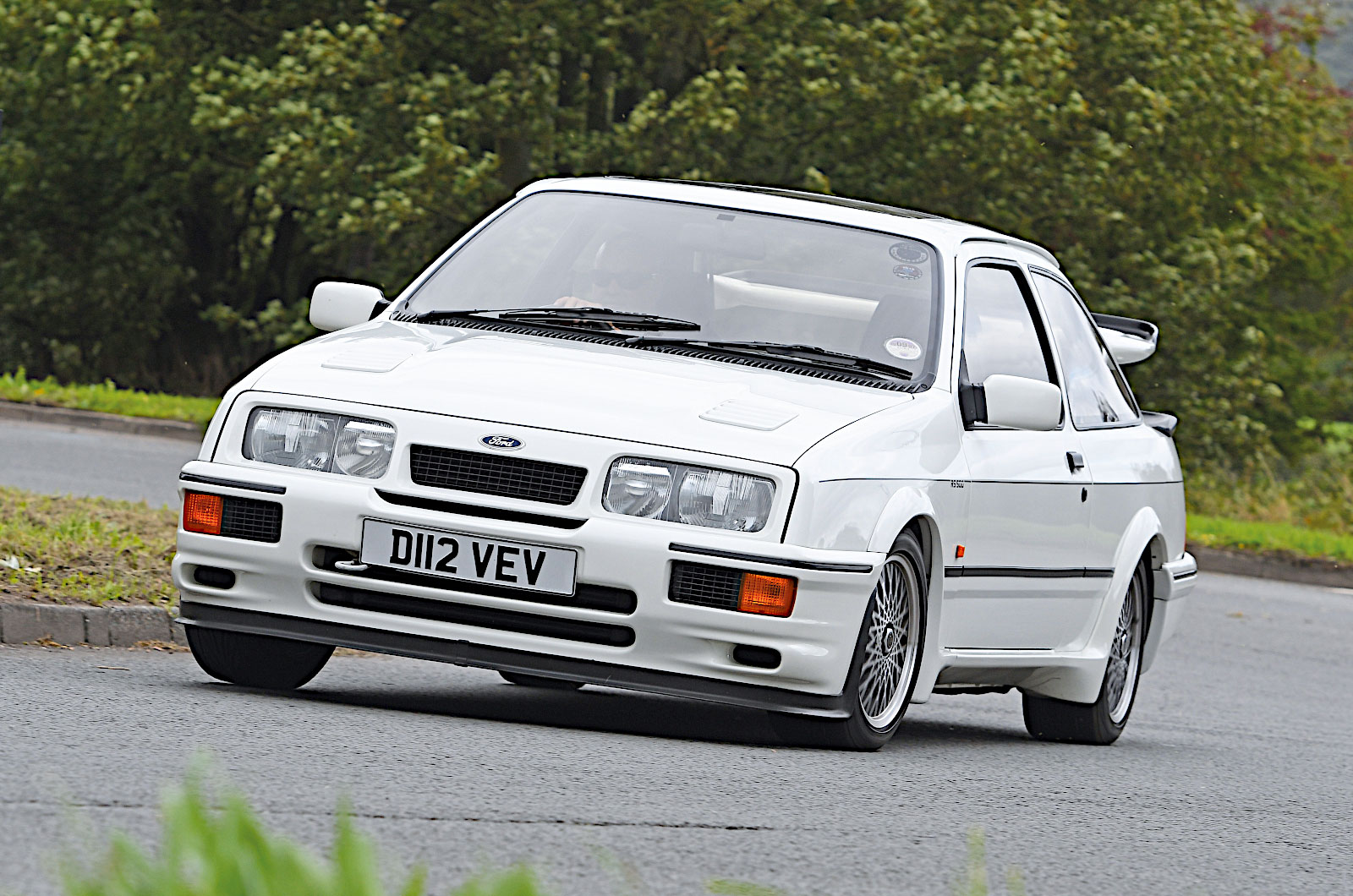
The "hot hatch" segment is defined by the transformation of standard economy cars into performance vehicles. The Ford Escort RS1600 (1970) utilized the Cosworth BDA engine, a unit based on the Ford Kent block but featuring a sophisticated 16-valve cylinder head. This engine allowed the Escort to dominate the rallying world for nearly a decade. Similarly, the Ford Sierra RS Cosworth (1986) used a turbocharged 2.0-litre "Pinto-based" engine to create a car that could produce 204bhp in road trim and over 600bhp in competition, fundamentally changing the Sierra’s reputation from a "rep mobile" to a motorsport legend.
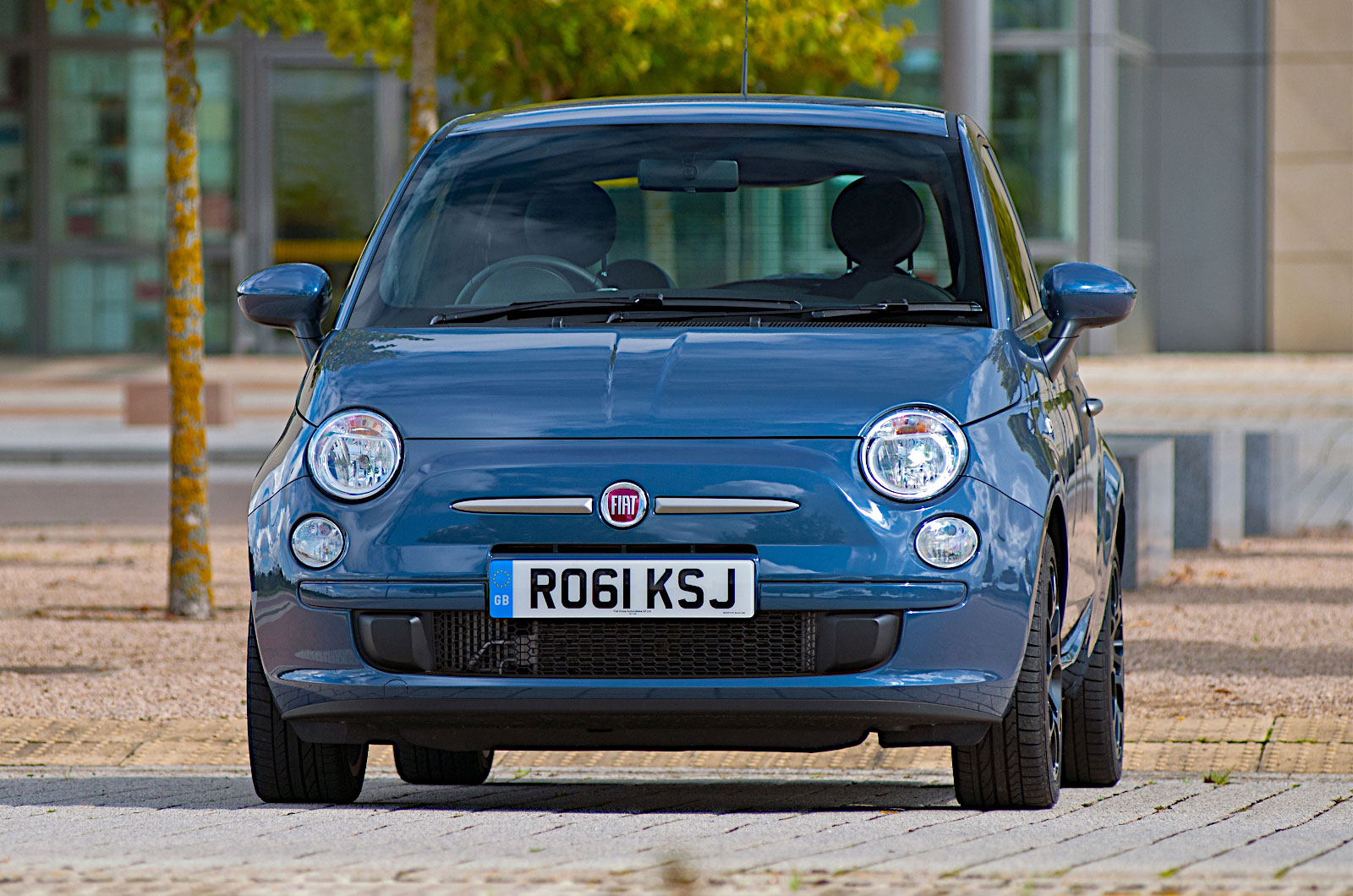
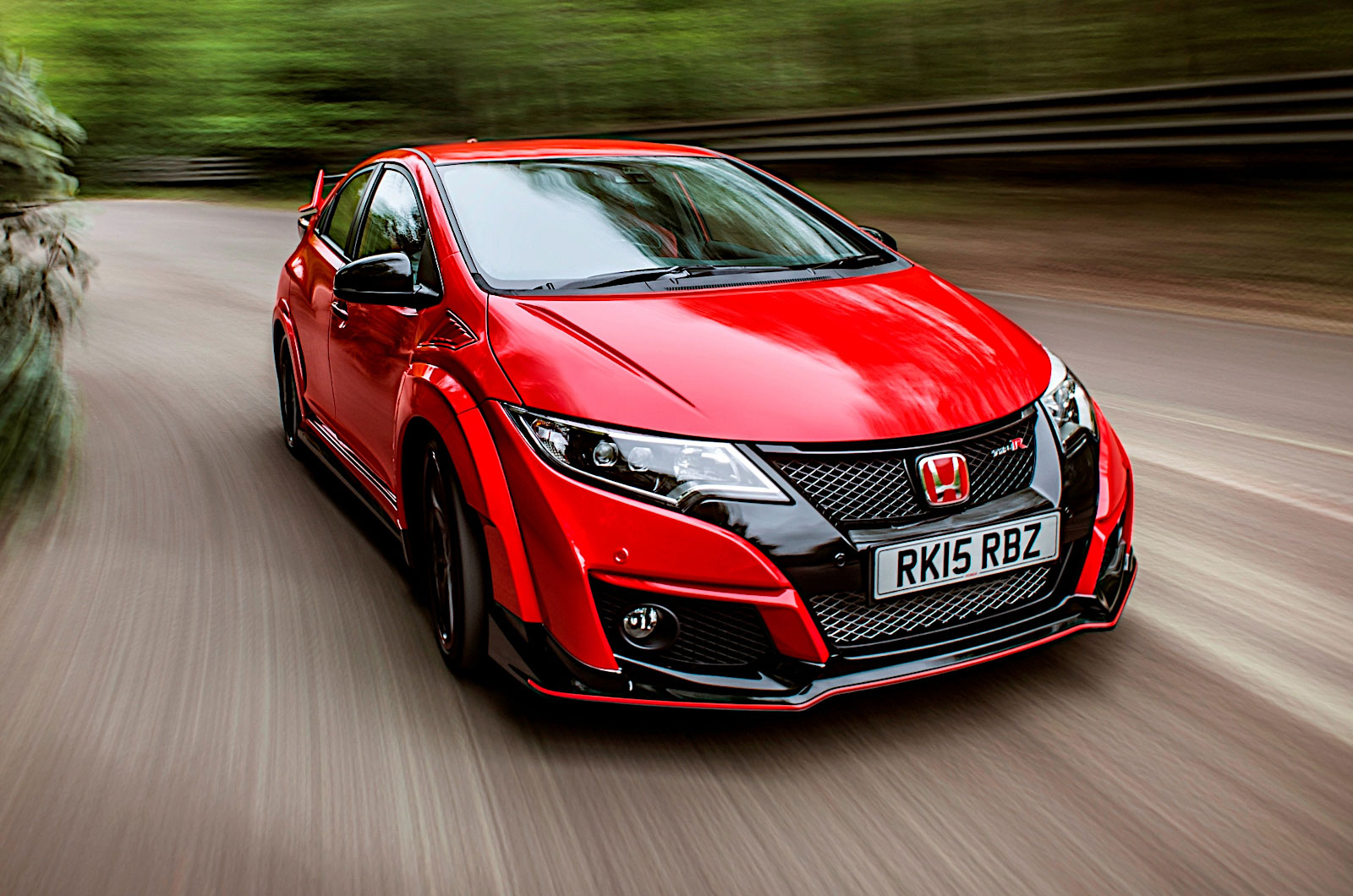
In the modern era, the Honda Civic Type R experienced a paradigm shift in 2015. For years, the Type R was defined by high-revving, naturally aspirated VTEC engines. The 2015 model introduced a 2.0-litre turbocharged unit. While the redline dropped to 7,000rpm, the peak power jumped to 306bhp, providing the mid-range torque necessary to set front-wheel-drive lap records at the Nürburgring. While some purists missed the high-revving nature of the older engines, the new powerplant made the Civic a globally competitive performance leader.
Luxury and Prestige: Vanden Plas and Lancia
Engines also serve to elevate a car’s social standing. The Vanden Plas Princess, a Farina-styled saloon, was a respectable but unexciting vehicle until 1964, when it became the Princess R. The "R" signified the installation of a 3.9-litre Rolls-Royce FB60 engine. This was the only time a Rolls-Royce engine was used in a mass-produced car from another manufacturer. The 175bhp unit provided effortless, silent performance, moving the car into a higher class of luxury.
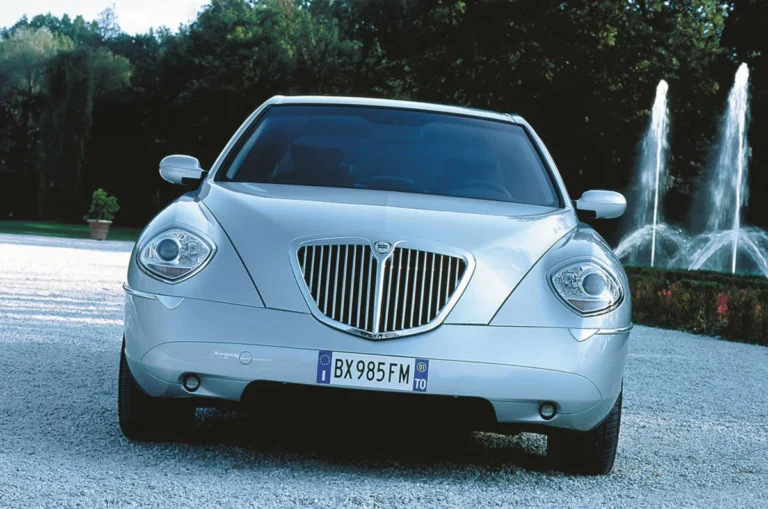
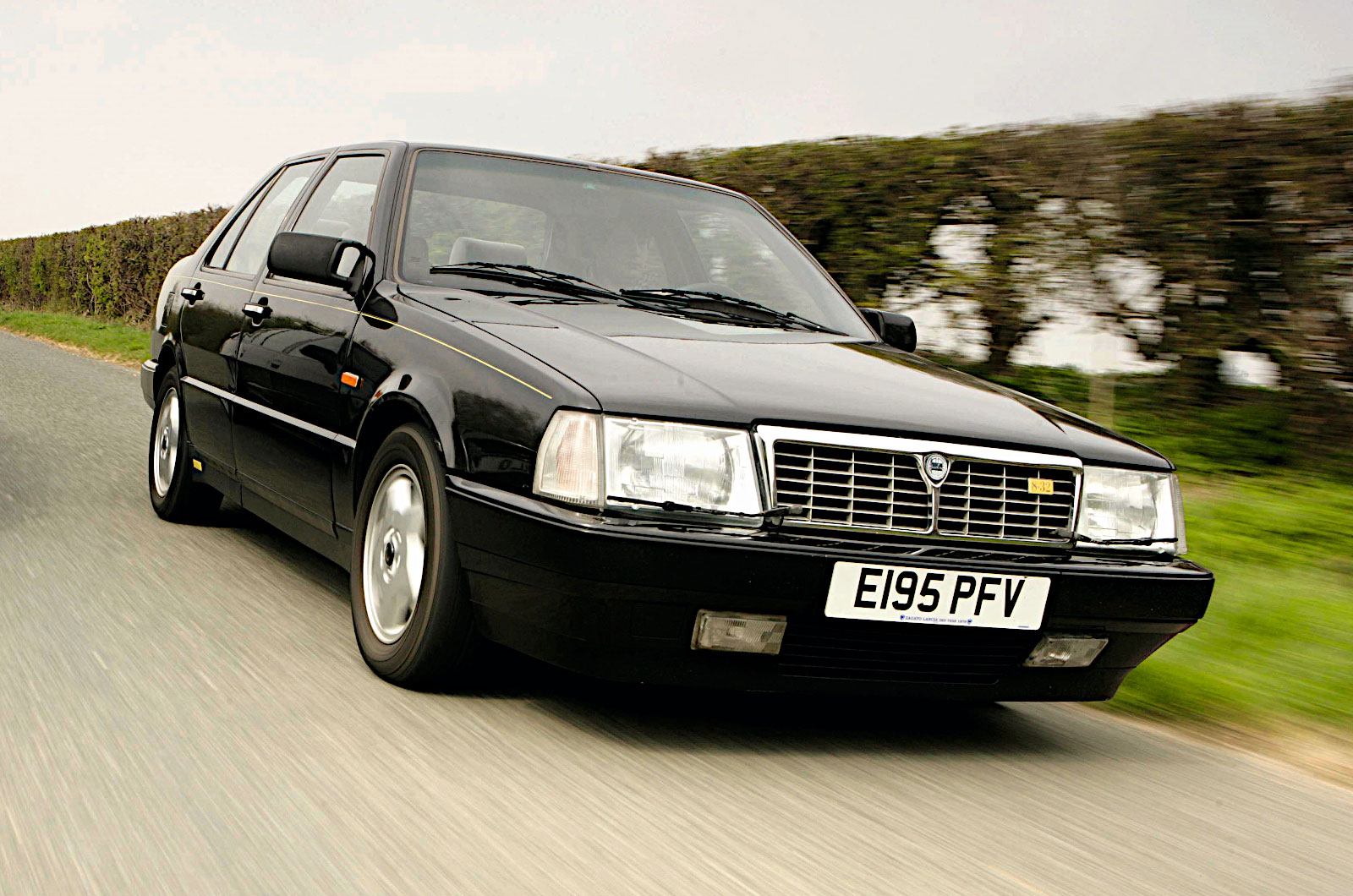
Lancia achieved a similar feat with the Thema 8.32. While the standard Thema shared a platform with Saab and Fiat, the 8.32 version featured a 2.9-litre V8 derived from the Ferrari 308. Producing 215bhp, the "Lancia by Ferrari" transformation turned a standard executive saloon into one of the most desirable sleeper cars of the 1980s, complete with a unique retractable rear spoiler.
Market-Driven Adaptations: Mazda and Saab
Not every engine transformation is about speed; some are about survival. The Mazda CX-7 was initially launched in the UK with a thirsty 2.3-litre petrol engine from the Mazda3 MPS. Sales were stagnant until Mazda replaced it with a 2.2-litre diesel in 2009. Although the diesel had 85bhp less than the petrol version, its improved fuel economy and lower tax bracket transformed the CX-7 into a viable competitor in the SUV market.
Saab faced a similar crossroads with the 96. For years, Saab relied on two-stroke engines, but by the mid-1960s, these were becoming obsolete due to emissions and consumer preference. By adopting a Ford-sourced V4 four-stroke engine in 1967, Saab extended the life of the 96 for another 13 years. Without this engine change, the model—and perhaps the brand—would have faded much sooner.
The Impact of the Engine Swap: Analysis and Implications
The history of these vehicles demonstrates that a car’s chassis is often capable of far more than its original designers intended. The "engine swap" at a factory level allows manufacturers to experiment with new market segments without the cost of developing an entirely new platform.
- Brand Perception: High-performance engines, such as the Lotus units in the Vauxhall Carlton or Sunbeam, serve as "halo" products that improve the image of the entire model range.
- Longevity: Models like the Morris Minor, which switched to the BMC A-Series engine in 1952, survived for decades because their powerplants could be continuously updated to meet modern needs.
- Technological Precursors: Exotic engines like the VW W8 or the Audi V12 TDI served as testbeds for technologies that eventually made their way into supercars like the Bugatti Veyron or Bentley Continental.
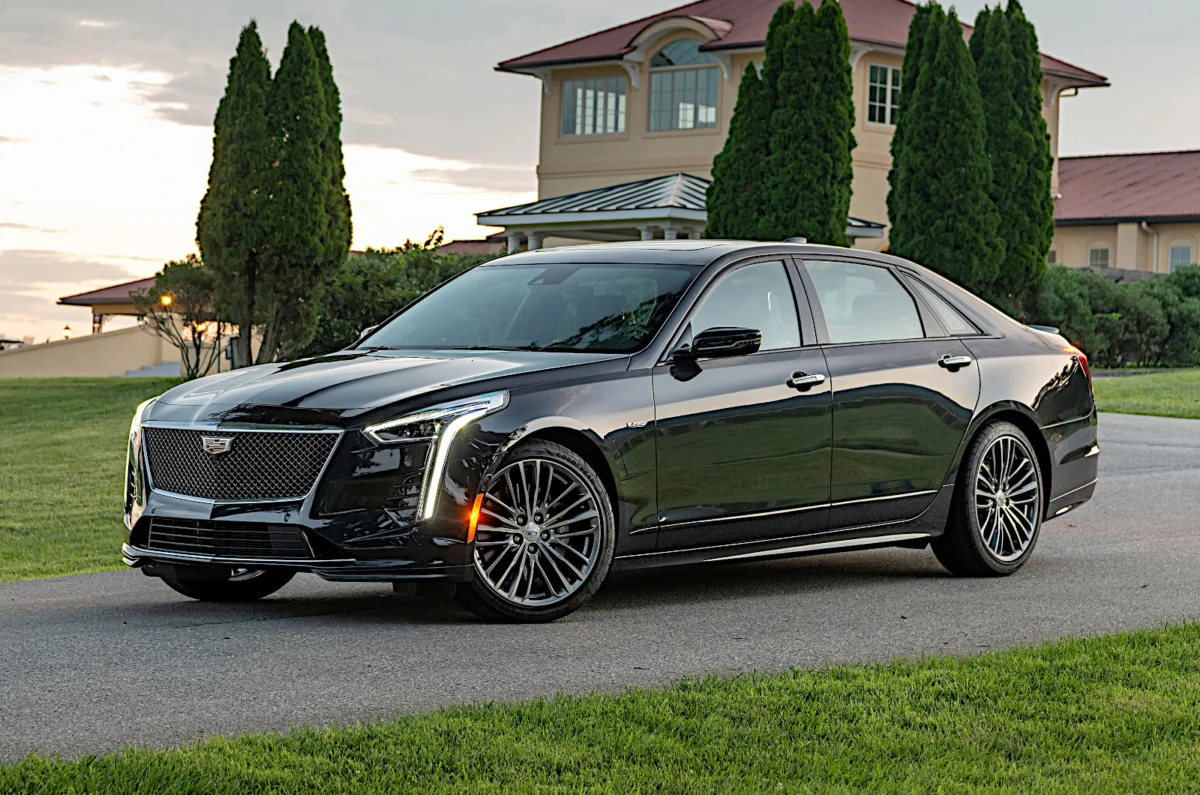
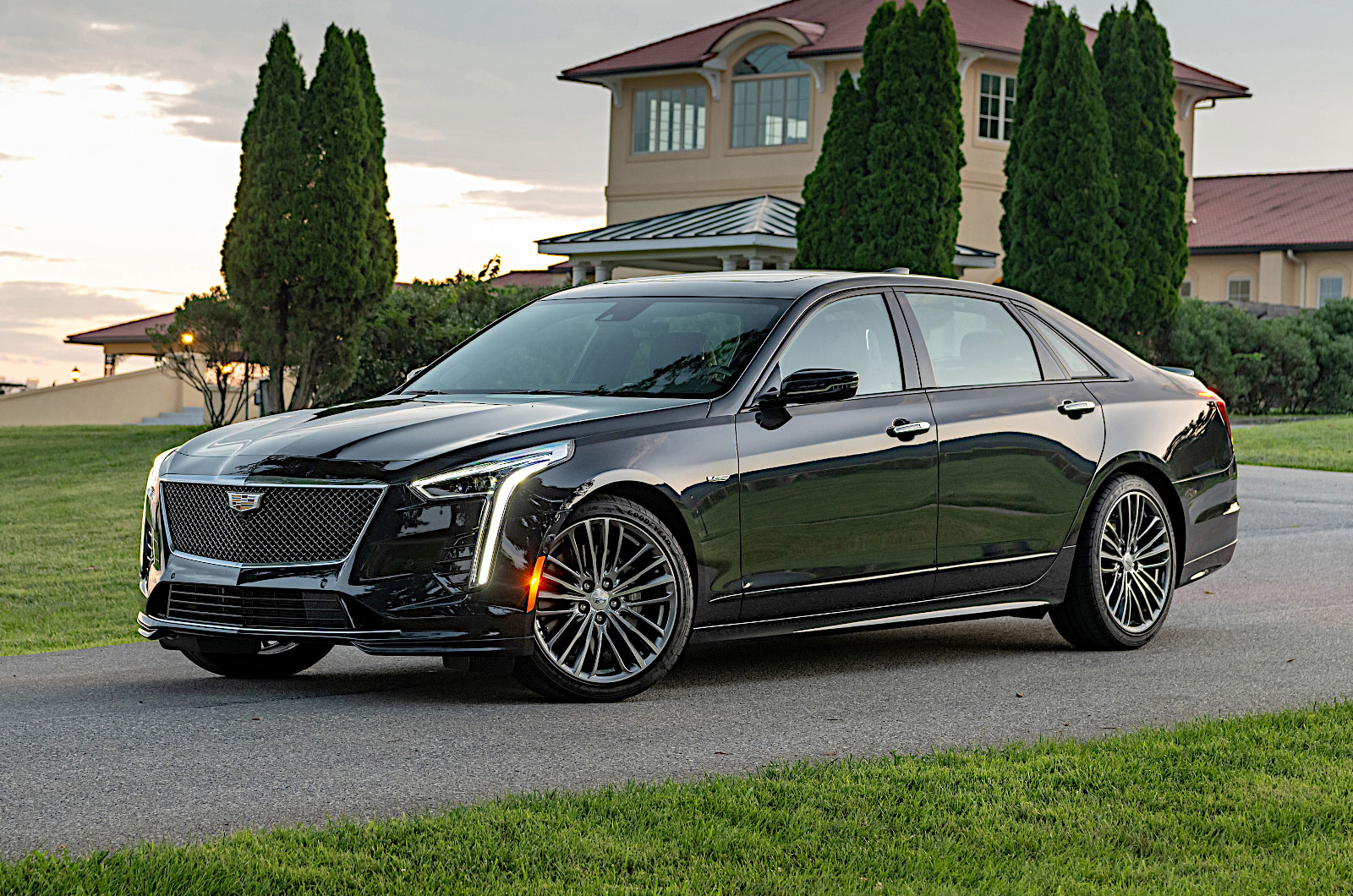
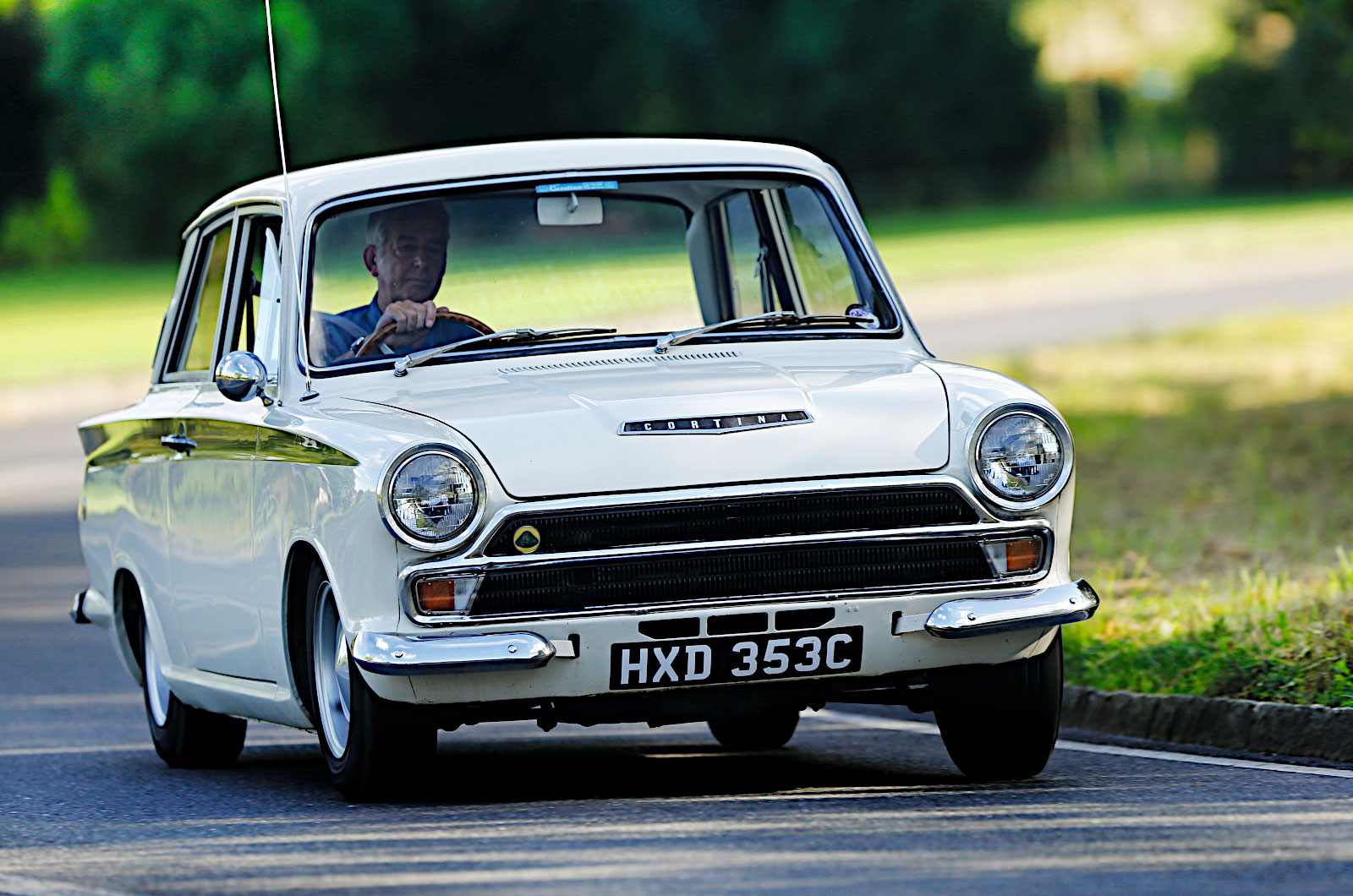
In conclusion, the arrival of a new powerplant is rarely just a mechanical update; it is a fundamental re-imagining of a car’s potential. Whether turning a humble Ford Cortina into a racing legend or a Cadillac CT6 into a high-performance luxury contender, the engine remains the heart of the automobile’s identity. As the industry shifts toward electric propulsion, these internal combustion milestones stand as a testament to an era where a change in cylinder count or aspiration could rewrite a car’s destiny.