

The Evolution of the Supercharger Ecosystem
The primary pillar of Tesla’s market dominance remains the Supercharger network. When the company first introduced the Model S in 2012, the lack of a reliable charging infrastructure was cited as the greatest barrier to electric vehicle (EV) adoption. Tesla’s response was to build its own proprietary network, a move that was initially viewed as an expensive and unnecessary gamble. Today, that network consists of over 50,000 Superchargers globally, representing the largest fast-charging network in the world.
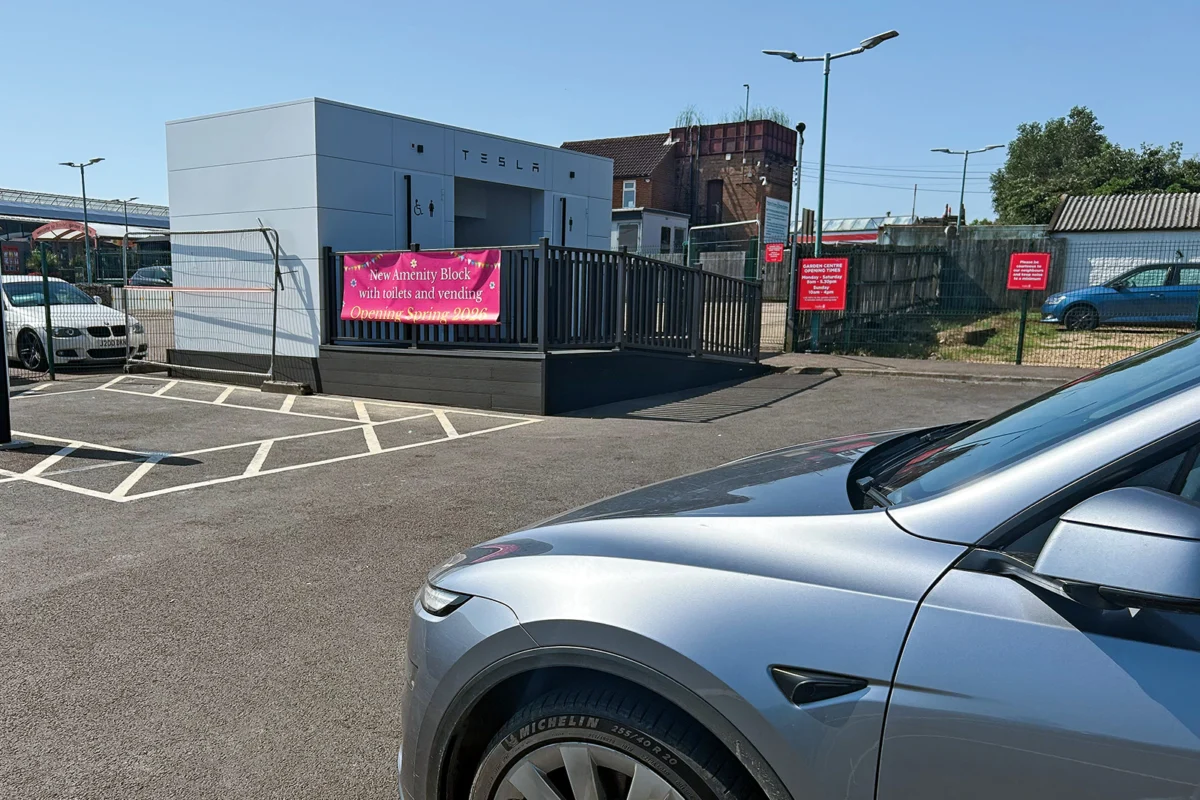
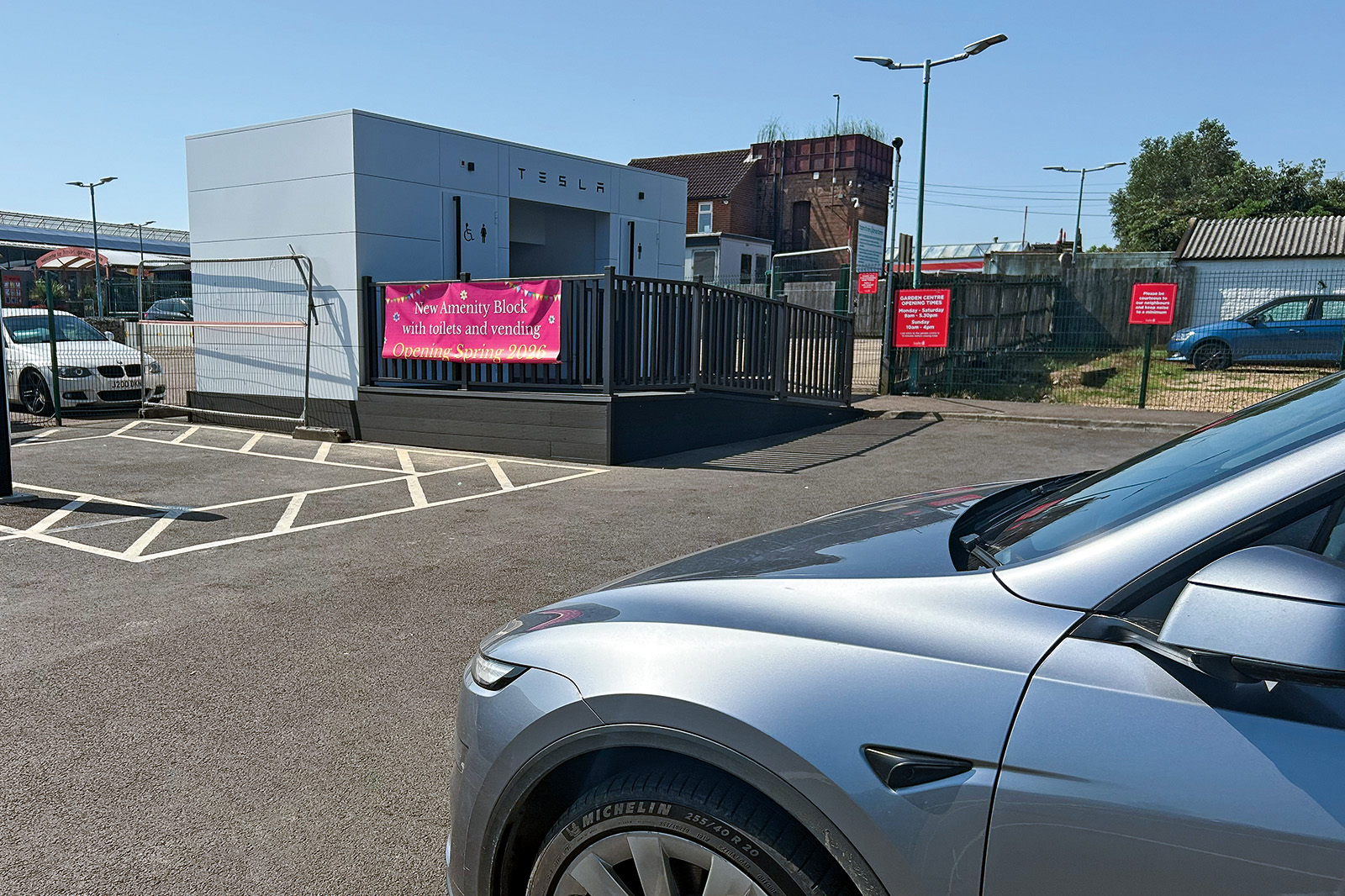
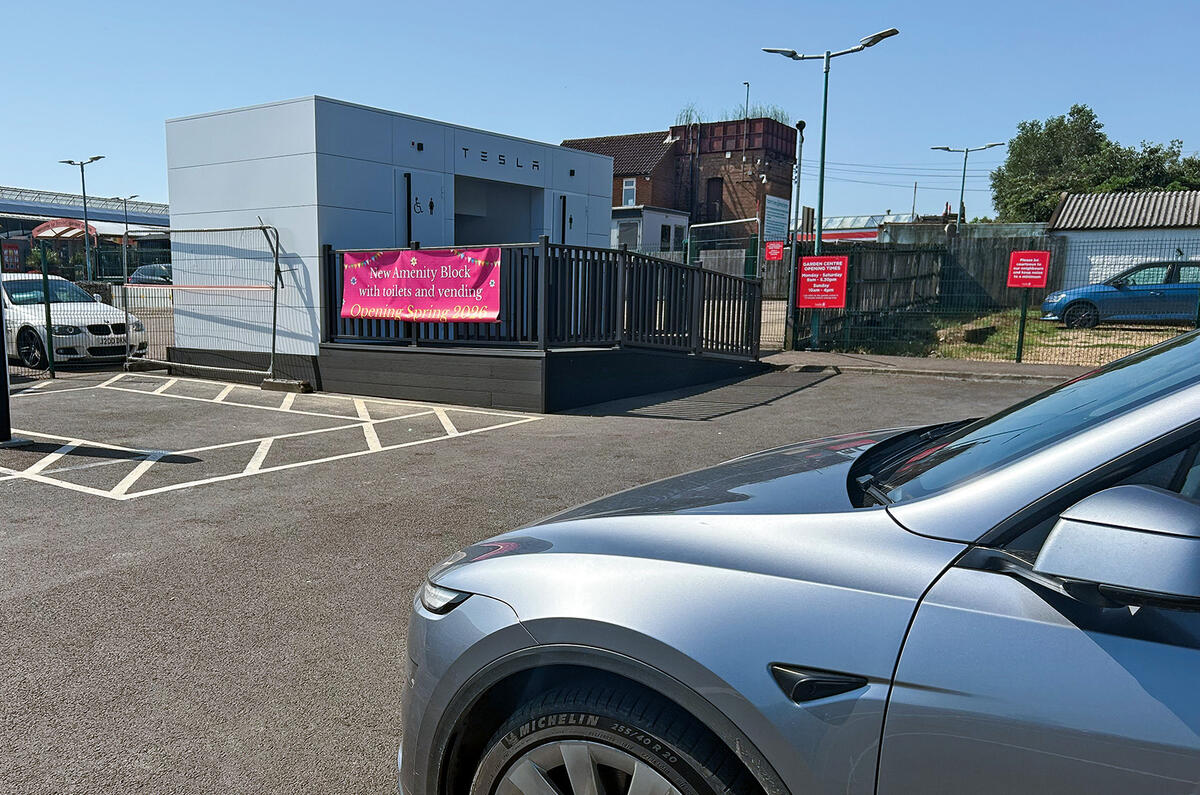
However, the "Tesla experience" has evolved beyond mere electricity delivery. The mention of "Tesla toilets" and dedicated lounges highlights a strategic pivot toward hospitality. At major Supercharger hubs, particularly in Europe and North America, Tesla has begun installing modular lounges and high-quality restroom facilities. In locations such as Giga Berlin or the expansive charging hubs in Kettleman City, California, the company provides 24/7 access to clean, secure facilities that are accessible via a code provided on the vehicle’s touchscreen. This vertical integration ensures that the charging stop—often viewed as a nuisance in the EV world—is transformed into a predictable and comfortable break.
The reliability of this network is backed by data. According to Tesla’s 2023 Impact Report, the Supercharger network maintained a 99.97% uptime globally. In contrast, third-party charging networks often struggle with "broken" stalls or software handshake failures between the car and the charger. Tesla’s "Plug-and-Charge" technology, which identifies the vehicle and bills the user’s account automatically, removes the need for RFID cards, mobile apps, or credit card readers, further streamlining the experience.
Software-Driven Utility: Dog Mode and Pet Protectors
One of the most cited examples of Tesla’s user-centric design is "Dog Mode." Introduced via an over-the-air (OTA) software update in 2019, this feature allows owners to leave their pets in the car while maintaining a set cabin temperature. To prevent concerned passersby from breaking windows to "rescue" the animal, the vehicle’s central 15-inch display shows a large-font message stating the current internal temperature and reassuring the public that the owner will return soon.
This feature is not merely a software trick; it is an integration of the vehicle’s energy management system and its thermal hardware. Because Tesla vehicles use a heat pump (in newer models like the Model Y) and a massive battery pack, the car can maintain a comfortable 70-degree Fahrenheit environment for hours with minimal impact on the overall range. This is supplemented by physical "Pet Protectors"—custom-fitted seat covers and liners sold through the Tesla shop—designed to withstand claws and fur while maintaining the aesthetic of the vegan leather interior.
The success of these features lies in their simplicity. While a traditional automaker might require a complex series of menu selections or an engine to remain idling, Tesla’s software-defined architecture allows these modes to be activated with a single tap on the screen or via the Tesla smartphone app.
The Model Y: A Case Study in Market Dominance
The Tesla Model Y, the vehicle at the center of this ecosystem, achieved a historic milestone in 2023 by becoming the best-selling car in the world, surpassing perennial favorites like the Toyota RAV4 and the Toyota Corolla. This achievement is significant as it marks the first time an all-electric vehicle has held the global top spot.
Key Specifications of the Model Y (2024 Model Year)
- Range: Up to 320 miles (EPA estimate for Long Range AWD).
- Performance: 0-60 mph in as little as 3.5 seconds (Performance trim).
- Cargo Space: 76 cubic feet with rear seats folded.
- Safety Rating: 5-star ratings from the NHTSA and Euro NCAP, with top marks in pedestrian protection and safety assist systems.
The Model Y’s success is attributed to its "Goldilocks" positioning—it offers the ride height and cargo capacity of an SUV with the efficiency and footprint of a sedan. However, the hardware is only half the story. The Model Y serves as a mobile terminal for Tesla’s services. Whether it is streaming Netflix while waiting for a charge or using the "Summon" feature to move the car out of a tight parking spot, the vehicle functions as an extension of the user’s digital life.
Chronology of Tesla’s Integration Strategy
To understand how Tesla reached this level of "ease," it is necessary to look at the timeline of their infrastructure and software developments:
- 2012: Launch of the first Superchargers in the U.S., offering free charging for life to early Model S adopters.
- 2014: Introduction of Autopilot hardware, shifting the focus toward software-assisted driving.
- 2016: Introduction of the "Glass Roof" and improved HVAC systems, laying the groundwork for better cabin climate control.
- 2019: Release of V3 Supercharging (250kW) and the "Dog Mode" software update.
- 2021: The Model Y begins deliveries with a heat pump, significantly improving cold-weather efficiency and the effectiveness of climate-controlled "Camp Mode" and "Dog Mode."
- 2023: Major automakers including Ford, GM, and Rivian announce they will adopt Tesla’s North American Charging Standard (NACS), effectively making Tesla the "de facto" refueling standard for the continent.
- 2024: Expansion of "Tesla Lounges" and the pilot program for the first "Cyber Diner" and drive-in theater charging station in Los Angeles.
Industry Reactions and the NACS Shift
The ease of the Tesla experience has forced the rest of the automotive industry to react. For years, non-Tesla EV owners struggled with the CCS (Combined Charging System) standard, which was plagued by bulky cables and inconsistent communication between vehicles and chargers.
In a landmark series of agreements starting in mid-2023, almost every major automaker operating in North America agreed to switch to Tesla’s NACS connector. This was a tacit admission by the industry that Tesla’s charging experience was superior. Jim Farley, CEO of Ford, noted after a road trip with his family that the ease of using Tesla’s network was a primary motivator for the switch. "It’s not just about the plug," Farley remarked in a public interview. "It’s about the software, the reliability, and the locations."
By opening its network to other brands, Tesla is transitioning from a car manufacturer to a global energy and infrastructure provider. Analysts suggest that the Supercharger network could eventually become a multi-billion dollar standalone business, often referred to as the "AWS of Charging," mirroring how Amazon’s cloud services became more profitable than its retail arm.
Broader Implications for the Future of Mobility
The shift toward "easy" ownership suggests that the future of the car is not just about transportation, but about time management. If a vehicle can charge itself quickly while providing a clean place to work or rest, and if it can safely house a pet or a sleeping child in a climate-controlled environment, the utility of the vehicle extends far beyond the commute.
Tesla’s focus on the "small things"—like the cleanliness of a bathroom or the font size on a Dog Mode screen—demonstrates a deep understanding of consumer psychology. In the premium market, luxury is increasingly defined by the absence of stress rather than the presence of leather and chrome.
However, this ecosystem approach also raises questions about market monopolization and data privacy. As Tesla vehicles become more integrated with the user’s life, the company collects vast amounts of data on driving habits, charging preferences, and even cabin behavior. Furthermore, the reliance on a single company for both the vehicle and the refueling infrastructure creates a "walled garden" effect, similar to the Apple ecosystem, which can make it difficult for consumers to switch to other brands.
Conclusion
The Tesla Model Y experience, characterized by its "easy" nature, is the result of a decade of aggressive vertical integration. By controlling the software, the hardware, and the infrastructure, Tesla has eliminated many of the traditional pain points of vehicle ownership. The inclusion of amenities like dedicated restrooms at charging sites and specialized software modes for pets are not merely gimmicks; they are components of a broader strategy to make the electric vehicle the most convenient choice for the modern consumer. As the industry moves toward 2030, the benchmark for success will likely no longer be measured in horsepower or torque, but in the seamlessness of the ecosystem that supports the driver from the moment they leave their home to the moment they return.