The integration of digital technology within the automotive industry has reached a controversial milestone as BMW faces mounting criticism for pushing promotional content directly to vehicle infotainment systems. While the German automaker maintains that a recent video featuring the Spider-Man franchise is an "exclusive content experience" rather than an advertisement, the move has ignited a debate regarding the sanctity of the private cabin and the boundaries of in-car monetization. This development marks a significant shift in how luxury manufacturers perceive their relationship with customers, transitioning from providers of mechanical hardware to operators of digital platforms.
The Genesis of the In-Car Promotion
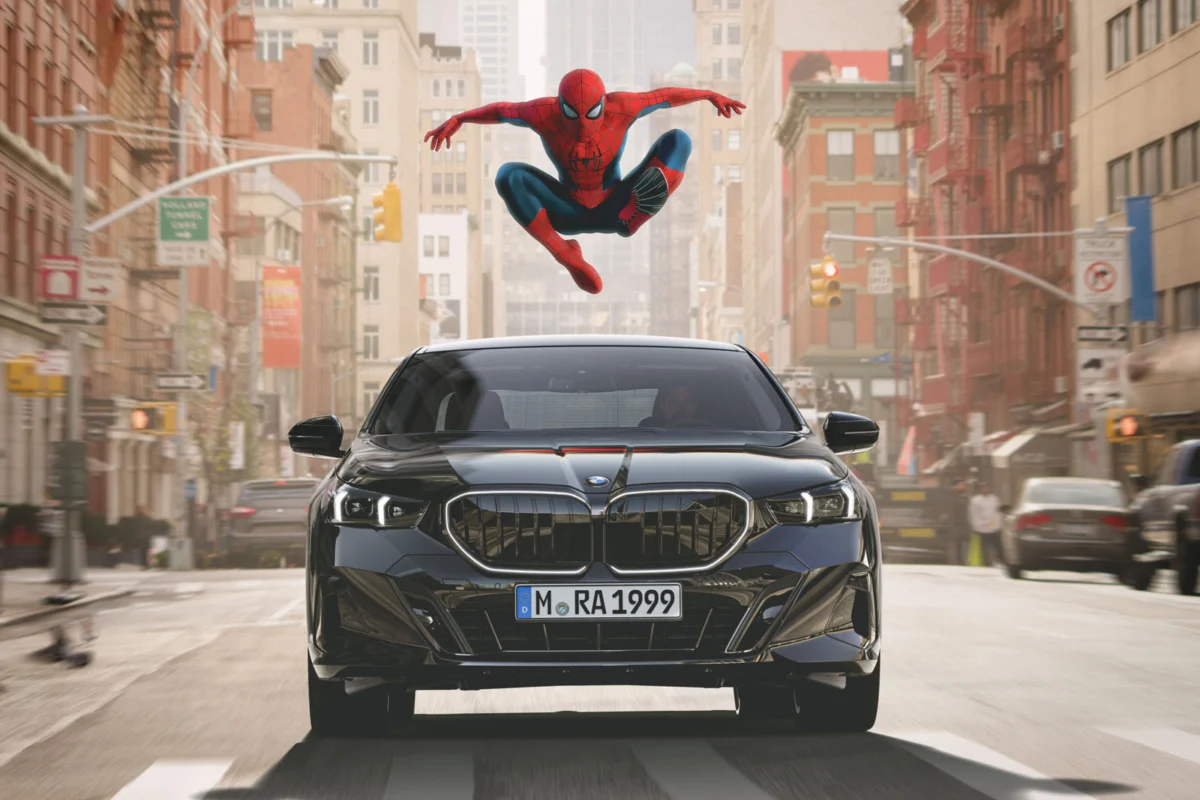
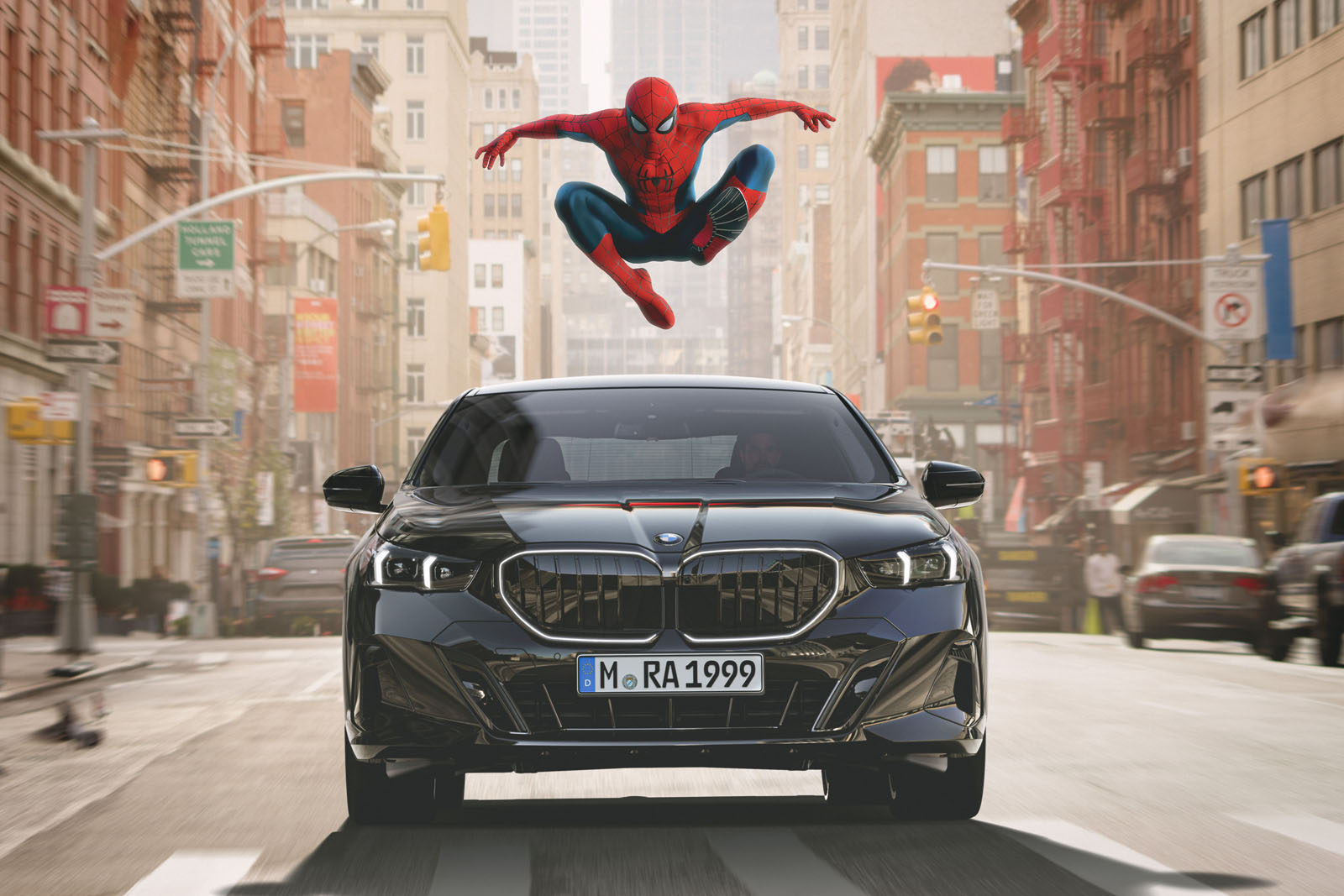
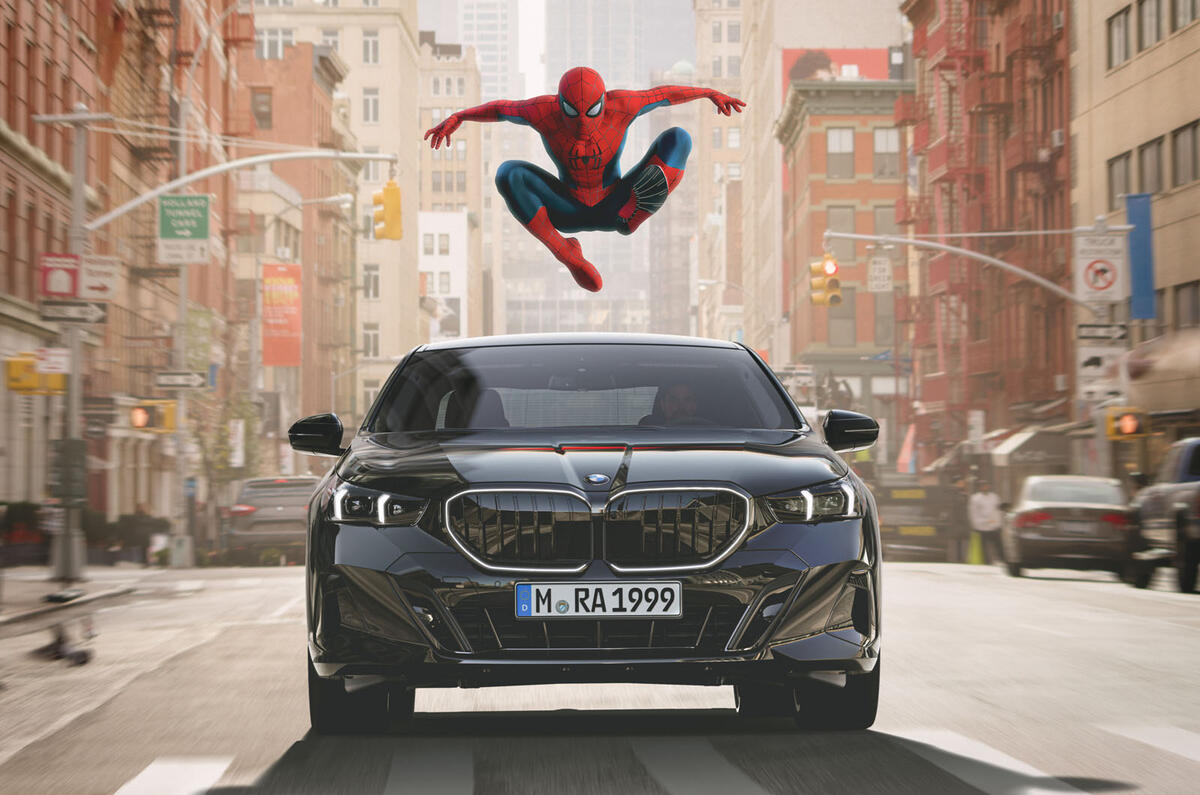
The controversy stems from a collaborative marketing campaign between BMW and Sony Pictures, timed to coincide with the release of the latest installment in the Spider-Man cinematic universe. Owners of modern BMW models, specifically those equipped with the iDrive 7 and iDrive 8 operating systems, reported receiving unsolicited notifications on their dashboard displays. Upon interacting with these notifications, a high-definition video sequence plays, showcasing the film alongside prominent placements of BMW’s electric fleet, including the iX3 and the new 5 Series.
BMW has historically utilized its "ConnectedDrive" platform to send functional updates, such as navigation map refreshes or service reminders. However, the use of this channel for theatrical promotion represents a departure from utility-based communication. The film tie-in, titled "Spider-Man: Across the Spider-Verse" (and associated marketing materials referred to in some regions as "Brand New Day"), features the BMW iX1 and other models in an animated environment, blurring the lines between cinematic art and corporate product placement.
A Chronology of BMW’s Digital Evolution
The path to in-car advertising has been paved by a decade of incremental software integration. To understand the current friction, it is necessary to examine the timeline of BMW’s digital strategy:
- 2014-2016: Introduction of the BMW ConnectedDrive Store, allowing users to purchase concierge services and real-time traffic information via the dashboard.
- 2018: The launch of BMW Operating System 7, which enabled comprehensive Over-the-Air (OTA) updates. This allowed the manufacturer to modify vehicle software remotely without a dealership visit.
- 2020: BMW faced its first major digital backlash when it announced plans to offer hardware features, such as heated seats and high-beam assistant, as monthly subscriptions (Functions on Demand).
- 2022: The partnership with Sony Pictures was solidified, leading to the integration of themed "Modes" and digital art sequences within the vehicle’s curved display.
- 2023-2024: The deployment of the Spider-Man promotional video, which appeared as a "gift" or "special feature" in the vehicle’s notification center.
Technical Implementation and User Experience
The promotional content is delivered via the vehicle’s integrated SIM card, utilizing the same data pipeline as critical safety updates. When the vehicle is stationary, or in some cases upon startup, a prompt appears on the central touchscreen. Critics argue that even if the video requires a manual click to play, the presence of the notification itself constitutes an intrusion.
For the user, the experience is often described as jarring. A luxury vehicle, often costing between $50,000 and $120,000, is traditionally viewed as a sanctuary from the pervasive advertising found on smartphones and television. The appearance of a movie trailer in this environment suggests that the purchase price of the vehicle does not exempt the owner from being treated as a captive audience for third-party marketing.
Supporting Data: The Rise of In-Car Commerce
The push toward in-car advertising is driven by significant financial projections. According to a report by McKinsey & Company, the value of data signaling and in-car connectivity could create a global revenue pool of $1.5 trillion by 2030. Automakers are eager to capture a portion of this market to offset the high R&D costs of electric vehicle (EV) transition.
- Market Growth: The global in-car infotainment market was valued at approximately $21.4 billion in 2022 and is projected to reach $37.5 billion by 2030, growing at a CAGR of 7.3%.
- Data Monetization: Modern connected cars generate up to 25 gigabytes of data per hour. This data provides insights into driver behavior, location preferences, and entertainment choices, making the dashboard a highly valuable "real estate" for advertisers.
- Subscription Revenue: BMW has stated its goal to increase the share of digital services and software in its total revenue. By 2030, the company aims for a significant percentage of its annual profit to come from digital recurring revenue.
Official Responses and Stakeholder Reactions
BMW’s official stance remains defensive of the practice. In statements regarding the Spider-Man integration, a spokesperson for the company emphasized that the content is intended to "enhance the customer experience" by providing "exclusive access" to creative collaborations. They argue that as cars become "mobile living spaces," the provision of entertainment content is a natural progression of the user interface.
However, the reaction from the automotive community has been largely negative. On prominent owner forums such as Bimmerpost and Reddit’s r/BMW, users have expressed frustration. Common sentiments include:
- Privacy Concerns: Questions regarding whether user data (location and viewing habits) is being shared with film studios.
- Safety Implications: Concerns that non-essential notifications could distract drivers or clutter the interface during critical navigation moments.
- Brand Devaluation: Arguments that "pop-up ads" are inconsistent with the premium, "Ultimate Driving Machine" branding that BMW has cultivated for decades.
Industry analysts suggest that while BMW is the current focal point of this criticism, they are not alone. Tesla has used its screens to promote its own products and software packages, and Mercedes-Benz has explored "digital extras" that include branded aesthetic themes.
Safety and Regulatory Implications
The introduction of promotional content into the cockpit raises questions about driver distraction. Organizations such as the National Highway Traffic Safety Administration (NHTSA) in the United States and the European New Car Assessment Programme (Euro NCAP) have strict guidelines regarding "driver-distraction-heavy" interfaces. While BMW ensures that full-motion videos can only be played while the vehicle is in park, the notification system itself uses the same visual and auditory cues as safety alerts.
Regulatory bodies are also looking into the "Right to Quiet." As cars become more software-defined, there is a growing movement to ensure that consumers can opt-out of all non-essential communications. Under the General Data Protection Regulation (GDPR) in Europe, the use of a vehicle’s internal systems for marketing may require more explicit consent than what is currently buried in standard Terms and Conditions agreements.
Analysis: The Future of the Captive Audience
The Spider-Man incident is a symptom of a larger transition within the automotive sector. As profit margins on hardware (the physical car) are squeezed by the costs of battery technology and global competition, manufacturers are looking toward the "Digital Twin" of the vehicle to generate ongoing income.
This creates a fundamental tension. For the manufacturer, the dashboard is a platform for ecosystem growth. For the consumer, it is a tool for transport. If the dashboard becomes an extension of the ad-supported internet, it risks alienating the very customers who pay a premium for a high-end experience.
The "step too far" identified by critics lies in the lack of choice. When a user buys a smartphone, they expect an app-driven ecosystem. When a user buys a luxury performance sedan, they expect an interface dedicated to the act of driving. By conflating the two, BMW is testing the elasticity of its brand loyalty.
Conclusion
The appearance of Spider-Man on BMW dashboards is more than a simple cross-promotion; it is a trial balloon for the future of in-car advertising. While the technology allows for seamless delivery of content, the psychological impact on the consumer remains a significant hurdle. As vehicles continue to evolve into connected devices, the industry must decide whether the cockpit will remain a focused environment for the driver or become the next frontier for the attention economy. For now, the backlash from the BMW community suggests that for many, the "Ultimate Driving Machine" should not come with a commercial break.