


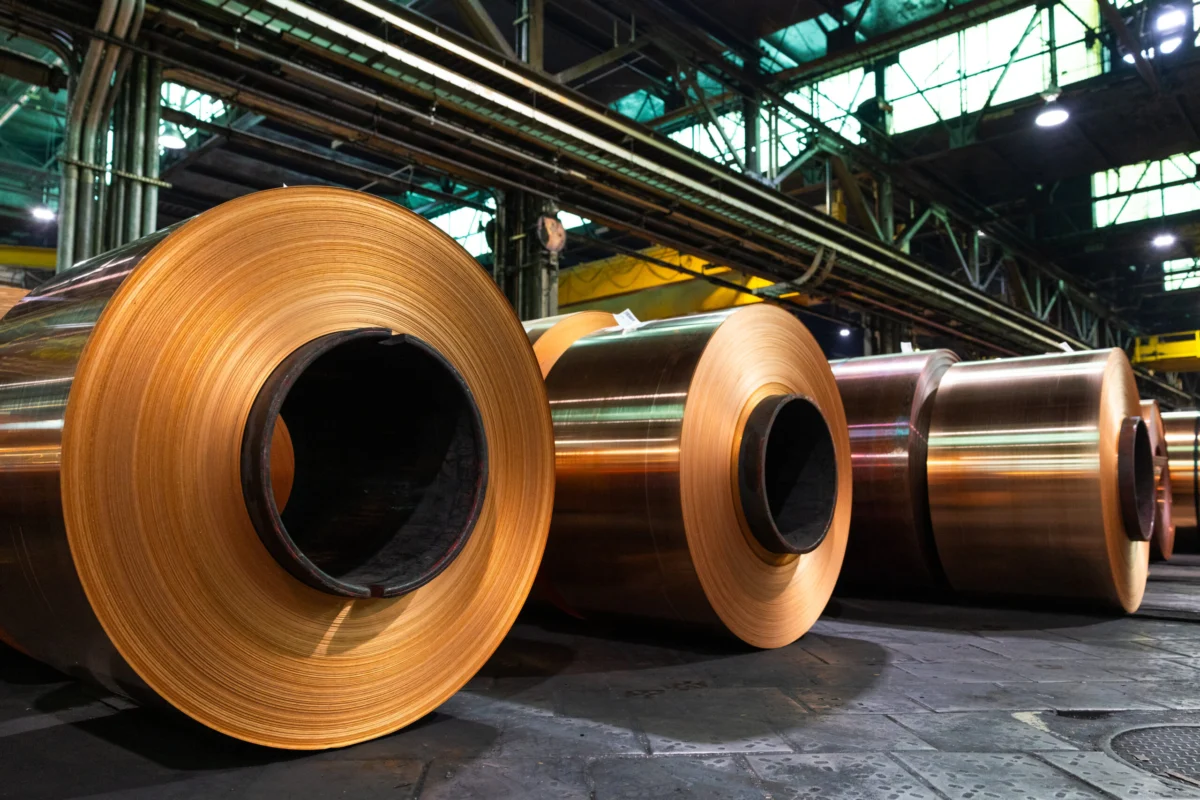
Copper, long revered as "Dr. Copper" for its perceived ability to diagnose the health of the global economy, surged to a record high on Thursday, with U.S. copper futures climbing to approximately $6.90 a pound before a slight retreat by session’s end. This latest ascent, however, unfolds against a nuanced and often contradictory global economic backdrop, challenging the metal’s traditional role as a straightforward barometer of robust growth. The unprecedented valuation of the industrial metal, critical for construction, electronics, transportation, and increasingly, cutting-edge AI applications, appears to be a complex confluence of severely constrained supply, unprecedented global grid investment, geopolitical trade uncertainties, and an insatiable demand driven by the worldwide push for electrification.
The Anatomy of a Surge: A Confluence of Supply-Side Squeeze
The narrative underpinning copper’s dramatic price appreciation is heavily weighted towards persistent and escalating supply-side challenges. Unlike previous cycles where demand typically led price increases, market analysts are increasingly pointing to a structural deficit in the availability of the red metal. Michael Widmer, Bank of America’s head of metals research, emphasized this point, stating that the recent market dynamics were "not really driven by copper demand but really driven by copper supply."
Global Mining Landscape and Disruptions:
A significant contributor to the supply crunch is the inherent difficulty and lengthy timeline associated with bringing new copper mines online. Developing a major new mine can take an arduous decade, encompassing extensive exploration, feasibility studies, securing vast capital, navigating complex environmental regulations, and obtaining social licenses to operate from local communities. This protracted development cycle means that current supply is largely dictated by past investment decisions, many of which were curtailed during periods of lower prices. Moreover, existing mines face their own set of challenges, including declining ore grades, which necessitate processing larger volumes of material to extract the same amount of copper, thereby increasing operational costs and environmental footprints.
Geographical concentration further exacerbates supply vulnerabilities. Chile, the world’s largest single copper producer, has experienced a series of disruptions, including heavy snow, torrential rainfall, and high winds, which have significantly impacted mining operations in recent years. Such weather-related events, often intensified by climate change, serve as stark reminders of the fragility of global supply chains. Beyond Chile, other major producing regions like Peru and the Democratic Republic of Congo (DRC) frequently contend with operational challenges ranging from labor disputes and community protests to energy shortages and logistical bottlenecks, all of which contribute to a volatile and unpredictable supply environment.
Policy and Geopolitics Tighten the Knot:
Geopolitical decisions and trade policies have also played a crucial role in tightening the global copper market. On the very day copper prices soared to new highs, the Democratic Republic of Congo officially announced a ban on the export of copper and cobalt concentrates. This strategic move by the DRC, a pivotal player in the global supply of both metals, aims to encourage more domestic processing and value addition within the country. While potentially beneficial for the DRC’s long-term industrialization goals, it immediately removes a significant volume of raw material from the international market, compelling refiners elsewhere to seek alternative, often more expensive, sources.
Adding to these constraints are trade policies from major economies. In June 2025, former President Donald Trump signed a proclamation imposing 50% tariffs on imports of semi-finished copper products and copper-intensive derivative products into the United States. This protectionist measure, enacted under Section 232 of the Trade Expansion Act of 1962, cited national security concerns and aimed to bolster domestic production and processing capabilities. While intended to safeguard American industry, such tariffs inevitably distort global trade flows, raise import costs for U.S. manufacturers, and contribute to overall market tightness. Similarly, China’s ongoing crackdown on the availability of scrap copper, driven by environmental concerns and a desire for higher-quality primary material, has further constrained global supplies throughout 2026, forcing industries reliant on recycled material to pivot towards virgin copper.
The cumulative effect of these supply-side pressures, from natural disruptions and long development cycles to strategic export bans and protectionist tariffs, has created an acute scarcity in the market. William Osnato, Barchart director of commodity data research and analysis, noted that these disruptions have been pushing consumers to pull metal out of London Metal Exchange (LME) warehouses, a trend that invariably drives up refining costs and signals a deeply constrained market.
Demand’s New Drivers: Beyond Traditional Economic Growth
While supply constraints provide a powerful impetus for copper’s price surge, the demand side of the equation is undergoing a profound transformation, moving beyond its traditional ties to broad economic expansion. Today’s demand is increasingly structural, driven by megatrends that are reshaping global industries and energy systems.
The Electrification Imperative:
The global transition towards a greener, more electrified future stands as the single most significant long-term driver of copper demand. Copper’s exceptional electrical conductivity makes it indispensable for virtually every aspect of this transition:
- Electric Vehicles (EVs): An electric car typically uses two to four times more copper than a conventional internal combustion engine (ICE) vehicle, ranging from 80-100 kg per vehicle compared to 20-30 kg for an ICE car. This copper is used in electric motors, batteries, inverters, wiring, and charging ports. As global EV adoption accelerates, so too will the demand for copper.
- Renewable Energy Generation: Solar photovoltaic (PV) systems, wind turbines (both onshore and offshore), and associated energy storage solutions (batteries) are highly copper-intensive. A single offshore wind turbine can contain several tons of copper, while solar farms require extensive copper wiring for energy collection and transmission. The ambitious global targets for renewable energy deployment translate directly into immense copper requirements.
- Grid Modernization and Expansion: Integrating intermittent renewable energy sources into existing power grids, coupled with the rising demand from EVs and data centers, necessitates massive investments in grid infrastructure. This includes new transmission lines, distribution networks, transformers, and smart grid technologies, all of which are heavy consumers of copper. China, for instance, has already seen its grid investment surge by 13% year-over-year in the first half of 2026 and has announced an ambitious plan to invest approximately $574 billion in power grid upgrades, demonstrating the scale of this demand driver. Similar efforts are underway in Europe, North America, and other rapidly developing economies to upgrade aging infrastructure and build resilient, smart grids.
The AI Revolution and Data Center Energy Hunger:
A newer, yet rapidly escalating, demand vector comes from the burgeoning Artificial Intelligence (AI) industry and its foundational infrastructure: data centers. William Osnato highlighted that "the underpinning story of elevated copper prices has been data center and power grid demand to support the rapid AI industry expansion." Data centers are colossal energy consumers, requiring vast amounts of copper for their internal wiring, power distribution units, cooling systems, and networking infrastructure. The exponential growth of AI models and applications, from generative AI to complex machine learning, demands ever-increasing computational power, which translates directly into more data centers, more servers, and consequently, more copper. This surge in demand, Osnato noted, is "more acute and not the traditional broad economic growth that supports copper." It represents a focused, high-intensity consumption pattern that is less sensitive to conventional economic cycles.
The combination of these structural demand drivers means that even if global economic growth were to moderate, copper demand is likely to remain robust, buoyed by the unstoppable forces of decarbonization and digitalization.
Analyst Perspectives: Deconstructing the "Dr. Copper" Narrative
The current market dynamics have prompted a re-evaluation of copper’s traditional role as an economic bellwether. For decades, "Dr. Copper" earned its moniker due to its ubiquitous use across diverse industrial sectors. An increase in copper prices was generally interpreted as a leading indicator of expanding manufacturing activity, construction booms, and overall economic health. Conversely, a decline often signaled an impending slowdown.
However, as Osnato and Widmer suggest, the current rally complicates this straightforward interpretation. "It is definitely a new situation for Dr. Copper," Osnato remarked. The market is now grappling with a scenario where record prices are not necessarily mirroring a broad-based economic boom but rather a specific and concentrated surge in demand from transformative technologies and infrastructure, alongside unprecedented supply constraints. This makes the once-reliable gauge of economic health "harder to read."
Analysts are emphasizing that the supply-side story, characterized by insufficient new mine capacity, operational disruptions, and geopolitical interventions, is now the dominant force. While robust demand from electrification and AI is undeniable, its interaction with a severely inelastic supply base is what’s truly driving prices to historic highs. This structural shift suggests that copper prices may no longer be as sensitive to minor fluctuations in GDP growth but rather to long-term investment cycles in green energy, digital infrastructure, and mining capacity.
Economic Implications and Broader Impact
The sustained ascent of copper prices carries significant economic implications across various sectors and geographies.
Inflationary Pressures Across Industries:
As a fundamental industrial input, rising copper costs will inevitably translate into higher prices for a vast array of goods and services. The construction sector, reliant on copper for wiring, plumbing, and roofing, will face increased material costs, potentially impacting housing affordability and infrastructure project budgets. Manufacturers of electronics, appliances, and industrial machinery will see their input costs climb, which could be passed on to consumers. The automotive industry, particularly EV manufacturers, will grapple with higher production costs, potentially slowing the pace of EV adoption if prices become less competitive.
Challenges for Green Transition and Infrastructure Development:
Paradoxically, the very forces driving copper demand—electrification and grid modernization—could face headwinds from the rising cost of the metal. High copper prices could increase the capital expenditure required for renewable energy projects, making solar farms, wind parks, and battery storage solutions more expensive to build. Similarly, the ambitious grid upgrade plans in countries like China, the U.S., and Europe will become more costly to execute, potentially delaying critical infrastructure development necessary for a stable and resilient energy future. This creates a tension between the urgent need for a green transition and the escalating cost of its fundamental materials.
The Geopolitical Stakes of Critical Minerals:
The strategic importance of copper, alongside other critical minerals like cobalt and lithium, is intensifying geopolitical competition. Nations are increasingly recognizing the vulnerability of their economies and energy security to disruptions in the supply of these materials. The DRC’s export ban, for instance, highlights the growing trend among resource-rich nations to exert greater control over their mineral wealth, aiming to capture more value domestically. This could lead to more bilateral agreements, strategic investments in mining projects, and even potential trade disputes as countries vie for secure access to essential resources. The U.S. tariffs, while aimed at domestic protection, also underscore this global competition for control over critical supply chains.
Looking Ahead: An Evolving Market Landscape
The current copper market reflects a profound structural transformation rather than a fleeting cyclical peak. The confluence of underinvestment in new mining capacity over the past decade, increasing operational complexities, geopolitical interventions, and an unprecedented surge in demand from electrification and AI suggests that the market is likely to remain in a structural deficit for the foreseeable future. Projections from various financial institutions and industry bodies consistently point to a widening supply gap in the coming years, even as new projects are eventually brought online.
This evolving landscape necessitates a re-evaluation of copper’s role as an economic barometer. While still indicative of industrial activity, its signals are now filtered through the lens of specific technological revolutions and resource geopolitics. "Dr. Copper" has not lost its diagnostic power entirely, but its readings are now more complex, reflecting not just the pulse of the broad economy, but also the specific, intense demands of a world undergoing a massive energy transition and digital transformation. The challenge for policymakers, investors, and industries alike will be to navigate this new reality, ensuring adequate supply for a sustainable future while managing the economic implications of a consistently high-priced, strategically vital commodity.