



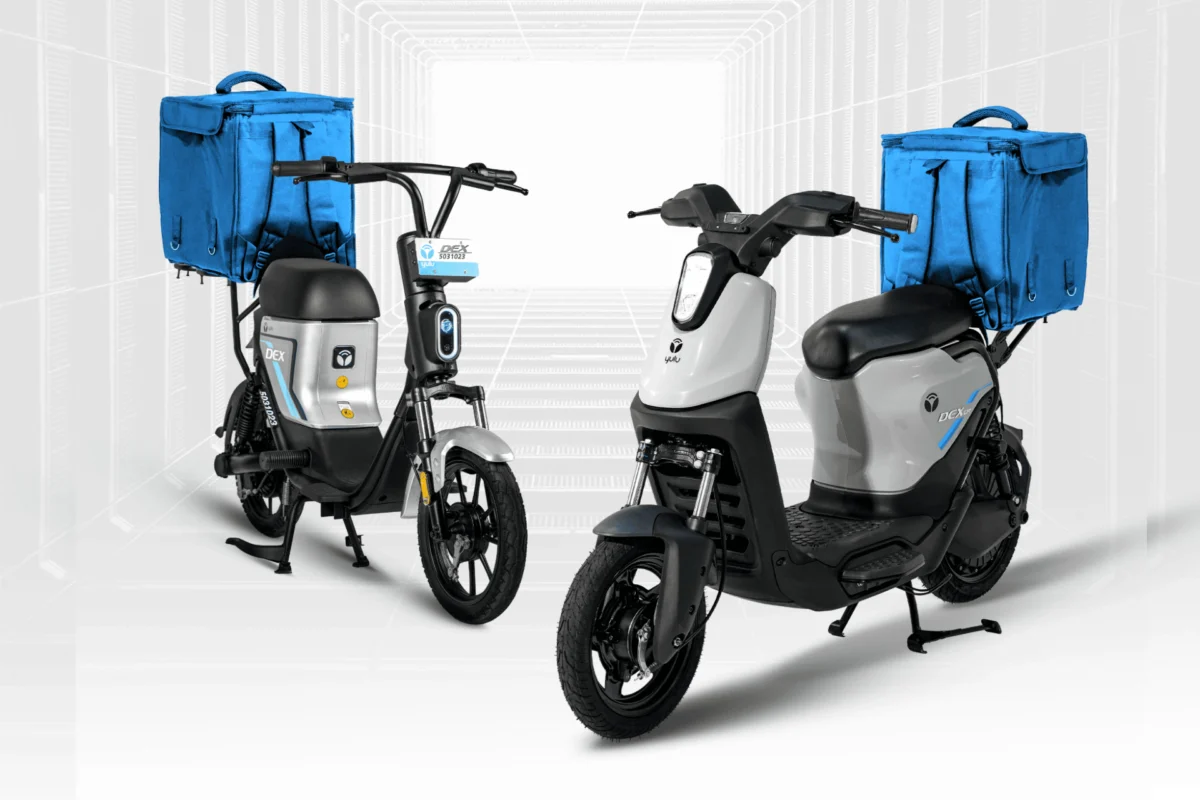
Bengaluru-based electric mobility startup Yulu has successfully closed a Series C funding round, raising a substantial $93 million, as it strategically positions itself at the nexus of India’s burgeoning quick-commerce industry and its accelerating shift towards electric vehicles. This significant capital injection is set to propel Yulu’s ambitious expansion plans, quadrupling its fleet size and introducing new high-speed electric two-wheelers designed to meet the evolving demands of urban logistics and the gig economy.
The funding round, a blend of equity and debt, underscores robust investor confidence in Yulu’s innovative business model, which provides electric two-wheelers on flexible weekly subscription plans primarily to delivery drivers. This approach enables gig workers to seamlessly enter the rapidly expanding delivery ecosystem without the prohibitive upfront cost of vehicle ownership, thereby democratizing access to employment opportunities in India’s dynamic urban centers.
A Strategic Capital Infusion for Accelerated Growth
The $93 million Series C round comprises $63 million in equity financing, spearheaded by GEF Capital Partners, a global private equity firm specializing in sustainable investments, and $30 million in debt financing. Amit Gupta, co-founder and CEO of Yulu, confirmed that approximately $5.5 million of the equity component was strategically utilized to acquire shares from early-stage seed investors whose investment cycles were nearing maturity. This move not only provides liquidity for initial backers but also signals a company maturing towards larger financial milestones. Post-money, the deal values Yulu at an estimated $170 million, a figure Gupta chose not to dispute, reflecting a healthy valuation in the competitive Indian startup landscape.
Notably, existing investors Bajaj Auto and Magna International opted not to participate in this latest round, waiving their pre-emptive rights. This decision allowed GEF Capital to acquire its desired ownership stake, streamlining the investment process and demonstrating a collaborative approach among Yulu’s investor base. Gupta further articulated a clear future financial strategy, stating that this Series C is anticipated to be the final equity fundraising before an eventual public listing. Future fleet expansions, he indicated, would be predominantly financed through a combination of debt and lease financing, showcasing a mature and diversified capital allocation strategy designed for sustainable, long-term growth.
Financial Trajectory and Path to Profitability
Yulu’s financial performance paints a promising picture. The company achieved positive EBITDA (Earnings Before Interest, Taxes, Depreciation, and Amortization) in the last financial year, a critical milestone for any growth-stage startup. Building on this momentum, Gupta projects the business to move towards becoming profitable before interest and taxes (PBT) in the upcoming fiscal year. While specific figures were not disclosed, Gupta highlighted a remarkable seven-fold increase in revenue between fiscal year 2023 and fiscal year 2026, signaling a rapid and sustained growth trajectory. These financial achievements are crucial indicators of a viable and scalable business model, attracting sophisticated investors like GEF Capital who prioritize both growth and profitability.
The Genesis and Pivotal Shift: From Commuting to Quick-Commerce
Founded in 2017, Yulu initially envisioned itself as a pioneering bike-sharing platform for urban commuters, aiming to alleviate traffic congestion and pollution in India’s bustling cities. However, the unprecedented challenges and shifts brought about by the COVID-19 pandemic presented Yulu with its most significant strategic opportunity. As lockdowns accelerated the adoption of online services, demand for food and grocery deliveries surged exponentially, creating a critical need for efficient and accessible last-mile logistics solutions.
Yulu swiftly adapted its business model to cater to this burgeoning demand. Today, approximately 95% of Yulu’s revenue is derived from renting electric bikes to gig workers through its weekly subscription plans. The remaining 5% comes from its original station-based rental service, primarily operating in Bengaluru. This strategic pivot underscored Yulu’s agility and foresight, allowing it to capitalize on a macro trend that fundamentally reshaped urban consumption patterns. The startup also confirmed its decision to drop an earlier plan to sell bikes directly to consumers, further cementing its focus on the business-to-gig-worker (B2G) model.
Fueling the Gig Economy: Yulu’s Unique Value Proposition
India’s quick-commerce market has witnessed an explosive boom, with platforms like Zomato-owned Blinkit, Swiggy’s Instamart, Zepto, and Dunzo vying for market share in the hyper-local delivery space. Major e-commerce giants such as Amazon and Walmart-owned Flipkart also heavily rely on efficient last-mile delivery networks. This ecosystem is powered by millions of gig workers, many of whom face significant financial hurdles in acquiring and maintaining their own vehicles.
Yulu’s subscription model directly addresses this pain point. By offering electric two-wheelers on an affordable weekly basis, Yulu significantly lowers the barrier to entry for aspiring delivery partners. This model eliminates the need for large down payments, costly insurance, and ongoing maintenance expenses, empowering individuals to earn a livelihood in the gig economy with minimal capital outlay. This not only benefits the individual worker but also provides a stable, flexible, and eco-friendly workforce solution for quick-commerce platforms. Amit Gupta aptly compares Yulu’s role to "the AWS of mobility," emphasizing its position as an infrastructure provider that enables delivery workers to operate efficiently without requiring third-party logistics providers to take a cut, thus fostering a more direct and equitable ecosystem.
Expansion and the Introduction of Yulu Express
To underpin its next phase of aggressive growth, Yulu is set to dramatically expand its fleet from the current approximately 50,000 vehicles to an ambitious 200,000 bikes over the next two years. This represents a four-fold increase, necessitating significant operational scaling and technological advancements. Currently, Yulu reports logging around 1.6 million zero-emission miles each week, facilitating more than 750,000 deliveries daily. This expansion will substantially amplify its environmental impact, contributing to cleaner urban air and reduced carbon emissions, aligning with India’s national push for sustainable mobility.
A key component of this expansion strategy is the introduction of a new, full-sized, higher-speed electric scooter named Yulu Express. This model is specifically engineered to cater to a broader range of logistics use cases that Yulu’s existing low-speed fleet could not previously cover. These include longer-haul e-commerce deliveries, burgeoning bike taxi services, and express parcel services. Gupta revealed that approximately one-third of the planned 200,000-vehicle fleet will consist of this new, more versatile model. While Bajaj Auto manufactures Yulu’s current low-speed fleet, the Yulu Express will be sourced from a different, unnamed Indian manufacturer, indicating a diversified supply chain strategy. About 500 units of the Yulu Express are already undergoing trials in Bengaluru and three other cities, demonstrating a methodical approach to deployment.
Geographically, Yulu currently operates in 12 Indian cities, managing its own operations in key metropolitan areas like Bengaluru, Mumbai, Delhi-NCR, and Hyderabad, while leveraging franchise partnerships in eight other markets. The company’s immediate expansion target is to reach roughly 20 cities within the next year, with Chennai and Pune identified as primary targets for growth. This strategic expansion is designed to deepen its market penetration and capitalize on the accelerating demand for electric mobility solutions across India’s Tier-1 and Tier-2 cities.
Broader Implications and Future Outlook
Yulu’s successful funding round and aggressive expansion plans carry significant implications for India’s electric vehicle ecosystem, urban mobility, and the future of the gig economy.
Impact on EV Ecosystem: The massive increase in Yulu’s fleet will drive substantial demand for EV manufacturing, battery technology, and charging infrastructure. This not only creates jobs but also fosters innovation within the domestic EV supply chain, supporting the "Make in India" initiative. The diversified manufacturing strategy for Yulu Express suggests a maturing EV component industry in India, capable of producing specialized vehicles for different use cases.
Sustainable Urban Mobility: By significantly expanding its zero-emission fleet, Yulu is directly contributing to the reduction of urban air pollution and India’s climate goals. The promotion of electric two-wheelers for commercial use aligns with government policies like the FAME II scheme, which incentivizes EV adoption. As more delivery miles are logged on electric vehicles, the environmental benefits will become increasingly tangible for Indian cities.
Empowering the Gig Economy: Yulu’s model provides a crucial support system for the millions of individuals who rely on gig work for their livelihoods. By lowering operational costs and providing reliable, eco-friendly transportation, Yulu enhances the economic viability and sustainability of gig work, contributing to financial inclusion and employment generation across the country.
Competitive Landscape: While Yulu focuses on the B2G subscription model, its expansion will undoubtedly influence the broader last-mile delivery and EV rental market. Other players in the shared mobility and EV space will need to innovate to compete effectively. Yulu’s robust funding and strategic partnerships with major e-commerce platforms give it a strong competitive edge.
Future Financial Strategy and IPO Potential: Gupta’s statement about an eventual public listing highlights Yulu’s ambition to become a major listed entity in the Indian market. A successful IPO would not only provide further capital for growth but also validate the electric mobility and gig economy models, potentially paving the way for other startups in the sector. The transition to debt and lease financing for future fleet expansion demonstrates a sophisticated approach to capital management, moving away from equity dilution as the primary funding mechanism.
In conclusion, Yulu’s latest funding round is more than just a financial transaction; it’s a testament to the transformative power of electric mobility within India’s dynamic quick-commerce landscape. By empowering gig workers, fostering sustainable urban logistics, and charting a clear path to profitability and public listing, Yulu is poised to play a pivotal role in shaping the future of urban transportation and employment in one of the world’s fastest-growing economies. The coming years will undoubtedly see Yulu solidify its position as a critical infrastructure provider, driving both economic growth and environmental stewardship.