


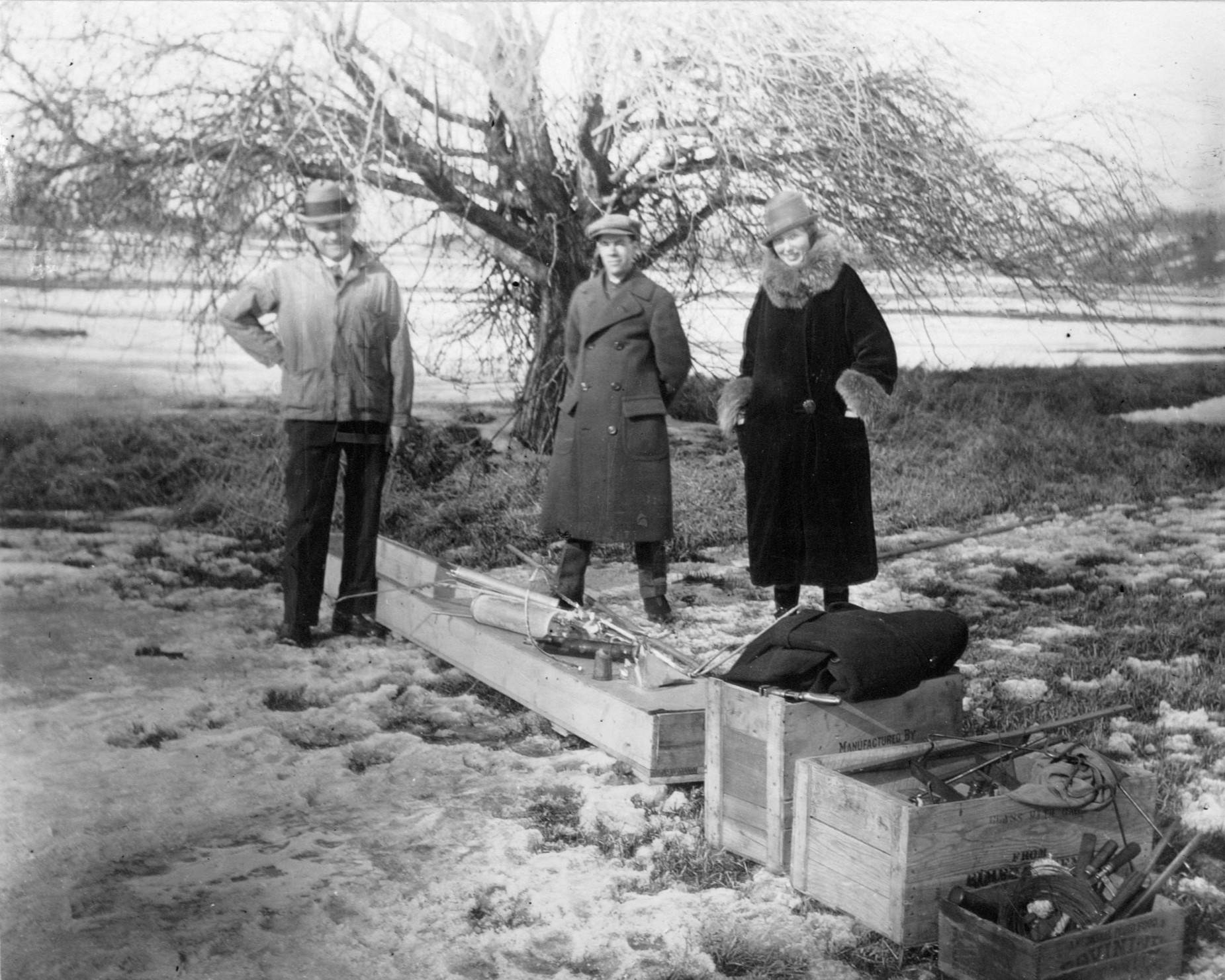
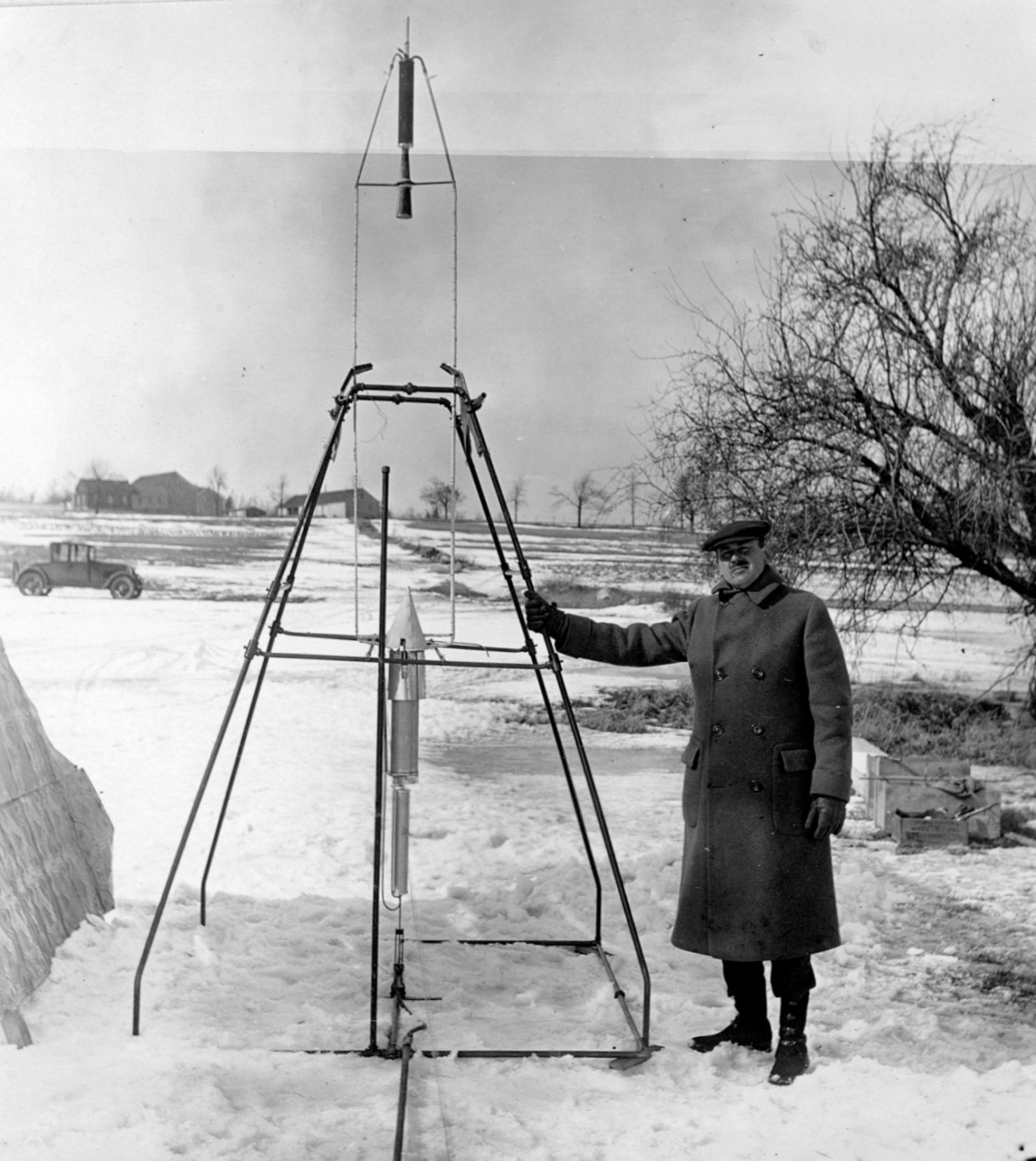
One hundred years ago, on a frosty Tuesday morning, March 16, 1926, a quiet revolution in transportation and human aspiration took flight from a snow-dusted cabbage patch on a farm in Auburn, Massachusetts. Dr. Robert Hutchings Goddard, a physics professor from Clark University, along with his steadfast wife, Esther Kisk Goddard, and two dedicated assistants, P. H. Cramer and H. F. Sacra, bore witness to a moment that would fundamentally reshape humanity’s understanding of its place in the cosmos. Their brainchild, a slender, eleven-foot-tall contraption weighing a mere ten pounds, affectionately dubbed "Nell," became the world’s first liquid-fueled rocket to achieve successful flight, marking the true genesis of modern rocketry and paving the way for every space mission that has followed.
The Visionary Roots of Modern Rocketry
Robert Goddard’s fascination with space travel began in his youth, deeply influenced by H.G. Wells’ "War of the Worlds" and Jules Verne’s "From the Earth to the Moon." At the age of 16, while climbing a cherry tree in his backyard in Worcester, Massachusetts, he envisioned a future where rockets could reach the stars. This formative experience, which he later called his "anniversary day," became the wellspring of a lifelong dedication to the seemingly fantastical pursuit of spaceflight. Unlike many of his contemporaries who viewed rockets primarily as fireworks or military projectiles, Goddard saw them as vehicles for scientific exploration beyond Earth’s atmosphere.
By 1914, Goddard had secured two foundational patents: one for a multi-stage rocket and another for a rocket fueled by gasoline and liquid oxygen. His theoretical work, culminating in the seminal 1919 Smithsonian publication "A Method of Reaching Extreme Altitudes," not only laid out the mathematical framework for rocket propulsion in a vacuum but also boldly suggested that a rocket could one day reach the Moon. This audacious proposal, however, met with considerable skepticism and even ridicule from the scientific establishment and the popular press alike.
The Challenge of Liquid Propulsion
The prevailing rocket technology of the early 20th century relied predominantly on solid propellants, similar to gunpowder. While relatively simple, solid-fueled rockets offered limited control over thrust and duration, making precise trajectory adjustments and sustained flight nearly impossible. Goddard recognized that liquid propellants – a fuel (like gasoline or kerosene) and an oxidizer (like liquid oxygen) – held the key to unlocking superior performance. Liquid fuels could be precisely metered and mixed, allowing for controlled thrust, throttling, and even engine shutdown and restart. This offered unprecedented control, essential for long-duration space travel and delicate orbital maneuvers.
However, the theoretical advantages of liquid propulsion came with immense practical challenges. Designing a system that could safely store, pump, pressurize, and precisely mix highly volatile and cryogenic propellants under extreme conditions was an engineering nightmare. Goddard had to invent virtually every component from scratch, including efficient combustion chambers, reliable pumps, and intricate valve systems. He meticulously experimented with different fuel combinations, nozzle designs, and structural configurations, often working in isolation and with meager funding, primarily from small grants from the Smithsonian Institution and later, the Guggenheim Fund.
The Genesis of "Nell": Years of Incremental Progress
The rocket that would become "Nell" was the culmination of years of painstaking experimentation. Goddard’s early prototypes were static test-fires, conducted in the confines of his Clark University laboratory, where he painstakingly analyzed thrust, combustion efficiency, and structural integrity. He faced numerous setbacks, including explosions, equipment failures, and the constant threat of skepticism from those who considered his work impractical or even ludicrous. Yet, his resolve never wavered.
The design of Nell itself was a testament to Goddard’s innovative spirit. Unlike later rockets where the engine was at the bottom, Nell featured the engine and fuel tanks at the top, an inverted design chosen for stability. It was an ungainly, skeletal structure, primarily comprising metal tubing, fuel lines, and a rudimentary combustion chamber. The fuel was gasoline, and the oxidizer was liquid oxygen, a choice that presented significant handling challenges due to its extremely low temperature. The logistical complexities of transporting and preparing these propellants in a rural setting underscore the sheer determination of Goddard and his small team.
The Historic Day: March 16, 1926
The chosen launch site was Aunt Effie’s farm in Auburn, Massachusetts, a discreet location away from prying eyes and potential interference. The morning of March 16, 1926, was cold, with a thin blanket of snow covering the ground – hardly ideal conditions for a pioneering flight. Goddard, Esther, and their two assistants arrived with Nell carefully secured. The atmosphere was charged with a mix of anticipation and trepidation, a familiar feeling for any experimental endeavor pushed to its limits.
The final preparations were meticulous. The rocket was carefully positioned within a metal frame designed to support it during ignition. Goddard’s assistant, P. H. Cramer, played a crucial role in the launch sequence, applying a blowtorch to ignite the propellants. The moment of ignition was fraught with tension. Would the system hold? Would the fuel and oxidizer mix correctly?
Then, with a sudden hiss and a burst of flame, Nell ascended. Goddard, ever the meticulous observer, vividly recorded the event in his journal the following day: "It looked almost magical as it rose, without any appreciably greater noise or flame, as if it said, ‘I’ve been here long enough; I think I’ll be going somewhere else, if you don’t mind.’" The ascent was brief but momentous. The rocket climbed to an altitude of 41 feet, traveled a horizontal distance of 60 yards, and landed in a cabbage patch – a most humble landing site for such a monumental achievement. The entire flight lasted a mere 2.5 seconds, but within those fleeting moments, the blueprint for space travel was irrefutably demonstrated.
From Ridicule to Vindication: The Long Road to Recognition
Despite the undeniable success of the flight, immediate widespread recognition was not forthcoming. Goddard, a private and introverted man, preferred to work in relative obscurity, meticulously documenting his findings rather than actively seeking public acclaim. This reticence, combined with the groundbreaking nature of his work, contributed to the slow understanding of his contributions.
Perhaps the most famous instance of public skepticism came in 1920, when The New York Times published an editorial deriding Goddard’s suggestion of reaching the Moon. The article famously opined that Goddard "only seems to lack the knowledge ladled out daily in high schools," questioning how a rocket could function in a vacuum without air to push against. This profound misunderstanding of Newton’s third law of motion (for every action, there is an equal and opposite reaction) highlighted the immense educational barrier Goddard faced in explaining his revolutionary concepts to a skeptical public. The Times would not issue a retraction until July 17, 1969, the day after Apollo 11 launched for the Moon, acknowledging their earlier error and finally giving Goddard his due.
Undeterred by criticism and financial constraints, Goddard continued to refine his designs. He realized that the congested airspace of New England was not conducive to further testing of increasingly powerful rockets. With the support of aviation pioneer Charles Lindbergh, who became a crucial advocate, Goddard secured significant funding from Daniel and Florence Guggenheim, allowing him to move his operations to the remote, expansive desert of Roswell, New Mexico, in 1930.
In Roswell, Goddard and his team built a more sophisticated testing facility, conducting hundreds of static test firings and flight tests. Over the next decade, he made significant advancements, including gyroscopic control, movable vanes in the exhaust stream for steering, and efficient turbopumps for feeding propellants. These innovations were decades ahead of their time, laying the groundwork for virtually every aspect of modern rocket technology. His rockets grew larger, more powerful, and achieved greater altitudes and speeds, reaching heights of several thousand feet and speeds of hundreds of miles per hour.
Esther Goddard: The Unsung Guardian of a Legacy
Robert Goddard passed away in 1945, just as World War II was ending and the true potential of rocket technology was beginning to emerge through the V-2 rockets developed by Nazi Germany. Tragically, he did not live to witness the dawn of the Space Age that his work had so directly enabled. However, his legacy was fiercely protected and championed by his devoted wife, Esther Kisk Goddard.
Esther Goddard was far more than just a supportive spouse; she was an active participant in his work, serving as his photographer, record-keeper, and intellectual partner. After his death, she dedicated the remainder of her life to meticulously organizing, cataloging, and preserving his vast collection of patents, research notes, and experimental data. She understood the profound significance of his contributions and tirelessly worked to ensure that his pioneering efforts received the recognition they deserved. It was largely due to her unwavering efforts that Goddard’s patents and research became accessible to the burgeoning American space program, providing a critical foundation for NASA’s early endeavors.
Posthumous Recognition and Enduring Impact
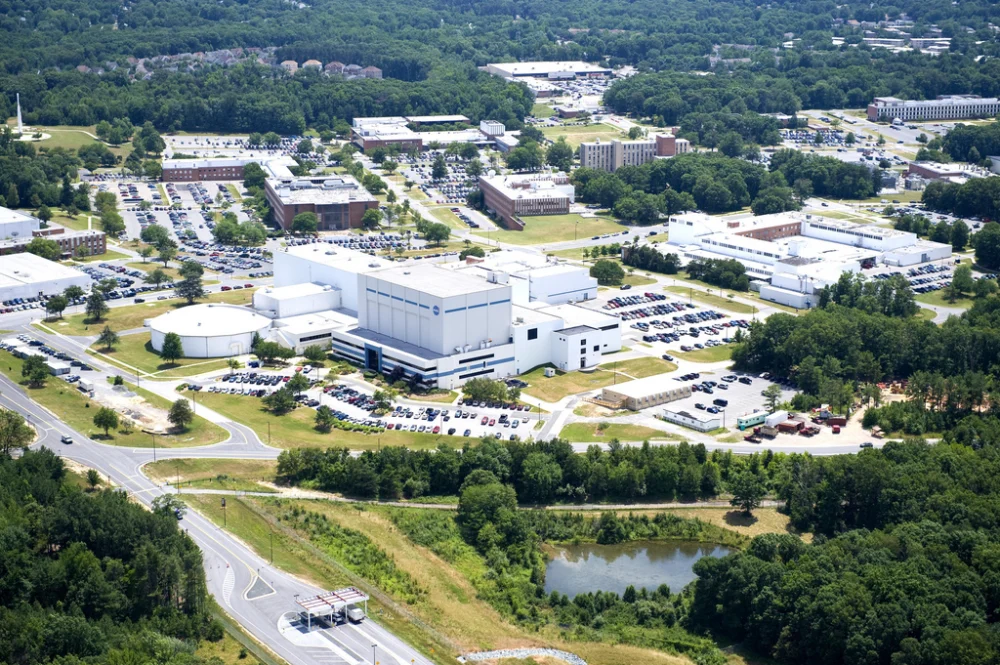
The true significance of Robert Goddard’s work became unequivocally clear with the launch of Sputnik in 1957 and the subsequent Space Race. Suddenly, his "impractical" theories and "impossible" contraptions were recognized as the fundamental bedrock of an entirely new era. In 1959, in a fitting tribute, NASA named its first new complex the Goddard Space Flight Center in Greenbelt, Maryland, honoring the man who had laid the scientific and engineering groundwork for America’s entry into space. In 1960, the U.S. government awarded Esther Goddard and the Guggenheim Foundation a $1 million settlement for the use of Goddard’s patents, solidifying his intellectual ownership of key rocketry technologies.
Today, liquid-propelled rocketry remains the undisputed backbone of spaceflight. From the colossal Saturn V rockets that propelled Apollo astronauts to the Moon, to the Space Shuttle’s main engines, the mighty engines of the International Space Station, and the advanced propulsion systems powering interplanetary probes, Goddard’s fundamental principles are evident in every design. His innovations in thrust vectoring, multi-stage rockets, and cryogenic fuel handling are now standard aerospace engineering practices.
A Century of Progress: From Nell to Artemis
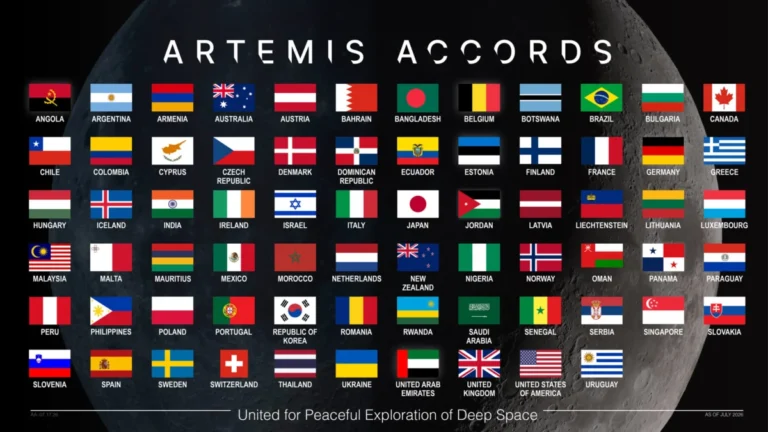
As humanity stands on the precipice of a new era of lunar and Martian exploration, the legacy of Robert Goddard shines brighter than ever. One hundred years after Nell’s humble flight, NASA’s Artemis program is poised to return humans to the Moon, establishing a sustainable presence there as a stepping stone for future missions to Mars. The core of this ambitious undertaking is the Space Launch System (SLS) rocket, a marvel of modern engineering that is 30 times taller and half a million times heavier than Nell. Yet, at its heart, the SLS is still a liquid-fueled rocket, just as Goddard envisioned and pioneered a century ago.
The journey from a small, 10-pound rocket landing in a cabbage patch to a 322-foot-tall behemoth capable of launching astronauts toward the Moon is a testament to the power of human ingenuity and perseverance. Robert Goddard, often called the "Father of Modern Rocketry," was a visionary who dared to dream beyond Earth’s gravitational pull and then painstakingly built the means to achieve those dreams. His solitary work in the early 20th century, often met with skepticism and ridicule, laid the invisible but indispensable foundation for the entire space age. As we look to the stars with renewed ambition, the echoes of Nell’s brief ascent in a snowy Auburn field remind us of the extraordinary power of a single individual’s pioneering spirit to transform the future.