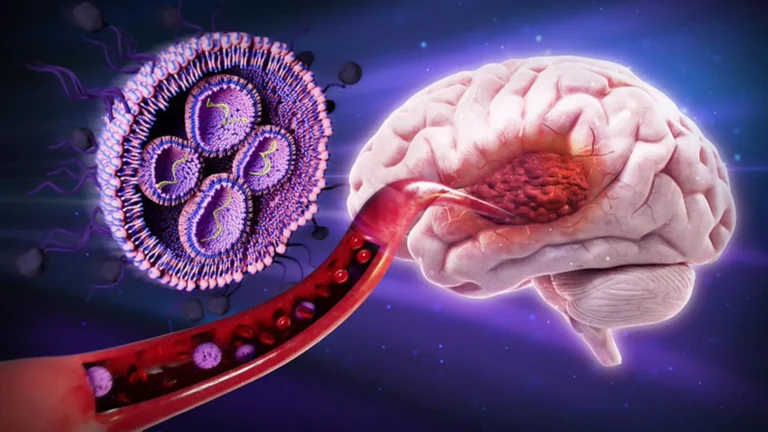




Alzheimer’s disease, a relentless neurodegenerative disorder, is often quantified by staggering statistics: millions of individuals worldwide are grappling with its effects, new diagnoses are escalating at an alarming rate, and the economic burden is projected to reach trillions of dollars. Yet, behind these formidable numbers lies a deeply personal and often agonizing reality for families. As Cold Spring Harbor Laboratory Professor Nicholas Tonks, who experienced the disease’s progression through his mother, poignantly describes, "It’s a slow bereavement. You lose the person piece by piece." This profound emotional toll underscores the urgent need for innovative therapeutic strategies that move beyond merely managing symptoms and aim to address the root causes of cognitive decline.
For decades, a central tenet of Alzheimer’s research has revolved around the pathological accumulation of amyloid-beta (Aβ) plaques in the brain. These peptide fragments, which are naturally produced, can aggregate over time, forming dense deposits that are widely implicated in disrupting neuronal function and driving the disease’s progression. While significant research has focused on directly targeting and clearing these Aβ plaques, the clinical efficacy of these approaches has been met with varying degrees of success, leaving a critical unmet need for more comprehensive and impactful treatments.
Unveiling a Novel Therapeutic Target: The Role of PTP1B
In a significant stride toward addressing this challenge, Professor Nicholas Tonks and his research team at Cold Spring Harbor Laboratory have identified a novel and potentially groundbreaking strategy: targeting a protein known as PTP1B. Their recent research, conducted in collaboration with graduate student Yuxin Cen and postdoctoral fellow Steven Ribeiro Alves, demonstrates that inhibiting PTP1B can lead to notable improvements in learning and memory functions within a mouse model of Alzheimer’s disease. This discovery opens a new avenue for therapeutic intervention, moving beyond the sole focus on amyloid-beta and exploring the intricate molecular mechanisms that govern neuronal health and cognitive function.
Professor Tonks, a distinguished biochemist, first identified PTP1B in 1988 and has dedicated a substantial portion of his career to unraveling its complex roles in both maintaining health and contributing to disease states. PTP1B, or protein tyrosine phosphatase 1B, is an enzyme that plays a critical role in cellular signaling pathways. In this latest investigation, the Tonks lab has uncovered a crucial interaction between PTP1B and another protein, spleen tyrosine kinase (SYK). SYK is a key regulator of microglia, the specialized immune cells of the brain. These microglia are essential for maintaining brain homeostasis, acting as the primary defense mechanism responsible for clearing cellular debris, including the pathological aggregates of Aβ.
"Over the course of the disease, these cells become exhausted and less effective," explains Yuxin Cen, a graduate student involved in the research. "Our results suggest that PTP1B inhibition can improve microglial function, clearing up Aβ plaques." This finding is particularly significant because it suggests that by modulating PTP1B, researchers can potentially revitalize the brain’s own cleanup crew, enhancing their ability to combat the pathological hallmarks of Alzheimer’s disease. The implication is that a more efficient clearance of Aβ may, in turn, alleviate the neurotoxic cascade that leads to neuronal damage and cognitive impairment.
The Intertwined Links Between Metabolism and Alzheimer’s Disease Risk
The significance of targeting PTP1B is further amplified by its established connection to metabolic disorders, particularly obesity and type 2 diabetes. These conditions are well-recognized risk factors for developing Alzheimer’s disease, and their increasing prevalence globally is thought to contribute significantly to the rising burden of neurodegenerative disorders. PTP1B is already a known therapeutic target for metabolic diseases because it plays a crucial role in insulin signaling. By inhibiting PTP1B, the body’s sensitivity to insulin can be improved, offering a potential treatment for diabetes. This existing therapeutic context for PTP1B in metabolic disorders strengthens the rationale for exploring its application in Alzheimer’s disease treatment, suggesting a potential dual benefit or a convergence of pathways that influence both metabolic and cognitive health.
The intricate relationship between metabolic health and brain function is a growing area of research. Chronic inflammation, often associated with obesity and diabetes, can negatively impact the brain, contributing to neurodegeneration. Furthermore, disruptions in glucose metabolism can impair neuronal energy supply and function. The fact that PTP1B is implicated in both insulin signaling and microglial activity suggests that it might serve as a central node connecting these vital physiological processes. Therefore, modulating PTP1B could offer a multifaceted approach to tackling Alzheimer’s disease by addressing not only Aβ pathology but also the underlying metabolic and inflammatory factors that exacerbate the disease.
Charting a Course Towards More Effective Alzheimer’s Treatments
Current therapeutic strategies for Alzheimer’s disease primarily focus on reducing the buildup of Aβ, often through the use of monoclonal antibodies designed to clear these protein aggregates. While these treatments have shown some promise in clinical trials, their benefits for many patients have been limited, with some experiencing significant side effects and modest improvements in cognitive function. This underscores the need for therapeutic approaches that offer a more comprehensive impact.
"Using PTP1B inhibitors that target multiple aspects of the pathology, including Aβ clearance, might provide an additional impact," posits Steven Ribeiro Alves, a postdoctoral fellow on the research team. This perspective highlights the potential for PTP1B inhibitors to offer a synergistic effect, addressing not just the presence of Aβ but also the dysfunctional cellular mechanisms that contribute to its accumulation and the subsequent neuroinflammatory response. By targeting PTP1B, researchers aim to tackle the disease from multiple angles, potentially leading to more robust and sustained therapeutic benefits.
The Tonks lab is actively translating these promising research findings into tangible therapeutic developments. They are currently collaborating with DepYmed, Inc., a biotechnology company focused on developing PTP1B inhibitors for various medical applications. This partnership is crucial for advancing PTP1B inhibitors from the laboratory bench to clinical trials. For Alzheimer’s disease, Professor Tonks envisions a future where these novel inhibitors could be used in combination with existing approved drugs. This multimodal therapeutic strategy aims to leverage the strengths of different treatment modalities, creating a more potent defense against the relentless progression of Alzheimer’s.
A Glimpse into the Future: Slowing Progression and Enhancing Quality of Life
The overarching goal of this research is clear: to slow the progression of Alzheimer’s disease and significantly improve the quality of life for patients and their families. The emotional and societal impact of Alzheimer’s is immense, affecting not only the individuals diagnosed but also their caregivers, who often bear a heavy burden of physical, emotional, and financial strain. By developing more effective treatments, the scientific community hopes to alleviate this suffering and offer a brighter future for those affected by this devastating disease.
The emergence of PTP1B as a promising therapeutic target represents a significant step forward in this endeavor. The potential for PTP1B inhibitors to enhance microglial function, facilitate Aβ clearance, and possibly address underlying metabolic dysfunctions offers a multi-pronged approach that could prove more effective than current single-target therapies. As the research progresses and clinical trials commence, the hope is that this innovative strategy will move closer to providing much-needed relief and a tangible impact on the lives of millions grappling with Alzheimer’s disease.
Broader Implications and the Road Ahead
The implications of this research extend beyond the immediate pursuit of an Alzheimer’s treatment. The understanding of PTP1B’s role in modulating microglial activity could have broader applications in other neuroinflammatory and neurodegenerative conditions where these immune cells play a critical part. Conditions such as Parkinson’s disease, multiple sclerosis, and even traumatic brain injury might potentially benefit from therapies that target PTP1B to enhance neuroinflammation resolution and promote neuronal repair.
The journey from laboratory discovery to approved therapy is a long and complex one, often spanning many years and requiring substantial investment. However, the scientific rigor and collaborative spirit demonstrated by Professor Tonks and his team, coupled with the commitment from industry partners like DepYmed, Inc., offer a beacon of hope. The ongoing research into PTP1B inhibitors represents a vital component of the global effort to combat Alzheimer’s disease, a disease that continues to challenge medical science and profoundly impact human lives. As researchers delve deeper into the intricate molecular mechanisms at play, the possibility of offering more effective and life-altering treatments for Alzheimer’s disease moves from the realm of aspiration to tangible scientific pursuit. The future of Alzheimer’s treatment may well lie in understanding and modulating these complex cellular pathways, offering a renewed sense of optimism in the fight against this debilitating illness.