


The Air Traffic Management and Safety (ATMS) project is at the forefront of a transformative initiative, meticulously defining, validating, and transferring advanced requirements and technologies designed to fundamentally shift global air traffic management from a reactive, tactical paradigm to a proactive, strategic framework. This ambitious undertaking is poised to usher in an era of unparalleled operational efficiency, productivity, and resilience across the aviation sector, simultaneously delivering substantial reductions in the costs associated with safety assurance and regulatory compliance for increasingly complex and highly automated systems.
The Evolving Landscape of Air Traffic Management
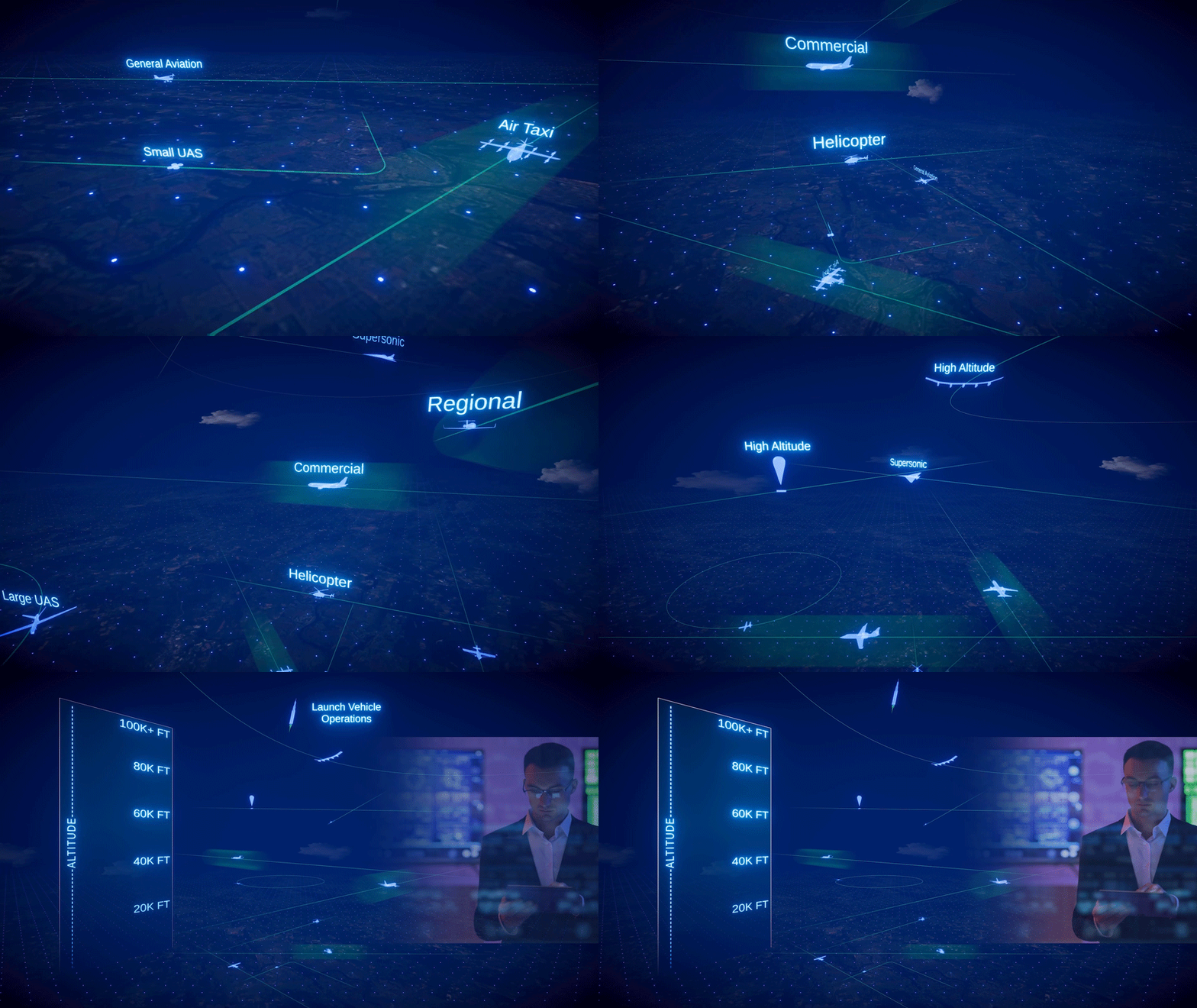
For decades, the National Airspace System (NAS) and similar global airspaces have operated on a foundation of tactical control, where air traffic controllers react to individual flight plans, weather disruptions, and congestion in real-time. While incredibly effective and safe, this approach faces inherent limitations in scalability, efficiency, and predictability as air travel demand continues its relentless upward trajectory. Forecasts from organizations like the International Air Transport Association (IATA) predict a doubling of air passengers globally within the next two decades, potentially reaching 8.2 billion by 2037. This growth, coupled with the imminent integration of new air vehicles such as Advanced Air Mobility (AAM) platforms, drones, and unmanned aerial systems (UAS), places unprecedented strain on existing infrastructure and operational methodologies.
The traditional system, while robust, often leads to bottlenecks, delays, and increased fuel consumption due to non-optimal flight paths or holding patterns. The economic impact of these inefficiencies is staggering; industry estimates frequently place the annual cost of airline delays in the United States alone in the billions of dollars, factoring in lost productivity, crew costs, fuel waste, and passenger compensation. Moreover, the sheer cognitive load on human controllers operating in increasingly dense and complex airspace represents a critical bottleneck for future expansion. It is against this backdrop that ATMS emerges as a pivotal initiative, directly addressing these systemic challenges by advocating for a paradigm shift from reactive, tactical decision-making to proactive, strategic management of traffic flows and trajectories.
A Strategic Imperative: Integrating New Air Vehicles and Modernizing Airspace
ATMS is not merely an incremental upgrade; it represents a comprehensive research and development effort aimed at safely integrating novel air vehicles with traditional aviation operations to meet the burgeoning global demand. This integration is paramount, as the safe co-existence of conventional aircraft, commercial drones delivering packages, and passenger-carrying eVTOLs (electric Vertical Take-Off and Landing) aircraft requires a unified, intelligent, and adaptable air traffic management system. The project fosters close collaboration with key regulatory bodies, most notably the Federal Aviation Administration (FAA), ensuring that its outputs are not theoretical constructs but rather actionable automation solutions, advanced operational concepts, and robust, proactive safety management frameworks designed to accelerate airspace modernization efforts.
The project’s vision extends to strengthening overall system resilience and expanding human capacity. By strategically leveraging automation, ATMS aims to significantly reduce the cognitive workload on air traffic controllers and pilots, thereby mitigating the potential for human error and enhancing overall safety margins. The anticipated benefits ripple through the entire aviation ecosystem: minimized airline delays translate into substantial cost savings for operators and improved passenger experiences, while optimized operational performance and enhanced terminal safety contribute to a more efficient and secure travel environment.
Addressing the Three Pillars of Airspace Complexity
ATMS strategically focuses its research on three core areas to effectively tackle the escalating complexity and diversity of modern airspace:
1. Strategic Management of Traffic Flows and Trajectories:
The evolution of the National Airspace System (NAS) towards greater complexity and demand has rendered current tactical approaches increasingly limited in their scalability, efficiency, and predictability. The existing system, by its very nature, often responds to situations as they unfold, leading to sub-optimal outcomes such as extensive vectors, holding patterns, and diversions. This reactive stance has significant financial and environmental consequences. For instance, even minor deviations from optimal flight paths, when aggregated across thousands of flights daily, result in millions of gallons of wasted fuel and corresponding increases in carbon emissions.
ATMS champions a paradigm change towards proactive, strategic management. This involves developing algorithms and systems that can predict potential conflicts, congestion, or weather impacts hours, or even days, in advance. By enabling controllers and operators to strategically plan traffic flows and optimize individual aircraft trajectories across entire flight phases—from gate to gate—the system can ensure more direct routing, smoother transitions, and more efficient sequencing. This shift empowers decision-makers with a comprehensive, forward-looking view of the airspace, allowing them to implement preventative measures rather than purely corrective ones. The implications are profound: significantly reduced flight times, lower fuel consumption, fewer delays, and a more predictable operational environment for airlines, cargo carriers, and passengers alike. Such a system would enable dynamic airspace configurations, adapting in real-time to demand, weather, and special events, maximizing throughput while maintaining safety.
2. Integration of Advanced Automation for New Air Vehicles:
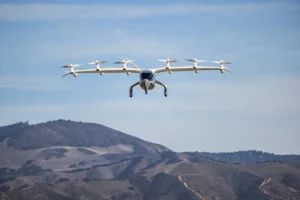
The advent of Advanced Air Mobility (AAM), encompassing a range of novel aircraft from autonomous drones to passenger-carrying electric vertical take-off and landing (eVTOL) vehicles, represents the most significant shift in aviation since the jet engine. These new entrants promise to revolutionize urban transportation, logistics, and emergency services. However, their safe and efficient integration into an airspace primarily designed for traditional, human-piloted aircraft presents formidable challenges. While advancements in automation hold immense potential to reduce human workload, mitigate hazards, and unlock the capabilities of these new entrants, critical gaps persist.
ATMS’s research in this area is focused on bridging these gaps, which include robust hazard perception and avoidance systems for autonomous vehicles, seamless integration with existing Air Traffic Control (ATC) procedures and infrastructure, and the development of standardized flight procedures suitable for highly automated operations. Without targeted research from initiatives like ATMS, the full potential of autonomous taxi, approach, and landing capabilities will remain fragmented and heavily reliant on human intervention, severely limiting both efficiency and innovation. For example, autonomous landing systems require an unprecedented level of precision and real-time data exchange with airport infrastructure and ATC. ATMS aims to develop the communication protocols, sensor technologies, and decision-making algorithms that will allow these systems to operate reliably and safely, ensuring that a human operator is an overseer rather than a constant intervenor. This research is vital for creating a certification pathway for these technologies, allowing AAM to scale beyond initial pilot programs.
3. Assurance and Traceability for Highly Automated Systems:
As automation increasingly takes on critical safety functions, the aviation community is converging on assurance approaches that balance trust, evidence, and scalability. The deployment of highly automated systems in safety-critical domains like air traffic management demands a rigorous and transparent process to demonstrate their reliability and safety. Unlike traditional systems where human oversight provides a layer of resilience, autonomous systems require inherent robustness and verifiable performance.
To foster innovation and accelerate the adoption of key automation capabilities, ATMS is instrumental in defining explicit safety objectives and establishing meaningful notions of traceability across the entire lifecycle of development and operations. This means ensuring that every requirement, from high-level operational goals to granular software specifications, can be traced through design, modeling, simulation, analysis, and testing. Scaled adoption necessitates assurance processes that seamlessly integrate design and operational assurance. This ensures that requirements flow down logically to models, scenarios, analytical frameworks, test cases, and performance metrics, and crucially, that these components generate traceable, reusable evidence and lead to verifiable operational outcomes.
For instance, if an automated system is designed to prevent mid-air collisions, ATMS’s work ensures that the safety objective ("prevent collisions") is translated into specific functional requirements (e.g., "detect all aircraft within X miles," "initiate avoidance maneuver within Y seconds"). These requirements are then linked to simulation models, hardware tests, and operational data, providing a comprehensive body of evidence that demonstrates the system’s compliance and safety. This systematic approach not only builds confidence among regulators and operators but also streamlines the certification process, which can otherwise be a significant bottleneck for technological advancement in aviation.
Broadening the Horizon: Stakeholder Benefits and Global Implications
The practical solutions delivered by ATMS are designed to benefit every stakeholder in the expansive aviation ecosystem. For air traffic controllers, ATMS offers advanced decision-support tools, reduced cognitive load, and enhanced situational awareness, transforming their role from reactive problem-solvers to strategic airspace managers. This empowers them to manage more traffic safely and efficiently, ultimately increasing job satisfaction and reducing stress. Pilots will experience more predictable flight paths, fewer last-minute instructions, and improved communication with ground systems, leading to smoother operations and reduced fuel burn.
For passengers, the impact is tangible: fewer delays, more punctual arrivals, and a consistently high level of safety. This translates into improved travel experiences, reduced stress, and greater confidence in air travel. Operators, including airlines, cargo carriers, and emerging AAM companies, stand to gain significantly from reduced operating costs through optimized fuel consumption, improved asset utilization, and minimized disruption-related expenses. The streamlined certification processes facilitated by ATMS’s assurance research will also accelerate the deployment of new, innovative aircraft and services, opening new markets and revenue streams.
Beyond these direct benefits, the success of ATMS has broader implications for national and global economies. Enhanced efficiency in air travel facilitates commerce, tourism, and global connectivity, acting as a catalyst for economic growth. The project’s focus on integrating new air vehicles also positions the United States at the forefront of the advanced air mobility revolution, fostering innovation and creating high-tech jobs. Environmentally, the optimization of flight paths and reduction in holding patterns directly contributes to lower carbon emissions, supporting global sustainability goals for the aviation sector.
The Air Traffic Management and Safety project, therefore, is more than just a technological upgrade; it is a foundational shift designed to future-proof air travel. By proactively addressing the challenges of increasing demand, technological integration, and systemic complexity, ATMS ensures that America’s skies, and by extension, the global aviation network, remain the safest, most efficient, and most adaptable in the world, ready to embrace the innovations of tomorrow while safeguarding the bedrock principles of safety and reliability.