

A chilling investigation by BBC News Brasil has unearthed compelling evidence indicating that French modeling agent Jean-Luc Brunel, a close associate of the late disgraced financier and convicted sex offender Jeffrey Epstein, actively leveraged his modeling agencies to scout and traffic young women and girls from South America, particularly Brazil, for Epstein’s predatory network. The findings illuminate a sophisticated and deeply disturbing modus operandi that exploited the dreams of aspiring models, offering a stark reminder of the global reach and insidious nature of human trafficking.
The inquiry centers on the harrowing experiences of women like Gláucia Fekete, who, as a hopeful 16-year-old from the Brazilian countryside in 2004, found herself on the precipice of Epstein’s orbit. Brunel, then an ostensibly reputable figure in the fashion world, visited her family home, attempting to persuade her mother to allow Gláucia to participate in a modeling contest in Ecuador. Unbeknownst to them, Brunel would later take his own life in a French prison in 2022, facing grave charges of rape, sexual assault, and the recruitment of minors for Epstein. At the time, Gláucia and her family were introduced to Brunel through a prominent Brazilian scout, lending an air of legitimacy to his intentions.
Gláucia Fekete’s Narrow Escape from a Looming Shadow
Gláucia’s story begins in a familiar fashion for many young women dreaming of escaping their humble beginnings through the glamour of the modeling industry. In 2004, the promise of a modeling contest in Ecuador seemed like a golden opportunity. Brunel, described by Gláucia’s mother, Barbara, as "very charming," managed to convince her to allow her daughter to travel to Guayaquil for the "Models New Generation" competition without her direct supervision. Gláucia joined Brunel’s team, embarking on a journey that, in retrospect, would reveal itself as a perilous brush with a much darker reality.
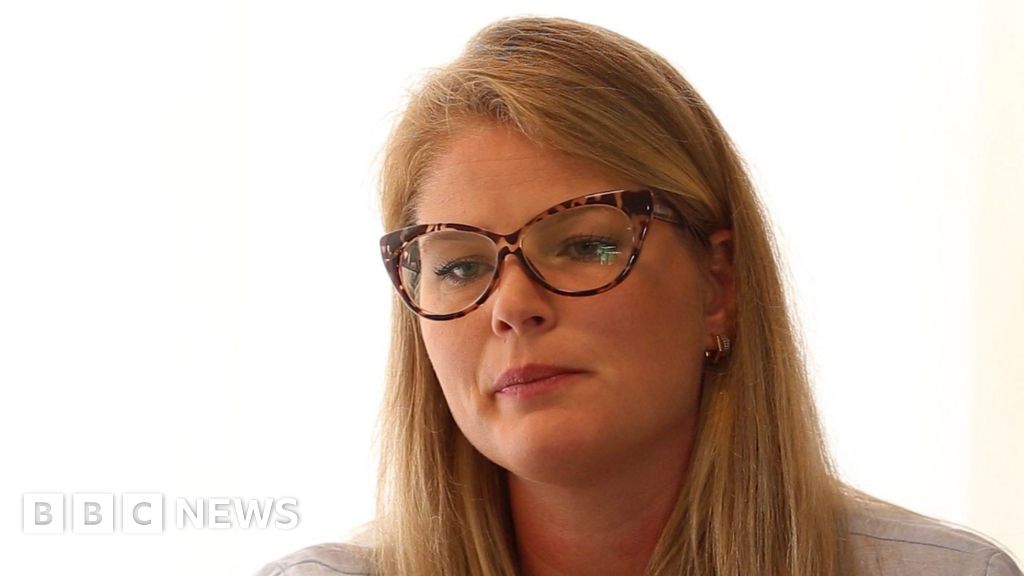
During the competition, Gláucia recalls an unsettling restriction on her ability to contact her family, a common tactic used to isolate and control potential victims. Her suspicions were echoed by another contestant, a 16-year-old Western European model referred to as Laura, who observed Brunel’s peculiar behavior. Laura recounted how Brunel "was always hanging out with the young Brazilian girls… behaving like a clown and only hanging out with quite young girls." She noted that while the competition itself appeared "legit," Brunel seemed acutely aware of "which girls were vulnerable" and appeared to "control their finances," identifying girls from Brazil and Eastern European countries as primary targets. This predatory focus on specific demographics, often from regions with fewer economic opportunities, is a hallmark of international trafficking networks.
The true gravity of the situation became terrifyingly clear towards the end of the trip when Brunel extended an offer to fly Gláucia to New York for "shows," with all expenses paid. This proposition necessitated contacting her mother for permission, a request met with an unequivocal "No. Not a chance" from Barbara. Her maternal instinct, honed by a deep-seated suspicion, proved to be Gláucia’s salvation. Barbara sternly forbade any further involvement in modeling through Brunel’s network, declaring, "They were only looking for children, minors… Unfortunately, they found my daughter." Gláucia now reflects, "If I had disobeyed my mother and gone to New York, what might have happened to me?" a question that carries the weight of countless untold tragedies.
Crucially, files released by the US government and reviewed by BBC News Brasil corroborate a sinister overlap: Jeffrey Epstein himself was present in Guayaquil on August 24 and 25, 2004, precisely coinciding with the final stages of the modeling competition. Further damning evidence includes documents indicating that at least one model under 16 who attended the event flew on Epstein’s private plane at least twice within the same year. Gláucia, unaware of the broader conspiracy at the time, now understands with chilling clarity that she was, "without knowing it, in the middle of that storm." Her mother Barbara’s decisive refusal undoubtedly represents a narrow escape from a fate that befell many others.
Ana’s Traumatic Entanglement: The Visa Route to Exploitation
While Gláucia escaped, another Brazilian woman, identified as Ana to protect her identity, experienced the full extent of Brunel’s and Epstein’s predatory network. Ana’s account, rigorously corroborated by documents, US Department of Justice records, and cross-referenced evidence, provides an unvarnished look at how Brunel’s modeling empire served as a pipeline for Epstein.

Ana’s journey into this dark world began in the early 2000s in São Paulo, where she was recruited by a Brazilian woman who promised lucrative modeling opportunities. Upon arrival, her documents were seized, and she was informed of an accumulating debt for travel and photos. The promised modeling work never materialized. Ana quickly realized the horrifying truth: "She was a madam. Before I knew it, she was pimping me out."
A few weeks after her 18th birthday, Ana was taken to the home of a prominent São Paulo businessman, where she heard Epstein described as "the king of the world" who "likes younger girls." Days later, she and two other women were sent to a luxury hotel in São Paulo for Epstein to "choose one of them." "He chose me," Ana recounts. Her initial encounter with Epstein involved a deeply disturbing dynamic where he primarily derived pleasure from "watching me while he touched himself. It was disgusting, but of all evils, the lesser one," she says, highlighting the profound psychological trauma and power imbalance inherent in such situations. US Department of Justice files, including emails and flight records, place Epstein in Brazil during this period, lending further credence to Ana’s testimony.
It was at a party a few days later that Ana first met Jean-Luc Brunel. The modeling agent swiftly became instrumental in facilitating her travel to the United States. Epstein, who was due to travel to Paris the next day, informed Ana that arrangements had already been made for her to accompany him. This swift progression from an initial encounter to international travel underscores the sophisticated and immediate nature of the trafficking operation.
The Visa Route: A Veil of Legitimacy
Describing her trip to France, Ana revealed Epstein’s manipulative tactics: "He [Epstein] would give me $300 (£225). I would go out for a walk and give him the change, but he would tell me to keep the money. He would test me and leave money in my room, and then I would give it back to him, and he would say I could keep it." This seemingly benevolent gesture was a calculated psychological ploy, designed to foster a sense of obligation and dependence.

Epstein then informed Ana that Brunel had arranged for her to be "hired" by his modeling agency in New York. Ana’s passport contains a US business visa with an annotation explicitly naming Karin Models of America, an agency Brunel established in the US, as her sponsor. Ana unequivocally states she never worked for Karin Models of America, asserting that the paperwork was solely to facilitate her travel to the US to be with Epstein. This crucial detail exposes the fraudulent use of legitimate business visas to circumvent immigration laws and enable human trafficking.
Ana’s statement is consistent with broader court records and US Department of Justice files, which demonstrate that Brunel’s agencies—initially Karin Models of America and later MC2 in America—were systematically used to attract girls, including minors, from various countries. Testimony from a former MC2 employee cited in the Epstein files further corroborates that Epstein himself financed these visas, which Brunel’s agency then arranged. It is important to note that these allegations pertain specifically to agencies managed and controlled by Brunel in the US, with no suggestion of wrongdoing by other agencies.
Over approximately four months, Ana traveled extensively with Epstein to the US and France, where he maintained an apartment. She describes him as "affectionate," a manipulative façade that masked his true intentions. During this period, he even paid for some English lessons, further cementing the illusion of a supportive relationship. However, the pretense eventually crumbled. Her visa was canceled in Miami after US authorities questioned the nature of her work and whether she was receiving payment in the United States. Prior to this, she had traveled to the country at least six times to be with Epstein, even visiting his private island in the US Virgin Islands. The illusion shattered when she discovered him in bed with another woman. "Until then, it hadn’t sunk in that he did this with many girls," she confessed, revealing the profound shock of realizing the true extent of his depravity. She also noted his preference for solitude during certain times, stating, "On several occasions he would tell me to leave the house to do something – go to a museum, go to classes. I don’t know if anything happened that he didn’t want me to see… He liked younger girls and being surrounded by them." Ana confirmed she had sex with him once, adding that "he liked sleeping, spooning, cuddling and having his feet massaged," details that underscore the intimate yet transactional nature of their interactions.
A particularly disturbing revelation from Ana’s testimony concerned Brunel’s own predatory nature. Epstein once told her that Brunel had asked to sleep with her but that he had refused, declaring, "I didn’t let him because you’re mine." Ana struggled to process this, unsure whether to feel "grateful or more terrified." After this incident, she perceived Brunel as "like a wolf looking at a lamb, always with devouring eyes, both for other girls and me."
The financial underpinnings of this exploitation were also laid bare. Ana recounts that for her initial meeting at the hotel and the subsequent trip to Paris, Epstein had agreed to pay the Brazilian madam $10,000 (£7,400) in cash. However, he only paid a portion of this sum, leading to phone calls overheard by Ana, in which the madam pressured Epstein for the remainder. This account is corroborated by 2010 court testimony in Florida from a former accountant at MC2, Brunel’s US modeling agency, who cited a Brazilian woman arranging girls for Epstein and Brunel in Brazil and being angry over an unpaid debt. After the madam released her documents, Ana’s direct contact with her faded, but her involvement with Epstein continued. Following the cancellation of her visa, Epstein offered to secure her a green card to live in the US, but Ana, yearning for her family, declined, choosing to return to Brazil.

Jean-Luc Brunel: The Architect of Deception and His Entanglement with Epstein
Jean-Luc Brunel was a prominent figure in the international modeling scene for decades, launching the careers of numerous supermodels. His seemingly legitimate status provided the perfect cover for his alleged role in Epstein’s sex trafficking ring. Born in France, Brunel founded several modeling agencies, including Karin Models and MC2 Model Management, establishing a global footprint that extended to New York, Paris, and other fashion capitals. This extensive network, built on the aspirations of young women, allegedly became a critical component of Epstein’s predatory operation.
Brunel’s association with Epstein was long-standing and deeply intertwined. Epstein provided financial backing for Brunel’s ventures, notably MC2 in the US, cementing a relationship that facilitated their illicit activities. The BBC investigation adds a significant layer to the understanding of Brunnel’s alleged crimes by demonstrating how his agencies were not merely complicit but actively instrumental in recruiting, processing visas, and transporting vulnerable young women from South America to the United States and Europe for Epstein’s exploitation. Brunel’s death by suicide in a French prison in February 2022, while awaiting trial on charges of rape, sexual assault, and trafficking, brought a premature end to legal proceedings against him, leaving many questions unanswered and victims without their day in court against him. His lawyers maintained his innocence, attributing his demise to the "media-judicial system" and denying any wrongdoing. However, the testimonies of survivors like Ana and the near-miss of Gláucia paint a starkly different picture.
The Broader Modus Operandi: Exploiting Vulnerability and Dreams
The cases of Gláucia and Ana are illustrative of a pervasive modus operandi employed by sophisticated trafficking networks. These operations frequently target vulnerable individuals, often young women from economically disadvantaged regions, who harbor dreams of upward mobility and a better life. The promise of a glamorous modeling career, particularly in international fashion hubs like New York or Paris, serves as an irresistible lure.

The tactics employed are insidious:
- False Promises: Recruiters, often local scouts or "madams," make exaggerated promises of fame and fortune, masking the true nature of the "work."
- Isolation: Victims are encouraged or coerced to travel alone, often to foreign countries, where they are cut off from family and support networks, making them more dependent on their traffickers. Gláucia’s experience of being denied contact with her family in Ecuador is a classic example.
- Debt Bondage: Initial travel expenses, accommodation, and "portfolio" fees are presented as debts, creating a financial stranglehold that traps victims. Ana’s experience of having her documents seized and being told she owed money exemplifies this.
- Exploitation of Legal Pathways: The use of legitimate business visas, often sponsored by seemingly reputable entities like modeling agencies, provides a legal façade for illegal trafficking, allowing victims to cross international borders without immediate suspicion. This sophisticated use of immigration systems highlights the depth of planning and resources available to such networks.
- Psychological Manipulation: Traffickers employ a range of psychological tactics, from "love bombing" and apparent affection (as Ana experienced with Epstein) to intimidation and threats, to maintain control and ensure compliance. The "testing" with money, the possessive statements, and the creation of a false sense of a relationship are all part of this manipulative toolkit.
These cases underscore the urgent need for greater vigilance within the modeling industry, which, despite its glamorous image, remains susceptible to exploitation by those seeking to traffic and abuse young individuals.
Official Response and Legal Ramifications in Brazil
In response to the growing body of evidence linking Jeffrey Epstein’s network to Brazil, the country’s Federal Public Prosecutor’s Office (MPF) initiated an investigation in February. Federal prosecutor Cinthia Gabriela Borges, from the national anti-trafficking unit, has publicly stated her intention to speak with women who had contact with Epstein, emphasizing that the focus of the inquiry is to understand the operation of the recruitment system, not to target the victims themselves. This approach is crucial for encouraging survivors to come forward without fear of legal repercussions.
Legal experts, such as labor inspector and researcher Maurício Krepsky, assert that the incidents described, particularly Ana’s experience, align with the definition of human trafficking for sexual exploitation under Brazilian law. Krepsky highlights that crimes of this nature may not be subject to a statute of limitations, meaning that Brazilian individuals involved in facilitating Epstein’s network could still face legal accountability, even years after the events occurred. This legal perspective offers a glimmer of hope for justice for the victims and accountability for the perpetrators who operated within Brazil.

The investigation by the MPF represents a significant step towards uncovering the full extent of Epstein’s and Brunel’s operations in South America and holding those who aided them responsible. It also signals a commitment by Brazilian authorities to combat international human trafficking and protect vulnerable individuals.
Echoes of a Global Scandal: Implications and Lessons Learned
The BBC News Brasil investigation adds a crucial South American dimension to the already expansive and deeply disturbing Jeffrey Epstein scandal. It highlights the global reach of his predatory network and the complicity of individuals like Jean-Luc Brunel, who leveraged their professional standing to facilitate abhorrent crimes. The implications of these findings are far-reaching, extending beyond the immediate victims to the broader fight against human trafficking and the integrity of industries susceptible to exploitation.
These cases serve as a stark reminder of:
- The Global Nature of Trafficking: No country or region is immune to the insidious reach of human trafficking networks, which adapt their strategies to exploit local vulnerabilities.
- The Importance of Parental and Community Vigilance: Barbara Fekete’s decisive "no" saved her daughter, underscoring the critical role of family and community awareness in preventing exploitation.
- The Need for Industry Oversight: The modeling industry, with its allure and potential for international travel, requires robust regulatory frameworks and ethical guidelines to prevent its misuse by traffickers. Agencies and scouts must be held to the highest standards of transparency and accountability.
- Challenges in International Law Enforcement Cooperation: Investigating and prosecuting transnational crimes like human trafficking requires seamless cooperation between law enforcement agencies across borders, often complicated by differing legal systems and jurisdictions.
- The Long-Term Impact on Survivors: Victims of trafficking and sexual exploitation endure profound and lasting psychological trauma. Providing comprehensive support, including psychological counseling, legal aid, and safe reintegration programs, is paramount.
- The Power of Investigative Journalism: Independent media investigations continue to be vital in uncovering hidden crimes, giving a voice to survivors, and holding powerful individuals accountable, even years after the events.
Gláucia Fekete’s enduring gratitude for her mother’s wisdom, and Ana’s remarkable resilience in rebuilding her life after escaping Epstein’s clutches, stand as powerful testaments to the strength of the human spirit. Yet, their stories also serve as a poignant reminder that the fight against such exploitation is far from over. As Ana aptly concludes, "I think I was lucky, but I feel for the other women." The ongoing pursuit of justice for all victims of Jeffrey Epstein and his network, and the relentless effort to dismantle similar predatory systems, remain an urgent global imperative.

Warning: This story contains graphic sexual descriptions. If you, or someone you know, have been affected by the issues raised in this story, details of organizations offering information and support are available at BBC ActionLine.