

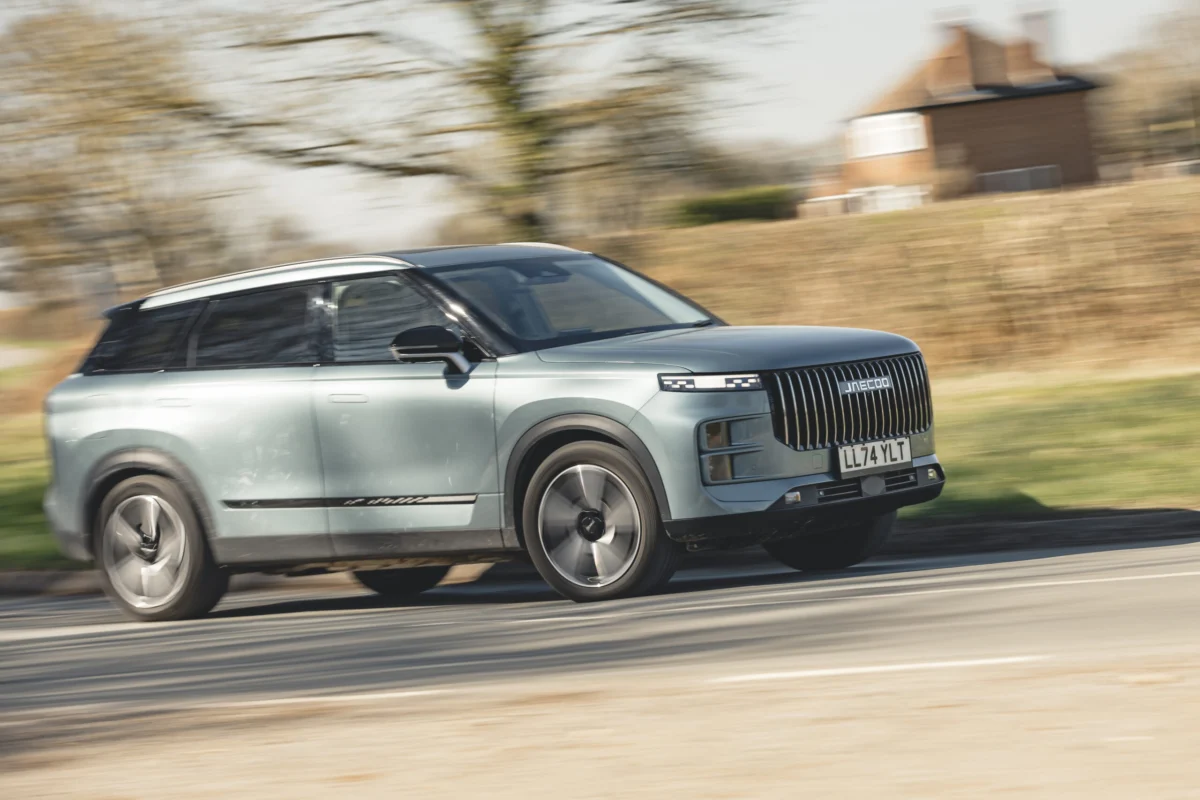
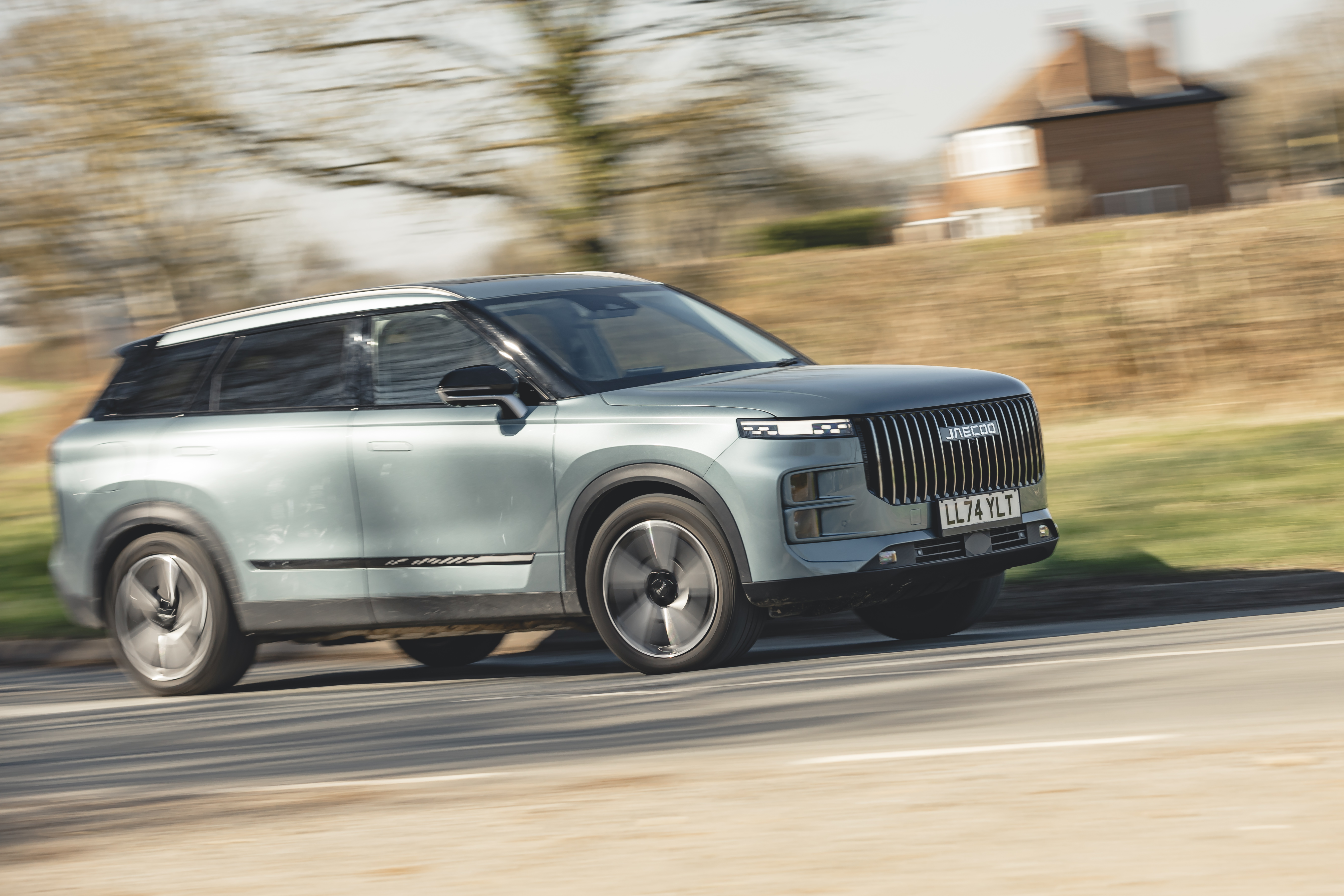
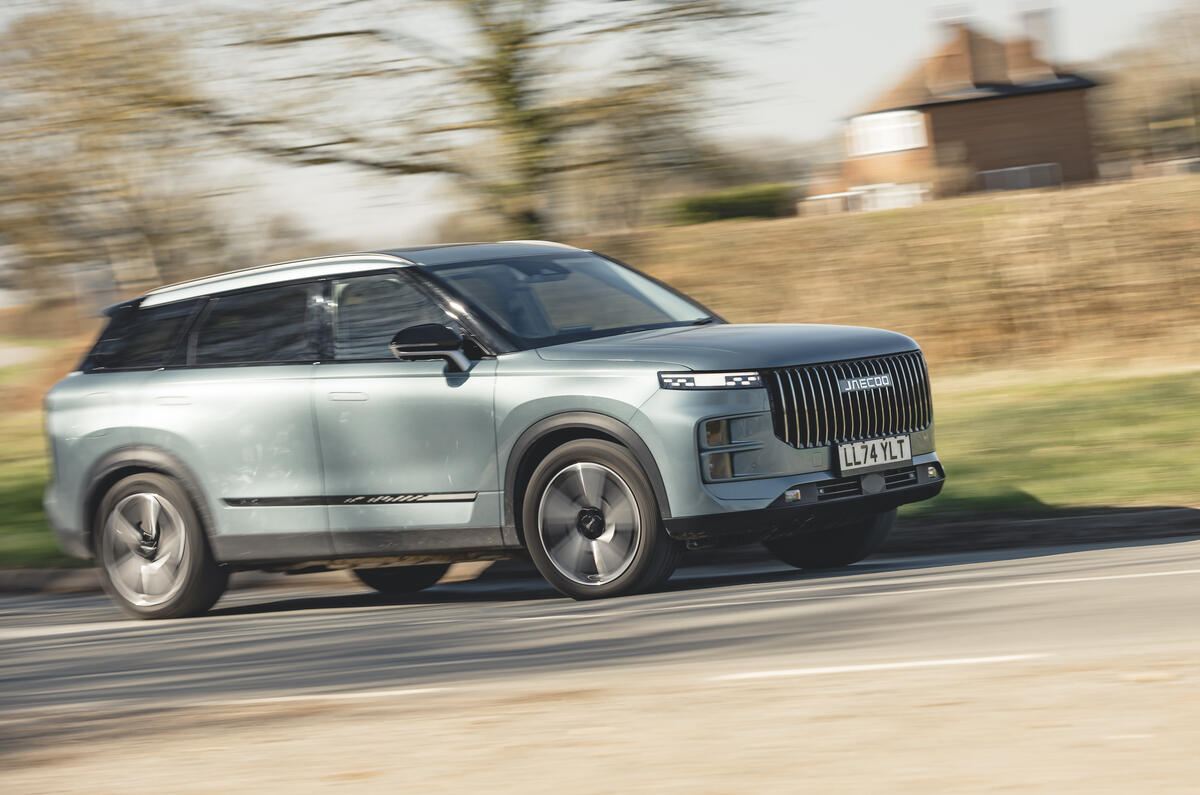
The European Commission is reportedly preparing to expand its trade defense measures against Chinese automotive imports by targeting plug-in hybrid electric vehicles (PHEVs). According to a report from Germany’s Handelsblatt newspaper, the executive arm of the European Union is currently drafting proposals that would subject Chinese-built PHEVs to the same "countervailing" duties recently imposed on battery electric vehicles (BEVs). This move follows a surge in sales for dual-motor Chinese models, such as the BYD Seal U and the upcoming Jaecoo 7, which some EU officials believe are being used to circumvent the existing tariff structure designed to protect the domestic European automotive industry.
The Shift Toward Hybrid Regulation
For several months, the European Commission has focused its anti-subsidy investigation almost exclusively on BEVs. The definitive duties, which were formally adopted in late October 2024, saw individual manufacturers hit with additional tariffs ranging from 17.0% for BYD to 35.3% for SAIC, on top of the standard 10% import duty already in place. However, the initial scope of the investigation excluded PHEVs, as they were viewed as a distinct market segment with less immediate impact on the EU’s transition to fully electric mobility.
Recent market data has prompted a reassessment. As BEV growth slowed in certain European markets—partly due to the withdrawal of purchase incentives in countries like Germany—PHEVs have seen a resurgence in popularity. Chinese manufacturers, led by BYD and Chery (through its Jaecoo brand), have been quick to capitalize on this trend, offering high-specification hybrids at prices that frequently undercut European rivals. The European Commission is now concerned that the "unfair competitive advantage" attributed to state-subsidized BEVs applies equally to the PHEV sector.
Chronology of the EU-China Trade Dispute
The escalation toward including PHEVs in the tariff regime is the latest chapter in a year-long trade dispute between Brussels and Beijing.
- October 2023: The European Commission officially launched an anti-subsidy investigation into the imports of battery-powered electric vehicles from China. The probe aimed to determine whether Chinese manufacturers benefited from state subsidies that allowed them to sell cars at artificially low prices.
- July 2024: Provisional tariffs were introduced after the Commission found evidence of "unjustified" subsidies. These duties were held in a guarantee account while negotiations continued.
- August–September 2024: Intense negotiations took place between EU Trade Commissioner Valdis Dombrovskis and Chinese Commerce Minister Wang Wentao. Despite several rounds of talks, no "price undertaking" agreement was reached that satisfied EU requirements for a level playing field.
- October 2024: EU member states voted to move forward with definitive duties for a period of five years. While Germany and Hungary voted against the measures, a sufficient majority (including France and Italy) allowed the tariffs to pass.
- November 2024: Reports emerged that the Commission is now drafting a secondary proposal to close the "PHEV loophole," with a formal vote expected in the coming weeks.
Market Context: The Rise of Chinese PHEVs
The inclusion of PHEVs in the tariff structure would most notably affect BYD, which has seen significant success with its "Dual Mode" (DM-i) technology. The BYD Seal U DM-i, a mid-sized SUV, has become a cornerstone of the brand’s European expansion. By combining a 1.5-liter gasoline engine with a high-capacity battery, the vehicle offers a significant electric-only range, making it an attractive proposition for consumers who are not yet ready to commit to a full BEV.
Similarly, Chery’s Jaecoo brand is preparing a major push into the European market with the Jaecoo 7 PHEV. By positioning these vehicles as premium but affordable alternatives to the Volkswagen Tiguan or Hyundai Tucson, Chinese firms have managed to gain market share rapidly.
Data from the European Automobile Manufacturers’ Association (ACEA) indicates that while the overall market for new cars in the EU has remained relatively flat, the market share of Chinese-made vehicles has grown from less than 1% in 2019 to nearly 8% in 2024. If PHEVs were to remain exempt from the new tariffs, analysts predict that Chinese manufacturers would simply pivot their production and export strategies to favor hybrids, effectively neutralizing the impact of the BEV-specific duties.
Supporting Data and Economic Impact
The economic rationale for the proposed expansion rests on the interconnected nature of the supply chain. The European Commission’s internal findings suggest that the subsidies provided by the Chinese state—ranging from low-interest loans and land grants to subsidized lithium processing—benefit the entire "New Energy Vehicle" (NEV) sector, which includes both BEVs and PHEVs.
Key data points influencing the Commission’s decision include:
- Export Volume: Chinese PHEV exports to Europe increased by an estimated 45% year-on-year in the third quarter of 2024.
- Price Disparity: On average, a Chinese-built PHEV is priced 20% to 30% lower than an equivalent European-built model, even after accounting for shipping and the current 10% duty.
- Battery Dominance: Since batteries account for approximately 40% of a PHEV’s value, and China controls over 70% of the global battery supply chain, the EU argues that the competitive advantage is systemic and not merely a result of manufacturing efficiency.
Official Responses and Industry Reactions
The prospect of expanded tariffs has met with a mixed reception across the automotive landscape.
The Chinese Government:
China’s Ministry of Commerce (MOFCOM) has consistently denounced the EU’s actions as "naked protectionism." In response to the BEV tariffs, Beijing launched its own anti-dumping investigations into European exports, including pork, dairy, and high-displacement gasoline engines. A spokesperson for MOFCOM stated that China would take "all necessary measures" to defend the rights and interests of its domestic companies, hinting at further retaliatory measures if PHEVs are added to the list.
European Manufacturers:
The reaction within Europe is deeply divided. Companies like Renault and Stellantis, which have significant exposure to the mass-market segments where Chinese brands are most competitive, have generally supported the Commission’s efforts to ensure fair competition.
Conversely, German manufacturers such as Volkswagen, BMW, and Mercedes-Benz have expressed concern. These companies operate extensive joint ventures in China and fear that escalating trade tensions will lead to a backlash against their products in the Chinese market, which remains their single largest source of profit. Oliver Zipse, CEO of BMW, has previously described the tariffs as a "fatal signal" that could harm global trade and slow down the adoption of green technologies.
The European Commission:
While the Commission has not officially commented on the Handelsblatt report, a spokesperson noted that the EU remains "open to a negotiated solution" but insists that any agreement must be "WTO-compatible and fully address the injurious effects of the subsidies identified."
Analysis of Implications
If the EU moves forward with PHEV tariffs, the implications for the European automotive market will be far-reaching.
Consumer Impact
The most immediate effect will be on vehicle pricing. If a 17% to 35% tariff is applied to the BYD Seal U or Jaecoo 7, the retail price could increase by several thousand euros. This may deter budget-conscious consumers from transitioning away from traditional internal combustion engine (ICE) vehicles, potentially slowing the EU’s progress toward its goal of banning the sale of new ICE cars by 2035.
Strategic Pivots
Chinese manufacturers are unlikely to retreat from the European market. Instead, the tariffs may accelerate plans for local production. BYD has already confirmed plans for a factory in Hungary, and Chery has signed an agreement to utilize a former Nissan plant in Barcelona, Spain. By assembling vehicles within the EU, these companies can bypass import duties, though the Commission is also investigating "parts-stripping" or CKD (Complete Knock-Down) assembly to ensure that local content requirements are met.
The "Trade War" Risk
The inclusion of PHEVs increases the risk of a full-scale trade war. If China responds by taxing European luxury cars—such as the Porsche 911 or Mercedes S-Class—the economic fallout for the German automotive sector could be severe. This puts the European Commission in a difficult position: it must protect the internal market without triggering a cycle of retaliation that undermines the broader European economy.
Future Outlook
The coming weeks will be critical for the future of the European automotive trade. The European Commission is expected to present its formal proposal regarding PHEV tariffs to the Trade Defense Instruments Committee. If the proposal gains enough support from member states, the new duties could be implemented as early as the first quarter of 2025.
For now, the automotive industry remains in a state of uncertainty. While the move to include PHEVs in the tariff structure appears logically consistent with the EU’s anti-subsidy stance, it adds another layer of complexity to an already strained relationship between two of the world’s largest trading blocs. Whether this leads to a "level playing field" or a fragmented global market remains to be seen, but the era of low-cost, subsidized Chinese vehicle imports in Europe appears to be coming to an end.