


Reports emerging from Nigeria’s north-east indicate a devastating incident where an alleged air strike by Nigerian military jets struck a crowded village market, leading to fears of numerous civilian casualties. The incident, said to have occurred near the volatile border region between Yobe and Borno states, has cast a grim shadow over ongoing counter-insurgency efforts against Islamist militants in the area, prompting immediate calls for investigation and accountability. While the Nigerian Air Force (NAF) acknowledged conducting "mop-up" air strikes on "identified terrorist locations" in Borno State on the day of the incident, it has yet to confirm striking the market or any civilian casualties, leaving a vacuum of official information amidst a flurry of conflicting reports regarding the death toll.
The affected region, a long-standing epicentre of the Boko Haram insurgency, has been grappling with extremist violence for over a decade, resulting in the displacement of millions and the loss of thousands of lives. The latest incident, if confirmed to involve civilian casualties from military action, would represent another tragic chapter in a conflict already fraught with humanitarian challenges and a complex civil-military relationship.
Context of the Enduring Conflict in Nigeria’s North-East
Nigeria’s north-east has been ravaged by the Boko Haram insurgency since 2009. The Islamist militant group, whose name roughly translates to "Western education is forbidden," initially sought to establish an Islamic caliphate in the region. Over the years, the conflict has evolved, with a significant faction, the Islamic State West Africa Province (ISWAP), emerging as a dominant and equally brutal force. Both groups have perpetrated widespread violence, including mass kidnappings, suicide bombings, and attacks on civilian targets, government institutions, and security forces.
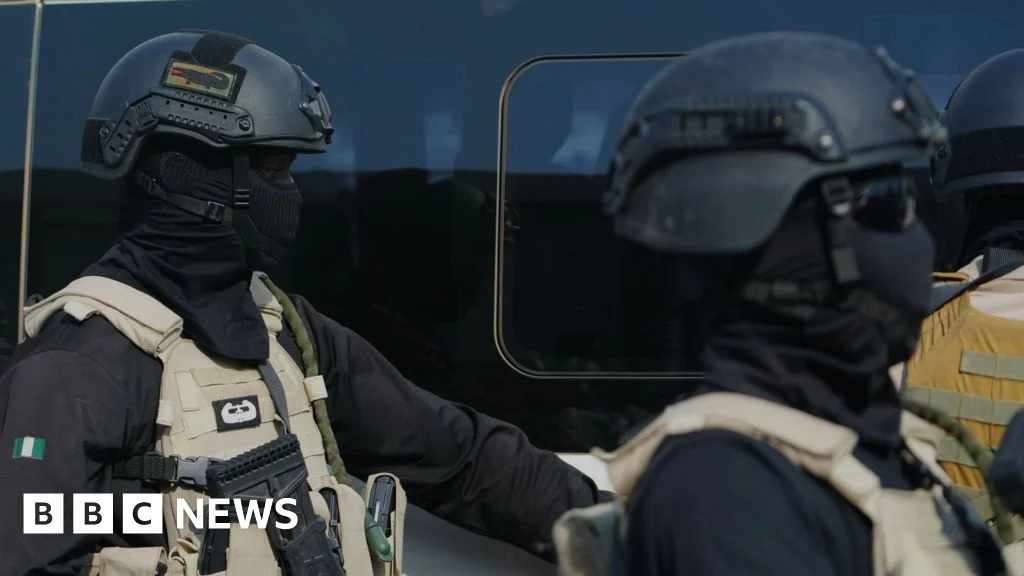
The Nigerian military, supported by a multinational joint task force, has been engaged in extensive counter-insurgency operations aimed at rooting out these groups. These operations frequently involve ground assaults, intelligence gathering, and air strikes targeting suspected militant hideouts, training camps, and logistics convoys. However, the nature of asymmetric warfare, where insurgents often blend into civilian populations or operate from remote villages, presents immense challenges for military forces seeking to avoid collateral damage. The conflict has severely disrupted agricultural activities, trade routes, and social structures, pushing an already vulnerable population into deeper humanitarian crisis, with food insecurity and lack of access to basic services being rampant. Over 2.2 million people remain internally displaced across the region, heavily reliant on humanitarian aid.
Chronology of the Incident and Initial Reports
The incident reportedly took place on Saturday, 12th April 2026. According to the Reuters news agency and various local reports, Nigerian military jets were engaged in an operation against Islamist militants when the strike occurred at a market situated near the border between Yobe and Borno states. Markets in this region are vital hubs for commerce and social interaction, drawing traders and buyers from numerous surrounding communities, particularly on designated market days. This concentration of people tragically makes them vulnerable targets during military operations if intelligence is flawed or targeting goes awry.
On Sunday, the Nigerian Air Force issued a statement via its public relations channels, confirming that it had carried out "mop-up" air strikes on "identified terrorist locations" within the Jilli axis of Borno State on Saturday. The NAF statement clarified that these follow-on strikes were "aimed at fleeing remnants and regrouping cells seeking to exploit the difficult terrain." Crucially, the statement did not explicitly mention striking a market, nor did it confirm any casualties, civilian or otherwise, from these specific operations. This official ambiguity immediately created a gap between military reporting and eyewitness accounts.
Later on Sunday, the Yobe State Emergency Management Agency (SEMA) released a statement on Facebook, acknowledging "preliminary reports" of an incident at Jilli Market in the Gubio local government area, "which reportedly resulted in casualties affecting some marketers." The agency further stated that emergency response mechanisms had been "immediately activated," with assessment teams deployed to the area, but cautioned that "details regarding the nature of the incident and the number of casualties remain unverified." This official acknowledgement from a state agency, while not confirming the military’s involvement, lent credence to the reports of an incident at the market causing casualties. Brigadier General Dahiru Abdulsalam, speaking for the government of neighbouring Yobe state, confirmed that "Some people from Geidam LGA [local government area] bordering Gubio LGA in Borno state who went to the Jilli weekly market were affected," further solidifying the geographical context and the impact on civilians from multiple states.
Conflicting Casualty Reports and Challenges of Verification
One of the most immediate and distressing aspects of the unfolding situation has been the wide disparity in reported casualty figures. News agency Reuters, citing Lawan Zanna Nur Geidam, a councillor in Yobe’s Geidam district, along with three residents and an official from an international humanitarian agency, reported a grim toll of at least 200 people killed. Zanna Nur Geidam was quoted as describing it as "a very devastating incident" and confirmed that the injured had been transported to hospitals in both Yobe and Borno states.
In stark contrast, Nigerian outlets such as The Sun and Punch reported sources indicating a lower figure of 10 fatalities, with "several" others sustaining injuries. Adding to the complexity, the Daily Trust newspaper cited an eyewitness who claimed at least 56 people had died, with 14 others hospitalised. This wide range of figures underscores the inherent difficulties in verifying information in conflict zones, particularly in the immediate aftermath of a traumatic event. Factors contributing to this challenge include:
- Remote Location: Jilli Market is likely in a remote area, making immediate access for independent verification difficult.
- Displacement and Chaos: Survivors may flee, and bodies may be buried quickly according to local customs, complicating accurate counting.
- Security Concerns: Access for journalists and humanitarian workers can be restricted due to ongoing security operations or the presence of militants.
- Communication Gaps: Reliable communication infrastructure is often poor in these regions, leading to fragmented information flow.
- Emotional Impact: Eyewitness accounts, while crucial, can sometimes be subject to the trauma and confusion of the moment, leading to variations.
The lack of immediate official confirmation from the military regarding the market strike itself further exacerbates the verification challenge, leaving humanitarian agencies and the public to piece together information from diverse and often contradictory sources.
Previous Incidents and a Pattern of Civilian Harm
This reported incident is not an isolated event but rather fits into a disturbing pattern of previous occurrences where Nigerian military operations against insurgents have mistakenly resulted in civilian casualties. Over the past decade, numerous reports from human rights organizations and local media have documented such tragedies:
- Rann, Borno State (2017): Perhaps one of the most well-known incidents, a Nigerian Air Force jet mistakenly bombed a camp for internally displaced people (IDPs) in Rann, killing at least 112 people and injuring many more. The military initially claimed the strike was on Boko Haram fighters.
- Katsina State (2022): An accidental air strike targeting bandits in the northwest killed several civilians, including children, during a religious festival.
- Yobe State (2021): Reports indicated an accidental bombing of a village in Yobe State, resulting in civilian deaths.
- Zamfara State (2023): An air strike aimed at bandits inadvertently hit a village, killing an unspecified number of civilians.
These incidents have consistently drawn strong condemnation from human rights groups, international organizations, and local communities. They highlight systemic issues, including:
- Intelligence Failures: Inaccurate intelligence gathering or interpretation leading to misidentification of targets.
- Technological Limitations: Potential limitations in precision targeting capabilities, especially in densely populated or complex terrains.
- Procedural Gaps: Insufficient safeguards or rules of engagement to prevent civilian harm during air operations.
- Lack of Accountability: Critics often point to a perceived lack of thorough, transparent investigations and subsequent accountability for those responsible, which erodes public trust and fails to deter recurrence.
The repeated nature of these incidents underscores the immense pressure on the Nigerian military to combat entrenched insurgencies while simultaneously facing the imperative to protect civilian lives.
Official Responses and Humanitarian Outcry
In the wake of the Jilli market incident, reactions from various stakeholders have been swift, though official military confirmation remains elusive. Amnesty International’s Nigeria branch was among the first to issue a strong condemnation, stating on X (formerly Twitter) that the strike had killed "over 100 people." The human rights organization minced no words, declaring, "Launching air raids is not a legitimate law enforcement method by anyone’s standard." The post further asserted, "Such reckless use of deadly force is unlawful, outrageous and lays bare the Nigerian military’s shocking disregard for the lives of those it supposedly exists to protect." This statement encapsulates the profound frustration and anger of civil society organizations regarding the recurring civilian casualties in military operations.
While the Nigerian Air Force has not directly addressed the market strike, its general statement about "mop-up" operations in the Jilli axis, without further clarification, has done little to assuage fears or address the allegations. Historically, when such incidents occur, the military often initiates internal investigations, expresses regret, and sometimes offers condolences or compensation to victims’ families, though these processes are often criticized for their lack of transparency and timeliness.
The Yobe State government’s acknowledgment of its residents being affected indicates a recognition of the tragic human cost, and their deployment of assessment teams is a crucial first step in understanding the scope of the disaster and providing aid. International humanitarian agencies operating in the region are likely to be on high alert, preparing to offer assistance to the injured and displaced, while also reiterating calls for adherence to international humanitarian law, which mandates precautions to spare civilians in armed conflict. The United Nations and other international bodies, while not directly quoted here, typically issue statements emphasizing the need for protection of civilians and thorough investigations into any alleged violations.
Broader Impact and Implications
The alleged air strike on Jilli Market carries significant implications for various facets of the ongoing conflict and its resolution:
- Erosion of Civilian Trust: Each incident of civilian casualties from military action deeply erodes the trust between local communities and the security forces. This trust is vital for intelligence gathering, community cooperation, and the overall success of counter-insurgency efforts. When civilians fear their protectors as much as the insurgents, it creates a dangerous vacuum.
- Humanitarian Crisis Intensification: The loss of life, injuries, and potential displacement from this incident will further strain humanitarian resources in a region already facing one of the world’s most severe humanitarian crises. Markets are lifelines; their destruction and the fear of attending them can disrupt food supply chains and economic activities.
- Propaganda Boost for Insurgents: Such incidents are often exploited by Boko Haram and ISWAP propaganda to portray the government as uncaring or incompetent, potentially aiding their recruitment efforts and legitimizing their narrative among disaffected populations.
- International Scrutiny: Repeated instances of civilian harm invariably draw increased international scrutiny and criticism from human rights watchdogs, foreign governments, and multilateral organizations. This can impact military aid, training partnerships, and Nigeria’s international standing.
- Challenges of Modern Warfare: The incident highlights the enduring dilemma of asymmetric warfare against non-state actors operating within civilian populations. Distinguishing between combatants and non-combatants, especially from the air, requires impeccable intelligence, advanced technology, and stringent adherence to rules of engagement.
- Call for Accountability and Reforms: The incident will intensify calls for greater transparency, accountability, and reforms within the Nigerian military’s operational procedures, particularly concerning air strike protocols. Demands for independent investigations, public reports, and redress mechanisms for victims are likely to grow louder.
- Long-term Stability: Ultimately, the ability of the Nigerian government to win the hearts and minds of the populace in the north-east is critical for achieving lasting peace and stability. Incidents like the Jilli market strike complicate this effort, prolonging the conflict and its devastating consequences.
As assessment teams begin their work and more details emerge, the focus will remain on thorough investigation, impartial reporting, and concrete actions to prevent such tragedies from recurring. The plight of the victims and their families, caught in the crossfire of a protracted conflict, serves as a stark reminder of the immense human cost of war and the imperative for all parties to adhere to the principles of distinction, proportionality, and precaution in armed conflict. The international community will undoubtedly be watching closely for the Nigerian government’s response and its commitment to protecting its civilian population.