


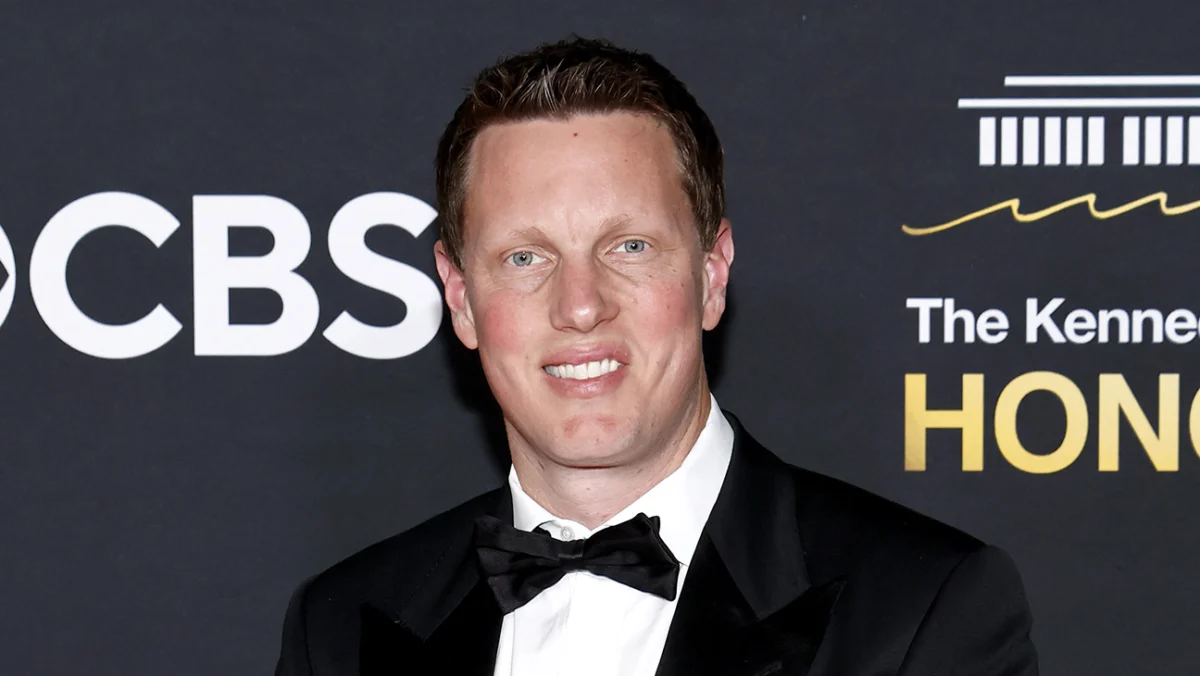
LAS VEGAS – In a move that sent ripples of anticipation and reassurance through the assembled ranks of movie theater owners, David Ellison, the influential figure behind Skydance Media, made a surprise appearance at CinemaCon on Thursday. Addressing the industry’s most powerful exhibitors, Ellison aimed to quell anxieties surrounding the ongoing shifts within Hollywood, particularly the potential acquisition of Warner Bros. and the new leadership at Paramount Pictures. His message was clear: a robust commitment to the theatrical experience remains paramount.
Ellison, who has been a central player in discussions about the future of Paramount, took the stage at the Colosseum at Caesars Palace, the traditional heart of CinemaCon proceedings. His unexpected presence followed a presentation by the newly installed regime at Paramount, which featured a compelling video message from director Jon M. Chu. The video, which had been exclusively previewed by The Hollywood Reporter, showcased a constellation of Hollywood’s brightest stars, including Tom Cruise, Timothée Chalamet, Sherry Lansing, Gina Prince-Bythewood, James Cameron, Chris Pratt, and Will Smith, all lending their voices to a vision of a revitalized Paramount. The video culminated with a powerful image of Tom Cruise perched atop the iconic Paramount water tower, gazing towards a hopeful horizon, a potent symbol of the studio’s enduring legacy and future aspirations.
"I want to look every single one of you in the eye and promise once we combine with Warner Bros., we’re going to make a minimum of 30 movies a year," Ellison declared to the gathered cinema operators. "Every film will be released in theaters with a minimum 45-day window and SVOD in 90 days." This pledge directly addressed one of the most pressing concerns for exhibitors: the shrinking theatrical window, which has been increasingly eroded by the rise of streaming services and a shift in studio strategies. The commitment to a 45-day exclusive theatrical run, followed by a 90-day window before availability on subscription video-on-demand (SVOD) platforms, represents a significant reassurance for a business model that relies heavily on the exclusivity and eventization of film releases.
A Vision for a Consolidated Hollywood
Ellison’s appearance at CinemaCon, an event that typically focuses on the upcoming slate of films and the business of exhibition, took on added significance given the ongoing speculation about Skydance Media’s potential acquisition of Warner Bros. Discovery’s film and television assets. While the deal has been subject to extensive negotiation and media scrutiny, Ellison’s direct address to theater owners underscored his intent to project an image of stability and a forward-thinking strategy for the combined entity.
The consolidation of Warner Bros. assets with a Skydance-led group, which also includes the recently restructured Paramount, would represent a seismic shift in Hollywood. Warner Bros. Discovery, led by David Zaslav, has undergone significant restructuring since its formation in April 2022, marked by strategic divestitures and a renewed focus on profitability. Paramount, on the other hand, has been actively seeking strategic alternatives, with Skydance emerging as a leading contender for a significant investment or acquisition.
Ellison’s remarks on Thursday were not just about reassurance; they were a declaration of intent. By promising a minimum of 30 films per year under the combined banner of Warner Bros. and Paramount, he signaled a substantial investment in theatrical content. This number is particularly noteworthy. Prior to recent shifts, major studios typically released between 15-25 films annually. A commitment to 30 or more suggests an expansion of production, potentially filling gaps left by other studios or catering to a wider range of genres and audience demographics.
The Power of the Theatrical Window
The specific mention of a 45-day theatrical window is a crucial element of Ellison’s promise. Historically, theatrical windows ranged from 75 to 120 days. The COVID-19 pandemic accelerated the trend towards shorter windows, with some studios experimenting with simultaneous theatrical and digital releases or extremely compressed timelines. This practice has been a source of friction between studios and exhibitors, who argue that shorter windows undermine the value proposition of going to the cinema and discourage long-term investment in the theatrical experience.
A 45-day window, while shorter than pre-pandemic norms, is a significant compromise compared to the often-debated 17-day or 31-day windows that have been implemented by some studios in recent years. The subsequent 90-day window before SVOD availability further reinforces the primacy of the theatrical release. This phased approach allows for multiple revenue streams to be maximized: initial box office receipts, followed by home entertainment sales and rentals, and finally, subscription streaming revenue.
Paramount’s New Direction and Star Power
Ellison’s address was framed by the optimistic presentation from Paramount’s new leadership. The video, featuring A-list talent, served as a powerful endorsement of the studio’s future under its current direction, which has been heavily influenced by Skydance’s involvement. The presence of Tom Cruise, a staunch advocate for theatrical releases and a key partner in Paramount’s recent successes like "Top Gun: Maverick," is particularly significant. Cruise’s long-standing relationship with Paramount and his vocal support for the cinematic experience lend considerable weight to the studio’s renewed focus on the big screen.
The inclusion of directors like Jon M. Chu and Gina Prince-Bythewood, alongside stars such as Timothée Chalamet and Chris Pratt, suggests a commitment to nurturing talent and producing a diverse slate of films that can appeal to a broad audience. This is a critical factor for exhibitors, who depend on a steady stream of high-quality, marketable films to drive attendance.
A Strategic Pivot and Industry Impact
Ellison’s message at CinemaCon can be interpreted as a strategic pivot towards a more exhibition-friendly model, particularly in light of the potential integration of Warner Bros. assets. For years, the industry has grappled with the tension between the economics of streaming and the traditional model of theatrical distribution. Ellison’s words suggest a belief that a balanced approach, one that leverages the unique power of the theatrical experience while also embracing digital platforms, is the most sustainable path forward.
The implications of such a consolidated entity, committed to a robust theatrical slate and defined windows, are far-reaching:
- Increased Content for Theaters: A commitment to at least 30 films per year means more opportunities for exhibitors to program their screens and generate revenue. This is especially important for independent theaters and those in smaller markets that may struggle to attract major studio releases.
- Stabilization of the Exhibition Market: By providing clear and consistent theatrical windows, Ellison’s proposed strategy could help stabilize the exhibition market, which has faced significant uncertainty in recent years. This predictability can encourage exhibitors to invest in their infrastructure and marketing efforts.
- Reinvigoration of the "Event" Movie: A strong commitment to theatrical releases, coupled with a 45-day window, can help reinforce the idea of going to the movies as a special event, encouraging audiences to experience films on the big screen.
- Potential for Synergies: The combination of Paramount and Warner Bros. under a single umbrella could lead to significant operational synergies, potentially reducing costs and increasing efficiency in film production and distribution. This could translate into more resources being allocated to theatrical releases.
A Personal Connection to Cinema
Ellison also touched upon his personal connection to the film industry, referencing his friendship with director Jon M. Chu from their days at USC film school. This personal anecdote aimed to humanize the corporate discussions and underscore a genuine passion for filmmaking and storytelling.
"Nowhere else can you launch a multi-platform franchise or IP that can grow and thrive for generations to come," Ellison stated, highlighting the unique value of the theatrical experience. He described the cinema business as "smart business," emphasizing its benefits not only financially but also for the cultural fabric of society. "It’s good for the heart, it’s good for our business, and most importantly, it’s good for our people," he added, a sentiment that resonated with the audience of theater owners and distributors.
Demonstrating Progress at Paramount
Ellison also used his platform to highlight the tangible progress made since Skydance took a significant role at Paramount in August 2025. He cited an increase in the studio’s output, with 15 films currently slated for release in 2026, up from eight in 2025. This data point serves as concrete evidence of the new regime’s efforts to ramp up production and deliver content to the market.
"People can speculate all they long, but I’m standing here telling you personally that you can count on our complete commitment and we’ll show you again," Ellison asserted, directly addressing any lingering doubts or rumors. He concluded by expressing gratitude for the partnership with cinema owners, stating, "Thank you for your partnership. We’re thrilled to have you on this journey with us, and we are incredibly excited for what’s ahead."
Ellison’s surprise appearance and his resolute message at CinemaCon served as a powerful signal to the exhibition industry. In an era of rapid technological change and evolving consumer habits, his commitment to the theatrical release, coupled with concrete promises about release windows and content volume, aims to build confidence and foster collaboration. As Hollywood continues to navigate its complex future, the words of David Ellison offer a beacon of stability and a clear vision for the enduring importance of the movie theater.