



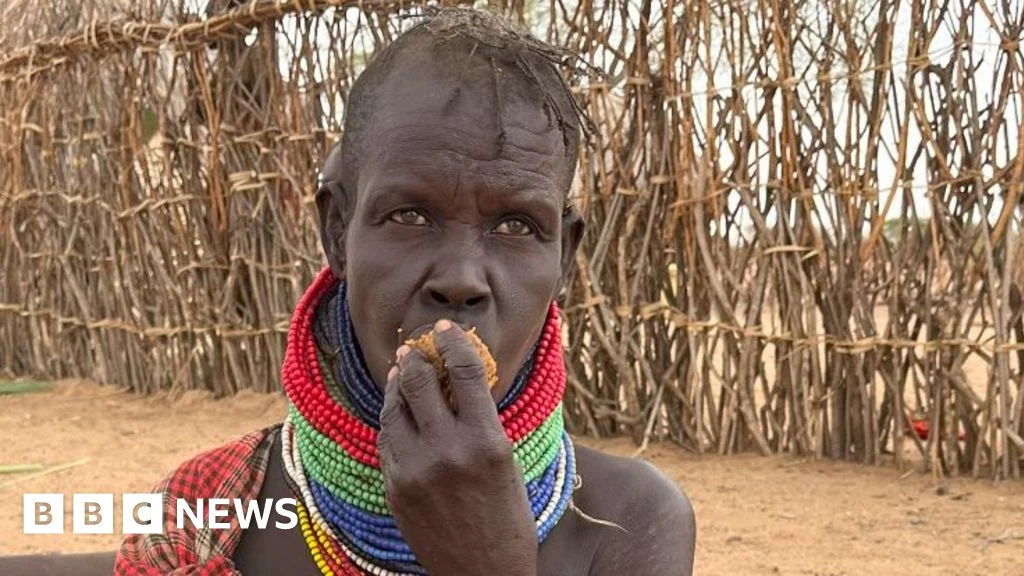
In the parched landscapes of Turkana, north-western Kenya, a severe and protracted drought has driven communities to the brink, forcing them to rely on unconventional and often risky survival strategies. Among these, the humble doum palm, locally known as "mikwamo" or the "gingerbread tree," has become a critical, albeit limited, lifeline for hundreds of thousands facing extreme hunger. The crisis, characterized by successive failed rainy seasons, has decimated livestock herds, eradicated pasturelands, and pushed already vulnerable pastoralist populations into a desperate struggle for sustenance.
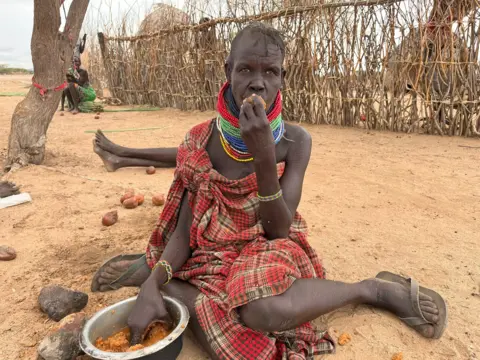
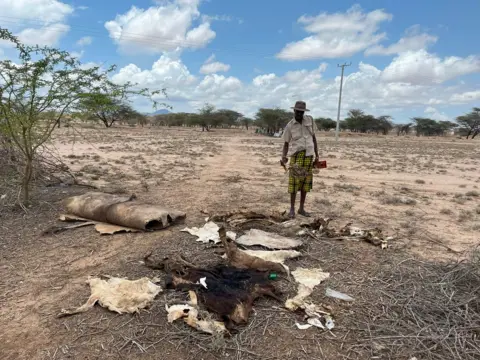
Lotkoy Ebey, a woman in her early fifties from Turkana, embodies the profound devastation gripping the region. Where she once commanded a herd of 50 goats, a symbol of wealth and sustenance in her culture, only five scrawny animals remain. The rest succumbed to the unforgiving drought, their pastures having withered into barren dust. In Turkana, livestock are more than just a source of income; they are integral to social standing, dowries, and daily survival. Their widespread loss represents an irreversible economic and cultural disaster for families like Ebey’s, shattering their traditional way of life and leaving them utterly exposed.
The Growing Hunger Crisis
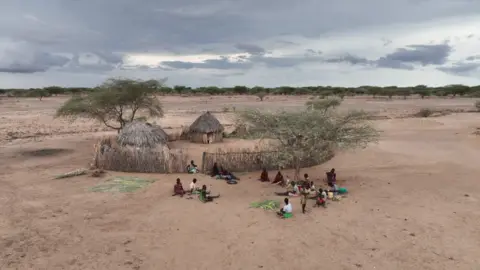
For Ebey and her household, the luxury of eating twice a day is a distant memory. More often, she subsists on a single, meager meal, if any. She recounts harrowing periods of going five days without proper nourishment, her voice weak and scratchy as she describes the desperate expeditions into the scrubland in search of anything edible. This grim reality is echoed across Turkana county, where the effects of the prolonged drought are visibly etched onto the landscape: once-vibrant grazing fields now lie bare, and riverbeds are reduced to cracked, dry expanses.
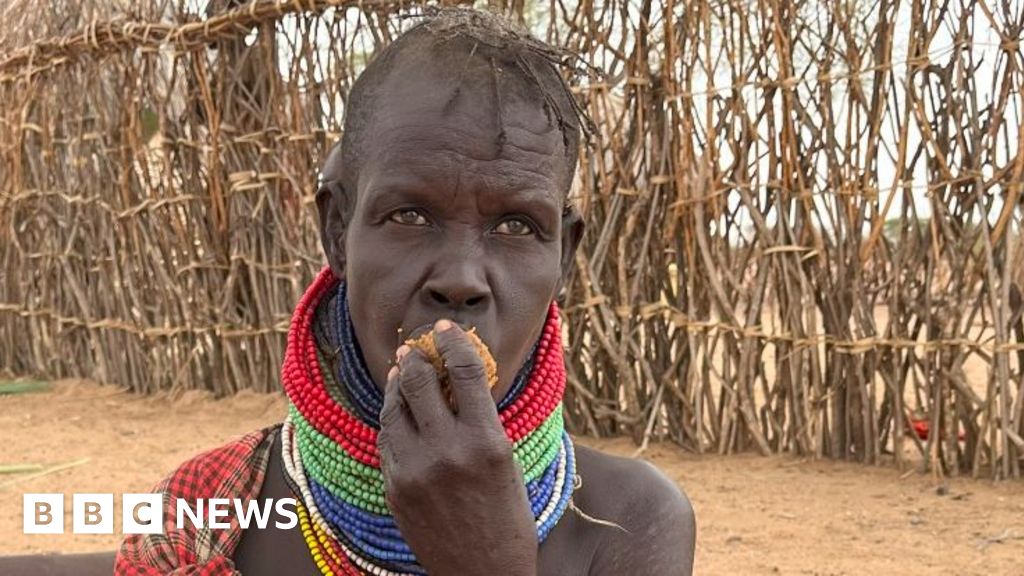
The scale of the crisis extends far beyond Turkana. According to Oxfam, a leading humanitarian organization, the drought has affected a vast swathe of East Africa, leaving an estimated 26 million people in Kenya, Ethiopia, and Somalia "facing extreme hunger." In Turkana county alone, experts from the local National Drought Management Authority (NDMA) report that rainfall has been uneven, unpredictable, and woefully insufficient to counteract the impact of two consecutive failed rainy seasons. Jacob Letosiro, a member of Turkana county’s drought management team, cautions that any recent rainfall might be off-season and unlikely to have an immediate, significant impact on livestock or water availability, rendering it "not something worth celebrating at this point."
The Gingerbread Tree: A Double-Edged Lifeline
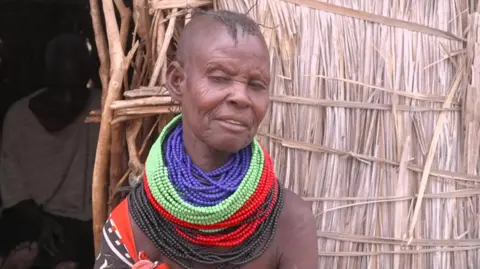
Under the sparse shade of a tree in Kakwanyang village, three women, including Regina Ewute Lokopuu, sit together, rhythmically pounding the wild brown fruits of the doum palm. These fruits, known locally as "mikwamo," are distinctively rough and lumpy, tasting somewhat like gingerbread. In better times, they served as simple snacks for young boys tending their herds. Today, they represent one of the few available food sources, a desperate measure against starvation.
The quest for these fruits is arduous; hungry villagers often trek for more than three hours into the wilderness to locate the scattered doum palm trees. "I don’t know who brought this hunger, it’s too severe," Lokopuu laments, her words underscoring the profound sense of helplessness gripping the community. "We eat these because of hunger." While the fruit can quickly fill an empty stomach, it comes with a significant caveat. Lokopuu warns that consuming too much can induce drowsiness and severe stomach upsets. On rare occasions, when families manage to earn a little money by selling brooms woven from doum palm leaves, they purchase maize flour to mix with the fruit sauce, hoping to dilute its potency and make it safer to eat.
Lokopuu herself, like Ebey, has experienced devastating livestock losses, now sharing her meager portion of wild fruit with the single goat she has left from a herd that once numbered 20. The reliance on such wild, potentially harmful foods highlights the extreme vulnerability and lack of alternatives for these communities.
Chronology of a Worsening Crisis
The current drought in East Africa is not an isolated event but rather the culmination of a series of severe dry spells that began in late 2020. The 2020 short rains (October-December), followed by the 2021 long rains (March-May) and the 2021 short rains, all performed significantly below average. This unprecedented sequence of rainfall failures, compounded by existing vulnerabilities such as poverty, conflict, and inadequate infrastructure, has steadily eroded the resilience of pastoralist communities.
By early 2022, the situation escalated into a full-blown humanitarian catastrophe. Livestock, the primary asset and food source for pastoralists, began to die in unprecedented numbers due to lack of pasture and water. Water sources dried up, leading to long treks for both humans and animals. Food prices soared, making what little was available unaffordable for most. The Intergovernmental Authority on Development (IGAD) Climate Prediction and Applications Centre (ICPAC) has consistently warned of these conditions, noting that the successive failures of rainy seasons are a hallmark of climate change impacts in the region. The current projections for 2023 also paint a bleak picture, suggesting continued below-average rainfall in many areas, offering little hope for immediate recovery.
The Broader Impact: Social and Economic Devastation
The decimation of livestock has far-reaching consequences. For pastoralist communities in Turkana, livestock represent not only food and income but also cultural identity, social status, and a vital coping mechanism against hardship. The loss of herds undermines traditional social structures, increases poverty, and leads to widespread food insecurity. Children, particularly, bear the brunt of the crisis, facing severe malnutrition, which can lead to stunted growth, increased susceptibility to disease, and long-term developmental challenges. School attendance plummets as children are forced to join adults in the search for food and water or migrate with their families.
The gendered impact of the drought is also profound. With men often forced to leave their homes in search of greener pastures for their remaining animals – sometimes crossing international borders – women are left behind to manage households, care for children, and shoulder the burden of finding food and water in increasingly difficult conditions. This displacement and separation can also exacerbate social tensions and increase vulnerability to exploitation.
Furthermore, the drought triggers significant internal displacement and migration, as communities abandon their traditional lands in search of survival. This often leads to increased pressure on scarce resources in host communities and can ignite inter-communal conflicts over water and grazing land, further destabilizing an already fragile region. The economic impact ripples beyond individual households, affecting local markets, trade routes, and regional stability.
Official Responses and Humanitarian Appeals
Both the Kenyan government and various humanitarian organizations are grappling with the immense scale of the crisis. Jacob Letosiro of Turkana county’s drought management team confirms that over 320,000 people in the county are in "urgent need of food assistance," a figure that continues to rise. The government has announced plans to distribute food and livestock feed in the most affected counties, a critical step but one that humanitarian officials warn is dwarfed by the sheer magnitude of the need.
Aid agencies, including the Kenya Red Cross, the UN’s World Food Programme (WFP), and World Vision Kenya, are actively involved in providing relief. At a Red Cross food storage facility outside Turkana county’s capital, Lodwar, workers are seen loading food bags onto lorries destined for vulnerable households. However, the resources are severely strained. Rukia Abubakar, the Turkana coordinator for the Kenya Red Cross, frankly admits, "We have only little food, which cannot reach all people in need. That’s why we are asking partners and well-wishers to come and support the people."
This appeal for increased international support is a consistent theme from all aid organizations operating in the region. Funding shortfalls remain a critical impediment to effective and widespread humanitarian response. The WFP, for instance, has repeatedly highlighted the need for billions of dollars to avert famine in East Africa, emphasizing that early intervention is far more cost-effective than emergency response once a crisis has fully unfolded. The international community’s response, while present, has struggled to keep pace with the rapidly escalating needs, leading to the desperate situations observed in villages like Latimani.
In Latimani, just 5km from Kakwanyang, the desperation is palpable. Kerio Ilikol speaks of going three days without food, relying on a meager offering from a neighbour that barely sufficed for one meal. Her neighbour, Akale Helen, upon seeing journalists, immediately appeals for help: "Help, help, help us now that you’ve come to visit us. We don’t have food, we are very hungry, and even goats don’t have food." These direct pleas underscore the immediate and urgent need for intervention at the grassroots level.
Beyond Immediate Relief: Building Long-Term Resilience
While emergency food assistance is crucial for immediate survival, experts and policymakers increasingly emphasize the need for long-term strategies to build resilience against recurrent droughts. Climate change is intensifying the frequency and severity of extreme weather events in East Africa, making traditional pastoralist livelihoods increasingly unsustainable without adaptation.
Key long-term solutions include:
- Climate-Smart Agriculture and Pastoralism: Promoting drought-resistant crops, improved livestock breeds, and sustainable rangeland management practices.
- Water Harvesting and Management: Investing in boreholes, dams, and irrigation systems to ensure reliable access to water, even during dry spells.
- Diversification of Livelihoods: Supporting communities in developing alternative income sources beyond traditional pastoralism, such as small-scale trade, aquaculture, or vocational skills training.
- Early Warning Systems: Strengthening meteorological services and community-level early warning systems to enable timely preparedness and response.
- Social Protection Programmes: Implementing robust safety nets, including cash transfers and livestock insurance, to protect vulnerable households during shocks.
- Peacebuilding and Conflict Resolution: Addressing the underlying drivers of conflict over natural resources, which are exacerbated by drought.
The current crisis in Turkana is a stark reminder of the interconnectedness of climate change, food security, and human well-being. For Lotkoy Ebey, Regina Ewute Lokopuu, and countless others, survival hinges on both immediate aid and a fundamental shift towards more sustainable and resilient futures. Without concerted and sustained efforts from national governments and the international community, the "gingerbread tree" will remain not a festive treat, but a bitter symbol of desperate survival in the face of an unrelenting climate crisis.