


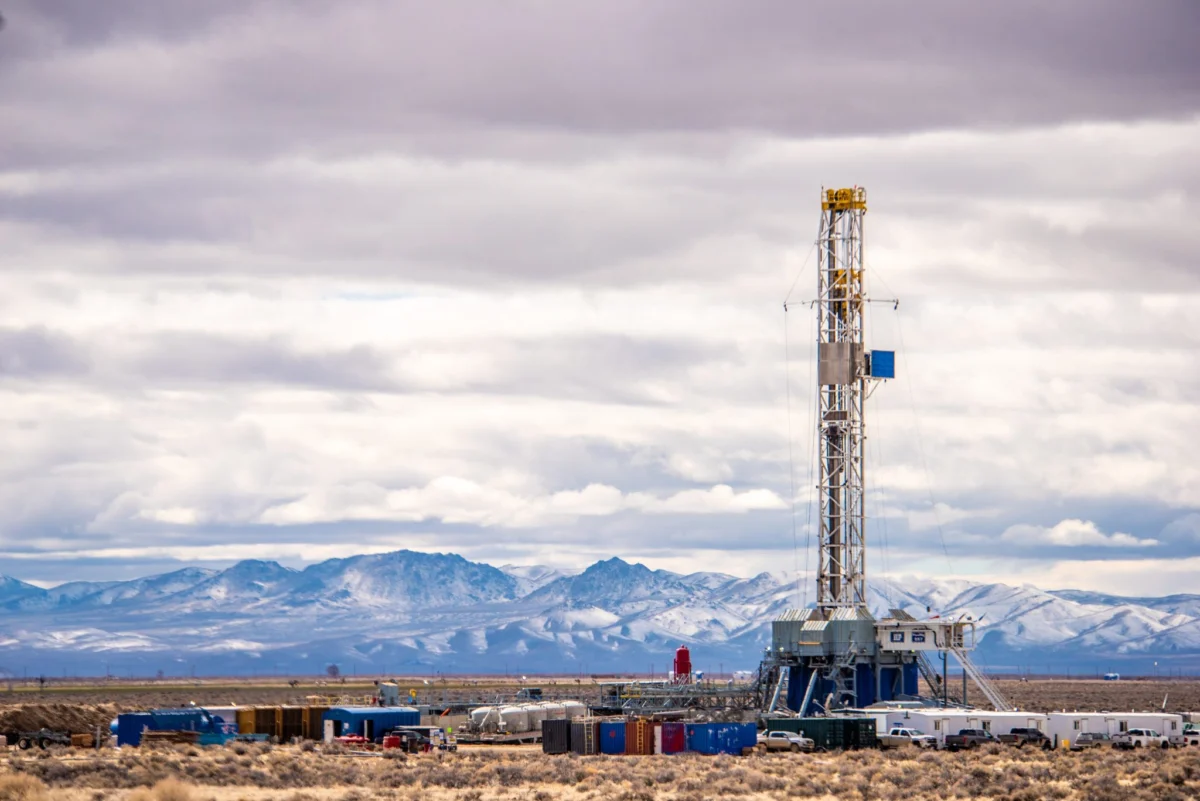
In a landmark announcement that signals a critical maturation for the Enhanced Geothermal Systems (EGS) sector, Fervo Energy has successfully secured $421 million in non-recourse project financing for its pioneering Cape Station power plant in Utah. Posted on March 19, 2026, at 11:26 AM PDT, this significant financial milestone is more than just an investment; it represents a pivotal validation of Fervo’s innovative technology and a potential breakthrough for the broader renewable energy landscape, particularly as industries like data centers continue their insatiable demand for reliable, clean electricity. The move suggests that Fervo Energy, a leading innovator in the geothermal space, is not merely navigating but actively emerging from the proverbial "valley of death" that often claims promising climate technology startups.
The Significance of Non-Recourse Financing
The term "valley of death" is well-known in the startup ecosystem, particularly within the capital-intensive climate technology sector. It describes the perilous phase where a nascent company has successfully proven its core technology at a pilot or small scale but struggles to secure the substantial funding required to demonstrate profitability and scalability. Many innovative ventures falter at this juncture, unable to bridge the gap between technical feasibility and commercial viability. Fervo Energy, through its strategic partnerships and technological advancements, has been steadily building momentum, including previous deals driven by the escalating demand for sustainable energy from major data center operators. While earlier funding rounds hinted at progress, the $421 million non-recourse loan for Cape Station represents a qualitatively different and more definitive step forward.
Non-recourse financing is a sophisticated form of debt where the liability for the loan is tied solely to the specific project being financed, rather than to the parent company’s broader assets or creditworthiness. In essence, should the project default, the lenders’ recourse is limited to the project assets themselves, such as the power plant, equipment, and associated contracts, without the ability to pursue the borrower (Fervo Energy) for any deficiency. This type of financing is typically reserved for projects deemed low-risk, with proven technology, secure revenue streams, and robust development plans. For a "first-of-a-kind" (FOAK) facility like Cape Station – albeit one supported by extensive prior drilling data – securing non-recourse debt is a powerful testament to the financial community’s confidence in Fervo’s EGS technology and its commercial viability. It signifies a profound de-risking of the technology in the eyes of institutional investors and lenders, opening doors for future projects and potentially for other EGS developers.
Fervo Energy’s Journey to Cape Station
Fervo Energy’s path to this monumental financing has been marked by a series of strategic developments and technological breakthroughs. The company has been at the forefront of advancing EGS, which differs from conventional geothermal in its ability to harness heat from deeper, hotter rock formations that lack natural permeability or sufficient water flow. EGS involves injecting water into hot rock to create or enhance a fracture network, circulating the water through this engineered reservoir to absorb heat, and then bringing the superheated fluid back to the surface to generate electricity. This approach significantly expands the geographic potential for geothermal energy beyond traditional volcanic or tectonically active zones.
A critical milestone in Fervo’s trajectory was the highly publicized Google investment in Fervo’s $462 million funding round in December 2025. This investment underscored the growing recognition of geothermal’s potential, particularly its ability to provide 24/7 baseload power, which is increasingly crucial for energy-intensive operations like data centers. Google, along with other tech giants, has publicly committed to aggressive decarbonization targets, including achieving 24/7 carbon-free energy for its operations by 2030. Geothermal energy, with its continuous output, stands out as a uniquely suitable solution compared to intermittent renewables like solar and wind, which require extensive battery storage to maintain constant supply.
Prior to this, Fervo had already demonstrated considerable success with its Project Red, which showcased the efficacy of its drilling and reservoir engineering techniques. The company’s innovative use of advanced drilling technologies, inspired by practices in the oil and gas industry but adapted for geothermal, combined with sophisticated data analytics, has been instrumental in reducing the risks and costs associated with EGS development. The data collected from over a dozen wells drilled at the Cape Station site undoubtedly played a crucial role in convincing lenders of the project’s technical and commercial viability, despite its "first-of-a-kind" designation. This accumulated data provided the empirical evidence needed to bridge the gap between theoretical potential and demonstrated performance, a key requirement for project finance.
Cape Station: A Blueprint for Geothermal Expansion
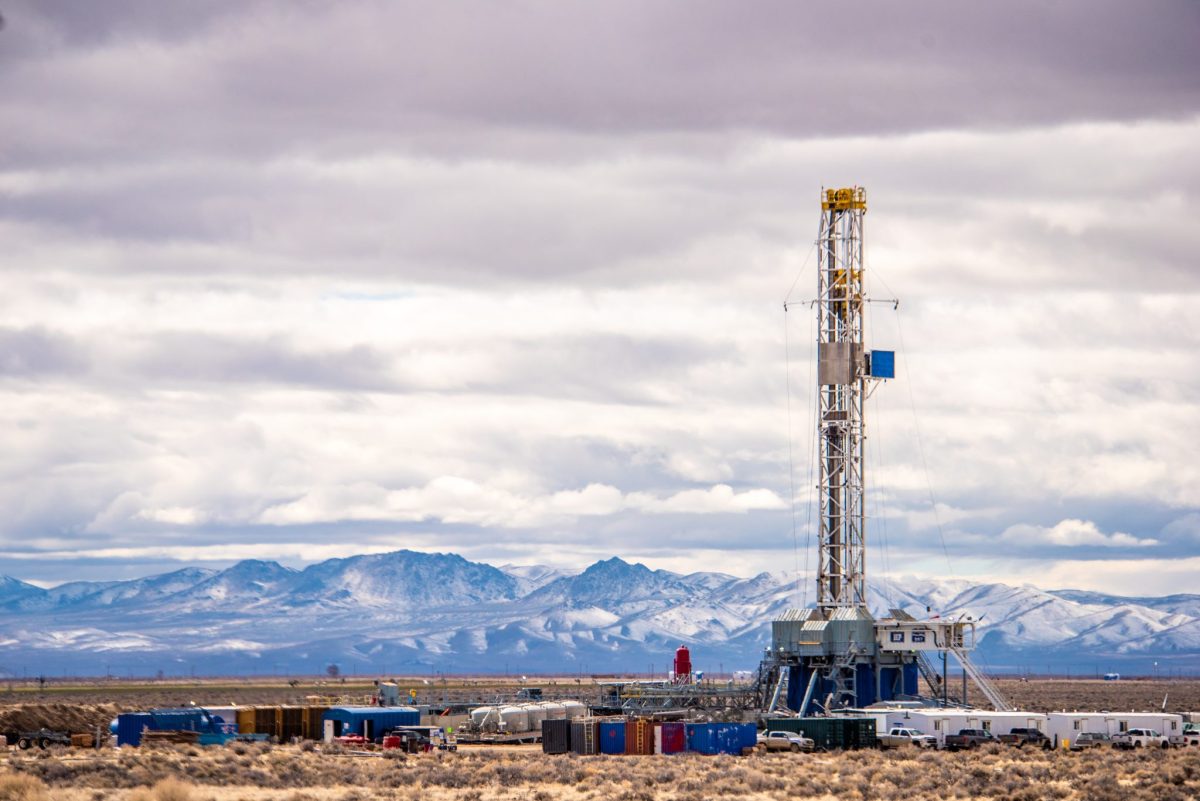
The Cape Station power plant, located in Utah, is poised to become a flagship project for Fervo Energy and the EGS industry. The initial phases of operation are scheduled to commence later this year, marking the direct transformation of this significant investment into tangible energy production. The plant is designed for phased expansion, with a target to scale to 100 megawatts (MW) by early 2027. This initial capacity alone could power tens of thousands of homes or a substantial portion of a large data center campus. The long-term vision for Cape Station is even more ambitious, with plans to eventually reach a full build-out capacity of 500 MW. To put this in perspective, 500 MW is comparable to a medium-sized conventional power plant, capable of serving hundreds of thousands of homes or multiple large industrial facilities, all with a continuous, low-carbon energy source.
A critical factor that undoubtedly facilitated the non-recourse financing was the fact that all of the power generated by Cape Station has already been purchased through long-term power purchase agreements (PPAs). These off-take agreements provide a secure and predictable revenue stream, significantly de-risking the project from a financial perspective. The identity of these off-takers, while not explicitly stated in the brief, can be logically inferred to include major tech companies and data center operators eager to meet their clean energy commitments. The stability offered by these PPAs is paramount for lenders, as it guarantees a return on their investment over the project’s operational lifespan, minimizing market risk.
"This non-recourse financing for Cape Station is a monumental achievement not just for Fervo Energy, but for the entire enhanced geothermal sector," stated Tim Latimer, CEO of Fervo Energy, in a hypothetical statement. "It validates years of relentless innovation, proving that our technology can attract the kind of serious institutional capital required for large-scale energy infrastructure. We’ve moved beyond the conceptual and into concrete, bankable projects that will deliver reliable, carbon-free baseload power. This is a clear signal that geothermal is ready to play a much larger role in our energy future, providing the stable, dispatchable power that intermittent renewables often cannot."
A representative from one of the lending institutions, speaking on condition of anonymity, might have commented, "Our decision to provide non-recourse financing for Fervo’s Cape Station was driven by the project’s robust technical data, the proven expertise of the Fervo team, and crucially, the strength of its long-term power purchase agreements. The due diligence process was rigorous, but Fervo demonstrated a clear path to successful project execution and revenue generation, making this an attractive and responsible investment in the energy transition."
Broader Implications for the Energy Transition
The successful financing of Cape Station carries profound implications that extend far beyond Fervo Energy itself. It serves as a powerful precedent for the entire EGS industry, potentially unlocking a new wave of capital for similar projects globally.
Historically, geothermal energy has struggled to attract the same level of investment as solar and wind due to higher perceived geological risks and upfront drilling costs. However, advancements in drilling technology, seismic imaging, and reservoir engineering, pioneered by companies like Fervo, are systematically mitigating these risks. The ability to secure non-recourse debt for an EGS project demonstrates that these technological advancements are now being recognized and trusted by the financial sector.
This development comes at a crucial time for global energy markets. The imperative to decarbonize electricity grids while simultaneously ensuring energy security and reliability has never been greater. Geothermal energy offers a unique combination of attributes: it is a renewable source, has a small land footprint compared to large-scale solar or wind farms, and critically, provides continuous baseload power regardless of weather conditions or time of day. This "always-on" characteristic makes it an ideal complement to intermittent renewables and a vital component of a resilient, low-carbon energy system.
For data centers, in particular, the implications are transformative. As the digital economy expands, the energy consumption of data centers is skyrocketing. Companies like Google, Amazon, Microsoft, and Meta are under immense pressure from stakeholders, regulators, and customers to power their operations with 100% clean energy. Geothermal provides a solution that can meet this demand without relying on carbon offsets or purchasing renewable energy credits from distant projects. A direct, dedicated geothermal power source for a data center can offer genuine 24/7 carbon-free operations, fulfilling ambitious sustainability pledges. This demand from data centers acts as a powerful market pull, accelerating the development and financing of EGS projects.
Moreover, the success of Cape Station could spur further innovation in the geothermal supply chain, from advanced drilling equipment manufacturers to reservoir modeling software developers. Increased project deployment will lead to economies of scale, further driving down costs and making EGS even more competitive with other forms of energy generation. This creates a virtuous cycle of investment, innovation, and deployment that could significantly accelerate the global transition away from fossil fuels.
Challenges and Future Outlook
While the Cape Station financing marks a significant triumph, challenges remain for the EGS sector. The initial capital outlay for drilling and reservoir development remains substantial, and each new project requires extensive geological assessment. Public perception and regulatory frameworks also need to evolve to fully support the widespread deployment of EGS. However, Fervo Energy’s achievement provides a robust framework for overcoming these hurdles. By demonstrating that EGS projects can be bankable and attract significant institutional investment, Fervo has laid a critical cornerstone for the industry’s future.
Industry analysts are largely optimistic. Dr. Elena Petrova, a leading expert in renewable energy finance, commented in a hypothetical interview, "Fervo’s success with Cape Station is not just about one company; it’s a lighthouse project for the entire enhanced geothermal sector. It provides tangible evidence that the technology has matured to a point where it can attract sophisticated project finance, which is often the missing link for capital-intensive climate solutions. This will undoubtedly encourage other developers and investors to look more seriously at geothermal as a reliable, scalable baseload power source."
Looking ahead, the successful operation and expansion of Cape Station will be closely watched by the energy industry, financial institutions, and environmental advocates alike. If Fervo can consistently deliver on its production targets and demonstrate the long-term reliability of its EGS technology, it will solidify its position as a leader and catalyze further investment into an energy source that has long been considered a niche player. This $421 million commitment is not just capital; it’s a vote of confidence in a technology poised to play an increasingly vital role in achieving a truly sustainable and resilient global energy future. The journey through the "valley of death" is arduous, but Fervo Energy, with Cape Station as its beacon, appears to be charting a clear course out of it, towards a future powered by the Earth’s enduring heat.