


In a surprising turn that has sent ripples across Wall Street, Goldman Sachs’ historically dominant fixed income division reported a significant underperformance in the first quarter of 2026, registering a 10% decline in revenue. This stark reversal from its customary market leadership has raised questions about the firm’s trading acumen and risk management, particularly as its closest competitors posted robust, even record-breaking, results in the same challenging environment. The miss, totaling $910 million below analysts’ expectations according to StreetAccount data, marks an unusually large deviation for a business long considered the cornerstone of Goldman’s trading prowess and a key driver of its profitability.
Initially, Goldman Sachs executives sought to frame the disappointing figures as an unavoidable consequence of an unfavorable trading environment. Speaking after the bank’s earnings report, CFO Denis Coleman remarked, "It was basically just a function of the overall environment making markets. We remain actively engaged with clients, but our performance in rates and mortgages was relatively lower." This explanation, however, quickly lost traction as a parade of rival institutions unveiled blockbuster fixed income results in the days that followed, laying bare Goldman’s comparative stumble.
A Quarter of Unforeseen Volatility: The Market Backdrop
The first quarter of 2026 was characterized by a dramatic shift in global economic sentiment and central bank expectations, creating a highly volatile yet potentially lucrative landscape for agile fixed income traders. Entering the year, market consensus was firmly anchored on the anticipation of at least two interest rate cuts by the Federal Reserve, a stance that had driven significant positioning across bond markets. Traders had largely aligned their portfolios to benefit from falling yields, betting on a dovish pivot from the central bank as inflation appeared to be moderating. This outlook had been a prevailing theme in late 2025, shaping investment strategies across the financial sector.
However, this carefully constructed market narrative was abruptly shattered by a sudden escalation of geopolitical tensions in the Middle East. The outbreak of a major conflict, specifically the Iran war, had an immediate and profound impact on global commodity markets, most notably crude oil. Oil prices surged, injecting a fresh wave of inflationary pressure into the global economy. This rapid commodity price shock forced a swift and dramatic re-evaluation of the Federal Reserve’s likely trajectory. What began as a consensus for rate cuts quickly evaporated, replaced by growing concerns about persistent inflation and even the possibility of further rate hikes later in the year, a scenario previously considered remote. By late March, the market was pricing out cuts entirely, with some investors bracing for a potential tightening cycle.
It is against this backdrop of rapid, unforeseen macroeconomic and geopolitical shifts that Goldman Sachs’ fixed income division appears to have been caught off guard. According to several market participants who spoke on condition of anonymity, the prevailing theory suggests that Goldman had maintained a significant "long duration" position – essentially betting on interest rates to fall – or was insufficiently hedged against a sharp reversal in rate expectations. When rates instead began to climb as the market recalibrated its Fed outlook, these positions would have incurred substantial mark-to-market losses, eroding profitability in a segment traditionally known for its aggressive, yet often prescient, trading strategies. The specific areas of underperformance cited by CFO Coleman – rates and mortgages – lend credence to this assessment, as both are highly sensitive to interest rate fluctuations.
The Unraveling of a Trading Legacy: Goldman’s Fixed Income Prowess
For decades, Goldman Sachs’ fixed income division, formally known as Fixed Income, Currencies, and Commodities (FICC), has been the envy of Wall Street. Its reputation as a trading powerhouse was meticulously built and fiercely guarded, particularly during the tenure of former CEO Lloyd Blankfein, who himself rose through the ranks of the commodities trading desk. Before the 2008 financial crisis and in its tumultuous aftermath, Goldman’s FICC unit was renowned for its ability to generate outsized gains, especially during periods of market dislocation. The firm cultivated an identity as a "trader’s bank," one uniquely equipped to navigate and profit from volatility, often making bold, contrarian bets that paid off handsomely. This cultural ethos permeated the entire organization, attracting top talent and reinforcing the perception of Goldman as the ultimate market-maker and risk-taker.
The FICC business encompasses a vast array of activities, including trading sovereign and corporate bonds, mortgage-backed securities, interest rate derivatives, foreign exchange, and various commodities. It requires deep market insight, sophisticated analytical tools, robust risk management, and the ability to execute complex trades quickly and efficiently. Goldman’s historical strength lay in its capacity to aggregate information, anticipate market movements, and provide liquidity, often leading to substantial proprietary trading profits. This legacy makes the first-quarter stumble particularly jarring and notable, as it directly challenges the firm’s core identity and its long-held claim of superior market intelligence and execution. It suggests that, in this instance, Goldman’s celebrated trading desks either misread the evolving landscape or were slower to adapt their positioning than their rivals.
Contrasting Fortunes: Peer Performance Highlights
The extent of Goldman’s underperformance became acutely clear when contrasted with the stellar results posted by its peer group. The narrative that the "overall environment" was simply not favorable for fixed income trading quickly unraveled.
-
JPMorgan Chase, often seen as a bellwether for the broader banking industry, reported a phenomenal quarter for its fixed income trading. The bank saw fixed income trading revenue jump by an impressive 21% to $7.1 billion. This was not merely a good quarter but the bank’s second-biggest haul ever in the fixed income space, underscoring its robust performance and effective navigation of the volatile market. JPMorgan’s ability to capitalize on increased client activity and market dislocations proved highly effective.
-
Morgan Stanley, while traditionally more focused on equities and wealth management, also demonstrated significant strength in its bond business. Despite fixed income being less of a strategic priority compared to some of its peers, the firm posted a remarkable 29% jump in fixed income trading revenue. This robust growth suggests that even firms with a less dominant FICC footprint were able to extract value from the market conditions.
-
Citigroup, another major player in fixed income, likewise reported strong performance. Its bond trading revenue surged by 13% to $5.2 billion, signaling a successful quarter in capturing client flow and managing risk amidst the market shifts.
Collectively, these results paint a picture of a market environment that, while challenging due to volatility, was demonstrably profitable for well-positioned and agile trading desks. The sheer scale of the gap between Goldman’s 10% decline and its rivals’ double-digit gains — a delta of 20-39 percentage points — underscores the severity of Goldman’s misstep. Had Goldman merely matched the average performance of its peers, its fixed income revenue would have been billions higher, dramatically altering its overall quarterly financial picture. This stark comparison suggests that the issue was not the market itself, but rather Goldman’s specific positioning, risk management, or execution capabilities within that market.
Leadership’s View: Explanations and Expectations
In the wake of the earnings report, Goldman Sachs leadership offered various perspectives on the outcome. While CFO Denis Coleman attributed the performance to the broader market environment, his explanation was met with skepticism by many analysts, especially given the contrasting results from competitors.
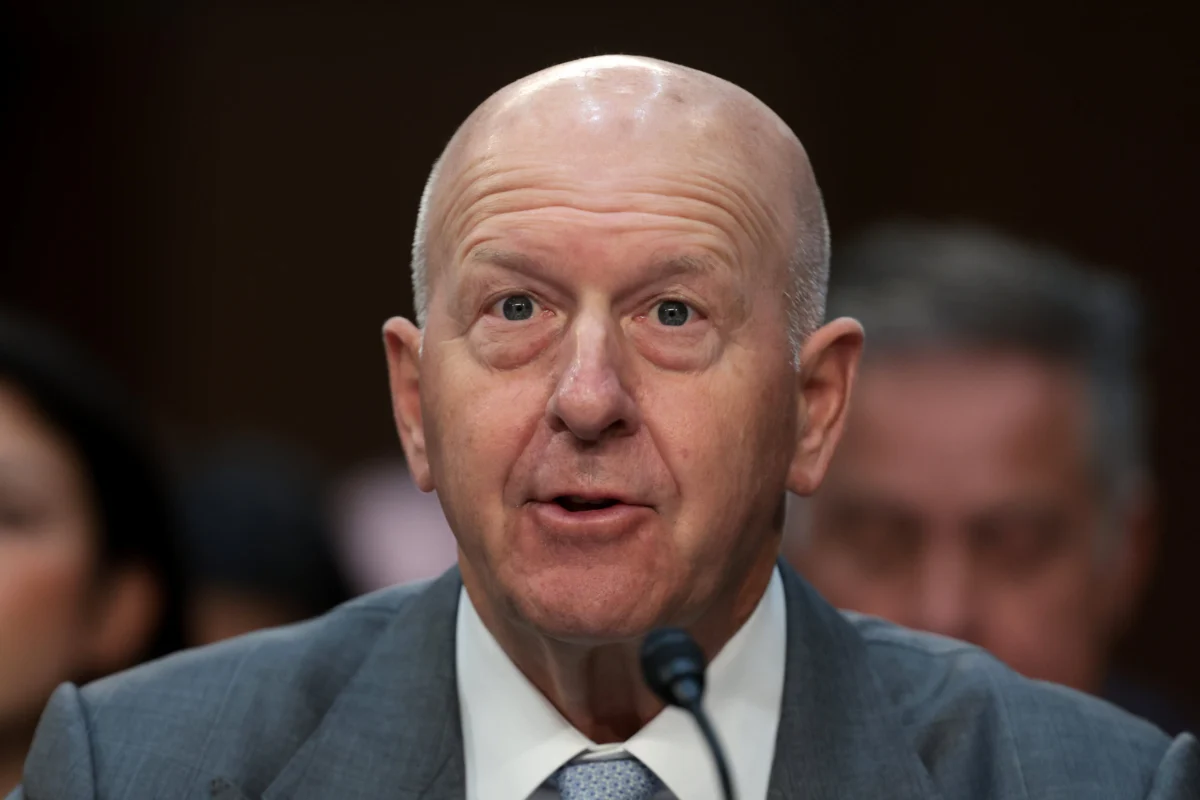
CEO David Solomon, while acknowledging the fixed income results, sought to put the quarter’s performance into a broader context. During the company’s conference call, he emphasized the overall strength and diversity of Goldman’s business lines. "When I look at the scale and the diversity of the business, it’s performing very, very well," Solomon stated. "Some quarters, it’s going to be stronger here, stronger there." This attempt to downplay the significance of the fixed income miss by highlighting other strong areas, such as equities trading and investment banking which had exceeded expectations, did little to quell the concerns of market observers who view fixed income as a foundational pillar of Goldman’s identity and profitability.
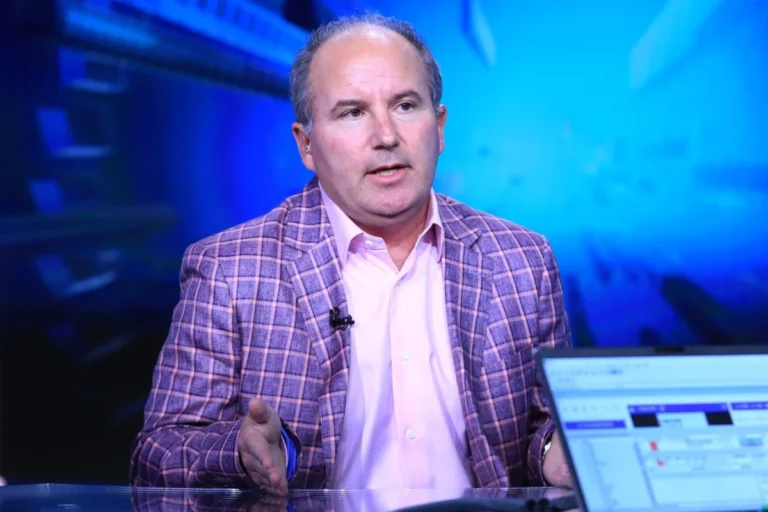
The sharpest critique came from veteran Wells Fargo analyst Mike Mayo, known for his incisive commentary on the banking sector. Mayo unequivocally called Goldman’s fixed income results "worst-in-class." In an interview with CNBC, he expressed little doubt about the internal ramifications, stating, "I’d imagine that at Goldman, a fire is being lit under the traders, managers and risk overseers in FICC after such an underperformance." Mayo’s assessment points to significant internal pressure and accountability likely being brought to bear on the FICC division, suggesting that the "overall environment" explanation may not be sufficient within the firm’s own walls. The culture of intense performance expectations at Goldman Sachs means such a miss in a core area will undoubtedly trigger a thorough review of strategies, personnel, and risk frameworks.
Navigating the Aftermath: Implications for Goldman Sachs
The underperformance in fixed income, despite an overall earnings beat, had an immediate negative impact on Goldman Sachs’ stock, which dropped by as much as 4% on Monday following the report. This reaction underscores investor sensitivity to weaknesses in core businesses, particularly those with a historical reputation for excellence.
The implications of this first-quarter stumble extend beyond immediate financial results and stock price fluctuations. For Goldman Sachs, a firm that prides itself on its intellectual capital and trading acumen, this event could trigger a period of intense introspection and strategic re-evaluation.
- Reputational Scrutiny: The "worst-in-class" label from a prominent analyst could subtly erode client confidence, particularly in a business as competitive as institutional trading. Clients choose banks for their perceived market insight and execution capabilities; a public misstep can lead to questions about competitive edge.
- Talent Retention and Recruitment: Goldman’s ability to attract and retain top trading talent has always been tied to its reputation for outperformance. Consistent underperformance, even if isolated to a single quarter, could make it harder to draw the brightest minds, especially when rivals are posting strong results.
- Risk Management Review: The prevailing theory of being "caught offsides" on interest rate trades suggests a potential gap in either market foresight, risk hedging, or the agility of position adjustment. This will likely necessitate a comprehensive review of the FICC division’s risk models, stress testing scenarios, and real-time responsiveness to macroeconomic shifts.
- Strategic Direction: While CEO Solomon emphasized diversity, the incident raises questions about the optimal balance between traditional trading businesses and newer ventures, such as wealth management or transaction banking. Does this reinforce the need to diversify away from volatile trading, or does it demand a renewed focus on bolstering its core FICC strengths?
- Investor Confidence: Persistent underperformance in a flagship division could lead to a re-rating of Goldman Sachs’ shares by investors who have historically valued its robust trading profits. Future earnings calls will likely see increased scrutiny on FICC performance and management’s strategies to regain market leadership.
Looking ahead to the second quarter of 2026, all eyes will be on Goldman Sachs’ FICC division. The market will be closely watching for signs of recovery, strategic adjustments, and whether the "fire being lit" under the trading desks translates into a significant turnaround. The firm’s ability to quickly learn from this experience, adapt its strategies, and reaffirm its trading prowess will be crucial in preserving its long-standing legacy as a Wall Street titan in the fiercely competitive world of fixed income. The coming quarters will serve as a critical test for Goldman Sachs’ leadership and its famed trading culture.