

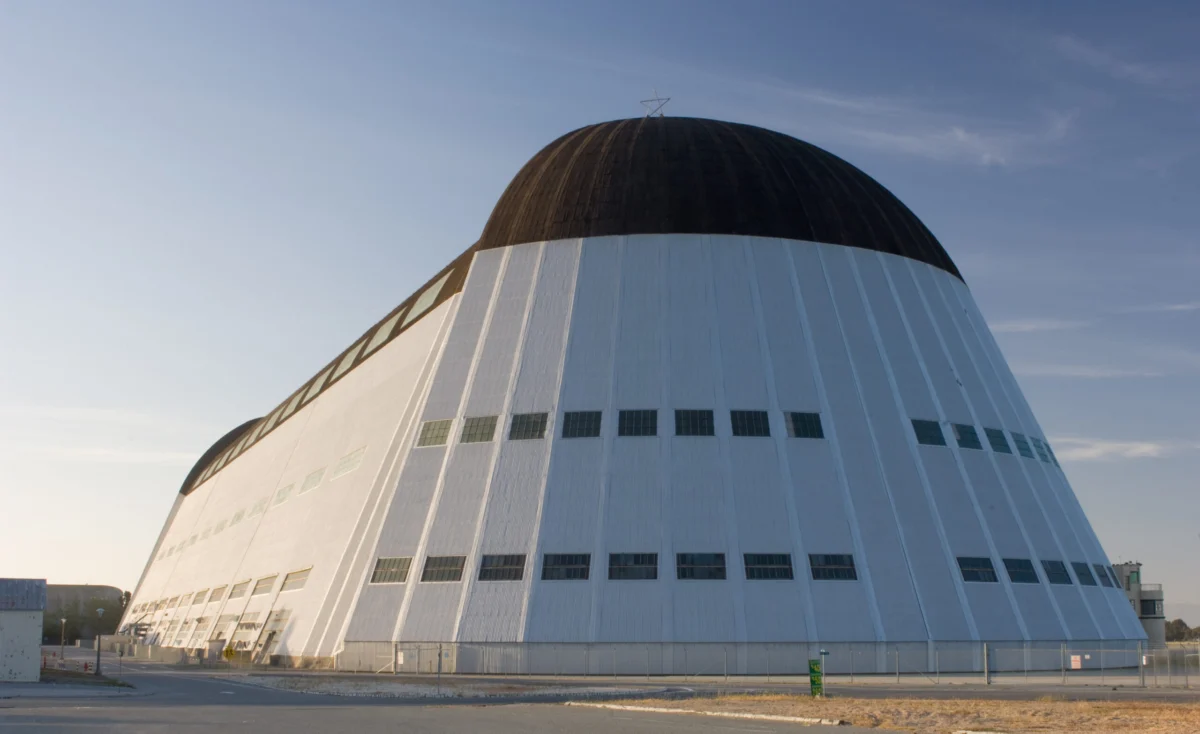
The monumental restoration of Hangar One, a defining landmark of the San Francisco Bay Area and a cornerstone of early American aviation history, has been successfully completed, culminating a multi-year endeavor to reclaim and revitalize the colossal structure. In December 2025, Planetary Ventures officially announced the conclusion of extensive work on the more than 90-year-old hangar, located at Moffett Federal Airfield within NASA’s Ames Research Center in California’s Silicon Valley. This comprehensive project focused on meticulously modernizing the immense facility while scrupulously preserving its original visual characteristics, ensuring that the historic edifice will stand as a testament to both its rich past and a sustainable future for generations to come.
A Monument Restored: The Phoenix from the Ashes
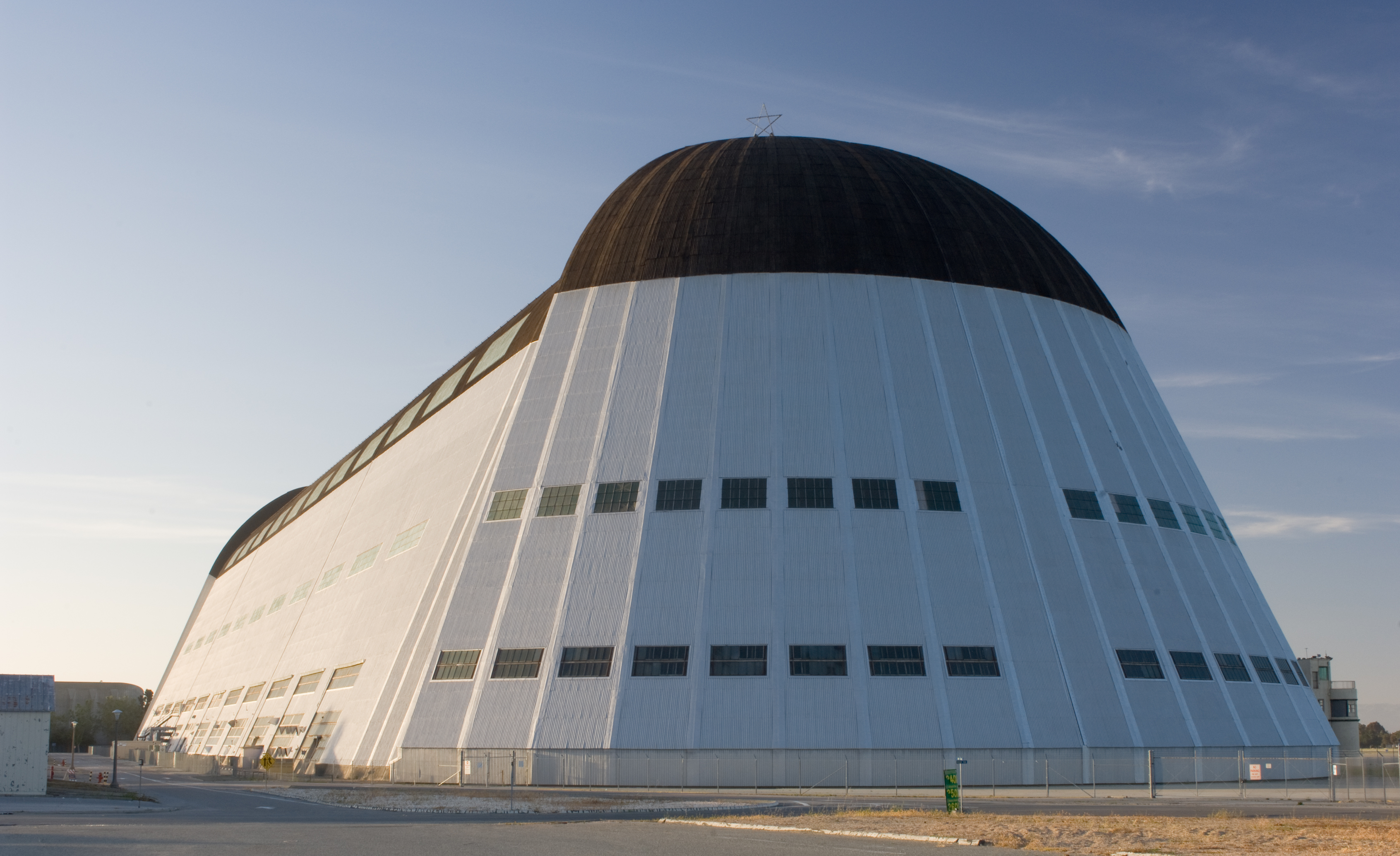
The scope of the restoration was vast, encompassing critical environmental remediation, thorough clean-up operations, and the complete recladding of the hangar’s vast siding and roof, alongside a multitude of essential structural upgrades. Adhering strictly to the stringent U.S. Secretary of the Interior’s Standards for Rehabilitation of historical buildings, the project represents a significant achievement in industrial heritage preservation. The newly reclad exterior, featuring durable, corrosion-resistant materials, faithfully reproduces the hangar’s iconic silhouette and metallic sheen, visible for miles across the South Bay. This final phase marks a dramatic transformation from the skeletal frame that stood for over a decade, stripped bare of its outer shell, to a fully enclosed, state-of-the-art facility ready for its next chapter.
Hangar One’s Storied Past: A Legacy of Innovation
To truly appreciate the magnitude of this restoration, one must understand Hangar One’s profound historical significance. Erected in 1933 by the U.S. Navy for the USS Macon, a colossal lighter-than-air rigid airship, Hangar One was a marvel of engineering for its time. Measuring approximately 1,133 feet long, 308 feet wide, and 198 feet high, covering nearly eight acres, it remains one of the largest freestanding structures in the world. Its sheer scale was designed to accommodate the Navy’s ambitious airship program, symbolizing America’s pioneering spirit in aviation. Following the decommissioning of airships, the hangar continued to serve vital roles through World War II, housing various aircraft, and later became an integral part of NASA’s Ames Research Center, supporting cutting-edge aerospace research and development. Its distinctive silhouette became an indelible part of the Silicon Valley landscape, a silent sentinel witnessing the birth and evolution of the digital age.
The Shadow of Contamination: A Remediation Challenge
The journey to restoration was fraught with complex challenges, primarily stemming from environmental contamination. Over decades of industrial use, the hangar’s original exterior materials, including its vast sheets of corrugated metal and layers of paint, became tainted with toxic chemicals, notably polychlorinated biphenyls (PCBs) and lead-based paint. These contaminants posed significant health risks and environmental hazards, prompting the U.S. Navy, the original owner, to undertake the initial remediation efforts. In a critical phase that began years ago, the Navy meticulously removed all of the hangar’s roof, siding, windows, doors, and other contaminated materials. Following this initial decontamination, the immense steel structural frame was sealed with epoxy, a protective measure to encapsulate any residual chemicals and prevent their release, leaving the iconic skeleton intact but exposed to the elements, awaiting a comprehensive solution. This period, spanning over a decade, saw the beloved landmark stand as a stark, skeletal reminder of its former glory, yet burdened by its environmental legacy.
Planetary Ventures’ Stewardship: A Decade of Dedication
A pivotal turning point arrived in 2014 when NASA entered into a long-term lease agreement with Planetary Ventures, a subsidiary of Google. Under this agreement, Planetary Ventures assumed responsibility for the operation of Moffett Federal Airfield and, crucially, committed to the rehabilitation of Hangar One. This partnership injected new life into the stalled project, bringing both the financial resources and the technical expertise required for such an ambitious undertaking. The vision behind the lease extended beyond mere restoration; it included plans to transform Moffett Field into a hub for aerospace research and development, with Hangar One at its heart, supporting innovation in areas like robotics, aviation, and space exploration. This commitment signaled a bright future for the historic structure, aligning its preservation with the forward-looking ethos of Silicon Valley.
The Meticulous Process: From Decontamination to Recladding
The actual hands-on restoration work by Planetary Ventures commenced in earnest in 2022, tackling the intricate task of removing the remaining toxic chemicals and fully revitalizing the structure. This phase was executed with extreme precision and adherence to rigorous safety and environmental protocols.
Phase 1: Advanced Decontamination (Starting 2022)
The process began with an advanced decontamination strategy. Working section by section, vast portions of Hangar One were surrounded with scaffolding and then meticulously encased in airtight containment structures. This encapsulation was critical to prevent any dispersal of contaminated materials into the surrounding environment during removal. Specialized teams, equipped with appropriate personal protective equipment, then carefully removed and processed the remaining hazardous substances. Tens of thousands of square feet of contaminated interior surfaces were cleaned, and residual materials, weighing an estimated hundreds of tons, were securely stored on-site in specially designed containers before being transported off-site to licensed hazardous waste disposal facilities. This highly controlled operation ensured that the environmental footprint of the restoration itself was minimized. Once the contaminated materials were fully cleared, the colossal steel frame, now entirely free of toxic residues, underwent a thorough preparation process. It was meticulously primed and then repainted with an industrial-grade, corrosion-resistant coating, designed to protect the structure from the harsh elements for decades to come, providing a pristine canvas for the subsequent recladding.
Phase 2: Structural Integrity and Modernization
Beyond environmental remediation, the project entailed extensive structural upgrades to ensure the hangar’s long-term operational integrity and compliance with modern building codes, including seismic safety standards for California. Engineers reinforced critical load-bearing elements, updated bracing systems, and performed comprehensive repairs to the steel framework, which had endured decades of exposure. Concurrently, a complete overhaul of the hangar’s internal systems was undertaken. This included the installation of state-of-the-art mechanical, electrical, and plumbing (MEP) systems, transforming the once rudimentary interior into a highly functional and energy-efficient space. New LED lighting arrays dramatically improved interior illumination while reducing energy consumption by an estimated 60% compared to traditional systems. Advanced climate control systems were integrated to maintain stable internal temperatures and humidity, crucial for potential future high-tech aerospace operations. Furthermore, the project incorporated significant landscape and hardscape improvements around the hangar, enhancing accessibility, stormwater management, and the overall aesthetic appeal of the surrounding grounds.
Phase 3: Recladding and Aesthetic Restoration (Leading to December 2025)
The final, highly visible phase involved the recladding of Hangar One. Drawing upon historical blueprints and photographs, the design team selected modern, durable materials that would closely replicate the hangar’s original visual characteristics. The new siding and roof materials consist of high-performance, corrugated metal panels, specifically chosen for their longevity, weather resistance, and ability to reflect sunlight, contributing to the hangar’s iconic silvery gleam. Over 700,000 square feet of these panels were custom-fabricated and installed, a logistical marvel requiring specialized equipment and a highly skilled workforce. New, energy-efficient windows and immense doors, designed to withstand high winds and maintain internal climate control, were fabricated and installed, allowing natural light to once again flood the interior while providing secure access. The precise alignment of these new components, carefully matched to the original architectural lines, has returned Hangar One to its former glory, an imposing yet elegant structure.
Voices from the Project
"This restoration represents the culmination of years of dedicated work, overcoming unprecedented environmental and engineering challenges," stated Dr. Lena Chen, Lead Project Manager for Planetary Ventures. "Our commitment was not just to rebuild a structure, but to resurrect a piece of American history, ensuring its functionality for future aerospace endeavors while honoring its past. We are incredibly proud to have met the rigorous standards for historical rehabilitation and to deliver Hangar One back to the community, better and safer than ever before."
A NASA Ames Research Center spokesperson, Dr. Marcus Thorne, commented on the significance of the partnership: "Hangar One is more than just a building; it’s a symbol of innovation that spans nearly a century. The collaboration with Planetary Ventures has been instrumental in preserving this iconic landmark, allowing NASA Ames to continue its legacy of groundbreaking research and development in a revitalized facility. We anticipate Hangar One will once again play a vital role in advancing humanity’s reach into the cosmos."
Local historical preservation advocate, Eleanor Vance, from the Silicon Valley Heritage Council, expressed profound relief and admiration. "For so long, Hangar One stood as a skeletal reminder of what we almost lost. Its restoration is a monumental victory for historical preservation, demonstrating that even the largest and most complex industrial sites can be saved and repurposed. It speaks volumes about our commitment to retaining tangible links to our past in a region constantly focused on the future."
An official from the Environmental Protection Agency (EPA) regional office, who wished to remain anonymous, acknowledged the project’s success: "The Hangar One remediation serves as an excellent model for addressing large-scale industrial contamination. The systematic approach to containment, removal, and disposal of hazardous materials, coupled with the long-term protective measures, sets a high bar for environmental stewardship in complex historical sites."
Economic and Environmental Impact
The Hangar One restoration project has generated significant economic activity, employing hundreds of specialized workers, including environmental engineers, construction crews, historical preservationists, and various skilled tradespeople, over several years. This substantial investment has injected millions of dollars into the local economy through wages, material procurement, and ancillary services. Furthermore, the successful environmental remediation of such a large-scale contaminated site sets a precedent, offering valuable lessons for future projects involving the clean-up and revitalization of industrial heritage sites globally. The use of sustainable materials and energy-efficient systems in the renovated structure also aligns with modern environmental best practices, demonstrating a commitment to long-term ecological responsibility.
Looking Ahead: Hangar One’s Next Chapter
With the restoration complete, Hangar One is poised to embark on its next chapter. While specific long-term uses by Planetary Ventures have not been publicly detailed, the company’s lease includes provisions for continued aerospace research and development. Industry observers speculate that the massive, clear-span interior could be utilized for testing advanced air mobility vehicles, drone technologies, or even the development of next-generation lighter-than-air aircraft, harkening back to its original purpose. Its proximity to other high-tech companies within Silicon Valley makes it an ideal location for collaborative innovation. Regardless of its precise future function, Hangar One will continue to stand as an enduring symbol of American ingenuity, a majestic bridge between the pioneering spirit of early aviation and the limitless possibilities of future aerospace exploration, firmly re-established as an iconic and fully functional landmark for the San Francisco Bay Area and the world.