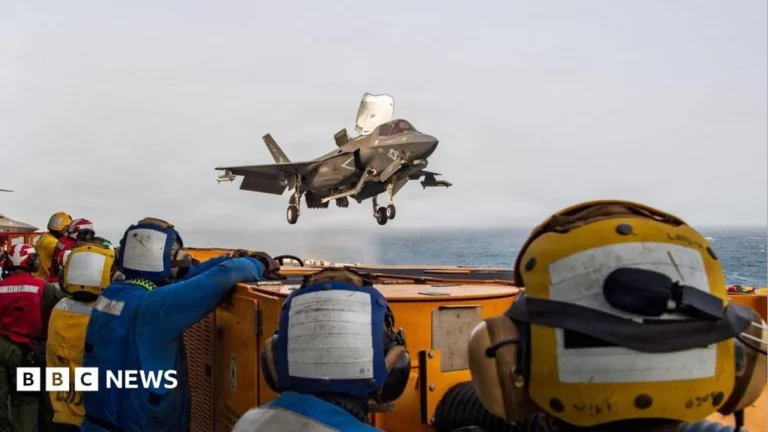



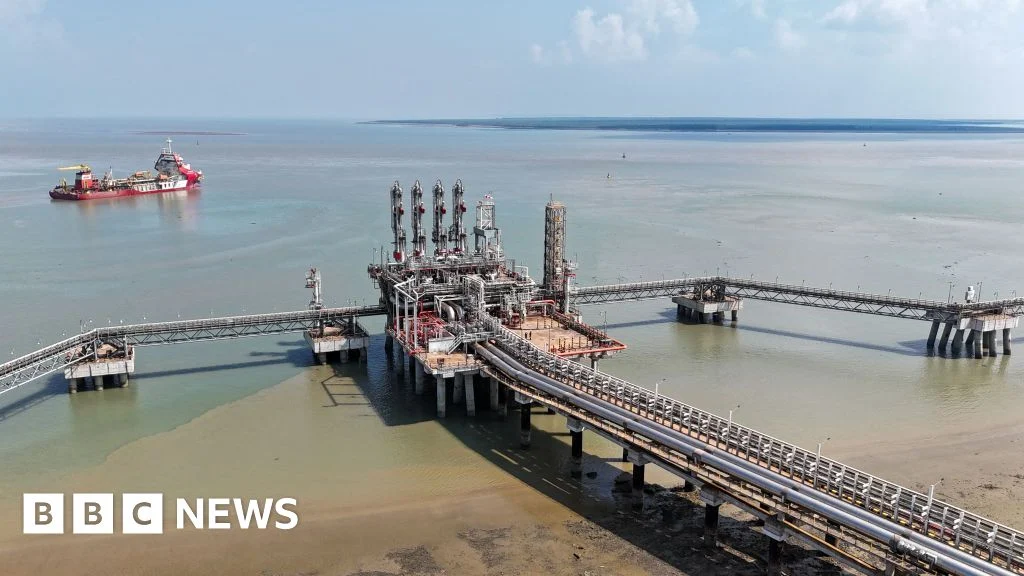
The geopolitical tremors emanating from the Middle East, already sending ripples through India’s liquefied petroleum gas (LPG) market, are now casting a long shadow over another critical energy artery: the nation’s rapidly expanding network of piped natural gas (PNG). This vital infrastructure, delivering gas directly to homes and businesses across urban India, along with its counterpart, compressed natural gas (CNG) for vehicles, finds itself under intense scrutiny as regional conflicts threaten global supply chains. With India positioned as one of the world’s largest importers of liquefied natural gas (LNG), the stability of these supplies, particularly those traversing the volatile Strait of Hormuz, is paramount to maintaining the momentum of its economic growth and ensuring domestic energy security.
India’s Burgeoning Appetite for Natural Gas
India’s demand for natural gas is multifaceted and on a relentless upward trajectory. Key consumers include colossal fertiliser plants, which are crucial for the nation’s agricultural backbone, a vast array of industrial units, and gas-fired power generation facilities. However, the most significant expansion has been witnessed within the city gas distribution (CGD) networks. These networks are instrumental in supplying PNG to millions of households for cooking and heating, and CNG to a rapidly growing fleet of vehicles. The government’s proactive policy push, aimed at fostering cleaner energy adoption and enhancing urban living convenience, has seen the number of PNG connections soar past 15 million, a figure that continues to climb at an accelerated pace. This push encourages households to transition from traditional LPG cylinders to the more convenient and often more economical "gas on tap" system.
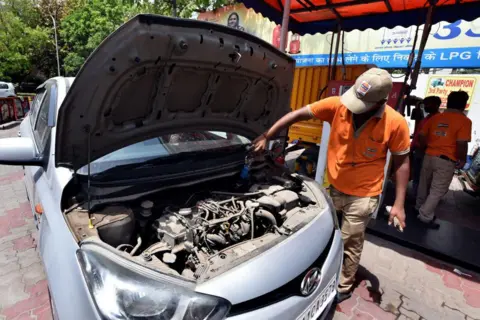
Simultaneously, the adoption of CNG as an automotive fuel has experienced exponential growth. CNG has firmly established itself as India’s second-largest auto fuel, trailing only petrol. Its popularity stems from its lower cost compared to petrol and diesel, coupled with its cleaner-burning properties, which align with India’s broader environmental objectives. The widespread availability of CNG stations in major cities has further fueled this transition, reducing air pollution and operational costs for millions of commuters and commercial vehicle operators. This dual expansion of PNG and CNG networks underscores a strategic shift in India’s energy consumption patterns, moving towards a gas-based economy that promises efficiency and environmental benefits.
The Specter of Geopolitical Instability: A Chokepoint Under Threat
The critical question now echoing through urban Indian homes, following the initial rattling of the LPG market, is whether their kitchen pipelines could be the next to feel the squeeze. The current escalation of tensions in the Middle East, broadly referred to here as the "Iran war" in the context of regional instability, has manifested in various forms, including heightened maritime risks in the Red Sea and surrounding waterways. This refers to the persistent attacks by Houthi rebels, backed by Iran, on commercial shipping in the Red Sea, which have prompted retaliatory strikes from a US-led coalition, including the US and UK. While the Red Sea itself is not the Strait of Hormuz, the broader geopolitical friction creates an environment of elevated risk across the entire Middle Eastern maritime domain, including the crucial strait.
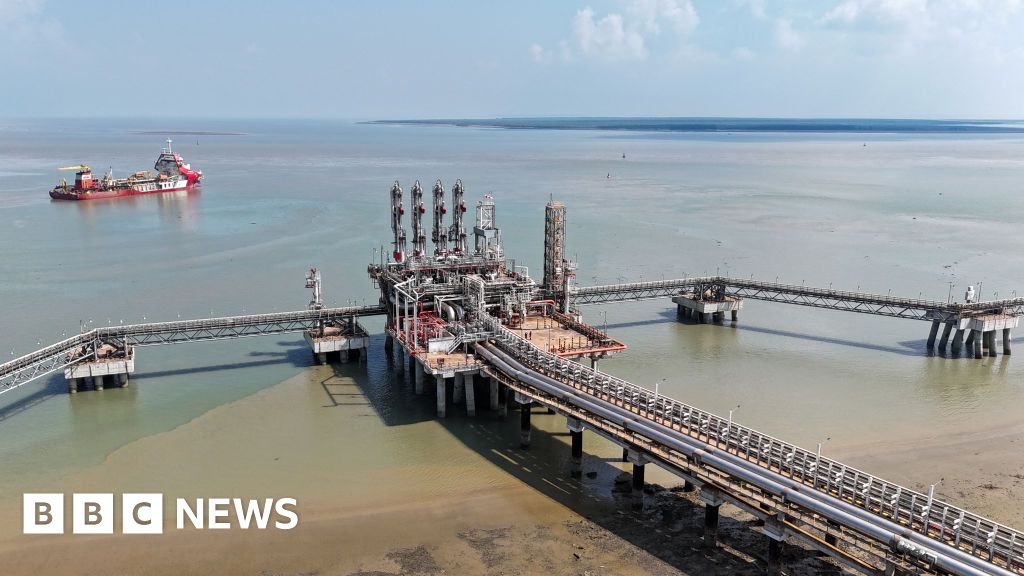
The Strait of Hormuz, a narrow maritime chokepoint between the Persian Gulf and the Gulf of Oman, is strategically indispensable. It is estimated that approximately 20-30% of the world’s liquefied natural gas (LNG) and a significant portion of global crude oil pass through this strait. Any sustained disruption here would have profound and immediate global energy implications. For India, this vulnerability is particularly acute. More than half of India’s LNG imports are sourced from Qatar, a major global LNG exporter, and these cargoes must traverse the Strait of Hormuz. Smaller but still significant volumes also arrive from other Gulf nations like the UAE, as well as from the US, Australia, Russia, and various African countries, with a substantial portion of these also passing through the Strait. This reliance on a single, geopolitically sensitive chokepoint exposes India’s energy security to considerable external risks.
India’s Dual-Source Gas Strategy and Priority Allocation
Fortunately, the immediate answer to the question of widespread PNG disruption is "probably not," at least not directly or immediately. India’s piped gas supply operates on a dual-source model, combining domestic production with international LNG imports. Roughly half of India’s total PNG supply is derived from domestic gas fields, both onshore and offshore, operated by public sector behemoths like Oil and Natural Gas Corporation (ONGC) and private sector giants such as Reliance Industries. This domestic component provides a crucial buffer against external shocks. The remaining half is met through LNG imports, which are then regasified at various terminals along India’s coastline and fed into the national gas grid.
This strategic mix, coupled with a robust government policy of prioritizing specific sectors, helps mitigate the immediate impact of supply disruptions. Rahul Chopra, managing director for Haryana City Gas Distribution Limited, a prominent countrywide gas company serving approximately 100,000 domestic consumers and operating 195 CNG fuel stations, confirms this prioritization: "No disruption is expected for homes and vehicles [using piped gas]. The government has given priority to these two sectors." In times of supply crunch or price spikes, the Indian government consistently safeguards what it deems "priority sectors." These typically include fertiliser plants, which are vital for food security, and households connected to piped gas, which affect millions of daily lives. This means that the first casualties of any supply squeeze are usually industrial and commercial customers, followed by power generators.
This protective mechanism, however, comes at a cost for non-priority sectors. For instance, approximately 2,200 of Chopra’s industrial and commercial customers are currently facing a government-mandated 20% supply cut, with gas diverted to ensure uninterrupted service for households and vehicles. When LNG prices surge or global cargo availability tightens, factories reliant on gas are often compelled to switch to alternative, often dirtier, and less efficient fuels such as fuel oil, LPG cylinders (if applicable), or even coal. Gas-fired power plants, if they cannot secure adequate and affordable gas, simply reduce their generation output, potentially impacting grid stability or increasing reliance on coal-fired power.
Disruption at the Source: Qatar’s LNG Exports Halted
Despite the domestic cushion and prioritization, India’s piped gas system remains intrinsically exposed to global shocks. As noted, LNG has historically accounted for approximately half of the country’s total gas availability, with imports totalling around 24-25 million tonnes in 2025, firmly establishing India as one of the world’s largest LNG buyers. A significant proportion of these imports are secured through long-term contracts with Qatari suppliers, providing a degree of price and supply stability under normal circumstances.
However, the escalating tensions have begun to directly impact even these seemingly secure channels. Go Katayama, principal insight analyst for LNG and natural gas at Kpler Insight, a leading commodity intelligence platform, provides a critical update: "Supplies have not been completely disrupted yet. Cargoes that loaded in Qatar before the conflict escalated are still arriving in Asia." Kpler’s shipping data confirms that 13 LNG cargoes loaded between February 10 and 26 were en route to India, with deliveries expected to continue through March. However, Katayama’s analysis reveals a more concerning development: "But exports from Qatar’s giant Ras Laffan LNG complex (77 million tonnes a year) have been halted since 2 March, meaning these vessels could be among the last shipments until safe passage through Hormuz resumes." This halt at one of the world’s largest LNG production facilities signals a direct and tangible impact of the geopolitical crisis on global energy flows, potentially exacerbating supply tightness and driving up prices.
India’s Limited Strategic LNG Reserves and Market Resilience
The implications of such disruptions are amplified by India’s current strategic energy infrastructure. Unlike crude oil, for which India maintains strategic petroleum reserves to cushion against supply shocks, there are no comparable strategic reserves for LNG. Gas is primarily stored as working inventory at regasification terminals such as Dahej, Hazira, Kochi, and Ennore. These facilities are designed to convert imported LNG back into its gaseous state and inject it into the pipeline network. However, their storage capacity is typically limited, covering at most about one to two weeks of imports, depending on operational parameters and cargo schedules. The system is predicated on a "just-in-time" delivery model, where ships arrive in a steady, predictable rhythm. Any interruption to this rhythm necessitates swift market adjustments.
This lack of extensive strategic reserves for LNG highlights a structural vulnerability. While the current situation does not imply India will "run out of gas overnight," it does underscore the precariousness of a system heavily reliant on continuous maritime delivery through a contested waterway. The immediate market response to sustained disruption would inevitably involve a scramble for spot cargoes from alternative, more distant, and likely more expensive sources, further driving up prices.
Economic Repercussions and Pricing Dynamics
For India’s urban consumers utilizing piped gas, the primary and more immediate risk is not an outright shortage, but a significant increase in prices. If disruptions at the Strait of Hormuz persist, India’s gas market will adjust in the conventional manner: through escalating prices and a subsequent weakening of industrial demand as non-priority users are either curtailed or priced out. "There is some price rise expected," affirms Rahul Chopra, echoing the sentiment of market observers.
The economic implications extend beyond individual consumers. Higher gas prices translate into increased operational costs for manufacturing, fertiliser production, and power generation. This can fuel inflationary pressures across the economy, potentially impacting the competitiveness of Indian industries on the global stage. While households may continue to receive their piped gas supply, they will undoubtedly face a higher utility bill. Industries, conversely, will bear the brunt of deeper supply cuts and potentially even steeper price hikes, forcing difficult decisions regarding production levels, fuel switching, and overall operational viability. This scenario could lead to a slowdown in industrial output, particularly in gas-intensive sectors, and a potential shift back to more carbon-intensive fuels if gas becomes prohibitively expensive or unavailable.
Broader Implications for India’s Energy Security and Policy
The current crisis serves as a stark reminder of India’s enduring structural vulnerability in its energy security matrix. The incident underscores the urgent need for a multifaceted approach to bolster resilience against such external shocks. Firstly, accelerating domestic exploration and production remains paramount. Investments in new fields, enhancing recovery from existing ones, and creating a more conducive regulatory environment for private participation can reduce reliance on volatile international markets.
Secondly, diversification of import sources and supply routes is crucial. While long-term contracts with Qatar offer stability, exploring greater engagement with other reliable suppliers like the United States, Australia, and potentially East African nations for LNG, along with ambitious, albeit challenging, pipeline projects from Central Asia or Myanmar, could reduce concentration risk.
Thirdly, the crisis reinforces the strategic importance of renewable energy. Accelerating the transition to solar, wind, and other non-fossil fuel sources not only addresses climate change concerns but also inherently enhances energy independence and security by reducing reliance on imported hydrocarbons. The long-term vision must involve a significant increase in the share of renewables in the national energy mix, thereby reducing the overall demand for natural gas and other fossil fuels.
Finally, on the diplomatic front, India faces a delicate balancing act. Its close ties with Gulf nations, its dependence on their energy resources, and its growing strategic partnerships with Western powers necessitate careful navigation of regional tensions. Diplomatic efforts aimed at de-escalating conflicts and ensuring the freedom of navigation through critical maritime trade routes, like the Strait of Hormuz, are vital to safeguarding India’s economic interests and energy lifelines.
The Road Ahead
The current geopolitical climate presents India with a complex energy security challenge. While immediate disruptions to household piped gas supply are being mitigated through domestic production and strategic prioritization, the threat of sustained price increases and industrial curtailments looms large. The halt in Qatar’s LNG exports from Ras Laffan serves as a potent warning, highlighting the fragility of global energy supply chains when faced with regional instability. As India continues its rapid economic expansion and its push towards a cleaner, gas-based energy future, the lessons from this crisis will undoubtedly shape its long-term energy strategy, emphasizing resilience, diversification, and a sustained commitment to securing its vital energy arteries against an unpredictable global landscape. The ongoing monitoring of the geopolitical situation and proactive policy adjustments will be critical in navigating these turbulent waters and ensuring the lights stay on and kitchens keep cooking across the nation.