

The landscape of India’s quick commerce sector is undergoing a profound transformation, marked by unprecedented demand and the aggressive entry of e-commerce behemoths Flipkart and Amazon. While the market is experiencing a significant boom, with some players reporting demand more than doubling, the strategic maneuvers by these well-capitalized giants are raising the competitive stakes in an already crowded space where the elusive goal of profitability remains under intense pressure. This new phase promises a reshuffling of market leadership, forcing incumbents to re-evaluate their strategies and operational models to survive and thrive.
The Genesis of Instant Delivery: A Rapid Evolution
Quick commerce, characterized by ultra-fast delivery of groceries and essential goods, has rapidly emerged as a distinct and formidable segment within India’s broader e-commerce ecosystem. Its genesis can be traced to evolving consumer expectations for immediate gratification, accelerated by the operational shifts during the COVID-19 pandemic. As lockdowns and movement restrictions drove a surge in online grocery orders, consumers became accustomed to the convenience of doorstep delivery. This habit, once formed, persisted, creating a fertile ground for businesses promising deliveries in minutes rather than hours or days.
Early pioneers like Blinkit (formerly Grofers), Swiggy Instamart, and Zepto were instrumental in carving out this niche, investing heavily in a network of "dark stores" – small, localized warehouses designed for rapid fulfillment. These companies initially focused on metropolitan areas, leveraging high population density to ensure quick turnaround times and optimize delivery routes. The market quickly gained traction, attracting substantial venture capital funding, with startups like Zepto achieving unicorn status at remarkable speed. According to industry reports from firms like RedSeer Consulting, India’s quick commerce market, valued at approximately $0.3 billion in 2021, is projected to surge to an estimated $5 billion by 2025, underscoring the immense growth potential that has now caught the attention of larger players.
Flipkart’s Aggressive Ascent and the "Walmart DNA"
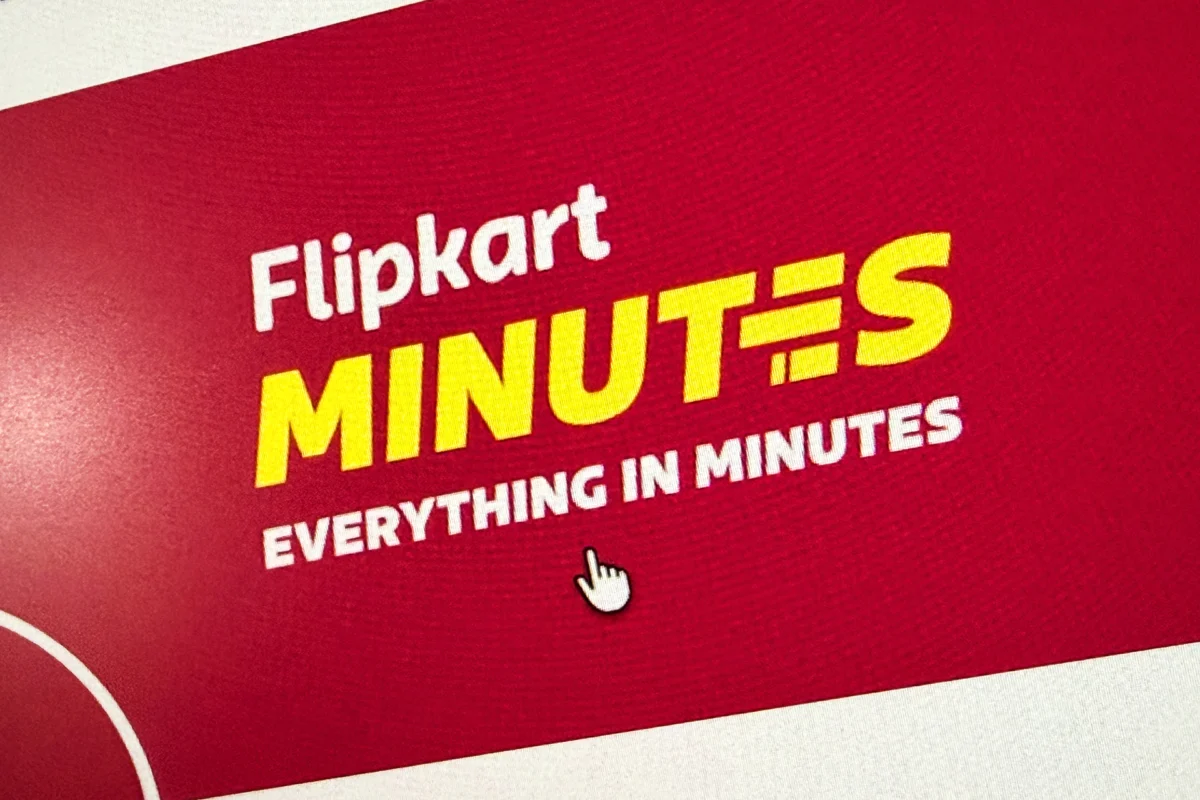
Flipkart, one of India’s largest e-commerce platforms and a subsidiary of Walmart, made its formal entry into quick commerce relatively later than its local rivals, debuting with "Flipkart Minutes" in August 2024. Despite its delayed start, the company has wasted no time in establishing a formidable presence. TechCrunch learned that Flipkart has already crossed more than 800 dark stores this week and harbors ambitious plans to double this network to over 1,600 by the end of 2026, as projected by UBS.
A key differentiator in Flipkart’s strategy, according to industry observers, is its "Walmart DNA." Satish Meena, founder of Gurugram-based consumer insights firm Datum Intelligence, explains, "Walmart’s DNA is always about expanding the total addressable opportunity to dominate by expanding the market." This philosophy translates into Flipkart’s aggressive push beyond India’s major metropolitan centers, a strategic pivot that sets it apart from competitors like Blinkit, which plans to scale to 3,000 dark stores by March 2027 but primarily maintains its focus on the top 10 cities.
This expansion into smaller towns and Tier 2/3 cities is already yielding promising results for Flipkart. Sources familiar with the company’s operations revealed that 25-30% of its quick commerce orders now originate from these non-metro areas. Furthermore, orders per dark store have reportedly grown by approximately 25% month-on-month, indicating strong initial traction and efficient utilization of its expanding network. Beyond geographical expansion, Flipkart is also employing aggressive pricing tactics, offering some of the highest discounts in the segment—around 23-24% across various categories, based on a Jefferies analysis last month. This dual approach of market expansion and competitive pricing is designed to rapidly capture market share and attract a broad consumer base in a price-sensitive market where convenience is paramount.
Amazon’s Strategic Foray into Hyperlocal Delivery
Not to be outdone, Amazon, another global e-commerce giant, also entered India’s quick commerce market in late 2024, shortly after Flipkart’s debut. Leveraging its extensive logistics infrastructure and deep financial pockets, Amazon is rapidly ramping up its presence. UBS reports that the e-commerce giant has rolled out approximately 450-500 dark stores so far, with about 330-370 currently operational. Amazon’s entry is poised to intensify the competitive landscape further, as it brings its vast customer base and sophisticated supply chain capabilities to bear on the nascent sector.
Amazon’s strategy is likely to involve integrating quick commerce services with its existing Prime membership benefits, offering an additional layer of value to its loyal customer base. Its operational excellence in inventory management and last-mile delivery, honed over decades in traditional e-commerce, provides a significant advantage. The company’s focus on tapping into the growing demand for faster deliveries across India reflects a broader trend among major e-commerce players to capture every segment of the online retail market.
The Incumbents Under Siege: Blinkit, Swiggy, and Zepto
The entry and aggressive expansion of Flipkart and Amazon have cast a long shadow over the existing players who pioneered the quick commerce model in India. The strain of intensified competition and rising operational costs is already palpable across the industry.
Blinkit, currently the market leader with over 2,200 dark stores, according to Bernstein, faces the challenge of maintaining its dominance against well-funded rivals. While it plans to expand its network to 3,000 dark stores by 2027, its strategy of focusing primarily on the top 10 cities might leave it vulnerable in the rapidly growing non-metro segments where Flipkart is making inroads. The pressure is reflected in its stock performance, with shares of Eternal, Blinkit’s parent company, down about 15% year-to-date, signaling investor concerns about the escalating competition.
Swiggy, another major player with its Instamart quick commerce arm, is also feeling the heat. The recent departure of a co-founder this week, amid a broader strategic reassessment, underscores the internal pressures companies are facing. Brokerage firm JM Financial recently issued a stark warning that Swiggy’s quick commerce business is "caught in a growth-versus-profitability deadlock" and risks destroying shareholder value. The firm even suggested that a takeover by a larger, better-capitalized player might be the best outcome for investors, highlighting the severe challenges in balancing rapid expansion with sustainable financial performance. Swiggy’s shares have fallen over 29% this year, reflecting significant investor apprehension.
Zepto, a relatively younger but rapidly growing player, is preparing for an Initial Public Offering (IPO) on Indian stock exchanges later this year. While its rapid ascent has been a testament to the market’s potential, the IPO timing places it in a delicate position. The company, currently in a "silent period" due to its IPO filing, could not comment on the competitive landscape. However, analysts believe that Zepto, like other incumbents, will need to demonstrate a clear path to profitability and sustainable growth amidst the aggressive strategies of Flipkart and Amazon to attract long-term investor confidence. The challenge for these early movers lies in innovating their service offerings, optimizing their cost structures, and differentiating themselves in a market increasingly driven by discounts and speed.
The Dark Store Network: The Backbone of Quick Commerce Operations
At the heart of the quick commerce model lies the "dark store" – a distribution center optimized for online order fulfillment rather than customer browsing. These micro-warehouses are strategically located within residential areas to minimize delivery times. India’s quick commerce sector now boasts over 6,000 dark stores in operation, leading to significant overlap among players in major cities, intensifying competition for prime locations and efficient logistics.
The operational efficiency of these dark stores is paramount. They require sophisticated inventory management systems to ensure stock availability, minimize spoilage (especially for fresh produce), and facilitate rapid picking and packing. Last-mile logistics, involving a vast network of delivery riders, constitute a major operational cost. Real estate rentals, technology infrastructure, and human resources (pickers, packers, delivery personnel) contribute to the high fixed and variable costs associated with maintaining these networks. The sheer scale of dark store deployment by Flipkart and Amazon signals not just their financial might but also their commitment to building out the physical infrastructure necessary to compete effectively.
The Elusive Path to Profitability: Urban vs. Non-Urban Dynamics
Despite the booming demand and rapid expansion, the path to profitability in quick commerce remains challenging. The unit economics are complex, characterized by high delivery costs, significant marketing expenditures (especially discounts), and the capital-intensive nature of establishing and maintaining dark store networks.
Currently, profitability in quick commerce remains largely concentrated in larger cities. Bernstein’s report earlier this week highlighted that the top eight cities in India account for over 3,800 dark stores operated by the five largest players, with approximately 3,600 of these having the potential to be profitable. Karan Taurani, executive vice president at Elara Capital, a London-headquartered investment bank, noted, "Metro markets obviously are better in return ratios, better in profitability because of higher throughput. This business is all about higher throughput, and for now, that is coming largely from metro markets." Higher population density in metros ensures a greater volume of orders per dark store, optimizing utilization and reducing per-delivery costs.
However, Flipkart’s strategy of expanding beyond major cities points to a longer-term vision. Satish Meena of Datum Intelligence suggests, "Non-metros (small towns) can give a surge if companies expand beyond groceries and offer a wider range of items at faster speeds. Flipkart is betting on that." While the potential for growth in these untapped markets is significant, achieving profitability there will require time and strategic adjustments. Aditya Soman, a senior research analyst at CLSA, a Hong Kong-based brokerage, estimates that quick commerce is currently viable in about 125 cities, with dark stores typically taking six to twelve months to reach maturity and profitability. Many of the newer stores in smaller towns are still in this ramp-up phase, indicating that the benefits of non-metro expansion might not materialize immediately.
Investment Climate and Industry Consolidation
The aggressive competition fueled by Flipkart and Amazon is profoundly impacting the investment climate and foreshadowing significant industry consolidation. The sector’s high capital burn rate, driven by infrastructure development, marketing, and discount subsidies, necessitates sustained access to substantial funding. While initial venture capital flowed freely, the entry of corporate giants with deep pockets changes the game, making it harder for standalone startups to compete solely on innovation without equivalent financial backing.
The recent decline in stock prices for listed quick commerce entities like Eternal (Blinkit) and Swiggy underscores investor apprehension. As the market transitions from a "land grab" phase to one focused on efficiency and profitability, investors are scrutinizing balance sheets more closely. Ankur Bisen, a senior partner at retail consultancy Technopak Advisors, aptly summarizes the shift: "Quick commerce is no longer in a startup phase – it has become a big players’ game." He further anticipates that the sector’s economics, characterized by limited differentiation and heavy discounting, could eventually drive consolidation. This might manifest as mergers and acquisitions, where smaller players with strong regional presence or innovative technology might be acquired by larger entities, or some players might simply exit the market due to unsustainable losses.
The Road Ahead: Innovation, Expansion, and Sustainability
The future of India’s quick commerce market will be defined by a delicate balancing act between rapid expansion, aggressive pricing, and the pursuit of sustainable profitability. Companies will need to continually innovate their service offerings, expanding beyond core groceries to include a wider range of categories such as electronics, fashion accessories, and pharmaceuticals, to increase average order values and attract a broader customer base, especially in non-metro areas. Technological advancements in route optimization, AI-driven inventory management, and last-mile delivery mechanisms will be critical for enhancing efficiency and reducing operational costs.
The presence of Flipkart and Amazon, with their extensive resources and long-term strategic outlook, ensures that the quick commerce sector will continue to grow and evolve rapidly. While the immediate impact is increased competitive pressure and a challenging environment for incumbents, in the long run, this intense competition is likely to benefit consumers through wider choices, competitive pricing, and improved service quality. The industry’s trajectory suggests that only those players who can master the complexities of hyper-local logistics, leverage data for smart expansion, and maintain a clear path to profitability will ultimately emerge as leaders in this dynamic and fast-paced market.
As for official responses, Flipkart, Amazon, and Swiggy did not respond to requests for comment on these developments. Eternal declined to comment, while Zepto reiterated that it could not comment due to the silent period mandated by its IPO filing. This lack of direct commentary from key players underscores the intensely competitive and strategic nature of the current market, where every move is closely watched and potential implications are vast. The coming months are expected to reveal which strategies gain traction and how the quick commerce landscape in India ultimately reconfigures itself under the weight of accelerated growth and unprecedented competition.