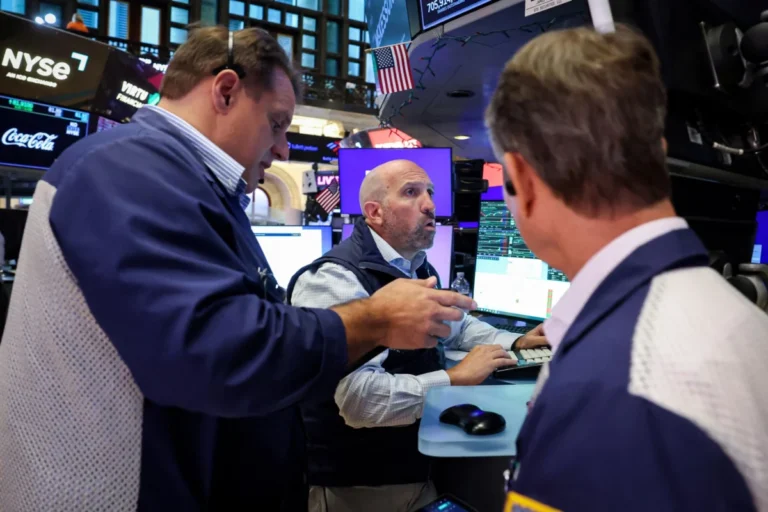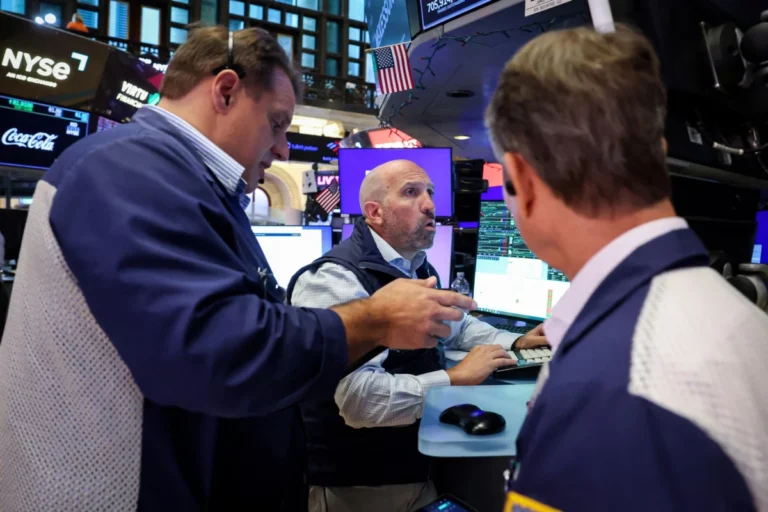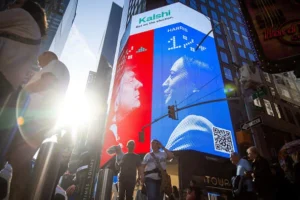



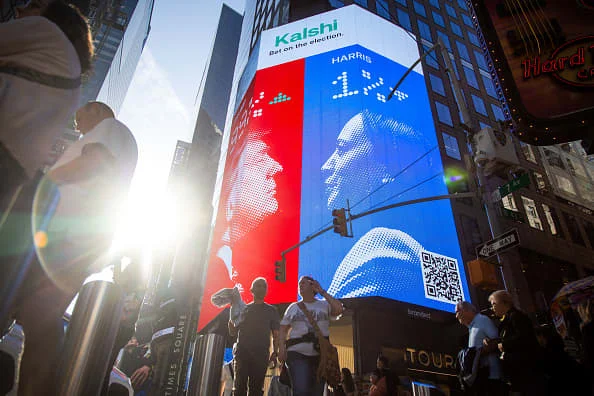
Prediction market platform Kalshi on Wednesday unveiled its innovative "Midterms Hub," a dedicated portal designed to provide political enthusiasts and analysts with a comprehensive, real-time look into how traders are forecasting the outcomes of the 2026 U.S. midterm elections. This strategic launch represents a significant escalation of Kalshi’s efforts to cement its position as a critical source of political intelligence, leveraging the collective wisdom of its user base to offer an alternative, financially-backed perspective on electoral probabilities.
Unveiling the Midterms Hub: A New Lens on Electoral Dynamics
The newly launched Midterms Hub is an ambitious aggregation of data, designed to serve both active traders and the vast majority of Kalshi’s visitors who primarily seek insights rather than engaging in direct trading. At its core, the hub offers dynamic, real-time odds for individual races in both the U.S. Senate and the House of Representatives. These odds are derived directly from the trading activity on Kalshi’s event contracts, where users buy and sell contracts based on their predictions of future events, with the price of a contract at any given moment reflecting the market’s collective probability of that event occurring.
Beyond granular race-by-race data, the hub presents this information geographically, overlaying probabilities onto an interactive map of the entire country. This visual representation allows observers to quickly grasp the nationwide political landscape as interpreted by the market, identifying potential swing states and districts with greater clarity. However, Kalshi’s Midterms Hub transcends mere market data. It integrates several other crucial information streams to provide a holistic view. Viewers can directly compare prediction market odds with aggregated polling averages from traditional statistical surveys, offering a fascinating juxtaposition of how financial incentives versus traditional survey methodologies interpret voter sentiment.
Further enriching the platform are the latest Federal Election Commission (FEC) fundraising reports for individual candidates, providing transparency into the financial backing and campaign strength of contenders. This financial data, often a strong indicator of campaign viability and organizational power, adds another layer of context to the market odds. Completing the suite of resources, the hub curates news and analysis from various reputable outlets, ensuring users have access to diverse perspectives and breaking developments that might influence market sentiment and election outcomes. According to a Kalshi press release, this multi-faceted approach is aimed at creating an unparalleled resource for understanding the complex dynamics of modern political campaigns.
The Philosophy of Prediction Markets: Cutting Through Polarization
Central to Kalshi’s mission, and particularly evident in the Midterms Hub, is the belief in the unique perspective offered by prediction markets. Tarek Mansour, co-founder and CEO of Kalshi, articulated this philosophy in a statement, emphasizing the markets’ ability to provide an unbiased view. "They cut through polarization and show you what the wisdom of the crowds actually believes, backed by real money, not rhetoric," Mansour stated. He further underscored the scarcity of such clarity in the current political climate, positioning the Midterms Hub as a vital tool for informed observation.
Mansour, an alumnus of MIT with a distinguished background as a trader at Citadel and an analyst at Goldman Sachs, brings a rigorous, analytical perspective to the platform. His assertion highlights a fundamental argument in favor of prediction markets: that when participants put their own money on the line, they are incentivized to seek out and act upon accurate information, rather than simply expressing partisan preferences or wishful thinking. This financial incentive is posited to create a more efficient aggregation of dispersed information, leading to more accurate forecasts than traditional polling, which can be susceptible to response bias, social desirability bias, or simply the fleeting opinions of respondents who bear no cost for inaccuracy.
The concept of the "wisdom of crowds" suggests that the collective judgment of a large group of diverse individuals is often more accurate than that of any single expert. In the context of prediction markets, this wisdom is distilled through the continuous buying and selling of contracts, where prices adjust dynamically to reflect the latest information and beliefs of all participants. This dynamic process, Kalshi argues, inherently resists the kind of partisan infiltration and echo chamber effects that can plague other forms of political commentary and analysis.
The Rise of Prediction Markets: A Historical and Regulatory Context
Prediction markets, while gaining significant public traction recently, are not a new phenomenon. Their academic roots can be traced back to the Iowa Electronic Markets (IEM), launched in 1988, which allowed small-scale trading on political outcomes and consistently demonstrated remarkable accuracy, often outperforming traditional polls. However, the commercialization and broader public accessibility of these markets have faced significant regulatory hurdles in the United States.
Historically, the Commodity Futures Trading Commission (CFTC) has viewed many prediction market contracts as illegal off-exchange commodity options, leading to the shutdown or restriction of several platforms. Kalshi, however, operates as a regulated exchange, having secured approval from the CFTC to offer event contracts. This regulatory approval is a critical differentiator, lending legitimacy and a robust framework for consumer protection and market integrity that many unregulated or offshore platforms lack. This status allows Kalshi to operate openly and transparently, appealing to a broader user base and institutional interest.
The increasing volume and public interest in prediction markets underscore their growing influence as a legitimate source of information. Major political events, such as the 2024 U.S. presidential election, saw unprecedented trading activity, with millions of dollars exchanging hands. Beyond politics, events like the FIFA World Cup have also boosted prediction market volumes, demonstrating their versatility and appeal across various domains where outcomes are uncertain. The surge in engagement is partly driven by individual traders, but also by a growing recognition from financial institutions and data analysts who see the value in an alternative data set that can often provide a clearer signal than conventional metrics.
Kalshi’s Strategic Expansion: A Timeline of Political Engagement
The launch of the Midterms Hub is not an isolated event but rather a deliberate and calculated step in Kalshi’s broader strategy to deepen its engagement with the political landscape. The platform has been systematically building its political presence in anticipation of the 2026 midterm elections, recognizing the immense public interest and the predictive power of its markets during such high-stakes periods.

Just months prior, in May, Kalshi introduced the "American Power Index" (KPOW), an innovative tool it likened to an "S&P 500" for politics. This index is designed to track the relative strength and standing of political parties, offering a macro-level indicator of which party is gaining or losing momentum. The KPOW provides a long-term, aggregated view of political sentiment, complementing the granular, race-specific data offered by the Midterms Hub. Together, these tools provide both a broad overview and detailed insights into the political climate.
Kalshi’s commitment to political markets has already translated into significant financial activity. More than $30 million has already been traded on event contracts tied to which party will ultimately control the House and the Senate in 2026. This substantial volume indicates a robust and active market, where participants are seriously investing in their predictions, thereby contributing to the accuracy and reliability of the odds presented on the platform. The platform’s early success in attracting individual traders is now paving the way for potential engagement with Wall Street firms and institutional investors, who are increasingly exploring alternative data sources for market analysis and risk assessment.
The 2026 Midterms: A High-Stakes Environment
The 2026 midterm elections are shaping up to be a particularly critical juncture in American politics, with significant implications for legislative agendas, future presidential races, and the overall direction of the country. Historically, midterm elections often see the party of the sitting president lose seats in Congress, a phenomenon driven by various factors including voter fatigue, a desire for checks and balances, and the shifting political landscape.
As of early indicators and analyses, control of both the Senate and the House of Representatives appears to be finely balanced. The original article, referencing traders on Kalshi, noted that control of the Senate was considered "50-50" just six months out, underscoring the extreme competitiveness of the political environment. Key issues are expected to dominate the discourse, including the state of the economy (inflation, employment), ongoing debates over social policy, foreign policy challenges, and the perennial discussions around government spending and regulation. These issues will undoubtedly influence voter sentiment and, consequently, the trading activity on Kalshi’s platform.
The Midterms Hub’s ability to provide real-time odds on individual races becomes particularly valuable in such a close electoral cycle. While national polling averages offer a general temperature check, they often mask critical nuances at the district or state level. Prediction markets, by allowing specific contracts on specific races, can highlight where the real contests are and where shifts in sentiment are occurring most rapidly, offering a dynamic and often more granular forecast than traditional methods alone.
Implications and Reactions Across the Political Spectrum
The launch of Kalshi’s Midterms Hub is likely to elicit a range of reactions from various stakeholders within the political and analytical communities.
Political Analysts and Academics are expected to view the hub as a valuable, albeit distinct, data point. Many will likely welcome the additional layer of insight provided by financially-backed predictions, seeing it as a complement to traditional polling and expert analysis. Some academics may use the data to study market efficiency and collective intelligence in political forecasting, comparing its accuracy to other models. Campaigns and political strategists, on the other hand, might integrate Kalshi’s odds into their internal models for resource allocation, identifying where to deploy funds and personnel most effectively or where messaging needs to be adjusted. The granular data could inform decisions on which races are truly competitive and which are trending in a particular direction.
The Traditional Polling Industry will likely continue its ongoing dialogue with prediction markets. While some pollsters may view them as a competing methodology, others might see them as a useful cross-check or a source of real-time signals that can inform their own survey designs and interpretations. The challenges faced by traditional polling in recent election cycles—such as declining response rates, the difficulty of reaching certain demographics, and the phenomenon of "shy" voters—have opened the door for alternative data sources like prediction markets to gain prominence.
Regulatory Bodies, specifically the CFTC, will continue to monitor Kalshi’s operations. The platform’s regulated status is a crucial aspect of its credibility and ability to attract a broad user base. The broader discussion around the regulation of prediction markets will persist, balancing the desire to foster innovation and provide useful information with the imperative to protect consumers from potential manipulation or unfair practices. Kalshi’s adherence to a robust regulatory framework is paramount to its long-term success and acceptance.
For the General Public and Voters, the Midterms Hub offers an accessible window into complex political dynamics. It democratizes access to sophisticated political analysis, moving beyond partisan talking points to provide data-driven insights. However, responsible use of such platforms requires an understanding of how prediction markets work and their inherent limitations. While they aggregate financial bets on outcomes, they are not infallible and can be influenced by sudden events, herd mentality, or unforeseen circumstances. Educating users on how to interpret these odds responsibly will be an ongoing task for Kalshi and political commentators.
Looking Ahead: The Evolving Role of Prediction Markets
The launch of the Midterms Hub signifies a pivotal moment for Kalshi and for the broader prediction market industry. By providing a consolidated, regulated, and feature-rich platform for political forecasting, Kalshi is actively shaping the future of how electoral outcomes are anticipated and understood. As the 2026 midterm elections draw closer, the hub is expected to become an increasingly vital resource for anyone seeking to cut through the noise and gain a clearer understanding of the political landscape.
The ambition extends beyond just this election cycle. Kalshi’s strategic moves suggest a long-term vision where prediction markets become an indispensable part of political analysis, financial market intelligence, and public discourse. As technology advances and public familiarity grows, platforms like Kalshi are poised to play an ever-larger role in how we perceive, analyze, and engage with the future.