


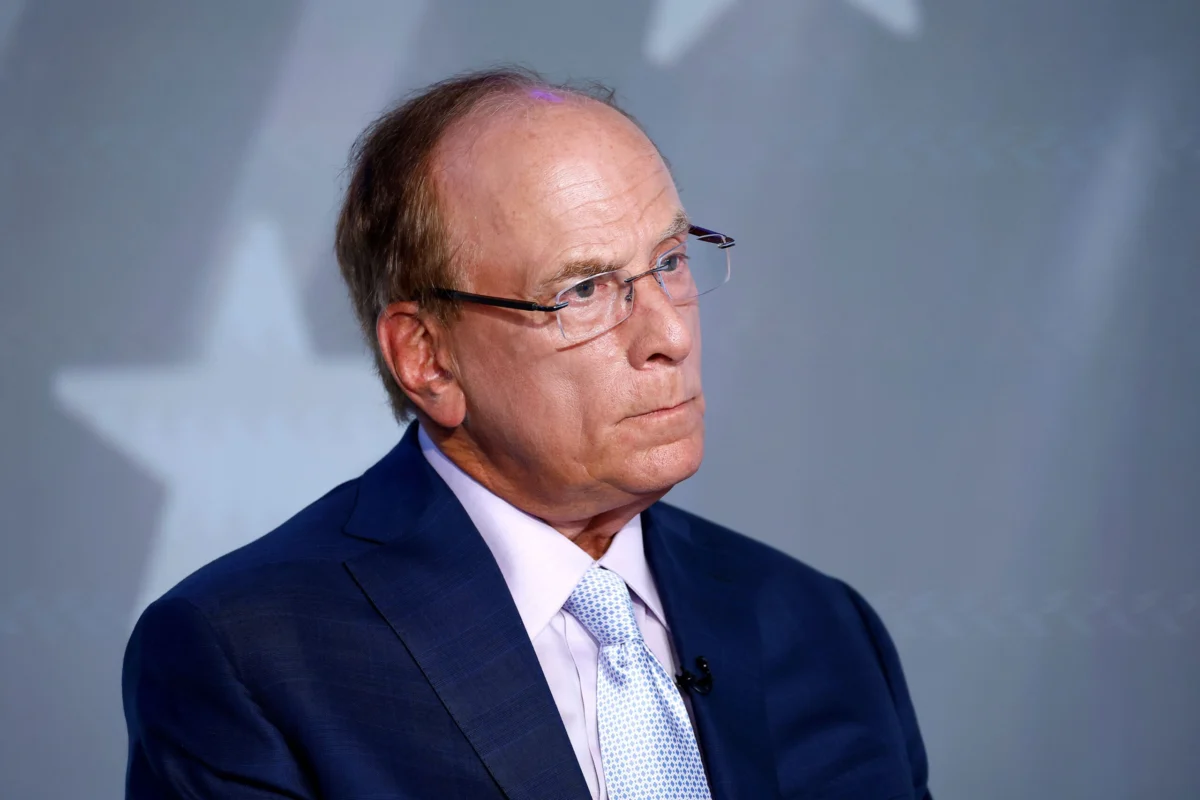
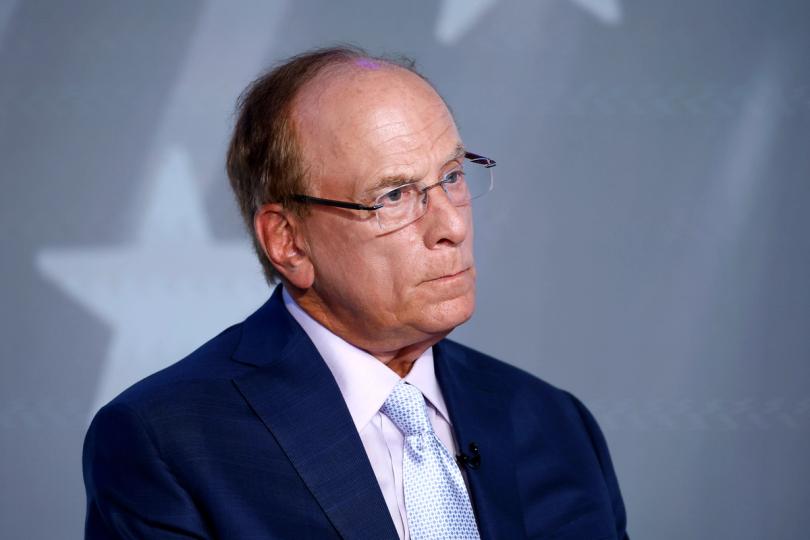
In his 2026 annual letter to shareholders, BlackRock Chairman and CEO Larry Fink articulated a transformative vision for the global financial architecture, asserting that the integration of digital wallets and tokenized assets is essential to rectifying a systemic imbalance in modern capitalism. While the letter celebrated the growth of capital markets, it served as a stark warning that the current economic model is increasingly bifurcated, benefiting established asset owners while excluding a significant portion of the global workforce. Fink’s missive, a cornerstone document for institutional investors and policymakers alike, marks a definitive shift in how the world’s largest asset manager views the intersection of technology, social equity, and market efficiency.
The Crisis of Exclusion in Modern Capitalism
At the heart of Fink’s 2026 letter is the observation that the traditional financial system is failing to facilitate broad-based wealth creation. Fink noted that while capitalism remains the most effective engine for growth, its benefits are not being distributed equitably. “Capitalism is working—just not for enough people,” Fink wrote, highlighting a growing disconnect between market performance and the financial security of the average citizen.
This imbalance, according to Fink, is exacerbated by a "silent crisis" of retirement and a lack of access to high-yield investment vehicles for the working class. As the U.S. grapples with record-high government debt and rising inequality, Fink argued that the old models of finance, which rely heavily on traditional banking and manual settlement processes, are no longer sufficient to meet the needs of a 21st-century economy. The letter suggested that without a fundamental "upgrade to the plumbing," the social contract underpinning the American economy could continue to erode.
Tokenization as the New Financial Infrastructure
Fink’s primary solution to these systemic challenges lies in the widespread adoption of tokenization—the process of converting rights to an asset into a digital token on a blockchain. By recording ownership on digital ledgers, Fink believes the financial system can move away from the clunky, multi-day settlement cycles that currently define it.
The practical implications of this shift are profound. Tokenization allows for fractional ownership of high-value assets, such as infrastructure projects, private credit, and commercial real estate—sectors that have historically been reserved for institutional giants. Fink envisions a world where a regulated digital wallet, already carried by half the global population, serves as a comprehensive financial hub.
“Imagine if that same digital wallet could also let you invest in a broad mix of companies for the long term—as easily as sending a payment,” Fink stated. This vision implies a convergence of payments and investments, where the friction between liquid cash and long-term capital is virtually eliminated. For the investor, this means lower fees, 24/7 market access, and the ability to build a diversified portfolio with small amounts of capital. For the issuer, it means a more direct line to a global pool of investors and reduced administrative overhead.
BlackRock’s Digital Asset Evolution: A Timeline of Leadership
The 2026 letter is the culmination of a decade-long evolution in BlackRock’s stance toward digital assets. To understand the weight of Fink’s current endorsements, one must look at the firm’s trajectory:
- 2017–2020: The Skeptical Era. During this period, Fink famously referred to Bitcoin as an “index of money laundering.” The firm remained largely on the sidelines as the initial crypto boom took hold.
- 2021–2022: The Institutional Pivot. Following the pandemic-era surge in digital asset interest, BlackRock began to explore the underlying technology of blockchain. In 2022, despite the collapse of major crypto exchanges, Fink began highlighting the potential of "permissioned blockchains" and tokenization in his annual letters.
- 2024: The Breakthrough Year. BlackRock launched the iShares Bitcoin Trust (IBIT), which became one of the fastest-growing ETFs in history. This was followed by the launch of the BlackRock USD Institutional Digital Liquidity Fund (BUIDL), the firm’s first tokenized fund issued on a public blockchain.
- 2025: Scaling the Ecosystem. Throughout 2025, BlackRock expanded its digital footprint into private markets, tokenizing infrastructure debt and expanding its stablecoin reserve management services.
- 2026: The New Standard. By March 2026, Fink reported that BlackRock manages nearly $150 billion in assets connected to digital markets. This includes $65 billion in stablecoin reserves and nearly $80 billion in digital asset exchange-traded products (ETPs).
Fink’s letter confirmed that BUIDL remains the largest tokenized fund in the world, serving as a "proof of concept" that has now moved into the mainstream of the firm’s operations.
Supporting Data: The Scale of the Digital Shift
The figures cited in Fink’s letter underscore the massive scale of BlackRock’s commitment to this new frontier. The $150 billion in digitally-connected assets represents a significant portion of the firm’s growth over the last 24 months.
Industry data supports Fink’s optimism. According to recent market analysis, the total value of tokenized real-world assets (RWAs) across the global financial system has grown by over 400% since 2023. By moving assets like U.S. Treasuries and corporate bonds onto the blockchain, institutions have saved an estimated $20 billion in annual operational costs related to clearing and settlement.
Furthermore, the stablecoin market, where BlackRock manages $65 billion in reserves, has become a critical pillar of global liquidity. These assets provide the "on-ramps" and "off-ramps" necessary for a tokenized economy to function, acting as a bridge between the U.S. dollar and the digital ledger.
Policy Recommendations and Digital Identity
Despite his enthusiasm, Fink was careful to frame the transition as one that must be managed with extreme caution. He compared the current state of tokenization to the internet in 1996—a technology with immense potential that still requires the proper "guardrails" to prevent abuse.
Fink called on global policymakers to prioritize three key areas:
- Clear Buyer Protections: Ensuring that retail investors have the same legal recourse in the digital space as they do in traditional brokerage accounts.
- Counterparty-Risk Standards: Establishing rigorous protocols for the institutions that facilitate digital trades to prevent systemic collapses.
- Digital Identity Verification: Fink argued that "illicit finance" remains the greatest threat to the adoption of digital assets. He advocated for standardized digital identity checks (KYC/AML) that are embedded into the blockchain layer itself, allowing for "privacy without anonymity."
By building this "bridge" between the old and new systems, Fink believes the U.S. can maintain its financial hegemony while modernizing its infrastructure to compete with emerging digital economies in Asia and Europe.
Macro-Economic Pressures and the Role of Social Security
A significant portion of the letter was dedicated to the broader stresses facing the American economy. Fink warned that the traditional "three-legged stool" of retirement—Social Security, employer-sponsored pensions, and personal savings—is under unprecedented strain.
He noted that governments and corporations can no longer afford to fund the massive economic shifts required for the energy transition, the rebuilding of manufacturing capacity, and the expansion of artificial intelligence infrastructure on their own. Instead, these projects will require a massive influx of private capital.
Fink proposed that Social Security, a vital safety net for millions, might require structural reform to remain sustainable. He suggested that the program could benefit from limited exposure to long-term market returns, similar to the sovereign wealth fund models used by countries like Norway or Australia. Tokenization, he argued, could facilitate this by allowing the government to manage large-scale investments with greater transparency and lower costs.
Industry Reactions and Broader Implications
The reaction from the financial industry to Fink’s letter has been largely supportive, though some critics argue that the transition to tokenization may be slower than BlackRock anticipates. Analysts at major Wall Street firms noted that while the technology is ready, the regulatory environment remains fragmented.
"Larry Fink is effectively setting the agenda for the next decade of capital markets," said one senior fintech analyst. "By framing tokenization as a tool for social equity and national economic resilience, he is moving the conversation away from ‘crypto speculation’ and toward ‘financial utility.’ This gives cover to other institutional players to accelerate their own digital roadmaps."
The broader implications of Fink’s vision suggest a future where the distinction between "fintech" and "traditional finance" disappears. If the "plumbing" of the system becomes digital, every financial institution becomes a digital asset company by default. This shift is expected to trigger a wave of consolidation in the banking sector, as smaller institutions struggle to keep up with the technological requirements of the tokenized age.
Conclusion: From Hype to Utility
Larry Fink’s 2026 letter serves as a manifesto for a more inclusive version of capitalism, powered by the efficiencies of blockchain technology. For Fink, tokenization is not a bet on market hype; it is a strategic necessity to ensure the long-term viability of the global financial system.
By advocating for the integration of digital wallets and tokenized assets, Fink is positioning BlackRock not just as an asset manager, but as a primary architect of the new financial order. His message to shareholders and the world is clear: the upgrade to the financial system is no longer optional. It is the only way to ensure that the engine of capitalism can continue to run in a way that provides opportunity for all, rather than just the few. As the "plumbing" of finance is rebuilt, the hope is that more people will move from being bystanders to active participants in the global economy.