


The landscape of European tourism is undergoing a significant structural transformation as long-haul visitors increasingly abandon traditional short-haul flights in favor of greener, land-based transportation methods. According to the latest research from the European Travel Commission (ETC), a prominent shift is occurring among travelers from major global markets, including the United States, Canada, Australia, Brazil, China, and Japan. This transition, characterized by a move toward trains, public transit, cycling, and electric vehicles, appears to be motivated less by a sense of environmental urgency and more by the burgeoning "slow travel" movement, which prioritizes the quality and depth of the travel experience over the speed of arrival.
The study, which surveyed 3,000 long-haul travelers, highlights a notable statistical jump in the adoption of low-emission transport. In 2024, approximately 13% of surveyed long-haul visitors relied primarily on human-powered or electric transport during their European itineraries. Projections for 2025 indicate this figure will rise to 18%, a substantial increase that signals a changing appetite for how international visitors consume the European continent. This trend suggests that the traditional "whirlwind tour" of multiple capitals connected by budget airlines is being replaced by more methodical, immersive journeys that utilize Europe’s extensive rail and multi-modal infrastructure.
The Motivation Behind the Shift: Experience Over Ethics
Perhaps the most striking finding of the ETC research is the psychological driver behind this behavioral change. While global discourse remains heavily focused on the climate crisis and the carbon footprint of the aviation industry, the data suggests that for the average long-haul traveler, sustainability is a secondary benefit rather than the primary catalyst. Instead, the "slow travel" ethos—a desire to connect more deeply with local cultures, landscapes, and the rhythm of daily life—is the leading factor.
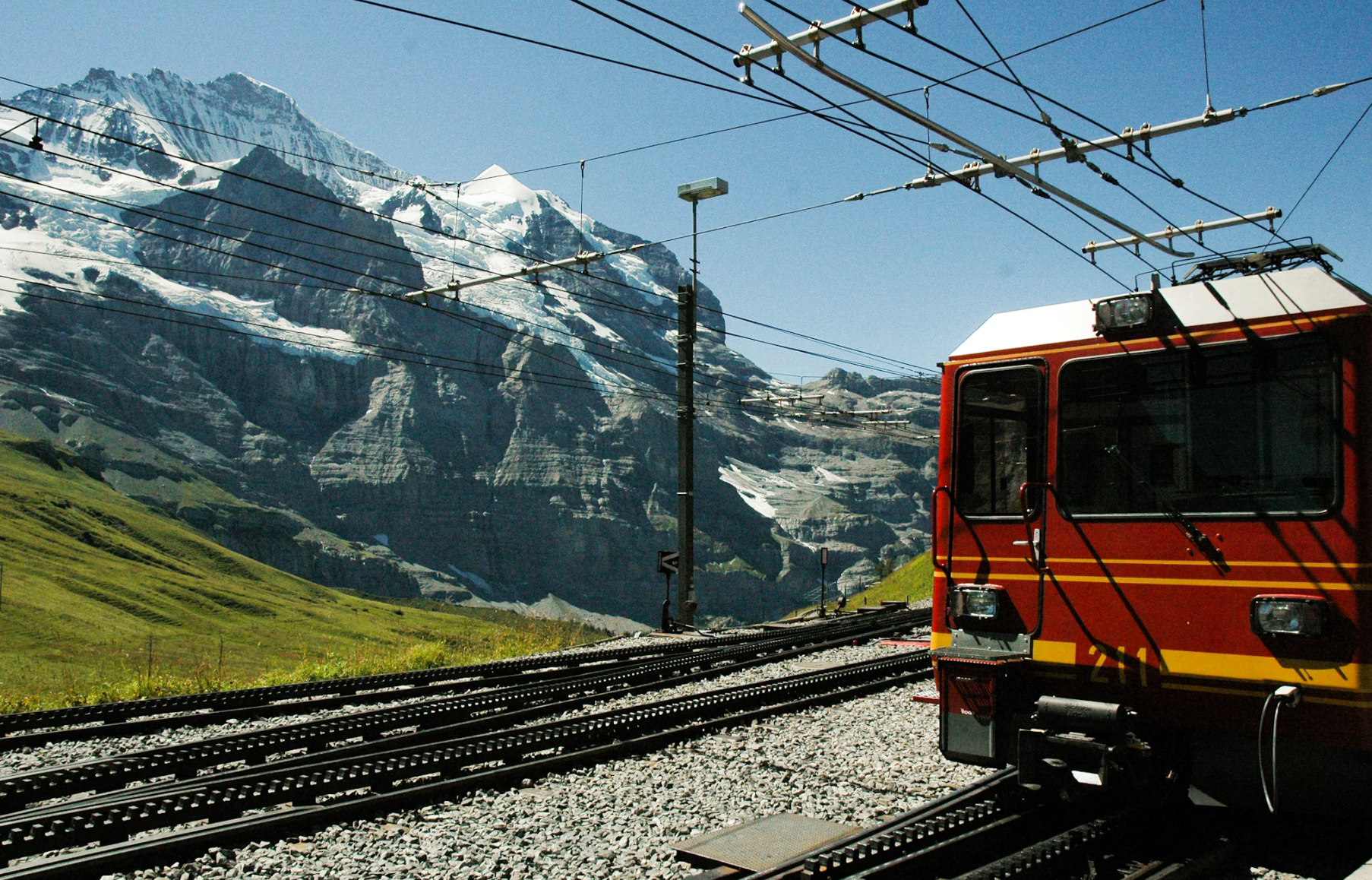
Travelers are increasingly viewing the journey itself as a core component of their vacation. A train ride through the Swiss Alps or the rolling vineyards of Tuscany is no longer seen merely as a logistical necessity but as a highlight of the trip. This shift in perception is fundamentally altering how itineraries are constructed. Rather than spending four hours in airport security and transit for a one-hour flight, travelers are opting for four-hour high-speed rail journeys that offer city-center to city-center convenience, scenic views, and the ability to remain productive or relaxed in a spacious environment.
A Chronology of Changing Travel Patterns
The transition toward greener transport in Europe did not happen in a vacuum. It is the result of a decade-long evolution in infrastructure and consumer sentiment, accelerated by the global pandemic.
In the mid-2010s, the rise of low-cost carriers (LCCs) dominated the European market, making it cheaper and faster to fly between distant cities like London and Rome than to take the train. However, by 2019, "flight shame" (flygskam) began to take root in Northern Europe, prompting a re-evaluation of short-haul aviation. While this movement was initially driven by climate concerns, it laid the groundwork for a broader appreciation of rail travel.
The 2020-2022 period served as a critical inflection point. As international borders reopened following the COVID-19 lockdowns, travelers expressed a renewed desire for "meaningful" travel. The claustrophobia of the pandemic led to a surge in demand for outdoor activities, cycling tours, and rural exploration. By 2023, the European rail network saw a resurgence in night train services, with operators like ÖBB (Austrian Federal Railways) expanding their Nightjet routes, effectively rebranding sleeper trains as a romantic and efficient alternative to flying.
Entering 2024 and looking toward 2025, the data confirms that these temporary pandemic-era preferences have solidified into long-term habits. The 5% increase in green transport adoption within a single year reflects a maturing market where long-haul visitors are better informed about European transit options and more willing to integrate them into their planning.
Supporting Data: Regional Preferences and Transport Modes
The ETC research provides a granular look at how different nationalities approach European travel. While the move toward green transport is a shared trend, the execution varies by market:
- North American Travelers (USA and Canada): This group shows a high preference for high-speed rail, particularly on well-established corridors like the "Golden Triangle" (London-Paris-Amsterdam). For these travelers, the ease of boarding and the central location of train stations are the primary draws.
- Australian and Brazilian Travelers: Due to the extreme distance traveled to reach Europe, these visitors tend to stay longer (often 14 to 21 days). This extended duration makes "slow travel" more feasible, leading to higher rates of multi-city rail passes and car rentals involving electric vehicles.
- Asian Markets (China and Japan): Travelers from these regions, who are already accustomed to sophisticated high-speed rail networks at home, show a high degree of comfort with Europe’s train systems. The research indicates a growing interest in cycling tours among younger Chinese travelers, who seek "Instagrammable" and unique experiences off the beaten path.
The rise from 13% to 18% in green transport reliance is also supported by the growth of multi-modal booking platforms. Companies like Omio, Trainline, and Rome2Rio have reported a surge in cross-border rail bookings, as technology makes it easier for non-European residents to navigate complex, fragmented ticketing systems that were once a barrier to entry.
Industry Responses and Infrastructure Developments
The shift in traveler behavior is both a cause and a consequence of significant investment by European governments and private entities. The European Union’s "Green Deal" and the designation of 2021 as the "European Year of Rail" provided the political momentum necessary to prioritize land-based transit.
In response to the growing demand for slow travel, several key developments have emerged:
- The High-Speed Rail Expansion: Projects like the Rail Baltica, which aims to connect the Baltic states with the rest of the European network, and the expansion of the French TGV and Spanish AVE lines, are making rail more competitive with air travel.
- The Night Train Renaissance: Beyond ÖBB, startups like European Sleeper are launching new routes (such as Brussels to Prague), catering specifically to the "slow travel" demographic that wishes to save on hotel costs while traveling sustainably.
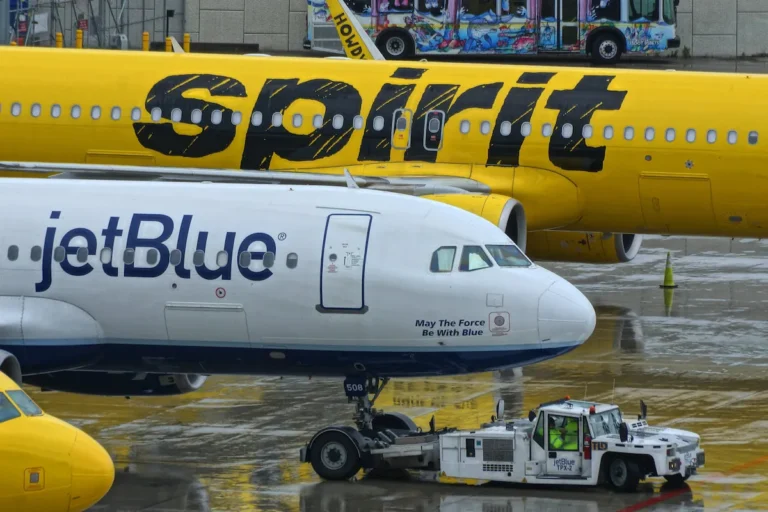
- Aviation Restrictions: France has led the way by banning short-haul domestic flights on routes that can be covered by train in under two and a half hours. This regulatory environment is nudging travelers—both domestic and international—toward the tracks.
- Digital Integration: The European Commission is currently working on the Multimodal Digital Mobility Services (MDMS) initiative, which seeks to harmonize booking across different transport modes, making it as easy to book a multi-country train and bus journey as it is to book a single flight.
Industry experts suggest that these changes are creating a "virtuous cycle." As more long-haul travelers choose trains, the increased revenue allows for further infrastructure investment, which in turn attracts more travelers.
Analysis of Implications: Economic and Environmental
The implications of this shift are far-reaching. Economically, the move toward slow travel redistributes tourism spending. While airlines may see a softening in short-haul demand, regional economies stand to gain. Travelers who take the train or cycle through rural areas are more likely to spend money in smaller towns and villages that are bypassed by major flight paths. This helps combat "overtourism" in major hubs by spreading the economic benefits of tourism more geographically across the continent.
From an environmental perspective, the shift is undeniably positive, even if it is not the primary motivator for the travelers themselves. Aviation accounts for a significant portion of the tourism industry’s carbon footprint. By shifting 5% of the long-haul market’s intra-European travel to rail or electric transit, millions of tons of CO2 emissions are avoided annually. This "accidental sustainability" highlights a crucial lesson for policymakers: to encourage green behavior, the sustainable option must be presented as the more desirable, convenient, and high-quality experience.
However, challenges remain. The price point of rail travel often remains higher than that of low-cost carriers, particularly for last-minute bookings. Furthermore, the lack of a truly unified European rail booking system can still frustrate international visitors who are used to the streamlined process of booking flights.
Future Outlook: Beyond 2025
As we look toward the latter half of the decade, the trend of slow travel is expected to gain even more momentum. The ETC research suggests that the 18% figure for 2025 may be a conservative baseline. As electric vehicle charging infrastructure becomes more ubiquitous across Southern and Eastern Europe, and as high-speed rail links continue to expand, the friction associated with "greener" travel will continue to decrease.
The long-haul traveler of the future is likely to be a "hybrid" traveler—one who takes a long-distance flight to reach the European continent but then switches to a low-impact, high-experience mode of transport for the duration of their stay. For the European tourism industry, this represents a shift in focus from "quantity" of arrivals to "quality" of stay. The success of the continent as a destination will increasingly depend on its ability to offer seamless, scenic, and slow travel experiences that cater to the evolving desires of the global traveler.
In conclusion, the European Travel Commission’s findings serve as a bellwether for the global travel industry. The rise of greener transport in Europe is a testament to the power of the "experience economy." By aligning sustainability with the personal desires of the traveler—comfort, beauty, and connection—Europe is setting a global standard for how modern, responsible tourism can thrive in the 21st century.