



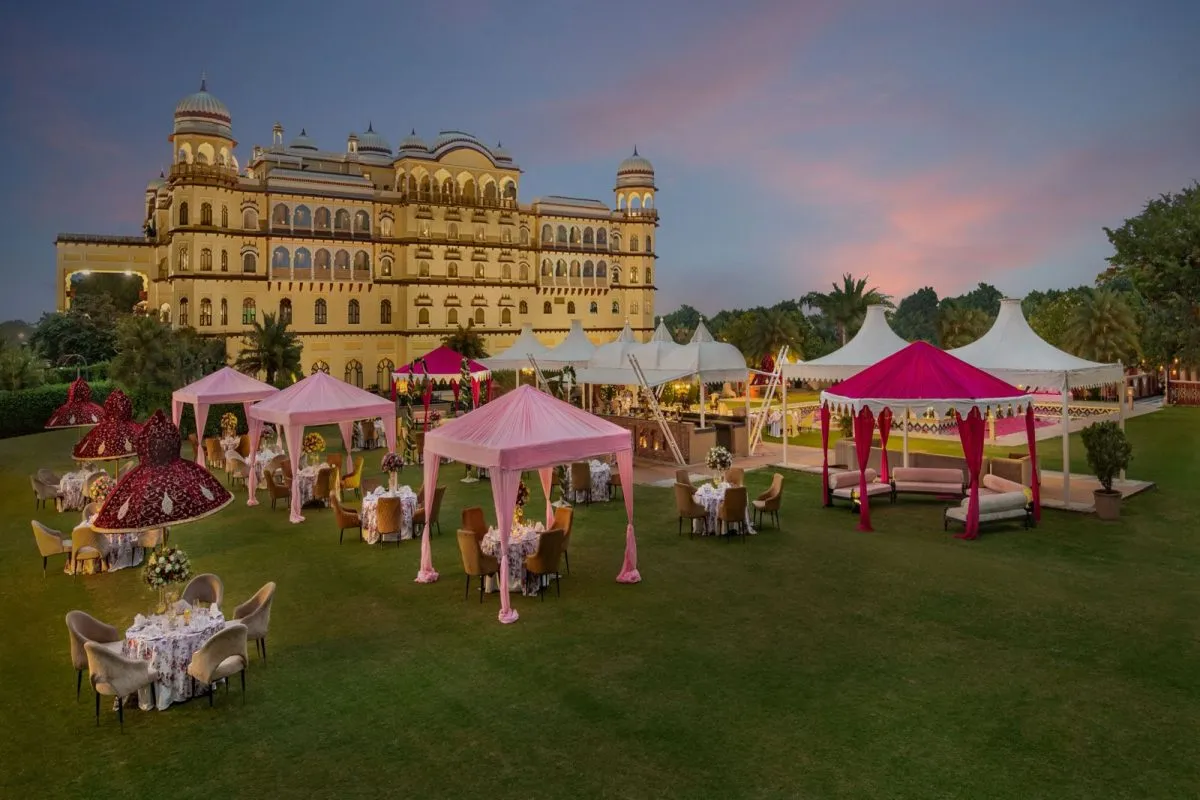
Marriott International has officially introduced its Autograph Collection brand to the Indian market, marking a significant milestone in the global hospitality giant’s expansion strategy within the South Asian subcontinent. The debut property, Noormahal, located in Karnal, Haryana, signifies the 19th brand that Marriott has brought to India, underscoring the company’s aggressive pursuit of diverse market segments ranging from select-service to independent luxury. The transition of Noormahal—a prominent luxury palace hotel—into the Autograph Collection represents a shift in how international chains are approaching the Indian market, prioritizing unique, high-identity properties in regional hubs over traditional flagship builds in primary metropolitan centers like Mumbai or Delhi.
The selection of Karnal, a mid-sized city situated approximately 130 kilometers north of New Delhi, serves as a calculated move by Marriott to tap into the burgeoning demand for "destination" hospitality and the lucrative Indian wedding market. By integrating Noormahal into the Autograph Collection, Marriott aims to leverage the property’s existing cultural heritage and architectural distinctiveness while providing the global distribution power and loyalty benefits associated with the Marriott Bonvoy program. This move aligns with a broader industry trend where international operators seek to partner with established independent owners of heritage-style properties to expand their footprint without the long lead times required for greenfield developments.
The Strategic Choice of Noormahal and the Autograph Ethos
The Autograph Collection is positioned within Marriott’s "Premium" portfolio as a "soft brand." Unlike standardized brands such as Marriott Hotels or Sheraton, which adhere to strict global design templates, the Autograph Collection focuses on properties that are "Exactly like nothing else." Each hotel is selected for its individual narrative, distinct design, and connection to its locale. Kiran Andicot, Senior Vice President for South Asia at Marriott International, emphasized that Noormahal was chosen specifically because it possesses a well-defined identity that aligns with this ethos.
Built in 2009, Noormahal is a 176-key property that draws heavily from the traditional Mughal and Rajputana schools of architecture. The hotel features intricate craftsmanship, including hand-painted frescoes, ornate arches, and expansive courtyards that evoke the grandeur of India’s royal past. For Marriott, the property provides an immediate and authentic entry into the "heritage luxury" segment, which is highly prized by both domestic travelers seeking experiential stays and international tourists looking for traditional Indian aesthetics.
The property is not a historical palace in the sense of being a centuries-old royal residence, but rather a "modern palace" designed to capture the essence of historical Indian royalty. This distinction allows the property to offer modern amenities and large-scale event infrastructure—such as extensive banquet halls and outdoor lawns—that are often difficult to implement in genuine historical monuments.
Expanding the Footprint: Marriott’s Growth in the Indian Market
The launch of the Autograph Collection brings Marriott’s total brand count in India to 19, the highest of any international hotel operator in the country. This expansion comes at a time when the Indian hospitality sector is experiencing a robust recovery and growth phase, driven by strong domestic consumption and a resurgence in the MICE (Meetings, Incentives, Conferences, and Exhibitions) and wedding sectors.
Marriott’s portfolio in India currently includes a wide array of brands, such as The Ritz-Carlton, St. Regis, W Hotels, JW Marriott, Westin, and the recently launched Moxy. The introduction of a soft brand like the Autograph Collection allows Marriott to compete more effectively with homegrown Indian luxury chains like Taj (Indian Hotels Company Limited) and Oberoi, which have long dominated the heritage and boutique luxury space. By offering independent hotel owners the chance to retain their property’s unique name and character while gaining access to Marriott’s 200-million-plus Bonvoy members, the company is positioning itself as a preferred partner for India’s wealthy regional developers.
The Significance of Tier-2 and Tier-3 Urban Centers
The decision to debut the brand in Karnal rather than a Tier-1 city like Delhi or Bengaluru highlights the shifting economic geography of India. Karnal is a key stop on the Grand Trunk Road (National Highway 44), which connects Delhi to Chandigarh and the Punjab region. This corridor is one of the busiest and most affluent transit routes in North India.
Several factors make cities like Karnal attractive for international brands:
- The Wedding Economy: India’s wedding industry is estimated to be worth over $50 billion annually. Large-scale palace hotels in the Delhi National Capital Region (NCR) periphery serve as primary venues for "destination weddings" that require hundreds of rooms and multiple event spaces.
- Infrastructure Development: Improved highway connectivity and the development of the Delhi-Chandigarh industrial corridor have made regional cities more accessible for weekend getaways and corporate retreats.
- Saturated Metro Markets: Real estate costs and a lack of available land in primary cities have pushed developers and international brands to seek opportunities in satellite cities where they can build larger, more expansive resorts.
Chronology of the Autograph Collection’s Global and Local Evolution
The Autograph Collection was launched globally by Marriott in 2010 as a response to the growing demand for boutique hotel experiences. It started with a small group of independent hotels in the United States and has since expanded to over 200 properties worldwide. The journey toward the Indian debut has been several years in the making, as Marriott sought the right partner and property to represent the brand’s maiden entry.
- 2010: Marriott International launches the Autograph Collection globally.
- 2015-2020: Marriott aggressively expands its luxury and premium footprint in India, reaching the 100-hotel milestone.
- 2021-2023: Post-pandemic travel trends show a sharp increase in "staycations" and a preference for unique, story-driven hotels in India.
- Early 2024: Marriott identifies Noormahal as a candidate for the Autograph Collection, citing its architectural significance and established reputation in the North Indian market.
- Late 2024: The formal rebranding and integration into the Marriott Bonvoy system are completed, marking the official debut of the brand in India.
Industry Implications and Market Analysis
The entry of the Autograph Collection into India is likely to trigger a competitive response from other global chains. Hilton’s Curio Collection and IHG’s Vignette Collection are similar "soft brand" offerings that have been eyeing the Indian market. The success of Noormahal under the Marriott umbrella will serve as a litmus test for whether independent Indian luxury owners are willing to trade a degree of operational autonomy for the massive marketing reach of a global conglomerate.
From an economic perspective, the partnership is a "capital-light" way for Marriott to grow. Instead of investing in the construction of new buildings, the company earns management and franchise fees while the local owner, the Noormahal Group, retains ownership of the asset. This model is particularly effective in India, where land acquisition and regulatory approvals can often take years.
Furthermore, this move signals a maturation of the Indian traveler. Market data suggests that Indian high-net-worth individuals (HNWIs) are increasingly moving away from standardized luxury. There is a growing appetite for hotels that offer a "sense of place"—local food, regional crafts, and historical narratives—provided those experiences are backed by the service standards and safety protocols of a trusted international brand.
Official Responses and Operational Integration
In statements regarding the launch, Marriott leadership has emphasized that the integration of Noormahal will involve aligning the property with Marriott’s global standards for service and safety without compromising the hotel’s visual and cultural identity. For the owners of Noormahal, the partnership provides a significant competitive advantage. In a market where independent hotels often struggle to compete with the digital marketing budgets and loyalty programs of major chains, joining the Autograph Collection provides an immediate global platform.
The integration into the Marriott Bonvoy ecosystem allows guests to earn and redeem points at Noormahal, which is expected to drive a significant increase in international bookings and high-value domestic loyalty members. Operationally, the hotel will now benefit from Marriott’s proprietary technology stacks, including reservation systems, revenue management tools, and global sales offices.
Future Outlook for Marriott in the Subcontinent
Marriott International has stated its intention to reach 250 hotels in India within the next few years. To achieve this, the company is looking beyond the traditional five-star hotel model. The debut of the Autograph Collection is expected to be followed by other unique signings in leisure destinations like Rajasthan, Goa, and the Himalayan foothills.
The success of the Noormahal Autograph Collection will be closely watched by industry analysts as an indicator of the viability of luxury branding in India’s secondary cities. If the property sees a significant uptick in average daily rates (ADR) and occupancy through the Marriott network, it could pave the way for a wave of similar conversions across the country, potentially transforming India’s landscape of independent heritage hotels into a network of internationally branded boutique experiences.
As the Indian economy continues to grow and the middle class expands, the demand for differentiated hospitality experiences is projected to outpace the supply of traditional luxury rooms. Marriott’s move to secure a unique architectural asset like Noormahal reflects a proactive strategy to dominate the "experiential luxury" segment before its competitors can establish a foothold in the regional Indian market.