Renault is currently charting a complex strategic course for its future product portfolio, weighing the continued development of legendary nameplates like the Clio and the Renault 5 against a pressing need to introduce entirely original concepts to the global market. Chief Executive Officer Fabrice Cambolive has clarified that while the brand’s recent foray into retro-inspired electric vehicles has garnered significant acclaim, the manufacturer’s primary objective moving forward is the integration of "purely new models" that do not rely on historical sentiment. This shift marks a critical juncture in the "Renaulution" strategy, the multi-phase turnaround plan initiated by Renault Group CEO Luca de Meo in 2021, which seeks to move the brand from a volume-driven business model to one centered on value and technological leadership.
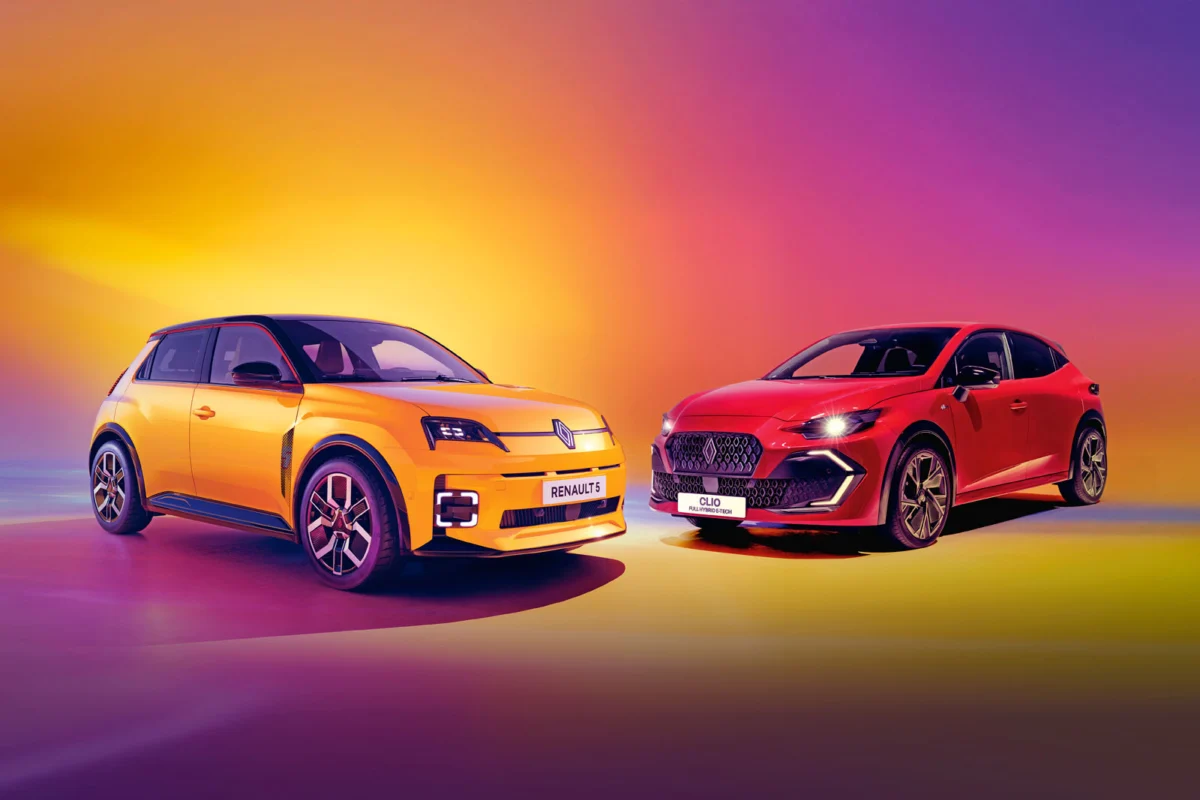
The French automaker has found recent success by tapping into its rich heritage, reviving classic silhouettes for the modern era. The upcoming Renault 5 E-Tech and the Renault 4 SUV, alongside a planned reincarnation of the Twingo, have positioned Renault as a leader in the "retro-futurist" design movement. However, Cambolive is wary of the brand becoming overly dependent on nostalgia. In a series of recent statements regarding the company’s trajectory, he emphasized that for any model to succeed, it must possess a distinct purpose within the modern era. The CEO’s vision for a balanced lineup follows a specific "one-third" ratio: one-third iconic revival cars, one-third "saga" cars that have maintained continuous market presence, and one-third entirely new designs that push the boundaries of the brand’s identity.
The Tripartite Strategy for Portfolio Stability
The decision to limit retro-inspired models to a third of the lineup is a calculated move to prevent brand stagnation. Cambolive noted that while icons like the R5 and R4 serve as powerful marketing tools and emotional anchors for consumers, relying solely on the past is a recipe for long-term failure. "You are dead if you just live in the past," Cambolive stated, highlighting the necessity for designers to be given the creative freedom to propose vehicles that reflect future trends rather than historical echoes.
The "saga" cars, such as the Clio and the Scenic, represent the middle pillar of this strategy. Unlike the "icons," which were discontinued and then resurrected as EVs, saga cars are those that have remained in the Renault catalog for decades, evolving through successive generations. The Clio, in particular, remains one of Europe’s best-selling B-segment vehicles, providing a stable foundation of sales volume. The third pillar—the "purely new" models—remains the most enigmatic part of the plan. While Cambolive did not provide specific details on these forthcoming vehicles, he suggested they would be designed to fill gaps in a rapidly changing automotive landscape, potentially focusing on software-defined vehicle (SDV) architectures and new mobility solutions.
Redefining the B-Segment The Future of the Renault Clio
A significant portion of Renault’s current research and development is focused on the successor to the current Clio. Although a refreshed version of the fifth-generation Clio was recently launched, the company is already looking toward the mid-2030s to determine how the nameplate will survive in an increasingly electrified and SUV-dominated market. The challenge lies in what Cambolive describes as the "low drive" sub-segment—traditional hatchbacks that prioritize aerodynamics and efficiency over the high-seating position of an SUV.
The next-generation Clio is expected to remain a B-segment hatchback, with dimensions likely falling between 4.1 and 4.2 meters. This sizing is critical for maintaining the car’s urban utility while accommodating the hardware required for modern safety standards and electrification. Renault’s design and engineering teams are currently debating the core characteristics of this future model, weighing the importance of sportiness, practicality, and versatility. Crucially, Cambolive has ruled out a retro approach for the next Clio, insisting it must remain a forward-looking "saga" car rather than a nostalgia piece.
The question of powertrain remains open, though the trend toward total electrification is clear. Renault’s upcoming platforms are being designed with maximum flexibility in mind. These architectures will be capable of supporting pure battery-electric vehicle (BEV) setups as well as range-extender configurations. This flexibility is essential as the brand navigates varying rates of EV adoption across different global markets. While Renault aims for its European sales to be 100% electrified by 2030, Cambolive acknowledged that the exact mix of BEVs and hybrids for the next-generation Clio will depend on infrastructure and regulatory developments over the next decade.
The Renaulution Context and Market Performance
To understand Renault’s current positioning, one must look at the broader "Renaulution" timeline. Since 2021, the group has undergone a massive restructuring, splitting its operations into dedicated entities: Ampere (focused on EVs and software), Horse (focused on low-emission internal combustion and hybrid engines), Alpine (the high-end performance brand), Mobilize (focused on financial services and new mobility), and The Future Is NEUTRAL (focused on the circular economy and recycling).
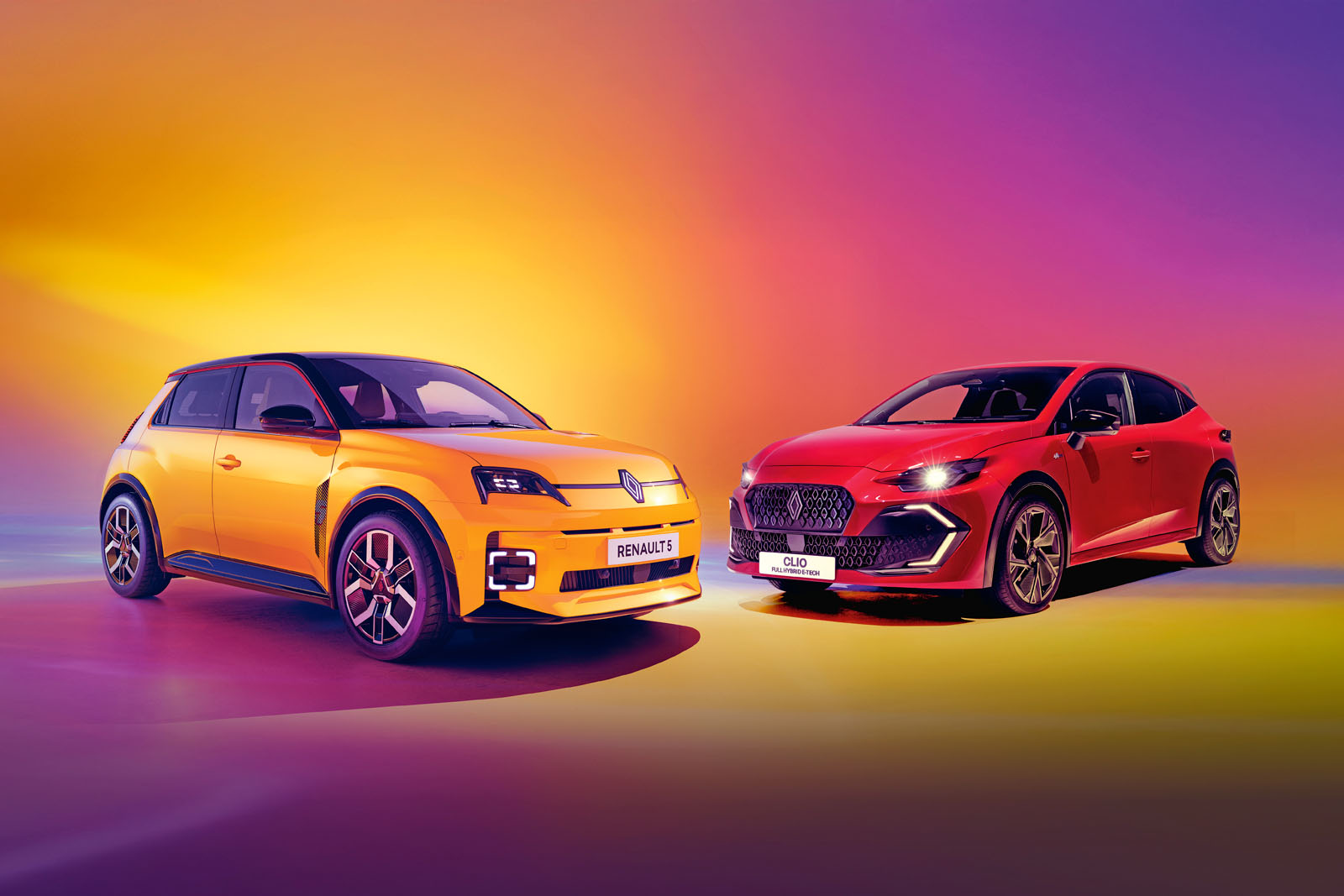
This corporate structure allows Renault to pursue the "one-third" strategy with high efficiency. The Ampere division is currently spearheading the development of the AmpR Small platform (formerly CMF-BEV), which underpins the new Renault 5. This platform is a key piece of data in the company’s strategy, as it shares approximately 60% of its components with the existing CMF-B platform used by the current Clio. This synergy allows Renault to reduce production costs by 30% compared to previous EV efforts, such as the Zoe, making small electric cars financially viable for the first time.
Market data supports this aggressive product refresh. In 2023, Renault Group reported a significant increase in global sales, with the Renault brand itself seeing a 9.4% growth compared to the previous year. The Clio has been a major contributor to this success, often ranking as one of the top three best-selling cars in Europe. By maintaining the Clio as a "saga" car while introducing the Renault 5 as an "iconic" EV, Renault is effectively double-teaming the B-segment, offering a traditional hybrid option alongside a high-style electric alternative.
Global Localization and Regional Adaptation
A key component of Cambolive’s strategy for "purely new models" involves the concept of global cars with heavy localization. This approach is designed to maximize economies of scale while ensuring that vehicles meet the specific demands of diverse markets like South America, India, and Turkey. Renault’s recent investment in the "International Game Plan 2027" includes the launch of eight new models outside of Europe, underpinned by a new modular platform.
This global strategy explains why Cambolive sees no room for "additional" cars in the current European lineup but sees vast potential for "new" models that replace or redefine existing segments. The goal is to move away from the "one-size-fits-all" approach of the past and instead use a common technical base to create vastly different vehicles tailored to regional preferences. For example, a "purely new" model in Brazil might take the form of a rugged crossover, while the equivalent platform in Europe might support a high-tech, aerodynamic commuter vehicle.
Industry Implications and Competitive Landscape
Renault’s strategy reflects a broader trend in the European automotive industry as manufacturers grapple with the "death of the small car." Stricter Euro 7 emissions regulations and mandatory safety tech have made B-segment cars increasingly expensive to produce. Competitors like Ford have discontinued the Fiesta, and Volkswagen has faced challenges in pricing the upcoming ID.2.
By splitting its lineup into icons, sagas, and new models, Renault is attempting to hedge its bets. The icons (R5, R4) command a price premium due to their design appeal, which helps offset the high cost of EV batteries. The sagas (Clio) maintain volume through hybrid efficiency and brand loyalty. The new models will likely focus on the "Software-Defined Vehicle" trend, where revenue is generated not just through the initial sale, but through over-the-air updates and digital services.
Industry analysts suggest that Renault’s success will depend on its ability to execute the transition to the next-generation Clio without alienating its core customer base. The move toward a 4.2-meter "low drive" hatchback suggests that Renault believes there is still a significant market for non-SUV body styles, provided they offer the efficiency and technology expected in the 2030s.
Conclusion: A Balanced Path Forward
As Renault prepares for the next decade, the roadmap laid out by Fabrice Cambolive suggests a brand that is confident in its history but determined not to be imprisoned by it. The introduction of the Renault 5 and 4 will satisfy the market’s current appetite for retro-modern aesthetics, but the real test for the manufacturer will be the "purely new" models currently in development.
The future of the Clio remains the most vital "saga" in Renault’s portfolio. As the brand moves toward a 100% electrified lineup in Europe, the evolution of this B-segment staple will serve as a bellwether for the company’s ability to balance practicality with innovation. By adhering to the one-third strategy, Renault aims to create a resilient, diverse, and forward-thinking product range that can withstand the volatile shifts of the global automotive market. The coming years will reveal whether this blend of nostalgia, continuity, and "purely new" invention can sustain Renault’s momentum in an era of unprecedented industrial change.