


The latest data from the U.S. National Travel and Tourism Office (NTTO) reveals a significant turning point for the American tourism sector, as inbound travel from China recorded its strongest February performance since the onset of the global pandemic. Following years of stagnation characterized by stringent travel restrictions, geopolitical friction, and a slow restoration of flight capacities, the month of February 2025 has emerged as a beacon of recovery. While the start of the year presented challenges, the mid-quarter surge suggests a robust appetite for transpacific travel, positioning China once again as a critical pillar of the United States’ international tourism economy.
According to an analysis of the NTTO figures, February saw a remarkable 36% year-on-year growth in arrivals from mainland China. This surge effectively offset a lackluster January, which had seen a worrying 20% decline compared to the same period in 2024. The volatility between the first two months of the year is largely attributed to the shifting dates of the Lunar New Year, which fell in late January and early February in 2025, concentrating a massive wave of outbound Chinese travel into a specific three-week window. Despite the early-year fluctuations, the broader trend for 2025 remains upward, with China currently ranked as the second-largest Asian source market for U.S. inbound travel and the fourth-largest globally.
A Statistical Turnaround: Analyzing the February Surge
The 36% growth recorded in February is more than a mere statistical anomaly; it represents a stabilization of demand that has been missing for nearly half a decade. In the pre-pandemic era of 2019, China was one of the highest-spending and fastest-growing markets for the U.S. travel industry. The interruption caused by the COVID-19 pandemic was deeper and longer for the China-U.S. corridor than for almost any other major international route, primarily due to China’s "Zero-COVID" policy which remained in place until early 2023.
The recovery in early 2025 indicates that the logistical and regulatory hurdles that previously stifled growth are finally being cleared. For the first two months of 2025 combined, the data suggests that while the total volume has not yet reached 2019 parity, the trajectory is moving toward a full recovery. The NTTO data highlights that Chinese travelers are increasingly opting for long-haul destinations despite a sluggish domestic economy, signaling that the "revenge travel" phenomenon—where consumers prioritize experiences after years of confinement—is still a potent driver in the Chinese middle and upper classes.
Chronology of Recovery: From Shutdown to Resurgence
The path to this February milestone has been fraught with challenges. To understand the significance of the current data, it is essential to look at the timeline of the China-U.S. travel relationship over the last five years:
- 2019-2020: The Total Halt. In 2019, nearly 3 million Chinese tourists visited the U.S. By early 2020, travel came to a virtual standstill as both nations implemented strict entry bans and suspended air routes.
- 2021-2022: The Zero-COVID Era. While other international markets began to recover in 2021, China remained closed. Travel was limited to essential business and student visas, with mandatory two-week quarantines for anyone returning to China.
- 2023: The Reopening. In January 2023, China officially dropped its quarantine requirements. However, the U.S. tourism industry did not see an immediate boom due to a massive backlog in visa processing and a severe shortage of direct flights.
- 2024: Incremental Progress. Throughout 2024, the U.S. Department of Transportation and the Civil Aviation Administration of China (CAAC) reached several agreements to gradually increase the number of weekly round-trip flights. By late 2024, flight capacity reached approximately 50% of pre-pandemic levels.
- 2025: The February Breakout. The current data shows that the infrastructure for travel is finally meeting the pent-up demand. The 36% growth in February marks the first time since 2019 that the market has shown such aggressive year-on-year expansion during a peak holiday period.
Geopolitical Context and the Trump-Xi Diplomatic Backdrop
The resurgence in travel occurs against a complex diplomatic backdrop. The NTTO data was released just as preparations are being finalized for a high-stakes meeting between President Donald Trump and Chinese President Xi Jinping. This meeting, which had been delayed due to scheduling conflicts and trade negotiations, is expected to address several "soft power" issues, including tourism, educational exchanges, and aviation agreements.
Historically, tourism has served as a barometer for the health of U.S.-China relations. During periods of heightened tension, travel warnings and visa restrictions often follow. Conversely, the current uptick in arrivals suggests a pragmatic "business as usual" approach among travelers, even as the two governments navigate trade tariffs and technological competition. Industry analysts suggest that both nations recognize the economic necessity of tourism; Chinese visitors traditionally spend more per capita than almost any other international group, contributing billions of dollars to the U.S. GDP through spending in retail, hospitality, and luxury goods.
The Economic Impact: Why the Chinese Market Matters
The U.S. travel industry views the recovery of the Chinese market as a critical component of its long-term financial health. According to Brand USA, the destination marketing organization for the United States, Chinese travelers spent an average of $6,700 per person per trip in the years leading up to the pandemic. This far exceeds the average spending of travelers from Europe or South America.
The February surge has provided a much-needed boost to key U.S. gateways. Cities such as San Francisco, Los Angeles, New York, and Las Vegas have historically been the primary beneficiaries of Chinese inbound travel. In San Francisco, where Chinese tourists were once the top source of international tourism spending, the recent 36% growth is being met with optimism by local hotel associations and luxury retailers.
Furthermore, the data indicates that the "Independent Traveler" segment is growing faster than the traditional "Group Tour" segment. This shift is significant because independent travelers tend to stay longer and explore more diverse regions of the country, spreading economic benefits beyond major urban hubs to national parks and secondary cities.
Infrastructure and Capacity: The Role of Airlines
One of the primary constraints on the recovery of China-U.S. travel has been air flight capacity. Before the pandemic, there were more than 300 weekly flights between the two countries. That number dropped to a mere dozen during the height of the pandemic.
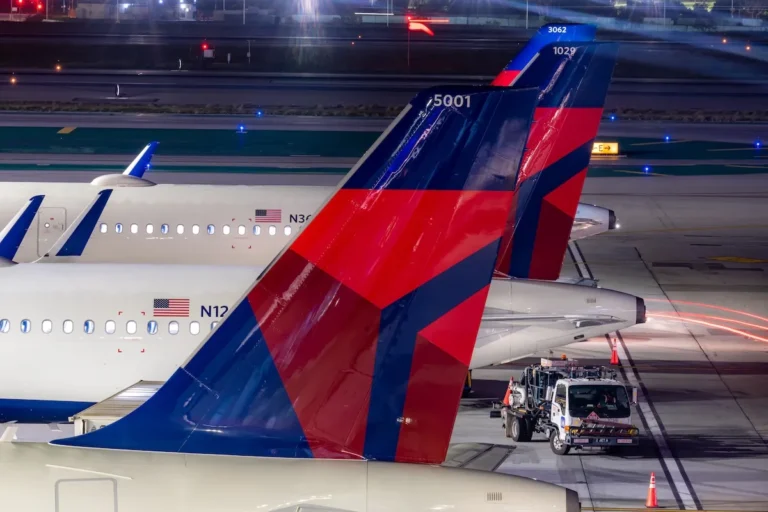
As of February 2025, carriers such as United Airlines, Delta Air Lines, and American Airlines, alongside Chinese counterparts like Air China and China Eastern, have been steadily reintroducing routes. The increase in February arrivals was supported by the seasonal addition of charter flights and the deployment of larger aircraft on existing routes to accommodate Lunar New Year demand.
However, industry experts caution that for the market to return to 2019 levels, more work is needed on the regulatory front. The current "flight cap" imposed by bilateral agreements remains a point of negotiation. The upcoming meeting between the two heads of state is expected to touch upon the possibility of expanding these caps to allow for more competitive pricing and frequent service, which would further stimulate inbound demand.
Stakeholder Reactions and Industry Sentiment
The reaction from the U.S. travel and hospitality sector has been cautiously optimistic. Travel trade associations have pointed to the February data as proof that the U.S. remains a top-tier destination for Chinese travelers despite increased competition from destinations in Southeast Asia and Europe.
"The 36% growth we saw in February is an encouraging sign that the structural barriers to travel are finally eroding," said a spokesperson for a leading Washington-based travel advocacy group. "While January was a reminder of the volatility in this market, the February numbers show that when the capacity is there and the timing is right, the demand from China is exceptionally strong. We are looking toward the summer season with high expectations."
Retailers in the luxury sector also reported a notable increase in foot traffic from Chinese visitors during the February period. High-end shopping malls in Southern California and New York City noted that the return of the Chinese traveler is essential for the recovery of the "high-street" retail economy, which has struggled to replace the high-volume spending seen in the previous decade.
Challenges Remaining: Visas and Economic Headwinds
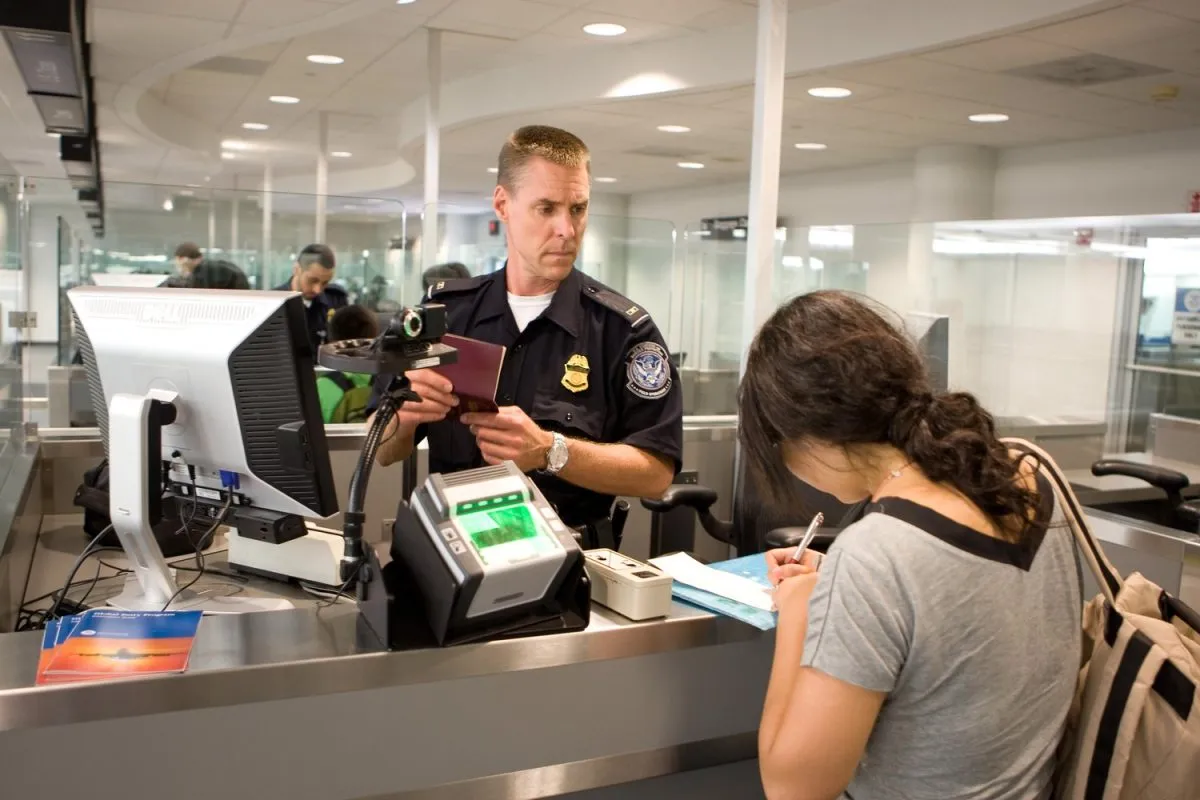
Despite the positive February data, several hurdles remain on the path to a full recovery. Chief among these is the visa application process. While the U.S. State Department has made efforts to reduce wait times for interview appointments in cities like Beijing, Shanghai, and Guangzhou, the backlog remains significant. In some regions, prospective travelers still face wait times of several months, which can deter spontaneous travel and push tourists toward destinations with more lenient visa policies, such as Thailand or the Middle East.
Additionally, the broader economic climate in China presents a potential headwind. A cooling property market and fluctuating consumer confidence in China could eventually temper the demand for expensive long-haul trips to the United States. Analysts will be closely watching the data for the second quarter of 2025 to see if the February surge was a temporary holiday spike or the beginning of a sustained upward trend.
Conclusion and Future Outlook
The February 2025 inbound travel data from China serves as a vital indicator of the resilience of the U.S. tourism industry. With a 36% year-on-year increase, the market is showing clear signs of life, overcoming the setbacks seen in January and the long-term shadows of the pandemic. As China solidifies its position as the fourth-largest global market for U.S. travel, the economic implications are profound, promising billions in potential revenue and a revitalization of international tourism hubs.
The future of this growth will likely depend on the outcomes of high-level diplomatic engagements and the continued expansion of aviation capacity. If the upcoming meeting between President Trump and President Xi leads to further easing of travel barriers and an increase in flight frequencies, 2025 could go down as the year the China-U.S. travel corridor finally reclaimed its status as one of the world’s most lucrative and influential tourism pathways. For now, the February figures provide a much-needed dose of confidence for stakeholders across the American economy, from major airlines to local boutique hotels.