

The economic landscape is undergoing a profound transformation, with clear signals emerging that artificial intelligence (AI) is already instigating significant shifts in the job market. Data indicates a substantial decline in entry-level job postings across the U.S., a trend that has seen a 35% reduction since 2023. Concurrently, major technology companies have implemented widespread layoffs, often attributed, at least in part, to AI’s burgeoning capabilities. Even prominent figures within the AI industry itself have voiced warnings about the potentially "unusually painful disruption" AI could inflict on employment. This palpable fear of AI-related job loss is now driving a critical discussion on Capitol Hill: who should bear the financial responsibility for navigating this unprecedented transition?
The Unmistakable Signals of AI-Driven Job Market Shifts
The evidence of AI’s disruptive potential is not merely theoretical; it is manifesting in concrete economic indicators and anecdotal accounts from across various sectors. The 35% drop in U.S. entry-level job postings since 2023, as reported by Revelio Labs, paints a stark picture of a shrinking gateway for new graduates and those seeking initial career opportunities. This decline is particularly concerning as entry-level roles have historically served as crucial stepping stones for career progression and economic mobility.
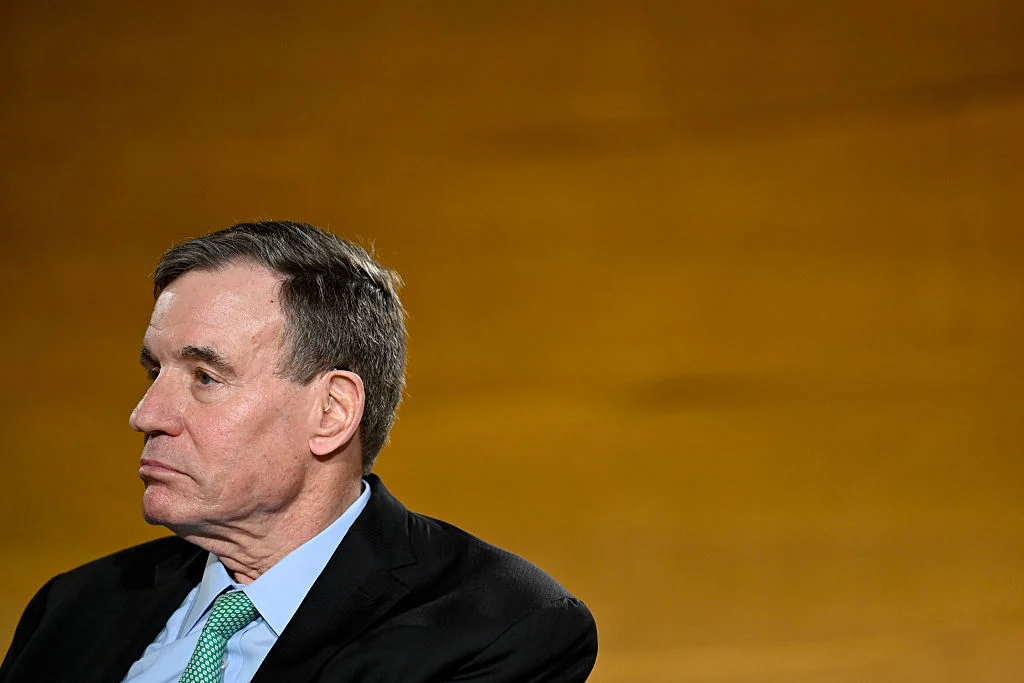
Beyond the numbers, the human impact is visible in the waves of layoffs that have swept through Big Tech. While companies often cite "restructuring" or "efficiency" as reasons, the underlying integration of AI tools and automation is frequently a significant, if unspoken, factor. Roles in areas like content moderation, customer service, data entry, and even certain aspects of software development are increasingly being augmented or outright replaced by AI systems. The fear extends to white-collar professions as well; Senator Mark Warner (D-VA) recounted a venture capitalist’s recent admission of writing down software investments to zero, largely due to the rapid advancements of large language models like Anthropic’s Claude. In a similar vein, a major law firm informed Warner that it is no longer hiring first-year associates, as AI can now proficiently handle much of the preliminary research and document review work traditionally assigned to junior lawyers. This suggests a systemic shift, where AI is not just optimizing tasks but fundamentally altering the demand for human labor at foundational career stages.
These observations are echoed by warnings from leading figures in AI. Dario Amodei, CEO of Anthropic, has explicitly cautioned about the potential for "unusually painful disruption" to jobs. Such pronouncements from those at the forefront of AI development lend significant weight to the growing anxieties. While some data from AI companies suggest that AI has not yet led to widespread net job losses, instead perhaps creating a "skills gap" where those proficient in AI tools pull ahead, the prevailing public and legislative sentiment points towards a looming crisis of displacement. This disparity highlights a crucial nuance: while AI may create new, specialized jobs, it simultaneously renders existing roles obsolete, necessitating massive retraining and upskilling efforts.
The Nexus of Power: Data Centers and Their Growing Footprint
At the heart of the AI revolution are data centers – vast, energy-intensive facilities that house the servers, storage, and networking infrastructure essential for powering AI models. These digital factories are the physical manifestation of the AI boom, and their proliferation has not come without significant environmental and community costs.
The expansion of data centers across the U.S. has triggered considerable public pushback. Local communities frequently raise concerns about the noise generated by cooling systems, the environmental impact of increased carbon emissions, and the immense strain these facilities place on local energy grids and water resources. A single large data center can consume as much electricity as a small city and millions of gallons of water annually for cooling. This demand drives up electricity costs for residents and businesses, exacerbating existing economic pressures.
Beneath these immediate environmental and economic concerns lies a deeper, bubbling resentment: a resistance to communities bearing the potential ill effects of hosting infrastructure that powers a technology many fear will replace human workers. Residents often perceive themselves as suffering the localized downsides (noise, pollution, higher utility bills) while the broader societal benefits (economic growth, technological advancement) are concentrated elsewhere, and the potential negative impact (job loss) is borne by the workforce. This perceived imbalance fuels the growing public anger towards AI and its foundational infrastructure.
Legislative Responses: Moratorium vs. Taxation
The escalating concerns have spurred diverse legislative proposals aimed at addressing the societal impacts of AI and data centers. On one end of the spectrum, Senator Bernie Sanders (D-VT) and Representative Alexandria Ocasio-Cortez (D-NY) introduced a bill calling for a nationwide data center moratorium. The intent behind such a moratorium is to pause the rapid expansion of these facilities, allowing policymakers and communities time to assess their environmental, economic, and social impacts before further development. Proponents argue it would provide an opportunity to develop more sustainable practices, stronger regulatory frameworks, and a clearer understanding of the long-term consequences.
However, Senator Mark Warner, while acknowledging the legitimate concerns, does not support a moratorium. Speaking at the Axios AI Summit in Washington, he articulated a strategic counter-argument rooted in international competitiveness. "A data center moratorium simply means China is gonna move quicker, and this is one where we can’t lose," Warner stated. His perspective underscores the geopolitical race for AI dominance, suggesting that halting domestic development could cede technological leadership to rival nations. Warner believes that "there’s no stuffing the genie back into the bottle" when it comes to AI and data centers, advocating instead for a pragmatic approach that embraces the technology while mitigating its negative externalities. He supports strict requirements to ensure data centers do not unfairly burden residents with water and power costs but proposes a different mechanism for communities to "extract their pound of flesh" that directly addresses the underlying fears of job loss.
Senator Warner’s "Pound of Flesh" Proposal: A Deeper Dive
Senator Warner’s alternative proposal centers on taxing the data centers powering the AI boom and channeling that revenue towards supporting workers through the economic transition. While he has yet to introduce specific legislation, the concept is gaining urgency amidst the increasing public anger. Warner argues that the industry has an "obligation" to help fund solutions for the societal changes it is driving.
The core question Warner has been grappling with is "Who should pay?" He considered various players in the AI ecosystem: "Should it be the chip makers, Jensen [Huang, Nvidia’s CEO]? Should it be the large language model companies? Should it be the Goldman Sachs of the world who are using these tools to cut back on a number of first-year associates?" Ultimately, he concluded that the "easiest place to extract the pound of flesh is probably going to be from the data centers." This choice is strategic, given data centers’ tangible physical presence, significant resource consumption, and the growing localized opposition they face.
The revenue generated from such a tax could be allocated to a range of programs designed to assist displaced workers and benefit communities. Warner suggested initiatives like funding training for new nurses – a field with persistent demand – or establishing AI upskilling programs to equip workers with the competencies needed for emerging AI-driven jobs. The crucial element, according to Warner, is ensuring a "tangible benefit to communities" as they navigate the profound economic shifts "foisted on them" by AI companies. This could involve direct financial aid, infrastructure improvements, or investments in public services that offset the costs imposed by data center operations.
The idea is not without precedent. Warner pointed to Henrico County, Virginia, which successfully leveraged tax revenue from a local data center to kickstart a new affordable housing project. This example demonstrates how local jurisdictions can proactively connect industrial development with direct community welfare, transforming a potential burden into a tangible asset. Such models could provide a blueprint for broader state or federal initiatives. Warner views this approach as a necessary balance between facilitating the infrastructure required for technological advancement and ensuring accountability and support for the communities bearing the associated costs.
Public Sentiment and Political Momentum
The public mood strongly suggests that Senator Warner is tapping into a widely felt sentiment. A recent NBC News poll revealed that AI has a remarkably low public approval rating, even falling below that of Immigration and Customs Enforcement (ICE). A significant 46% of registered voters view AI negatively, compared to only 26% who view it positively. This widespread skepticism and apprehension underline the urgency for policymakers to address the perceived threats of AI.
In Virginia, a state that hosts one of the world’s largest concentrations of data centers, this public discontent is translating into legislative action. There is a proposal to repeal the state’s generous tax breaks for data center buildouts, which currently cost the state and its localities nearly $2 billion a year in lost tax revenue. These tax incentives were originally designed to attract investment and create jobs, but as the perceived societal costs mount and job displacement fears intensify, the economic calculus is being re-evaluated. Warner warned that if Virginia moves to repeal these tax breaks, other states might follow suit, signaling a potential nationwide reassessment of how data center development is incentivized and regulated.
Warner acknowledged the challenging political landscape, stating that AI and data centers are "easy to demonize." This reflects the reality that while these technologies offer immense potential, their rapid, often opaque, development has created a vacuum of public trust and understanding. Without proactive measures to address concerns about job security, environmental impact, and equitable benefit distribution, the risk of a populist backlash and "pitchforks coming out" – as Warner vividly put it – becomes increasingly real.
Broader Implications and The Path Forward
Senator Warner’s proposal and the broader debate surrounding AI’s societal impact carry significant implications across economic, social, and political spheres. Economically, the challenge lies in designing a funding mechanism that effectively supports displaced workers without stifling innovation or deterring essential infrastructure investment. A data center tax could provide a dedicated revenue stream for workforce development programs, potentially reducing the burden on general taxation and ensuring that the industry directly contributes to mitigating its own externalities. However, policymakers would need to carefully consider the tax rate and structure to avoid making U.S. data center development uncompetitive internationally, which could push the industry to less regulated environments.
Socially, the goal is to ensure an equitable transition, preventing a widening gap between those who benefit from AI and those who are left behind. Investing in robust retraining and upskilling initiatives is crucial for maintaining social cohesion and individual economic stability. This includes not only technical skills but also critical thinking, creativity, and interpersonal communication – skills that are harder for AI to replicate. The discussion also touches on the concept of a social safety net, potentially including discussions around universal basic income (UBI), as the nature of work fundamentally changes.
Politically, the issue presents both challenges and opportunities. While the immediate focus is on federal and state legislative action, the global nature of AI development requires international cooperation on regulatory standards, ethical guidelines, and fair competition. Warner’s emphasis on not losing to China highlights the geopolitical dimension of AI policy. Domestically, finding bipartisan consensus on how to manage AI’s impact will be critical for developing sustainable, long-term solutions.
Ultimately, the dialogue initiated by Senator Warner and others represents a crucial step towards a more proactive and responsible approach to technological advancement. It underscores the growing recognition that simply allowing innovation to unfold without concurrently addressing its societal consequences is no longer a viable option. The future of work, the resilience of communities, and the equitable distribution of AI’s benefits will depend on the ability of policymakers, industry leaders, and citizens to collaborate on comprehensive strategies that balance progress with protection, ensuring that the AI revolution benefits all, not just a select few. The proposed taxation of data centers is not merely a fiscal policy; it is a declaration of collective responsibility in an era defined by unprecedented technological change.