


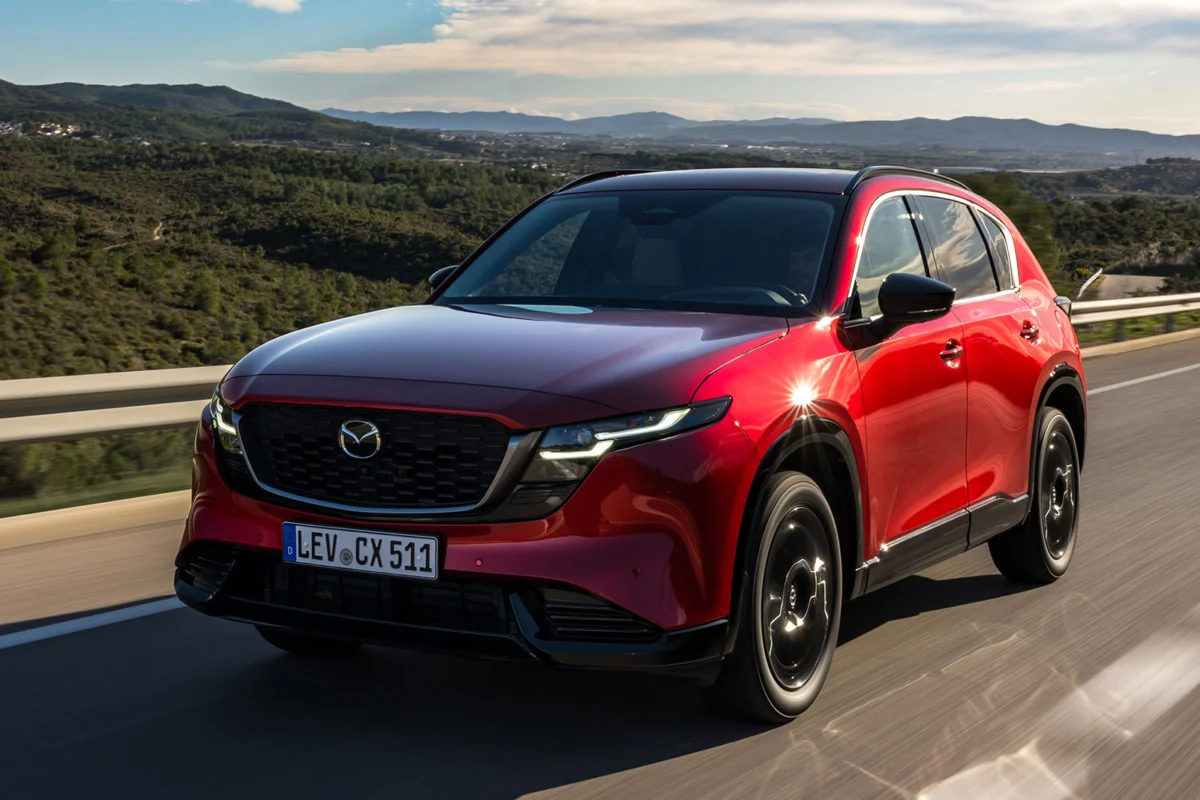
The automotive landscape is witnessing a significant transformation as Mazda unveils the latest iteration of its flagship crossover, the CX-5, a vehicle that has long served as the cornerstone of the Japanese manufacturer’s global sales success. This new model represents a strategic departure from its predecessors, emphasizing not only a more substantial physical footprint but also a fundamental shift in interior ergonomics and digital integration. By prioritizing increased cabin volume and a modernized infotainment suite, Mazda aims to solidify its position within the increasingly competitive mid-sized SUV market, directly challenging European stalwarts and domestic rivals alike.
Dimensional Enhancements and Cabin Ergonomics
At the core of the new Mazda CX-5’s appeal is a revised architecture that utilizes an extended wheelbase to maximize interior utility. While the previous generation, often referred to as the Mk2, was praised for its driving dynamics, it occasionally faced criticism regarding rear-seat packaging compared to its more cavernous competitors. Mazda’s engineering team has addressed this through precise adjustments to the vehicle’s geometry.
According to standardized road test measurements, the new CX-5 offers 1090mm of front legroom and 760mm in the rear. When contrasted with the Mk2’s measurements of 1070mm and 730mm respectively, the improvement is mathematically incremental but practically significant. These gains allow for a more relaxed seating position for adult passengers, effectively moving the CX-5 from the middle of the pack to the top tier of its segment regarding passenger comfort.
The improvements extend beyond mere legroom. The vehicle’s greenhouse has been redesigned to provide more generous headroom for all occupants, outperforming the current Volkswagen Tiguan in this specific metric. Furthermore, Mazda has focused on the "ingress and egress" experience—the ease with which passengers enter and exit the vehicle. The rear-door apertures have been lengthened, and the doors themselves have been engineered to swing open to a nearly 90-degree angle. This design choice is particularly beneficial for families, as it facilitates the installation of bulky child seats and provides unobstructed access for elderly passengers or those with limited mobility.
Cargo Capacity and Versatility
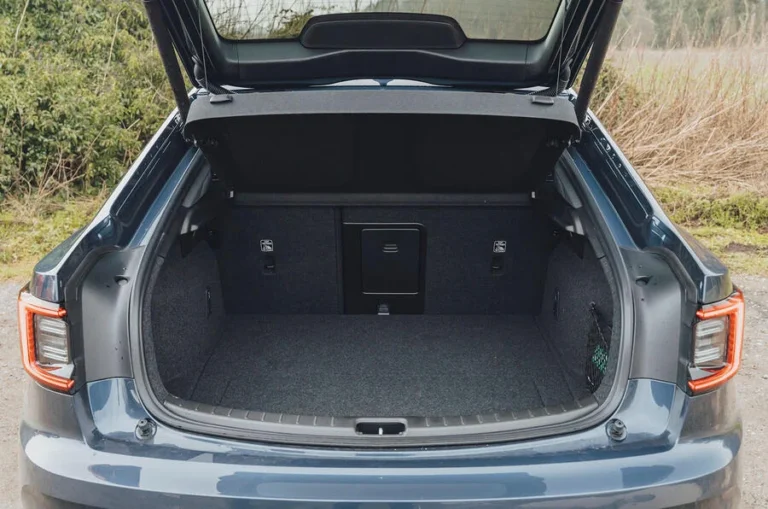
The pursuit of greater utility is also evident in the vehicle’s cargo area. The boot capacity has seen a substantial increase, now offering 583 litres with the rear seats in an upright position—a gain of 61 litres over the outgoing model. For owners requiring maximum haulage capability, the new 40/20/40-split folding rear bench can be lowered to create a cavernous 2019-litre load bay.
To enhance user convenience, Mazda has implemented quick-release handles located on either side of the load bay, allowing the seats to be dropped without requiring the user to walk around to the side doors. The loading lip has been kept low to assist in moving heavy items into the vehicle. Additionally, the inclusion of underfloor storage provides a discrete area for valuables or emergency equipment. However, it should be noted that in higher-specification trims equipped with the premium Bose audio system, a portion of this underfloor space is occupied by a subwoofer, a trade-off between utility and acoustic performance.
Interior Craftsmanship and Aesthetic Direction
Mazda has spent the last decade transitioning toward a "Mazda Premium" positioning, aiming to bridge the gap between mainstream brands like Toyota and luxury marques such as BMW or Lexus. The new CX-5 continues this trajectory with an interior characterized by plush materials and a high standard of tactile finish.
The dashboard and upholstery options depart from the industry’s tendency toward monochromatic, "dour" interiors. Across the range, buyers can select from a variety of textures and lighter color palettes. Specifically, the light and tan color schemes have been highlighted by design analysts as features that elevate the cockpit’s ambience, providing a sense of warmth and space that is often absent in the dark-grey interiors of many European competitors.
The CX-5’s interior layout is closely twinned with the new 6e EV, Mazda’s latest foray into dedicated electric mobility. While the CX-5 retains a traditional gearlever—unlike the 6e—the two vehicles share a minimalistic design philosophy that emphasizes clean lines and a reduced physical button count.
The Digital Pivot: Infotainment and User Interface
Perhaps the most controversial change in the new CX-5 is the overhaul of the Human Machine Interface (HMI). For years, Mazda was a vocal proponent of physical controls, specifically the rotary "commander" knob, arguing that touchscreens were distracting and forced drivers to take their eyes off the road.
The new model, however, marks a pivot toward a touch-centric, Google-underpinned system. Depending on the selected trim level, the vehicle is equipped with either a 12.9-inch or a 15.6-inch central infotainment screen. This system integrates almost all frequently used functions, including climate control and audio volume, into the digital display. The only remaining physical controls on the center stack are the hazard warning lights, the rear window heater, and the screen demister—functions mandated by safety regulations or high-frequency emergency use.
Mazda representatives have indicated that this shift was driven by customer demand, particularly from the North American market, where consumers have shown a strong preference for large, smartphone-like interfaces. While the new system operates with high processing speed and crisp graphics, the departure from tactile, "knurled metal knobs" represents a significant change in Mazda’s ergonomic philosophy.
This digital transformation extends to the instrument cluster. The classic, circular LCD analogue clocks of the previous model have been replaced by a fully digital display featuring "BMW-style" quadrants at the corners. This allows for greater customization of information, such as navigation maps and driver-assistance data, directly in the driver’s line of sight.
Historical Context and Market Chronology
The CX-5 has been a pivotal model for Mazda since its initial debut in 2012. It was the first vehicle to fully embody the "Kodo: Soul of Motion" design language and the suite of "SkyActiv" technologies aimed at maximizing internal combustion efficiency.
- 2012 (First Generation): Launched to critical acclaim, the CX-5 established Mazda as a serious contender in the compact SUV space, focusing on lightweight engineering and driving engagement.
- 2017 (Second Generation): This iteration focused on refinement, noise vibration and harshness (NVH) levels, and a more sophisticated interior, moving the brand closer to the premium segment.
- 2021-2022 (Mid-Cycle Updates): Mazda introduced styling tweaks and enhanced safety tech to keep the model competitive against newer rivals like the Hyundai Tucson and Toyota RAV4.
- Present (New Generation): The current model represents a leap in size and digital integration, aligning the CX-5 with Mazda’s broader "Large Product Group" strategy, which includes the CX-60 and CX-90.
Industry Implications and Competitive Analysis
The decision to increase the CX-5’s dimensions and move toward a screen-heavy interface reflects broader trends in the global automotive industry. As SUVs become the primary vehicle for families, the "space race" has intensified. By surpassing the VW Tiguan in key interior metrics, Mazda is positioning itself as a leader in packaging efficiency.
However, the shift away from physical buttons remains a point of contention among automotive safety experts and traditionalist consumers. Organizations such as Euro NCAP have recently suggested that physical controls for essential functions could be factored into safety ratings in the future, as touchscreens can increase driver distraction. Mazda’s reliance on a Google-based OS is an attempt to mitigate this by providing superior voice control and a familiar user interface, though the long-term impact on the brand’s "driver-centric" identity remains to be seen.
The twinning of the CX-5 with the 6e EV also signals Mazda’s "multi-solution" approach to electrification. By sharing interior components and design languages across internal combustion and electric platforms, Mazda can achieve economies of scale while offering a consistent brand experience regardless of the powertrain.
Conclusion
The new Mazda CX-5 is a testament to the brand’s ability to evolve with changing market pressures while maintaining its reputation for quality and design. Through a calculated increase in wheelbase and a total reimagining of the cargo and passenger space, the vehicle offers a more versatile package than ever before. While the transition to a digital-first cockpit may challenge long-time fans of the brand’s previous ergonomic philosophy, the integration of Google-based technology and premium materials ensures that the CX-5 remains a formidable competitor in the global SUV market. As deliveries begin and more units hit the road, the industry will be watching closely to see if this blend of physical growth and digital modernization will continue the CX-5’s legacy as a segment leader.