


The modern architecture of international travel is increasingly anchored by a trio of Middle Eastern airlines—Emirates, Qatar Airways, and Etihad Airways—whose expansive hub-and-spoke networks have transformed the Gulf region into the primary transit point for global commerce and tourism. New analysis from Skift Research, utilizing comprehensive capacity data from Cirium, reveals a profound and growing dependence on these carriers, highlighting how central Dubai, Doha, and Abu Dhabi have become to the movement of people across continents. While this concentration of capacity has streamlined global connectivity, it has simultaneously introduced a significant point of failure: any geopolitical shock or regional instability affecting these hubs now threatens to paralyze a substantial portion of the world’s international airline seats.
The Architecture of Global Connectivity
The dominance of the "Big Three" Gulf carriers (ME3) is not a result of chance but the product of decades of strategic investment and geographical advantage. Positioned at the crossroads of Europe, Asia, and Africa, these airlines have leveraged their locations to capture "sixth freedom" traffic—passengers flying between two foreign countries via a hub in the carrier’s home country. This model has allowed Emirates, Qatar Airways, and Etihad to offer one-stop connections between secondary cities that traditional legacy carriers in Europe or North America often overlook.
The scale of this operation is immense. According to the Skift Research report, the reliance on these three carriers is particularly acute in developing markets and regions where domestic long-haul capacity is limited. The analysis identifies seven countries that now rely on these Gulf carriers for at least 15% of their total international airlift. Furthermore, an additional 21 countries depend on them for more than 10% of their inbound capacity. This "hidden dependence" means that for nearly 30 nations, the ME3 are not just flight options but essential infrastructure for national economic stability and global access.
A Chronology of Gulf Aviation Dominance
The trajectory of the Gulf carriers from regional start-ups to global titans provides essential context for their current market position.
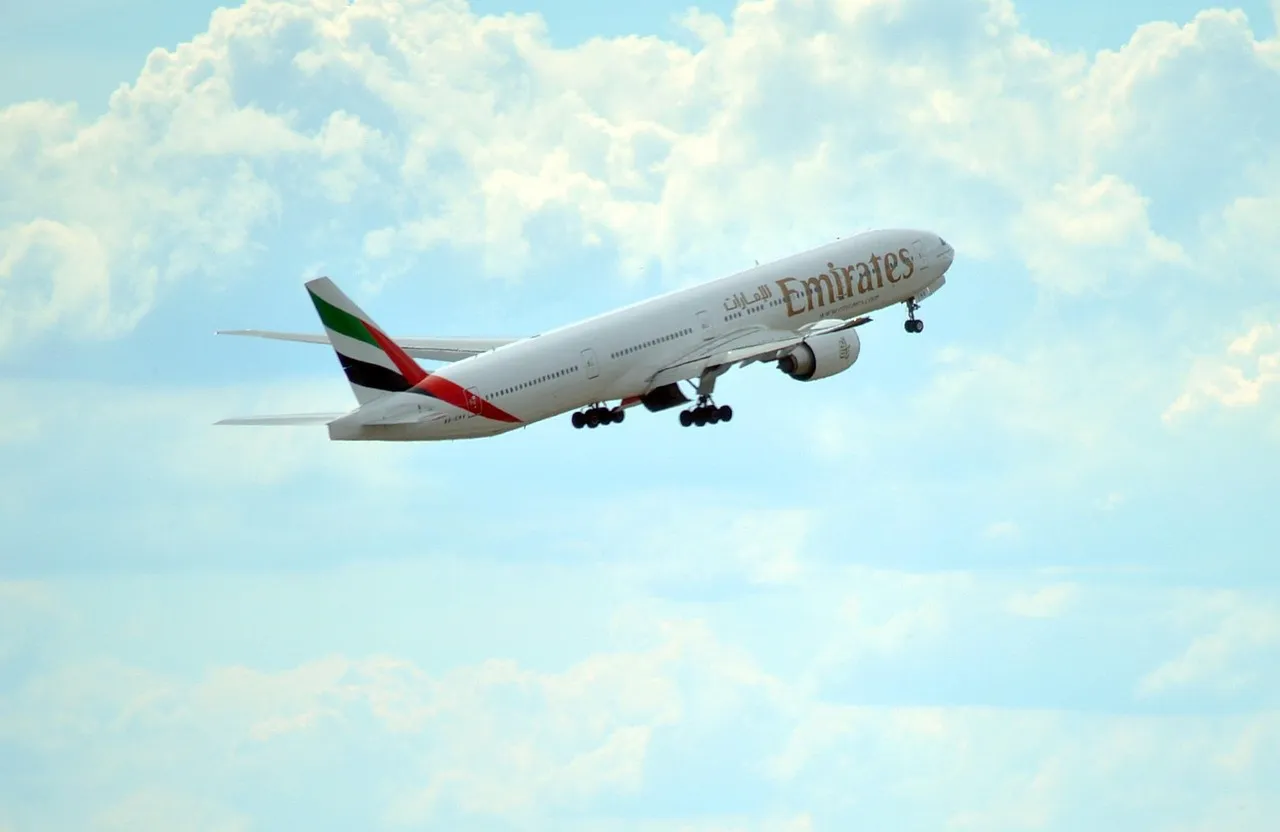
In 1985, Emirates was launched with just two aircraft, operating out of Dubai at a time when the city was a modest trading port. By the early 2000s, it had become the world’s largest operator of the Boeing 777 and the Airbus A380, turning Dubai International Airport (DXB) into the world’s busiest airport for international passengers.
Qatar Airways followed a similar path of rapid expansion after its relaunch in 1997. Under aggressive leadership, it focused on building a network that prioritized high-frequency connections and premium service, eventually turning Doha’s Hamad International Airport (DOH) into a primary rival for transit traffic.
Etihad Airways, established by royal decree in 2003, rounded out the trio, positioning Abu Dhabi (AUH) as a luxury-focused hub. Together, these three airlines spent the 2010s aggressively expanding their fleets and route maps, often to the chagrin of Western legacy carriers who accused them of receiving unfair state subsidies—a claim the Gulf carriers have consistently denied, citing their efficient operations and the strategic vision of their respective governments.
The COVID-19 pandemic served as a pivotal moment in this timeline. While many global airlines shuttered operations and retired large portions of their fleets, the Gulf carriers—particularly Qatar Airways—maintained a significant number of routes, positioning themselves as the "reliable" connectors during a period of global isolation. This reliability during the crisis further cemented their market share as travel rebounded in 2023 and 2024.
Data Analysis: The Risks of Concentration
The Skift Research data paints a stark picture of the potential fallout from a disruption in the Gulf. The analysis suggests that a significant geopolitical event—such as a major escalation in regional conflict or a closure of key airspace—could result in the immediate loss of access to nearly 14 million international airline seats.
The concentration of risk is most visible when looking at specific corridors. For many countries in South Asia and Southeast Asia, the Gulf hubs are the primary gateway to Europe and the Americas. In India, for instance, the reliance on Gulf carriers is a matter of both necessity and convenience, as the domestic fleet is only recently beginning to expand its long-haul capabilities. In many African nations, the ME3 often provide the only reliable link to the global North, as regional airlines struggle with aging fleets and regulatory hurdles.
The "15% Club"—those seven nations most reliant on the ME3—faces the highest risk. For these countries, a cessation of flights from Dubai, Doha, or Abu Dhabi would not merely be an inconvenience; it would represent a structural collapse of their international tourism and trade links. The economic ripple effects would be felt in hotel occupancy rates, export capabilities, and foreign direct investment.
Geopolitical Shocks and Airspace Vulnerabilities
The strategic importance of the Gulf hubs is currently being tested by a volatile geopolitical landscape. The ongoing conflict in the Middle East, coupled with the closure of Russian airspace to many Western carriers following the invasion of Ukraine, has reshaped flight paths.
As European and North American carriers are forced to take longer, more expensive routes to avoid Russian and parts of Middle Eastern airspace, the Gulf carriers have maintained a competitive edge. Their hubs are geographically positioned such that they can still reach most major global destinations without the massive fuel penalties faced by carriers flying from London, Paris, or New York to Asia.
However, this advantage is double-edged. The proximity of these hubs to conflict zones means that any escalation involving Iran or neighboring states directly threatens the viability of these flight corridors. During periods of heightened tension, airlines have been forced to reroute flights through narrow corridors over Saudi Arabia or Egypt, increasing congestion and operational costs. The Skift analysis highlights that if these narrow corridors were to be restricted, the "connective tissue" provided by the ME3 would be severed, leaving millions of passengers stranded and disrupting global supply chains that rely on belly-cargo capacity in passenger jets.
Industry Reactions and Strategic Shifts
Aviation analysts and industry bodies like the International Air Transport Association (IATA) have long recognized the efficiency of the hub-and-spoke model, but the Skift report has prompted a re-evaluation of the risks involved.
"The reliance on a handful of hubs for global connectivity is a testament to the efficiency of the ME3, but it also reveals a fragility in the global network," says an inferred consensus among aviation strategy experts. "We are seeing a shift where governments are beginning to realize that national air sovereignty isn’t just about having an airline; it’s about ensuring diverse routing options."
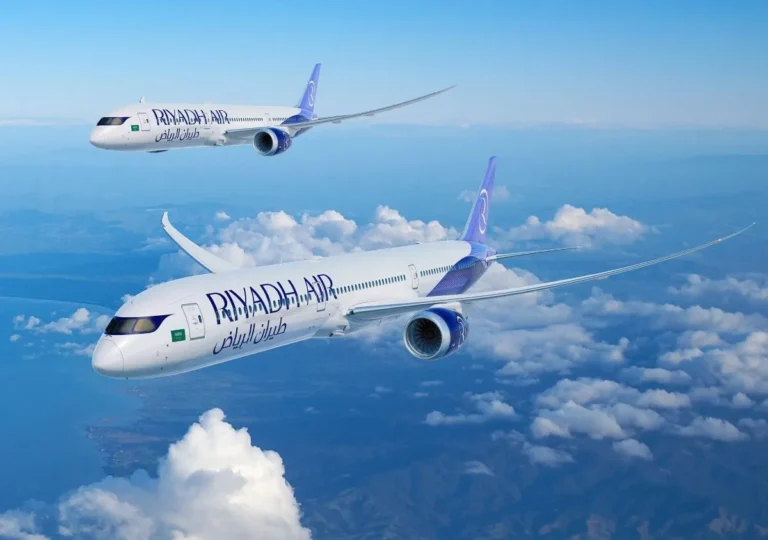
In response to this dependence, several nations are attempting to bolster their own carriers. Saudi Arabia, observing the success of its neighbors, has launched Riyadh Air with the explicit goal of creating a fourth major hub in the region, aimed at diversifying the kingdom’s economy and reducing its own reliance on foreign hubs. Meanwhile, Air India’s massive aircraft orders and restructuring under the Tata Group are seen as a direct attempt to reclaim "point-to-point" traffic that currently flows through Dubai or Doha.
Broader Implications for the Future of Travel
The findings from Skift Research underscore a fundamental shift in the global order of aviation. The era where European and American carriers dictated the terms of international travel has been replaced by a multipolar system where the Gulf is the indispensable center.
However, this centralization brings about a "systemic risk" similar to that found in the financial sector. Just as the failure of a "too-big-to-fail" bank can trigger a global recession, a prolonged disruption at Dubai International or Hamad International would trigger a global travel crisis. The 14 million seats at risk represent more than just numbers; they represent the mobility of the global workforce, the viability of the international tourism industry, and the logistical backbone of global trade.
For travelers, this dependence often results in lower fares and better service due to the intense competition between the ME3. For the global economy, however, it represents a bottleneck. As the industry moves forward, the challenge will be balancing the undeniable efficiency of the Gulf hubs with the need for a more resilient, decentralized global aviation network.
In conclusion, the Skift Research analysis serves as a critical reminder of the interconnectedness of modern aviation. The Gulf carriers have successfully linked the world, but in doing so, they have created a system where the world’s ability to move is increasingly contingent on the stability of a single, volatile geographic region. As the "Big Three" continue to expand, the conversation within the industry is likely to shift from how much they can grow to how the world can manage the risks of their overwhelming success.