

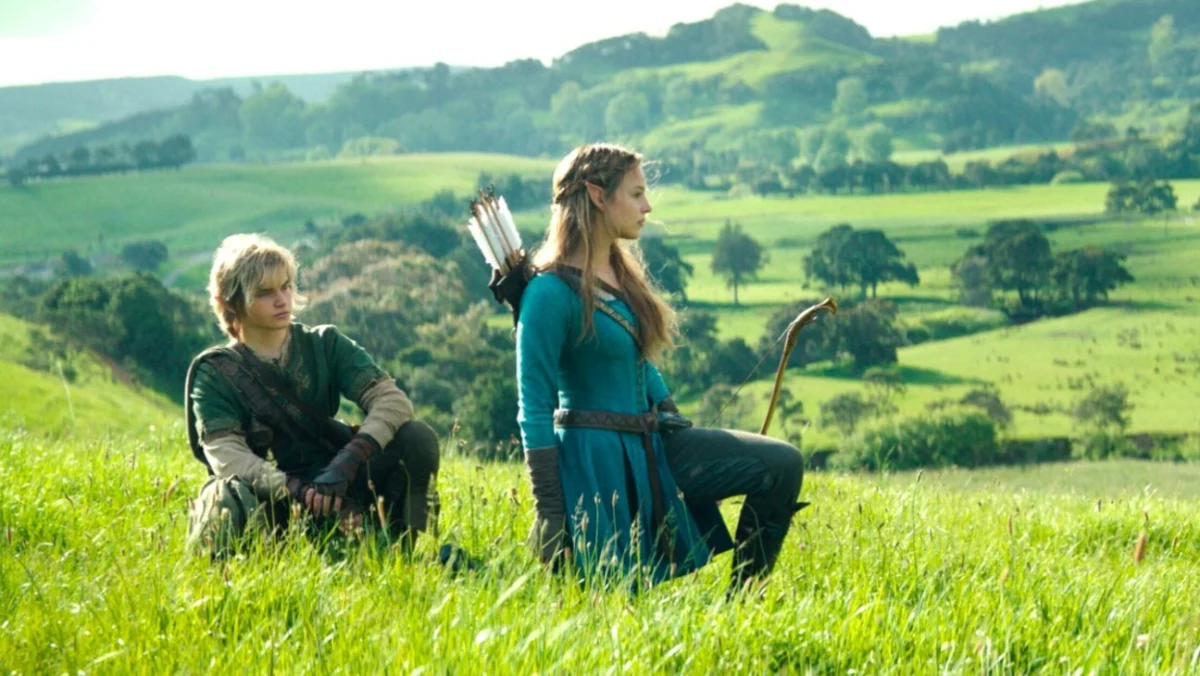
Las Vegas, NV – The much-anticipated live-action adaptation of Nintendo’s iconic video game franchise, The Legend of Zelda, has officially wrapped principal photography, Sony Pictures announced Monday during its presentation at CinemaCon. The studio also confirmed a worldwide release date of May 7, 2027, for the ambitious project. This significant update comes as the gaming world and film industry eagerly await further details on the cinematic journey into the beloved Hyrule.
A Glimpse into Hyrule: Production Milestone and Release Confirmation
Sanford Panitch, president of Sony Pictures’ Motion Picture Group, revealed the production milestone during the studio’s high-profile CinemaCon showcase in Las Vegas. While no new imagery or specific plot details were unveiled at the event, Panitch emphasized the magnitude of the project, highlighting its connection to one of the most enduring and successful video game franchises in history.
"We just wrapped production on Nintendo’s The Legend of Zelda – based, perhaps, on the most beloved gaming franchise of all time that sold over 180 million copies in four decades," Panitch stated to an audience of cinema owners, distributors, and industry press. He underscored the collaborative effort behind the film, noting that it has been produced by Nintendo legend Shigeru Miyamoto himself, alongside Avi Arad, a prominent producer known for his work on numerous superhero films. The directorial helm has been entrusted to Wes Ball, whose recent success with Kingdom of the Planet of the Apes has positioned him as a capable hand for large-scale franchise filmmaking.
The May 7, 2027, release date positions The Legend of Zelda as a major tentpole release for Sony Pictures, underscoring the studio’s continued strategic focus on adapting successful video game properties. "The film releases worldwide May 7th, 2027. We and the legion of fans everywhere cannot wait," Panitch added, acknowledging the immense anticipation surrounding the film. "And video game adaptations continue to be a significant focus for us."
A Deep Dive into the Production: Director, Cast, and Producers
The live-action Legend of Zelda film is a joint venture between Sony Pictures and Nintendo, a collaboration that signifies a growing trend of major gaming companies venturing into the theatrical space. Director Wes Ball brings a proven track record of managing expansive worlds and compelling narratives. His previous directorial efforts include the Maze Runner trilogy, which garnered significant commercial success and critical attention, and the recently released Kingdom of the Planet of the Apes, which has performed strongly at the box office. Ball’s experience with visual spectacle and character-driven storytelling is expected to be crucial in translating the vibrant and fantastical world of Hyrule to the big screen.
The cast features promising young talent stepping into the iconic roles of Princess Zelda and the courageous hero Link. Bo Bragason, recognized for her roles in BBC One’s Three Girls and The Jetty, is set to portray the wise and magical Princess Zelda. Benjamin Evan Ainsworth, who has previously appeared in Pinocchio and The Haunting of Bly Manor, will embody the role of Link, the swordsman destined to protect Hyrule. The selection of these younger actors suggests a potential focus on the origins of these beloved characters, or perhaps a fresh interpretation of their well-established personas.
The production’s creative leadership is further bolstered by the involvement of Shigeru Miyamoto, the visionary creator of The Legend of Zelda series, and Avi Arad. Miyamoto’s direct involvement is a significant indicator of Nintendo’s commitment to ensuring the film remains faithful to the spirit and lore of the games. Arad’s extensive experience in producing blockbuster franchises, particularly in the superhero genre, brings a wealth of knowledge in navigating the complexities of large-scale film production and marketing.
The Historical Context: Nintendo’s Evolving Cinematic Ambitions
Nintendo’s foray into theatrical productions has seen a dramatic surge in recent years, marked by significant commercial successes. The 2023 release of The Super Mario Bros. Movie, a collaboration with Illumination and Universal Pictures, proved to be a colossal hit, grossing over $1.36 billion worldwide. This monumental achievement not only demonstrated the massive global appeal of Nintendo’s intellectual properties but also validated the strategic decision to invest in high-quality cinematic adaptations. The recent release of The Super Mario Galaxy Movie (likely a typo in the original text and referring to a hypothetical or different Mario movie, but the general sentiment about Nintendo’s continued cinematic push remains valid) has also shown promising early returns, indicating sustained audience interest in Nintendo’s animated features.
The Legend of Zelda represents another cornerstone franchise for Nintendo, one that has captivated players for over three decades. Since its debut in 1986 with The Legend of Zelda on the Famicom Disk System, the series has sold over 180 million copies across more than 20 titles. Its rich lore, intricate gameplay mechanics, and memorable characters have cultivated a dedicated global fanbase. While attempts at Zelda adaptations have been discussed and even explored in various forms over the years, none have materialized into a full-fledged feature film until Sony’s announcement of development in 2023. This long gestation period highlights the careful consideration and strategic planning involved in bringing such a cherished franchise to the big screen.
CinemaCon: A Premier Platform for Industry Announcements
The announcement of The Legend of Zelda‘s production completion and release date at CinemaCon is strategically significant. CinemaCon, hosted annually in Las Vegas by Cinema United (formerly the National Association of Theatre Owners), serves as a crucial convergence point for the global film industry. It provides studios with a prime platform to unveil upcoming projects, showcase trailers, and solidify release strategies with exhibitors. For a film of The Legend of Zelda‘s magnitude, revealing such key information at this event allows for maximum impact and engagement with key stakeholders, including theater owners who will be instrumental in its distribution and promotion.
The event typically runs for several days, allowing for extensive networking, deal-making, and the forging of partnerships that shape the future of film exhibition and distribution. By choosing CinemaCon for this announcement, Sony Pictures signals its confidence in the film and its commitment to engaging the exhibition community. The timing also allows for a considerable lead-up to the 2027 release, giving fans ample time to anticipate and build excitement.
Broader Implications for Video Game Adaptations
The continued success of video game adaptations, exemplified by The Super Mario Bros. Movie, has undoubtedly influenced Sony’s strategic decisions. The industry has long grappled with the "video game curse," a historical perception that adaptations of games rarely translate well to the screen. However, recent years have seen a notable shift, with projects like The Last of Us (HBO series), Sonic the Hedgehog (film series), and the aforementioned Super Mario Bros. Movie challenging this notion.
This trend suggests a growing understanding of what makes video game narratives and worlds compelling, and how to translate those elements effectively for a cinematic audience. Factors contributing to this shift include:
- Increased Collaboration with Game Developers: Direct involvement from game creators, like Miyamoto, ensures authenticity and respect for the source material.
- Talented Filmmakers: Engaging directors and writers with a genuine appreciation for the games and the ability to craft engaging stories for a broader audience.
- Focus on Narrative and Character: Moving beyond superficial representations to explore the deeper themes and character arcs that resonate with fans.
- High Production Values: Investing in visual effects, set design, and casting to create immersive and believable worlds.
The success of The Legend of Zelda film could further solidify this positive trajectory, potentially paving the way for more ambitious and diverse video game adaptations across various genres and platforms. It also reinforces the immense commercial potential of intellectual property derived from the gaming industry, which continues to grow in cultural and economic influence.
The Enduring Appeal of Hyrule
The world of The Legend of Zelda is characterized by its expansive landscapes, intricate dungeons, compelling puzzles, and a timeless narrative of good versus evil. The series’ iconic protagonist, Link, is often depicted as a silent hero, allowing players to project themselves into his adventures. Princess Zelda, a figure of wisdom, courage, and often royal lineage, plays a pivotal role in the unfolding destinies of Hyrule. The presence of Miyamoto as a producer suggests a strong likelihood that the film will endeavor to capture the essence of these characters and the enchanting, often mysterious, world they inhabit.
The franchise’s legacy is built on innovation, from its early adoption of groundbreaking gameplay mechanics to its evolving artistic styles and narrative complexity. Titles like Ocarina of Time are widely regarded as masterpieces, revolutionizing 3D gaming and storytelling. More recent entries, such as Breath of the Wild and Tears of the Kingdom, have further pushed the boundaries of open-world design, offering unparalleled player freedom and emergent gameplay. The challenge for the filmmakers will be to distill this rich and multifaceted legacy into a cohesive and engaging cinematic experience that satisfies both long-time fans and newcomers alike.
The announcement at CinemaCon marks a significant step forward in this endeavor. While details remain scarce, the confirmation of principal photography completion and the firm release date provides a tangible benchmark for the film’s progress. As the industry anticipates further revelations, the live-action Legend of Zelda stands poised to be a major event in the landscape of video game adaptations, potentially setting new standards for how beloved interactive narratives are translated to the silver screen. The journey to Hyrule has officially begun, and the world waits to see if this cinematic quest will live up to the legendary status of its source material.