


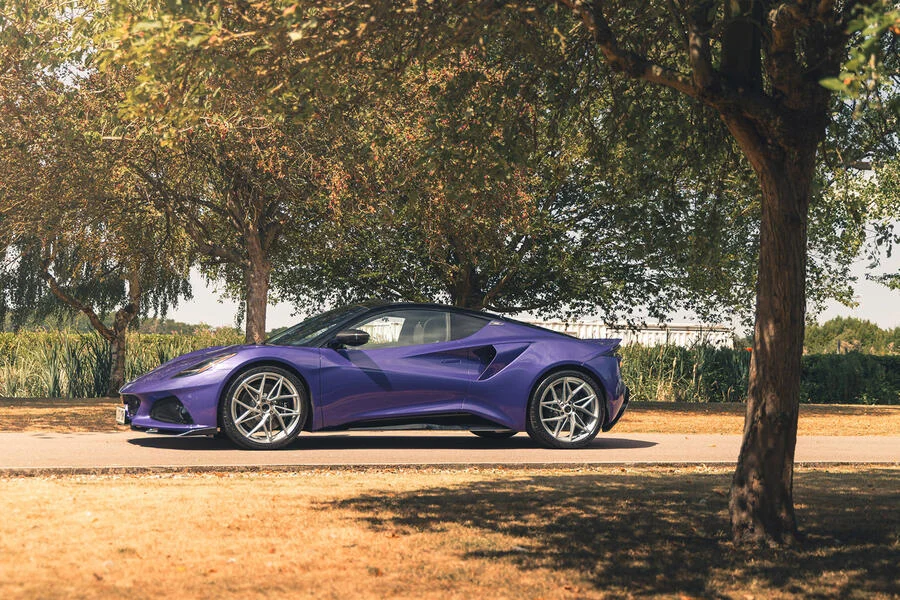
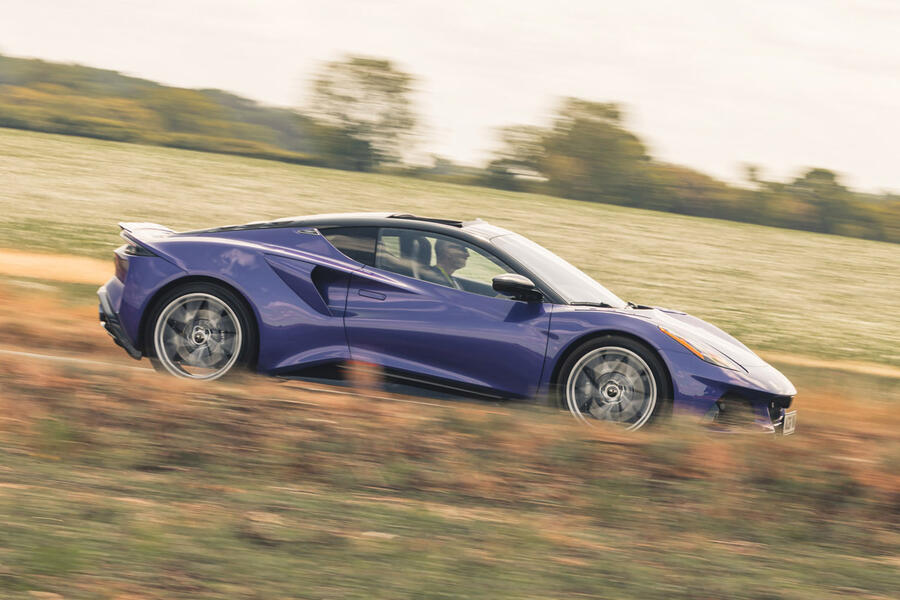
The Lotus Emira 420 Sport represents a significant technical milestone for the Norfolk-based manufacturer, serving as a high-performance refinement of the brand’s final internal combustion engine (ICE) platform. This new variant introduces a suite of mechanical and software enhancements designed to bridge the gap between the standard four-cylinder Emira and the more track-focused iterations of the past. Central to this update is a recalibrated powertrain and a sophisticated suspension overhaul that leverages high-end motorsport technology to sharpen the car’s dynamic profile. While the Emira has already established itself as a successor to the Evora, Exige, and Elise, the 420 Sport aims to perfect the formula of the mid-engine daily supercar by blending everyday usability with the raw tactile feedback for which Lotus is globally renowned.
Engineering the Powertrain: The AMG M139 Calibration
The heart of the Emira 420 Sport is the familiar 2.0-litre turbocharged four-cylinder engine, sourced through a technical partnership with Mercedes-AMG. In its standard configuration, this M139 unit is recognized as one of the most powerful series-production four-cylinder engines in the world. However, for the 420 Sport, Lotus engineers have implemented a proprietary "software tickle" to extract further performance. The result of this electronic optimization is a peak power output of 416bhp and 369lb ft of torque.
These figures represent a notable increase of 16bhp and 15lb ft over the recently introduced Emira Turbo SE. The power delivery is managed via an eight-speed dual-clutch transmission (DCT), which has been programmed to align with the more aggressive character of the 420 Sport. This incremental increase in output is not merely about top-speed statistics; it is intended to enhance the mid-range urgency of the vehicle, allowing for more decisive exits from corners and a more commanding presence on the open road. Despite the impressive peak figures, the engine maintains its Euro 6d emissions compliance, reflecting the modern requirements of high-performance engineering.
Advanced Chassis Dynamics and the Lightweight Handling Pack
While the engine provides the propulsion, the true character of the Emira 420 Sport is defined by its chassis. As standard, the vehicle features a bespoke suspension setup utilizing Bilstein dampers, with a ride height that has been lowered by 5mm compared to the base model. This lower center of gravity reduces body roll and improves the car’s aerodynamic efficiency at high speeds.
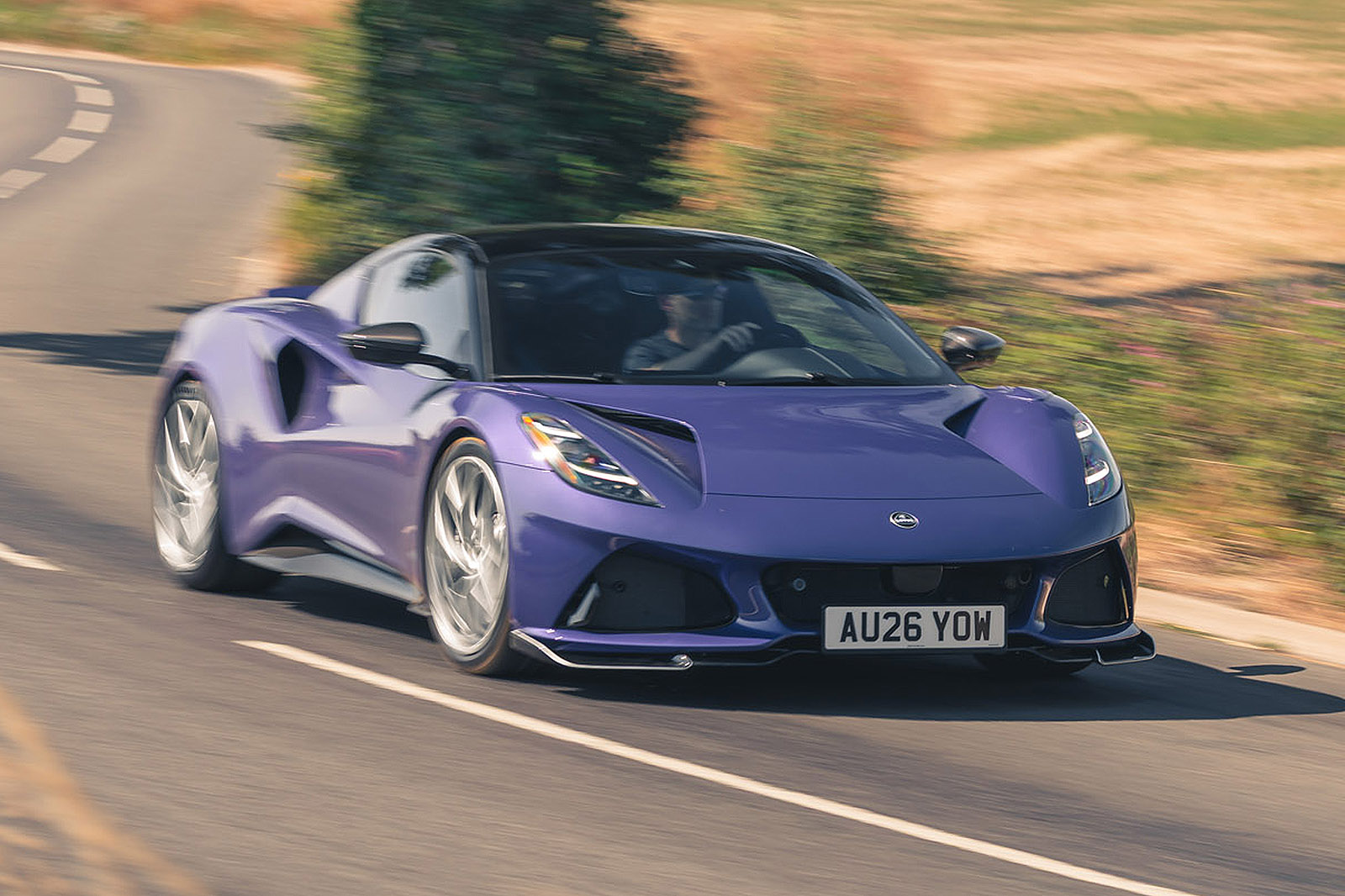
However, the most significant performance gains are found in the optional Lightweight Handling Pack. This package is designed for the discerning enthusiast and offers a total weight reduction of 25kg. This mass reduction is achieved through the integration of several high-performance components:
- Titanium Exhaust System: Not only does this reduce weight at the rear of the car, but it also improves thermal management and provides a more evocative acoustic signature.
- Lithium-Ion Battery: A motorsport-derived power cell that replaces the heavier traditional lead-acid unit.
- Carbon Fiber Louvred Engine Cover: This component replaces the standard glass or plastic assembly, shedding grams while improving heat extraction from the mid-mounted engine bay.
The centerpiece of the Lightweight Handling Pack is the inclusion of Multimatic dampers featuring advanced spool valve technology. These dampers offer 11 distinct clicks of manual adjustment, allowing drivers to fine-tune the compression and rebound characteristics to suit specific track conditions or road surfaces. Spool valve technology, often found in Formula 1 and high-end GT racing, provides a level of damping precision and consistency that traditional shim-stack dampers cannot match.
Interior Refinements and Driver Interface
The cabin of the Emira 420 Sport retains the driver-centric "wraparound" architecture of the original design but introduces several key updates to enhance the tactile experience. The interior is finished with bespoke trim materials that distinguish the 420 Sport from its siblings, offering a blend of Alcantara and high-quality leather.
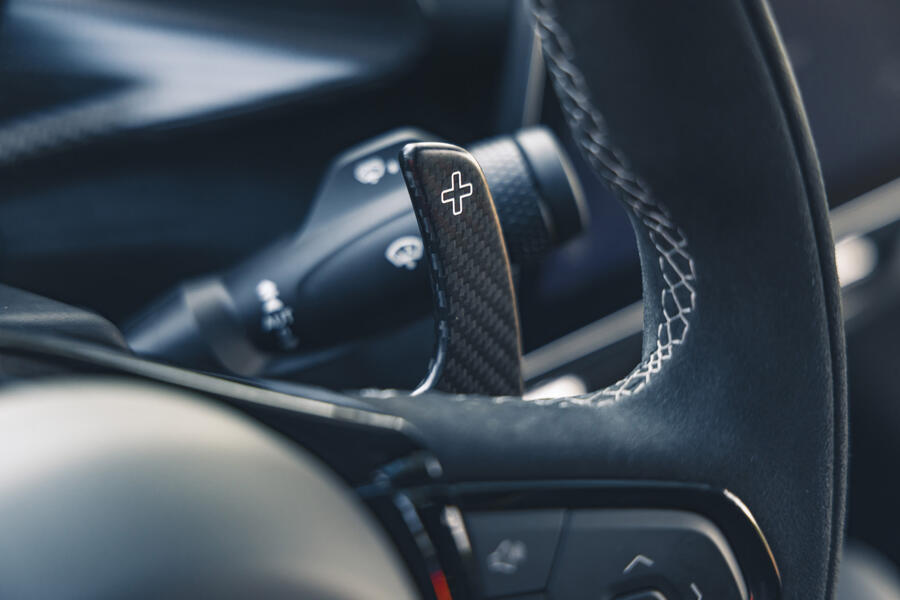
A primary point of interaction for the driver is the new, elongated carbon fiber gearshift paddles. These paddles are not merely aesthetic; they have been engineered to provide a more positive, mechanical "click-clack" action, ensuring that every manual intervention in the DCT’s logic is met with immediate and satisfying feedback. This focus on "haptics" is a direct response to customer feedback seeking a more connected feel in an increasingly digital automotive landscape. Furthermore, the 420 Sport introduces a new removable glass roof panel. This feature allows for an open-air driving experience without the weight or complexity of a folding convertible mechanism; the panel can be removed in seconds and stored securely behind the seats.
Track Performance and Road Manners at Hethel
Extensive testing at the Hethel test track has revealed the Emira 420 Sport to be a formidable circuit machine. When the Multimatic dampers are dialed to a stiffer setting (such as level nine), the car exhibits exceptional body control, cornering flatly while maintaining enough suspension travel to communicate the limits of grip to the driver. The steering remains a highlight of the package; Lotus has famously retained a hydraulically assisted rack, which offers a level of weight and "talkative" feedback that modern electric power steering systems often lack.
On the track, the 420 Sport feels noticeably sharper than the standard Emira. It allows the driver to explore the limits of the optional Michelin Cup 2 tires with confidence. The car’s balance is described as "approachable," meaning it does not penalize the driver for minor errors but instead encourages a progressive exploration of its handling limits.
On public roads, the 420 Sport demonstrates the versatility of the Lotus DNA. Even with the dampers set to a more compliant level (such as level five), the ride is firm but never harsh. It possesses the rare ability to absorb mid-corner bumps without upsetting the chassis’ line—a trait essential for high-speed confidence on undulating B-roads. The brakes are powerful and progressive under heavy load, though they require a delicate touch during low-speed urban maneuvers, as they are tuned primarily for high-performance deceleration.
Chronology and Context: The Evolution of the Emira
The Lotus Emira was first unveiled in July 2021 as a replacement for the aging Evora. It was positioned as a "game-changer" for Lotus, representing the first model developed under the full ownership of Geely. The initial launch featured the 3.5-litre supercharged V6 engine sourced from Toyota, followed later by the 2.0-litre AMG four-cylinder variant.
The introduction of the 420 Sport in 2024/2025 marks the third major phase of the Emira’s lifecycle. It serves as a response to a competitive landscape that includes the Porsche 718 Cayman GTS 4.0 and the Alpine A110 R. As Lotus moves toward a fully electric future with models like the Eletre SUV and the Emeya sedan, the Emira 420 Sport is positioned as a "last hurrah" for the brand’s traditional mid-engine sports car heritage.
Analysis of Implications for the Lotus Brand
The release of the 420 Sport is a strategic move for Lotus as it seeks to maintain its enthusiast base while transitioning into a global luxury EV brand. By offering a highly adjustable, track-capable version of the Emira, Lotus reinforces its credentials as a leader in chassis engineering.
However, the 420 Sport also highlights the inherent challenges of modern performance car development. While the chassis is world-class, the reliance on a third-party turbocharged engine means that some of the "instantaneous" throttle response found in old naturally aspirated Lotus models is replaced by a slight degree of turbo lag. The "characterless" nature of a high-output four-cylinder, compared to a traditional V6 or V8, remains a point of contention for purists, despite the objective speed and efficiency of the AMG unit.
Industry Reaction and Market Positioning
Market analysts suggest that the Emira 420 Sport will be a highly sought-after variant for collectors and track-day enthusiasts. By integrating Multimatic technology—a name associated with the Ford GT and Ferrari Purosangue—Lotus is elevating the Emira’s status into the upper echelons of the sports car market.
Official statements from Lotus engineering teams emphasize that the 420 Sport is about "the purity of the connection." By focusing on weight reduction and damping precision rather than just raw horsepower, Lotus is adhering to the philosophy of its founder, Colin Chapman: "Simplify, then add lightness." The 420 Sport is expected to command a premium over the standard Turbo SE, reflecting its higher specification and more advanced suspension hardware.
Conclusion: The Final ICE Masterpiece
The Lotus Emira 420 Sport is a testament to the brand’s ability to refine and perfect a platform. It addresses the desire for more power and a more focused driving experience while maintaining the aesthetic elegance of the original Emira design. As the automotive industry pivots toward electrification, the 420 Sport stands as a sophisticated, mechanical, and deeply tactile reminder of why the mid-engine, internal combustion sports car has captivated drivers for decades. With its advanced spool valve dampers and optimized AMG powertrain, it secures its place as one of the most capable and engaging driver’s cars in its class, ensuring that the final chapter of the Lotus ICE story ends on a high note.