



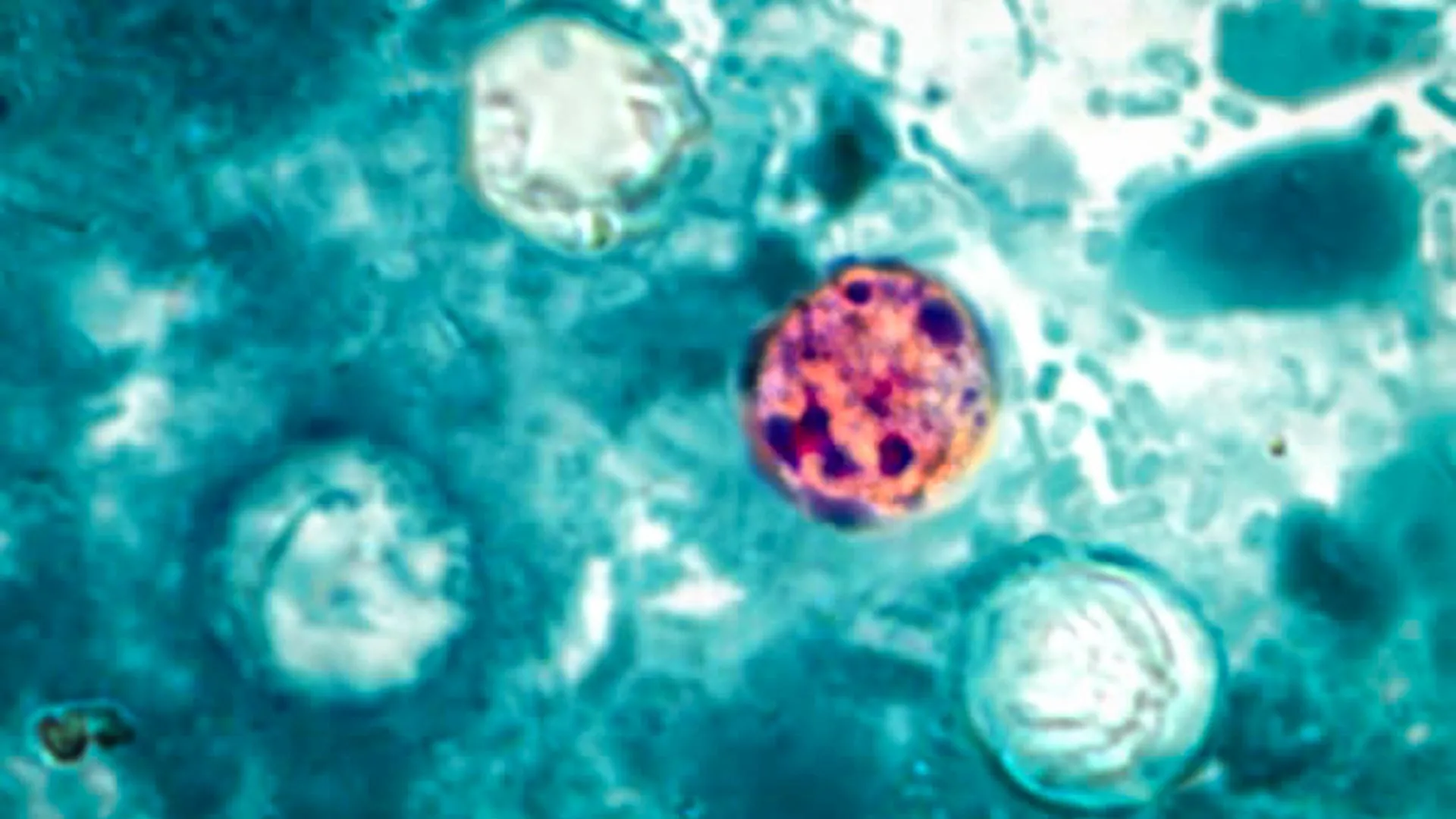
Federal and state health authorities are engaged in an intensive investigation into a burgeoning outbreak of cyclosporiasis affecting several Midwestern states and potentially extending its reach across the United States. The U.S. Centers for Disease Control and Prevention (CDC), in collaboration with the Food and Drug Administration (FDA) and numerous state health departments, is diligently working to pinpoint the source of the parasitic illness. As of July 13, over 400 confirmed cases have been reported, with officials warning that the actual number of infections could be significantly higher due to unreported illnesses and delays in case confirmation.
Emerging Outbreak and Initial Findings
The current cyclosporiasis outbreak gained significant attention after a notable increase in cases began around the start of May. Public health officials are employing detailed epidemiological methods, including in-depth interviews with affected individuals, to reconstruct their dietary histories in the weeks preceding symptom onset. These interviews are crucial for identifying common food exposures that could link disparate cases and point toward a common contaminated source. However, investigators have yet to confirm a specific food item responsible for the widespread transmission. The ongoing nature of the investigation underscores the complexity of tracing foodborne illnesses, particularly those linked to fresh produce, which can be distributed widely and consumed by numerous individuals before an outbreak is identified.
The states currently reporting the highest concentration of confirmed cases are Michigan, Ohio, West Virginia, and Kentucky. Individuals linked to this multistate outbreak reported falling ill on or after June 22, 2026, indicating a relatively recent emergence of the contaminated food or product. The CDC’s epidemiological surveillance systems are actively monitoring for additional clusters of illness, suggesting that the scope of the outbreak may expand as more data is collected and analyzed.
Understanding Cyclosporiasis and Its Impact
Cyclosporiasis is an intestinal illness caused by the microscopic parasite Cyclospora cayetanensis. This parasite is typically transmitted to humans through contaminated food or water. The primary mode of transmission is the ingestion of food contaminated with the feces of an infected person or animal. While many infected individuals experience mild to moderate symptoms and recover without specific medical intervention, the illness can pose a serious threat to some, leading to severe gastrointestinal distress, dehydration, and potentially requiring hospitalization.
Symptoms of cyclosporiasis typically manifest approximately one week after infection, though the incubation period can range from two days to over two weeks. Common signs include watery diarrhea, loss of appetite, stomach cramps, bloating, gas, nausea, fatigue, and vomiting. In some cases, individuals may also experience fever. Without treatment, symptoms can persist for weeks or even months, significantly impacting an individual’s quality of life and ability to work or engage in daily activities.
The CDC emphasizes the importance of prompt medical attention for anyone experiencing symptoms suggestive of cyclosporiasis. Early diagnosis and appropriate treatment, usually with antibiotics, can alleviate symptoms and prevent prolonged illness.
Data Collection and Investigative Efforts
The collaborative effort to unravel this outbreak involves a multi-pronged approach to data collection and analysis. The CDC, alongside state public health agencies and the FDA, is meticulously reviewing a wide array of information. This includes detailed patient demographics, reported symptoms, geographic distribution of cases, and, critically, comprehensive food consumption histories. By analyzing these datasets, investigators aim to identify commonalities in dietary patterns among infected individuals, which can serve as critical clues in tracing the outbreak back to its origin.
The process of identifying the source is often intricate. Food items associated with Cyclospora outbreaks are frequently fresh fruits and vegetables. These products can be cultivated, harvested, processed, and distributed through complex supply chains that span multiple countries and involve numerous handlers. Contamination can occur at various points in this chain, from agricultural fields to processing facilities or even during retail handling.
The CDC’s reporting system, which tracks confirmed cases, is a vital tool in this investigation. However, health officials acknowledge that the reported case count of over 400 is likely an underestimate of the true number of infections. Several factors contribute to this discrepancy:
- Undiagnosed Infections: Not all individuals who contract cyclosporiasis seek medical attention, and therefore, their infections may go undiagnosed and unreported.
- Testing Delays: Even when medical care is sought, laboratory confirmation of Cyclospora can take time. The process of collecting samples, submitting them to laboratories, and receiving results can introduce delays, meaning recent illnesses may not yet be reflected in the official statistics.
- Asymptomatic or Mild Cases: Some individuals may experience very mild symptoms that are attributed to other common gastrointestinal ailments, or they may recover spontaneously without realizing they had a Cyclospora infection.
To mitigate these limitations and enhance the accuracy of their findings, health agencies are employing advanced epidemiological techniques. Detailed questionnaires are administered to patients to gather information not only on food consumption but also on travel history, water sources, and other potential exposures. This comprehensive approach helps to cast a wider net and identify less obvious links that might otherwise be missed.
Timeline and Historical Context of Cyclosporiasis Outbreaks
Cyclosporiasis outbreaks are not new to the United States. The CDC has documented numerous outbreaks linked to various fresh produce items over the past two decades. Historically, fresh herbs, berries (such as raspberries and blackberries), and certain salad mixes have been implicated in prior Cyclospora outbreaks. Understanding these historical patterns provides valuable context for the current investigation. For instance, the seasonality of certain produce items and their typical points of origin can help narrow down the potential list of implicated foods.
The current outbreak, with reported illnesses starting around June 22, 2026, suggests a potential link to produce that was in season and widely consumed during late spring and early summer. The fact that cases are concentrated in the Midwest might indicate that the contaminated product was distributed regionally, or it could be a reflection of reporting patterns and the presence of state-level public health resources dedicated to outbreak investigation.
The increasing frequency and scale of cyclosporiasis outbreaks in recent years have raised concerns among public health officials and food safety experts. This trend is often attributed to the globalization of food supply chains, which can make tracing contaminated products more challenging, and potentially to evolving agricultural practices or environmental factors that may favor the parasite’s survival or transmission.
Official Responses and Public Health Guidance
In response to the escalating situation, the CDC and its partner agencies have issued clear guidance for both the public and healthcare providers.
For the general public, the primary recommendation is to remain vigilant and aware of the symptoms of cyclosporiasis. If symptoms develop, individuals are strongly advised to contact a healthcare provider for diagnosis and treatment. Furthermore, the CDC encourages consumers to stay informed about ongoing food recalls and outbreak alerts through official channels. Preventive measures, such as thorough washing of fruits and vegetables, are always recommended, although this may not always eliminate the risk of Cyclospora contamination, as the parasite can be internalized within the produce.
Healthcare providers play a critical role in early detection and reporting. They are urged to maintain a high index of suspicion for cyclosporiasis in patients presenting with prolonged diarrhea and to promptly report any suspected cases to their local health departments. The CDC provides comprehensive clinical guidance for healthcare professionals, including information on diagnosis, treatment protocols, and patient management strategies. This ensures a standardized approach to care across different healthcare settings.
The FDA, as a key regulatory partner, is instrumental in investigating the safety of the food supply. Their role often involves inspecting food processing facilities, reviewing traceback data to identify the origin of contaminated ingredients, and collaborating with international regulatory bodies if the implicated food product has international origins. The collaborative nature of these investigations is essential, given the complex, often cross-border, supply chains for fresh produce.
Broader Implications and Future Considerations
The ongoing cyclosporiasis outbreak highlights several broader implications for public health and the food industry:
- Supply Chain Vulnerability: The interconnectedness of global food systems, while offering benefits in terms of variety and availability, also presents inherent vulnerabilities to the rapid spread of foodborne illnesses. Identifying and mitigating risks within these complex supply chains remains a significant challenge.
- Consumer Confidence: Repeated outbreaks of foodborne illnesses can erode consumer confidence in the safety of the food supply. Transparency and rapid, effective communication from health agencies and the food industry are crucial for maintaining public trust.
- Resource Allocation: Investigating and controlling foodborne outbreaks requires significant resources, including trained personnel, laboratory capacity, and sophisticated surveillance systems. Continued investment in these areas is essential for protecting public health.
- International Cooperation: Many fresh produce items consumed in the U.S. are imported. Effective outbreak investigations and prevention strategies necessitate robust cooperation with international food safety agencies and governments.
The current investigation is expected to continue for several more weeks, if not months, as investigators meticulously piece together the epidemiological puzzle. The ultimate goal is not only to identify the specific food vehicle responsible for the current outbreak but also to implement measures that can prevent similar events from occurring in the future. This may involve enhanced surveillance at production sites, improved sanitation practices, and more targeted import controls, depending on the confirmed origin and mode of contamination. The public will be kept informed as new information becomes available through official CDC and FDA channels.