


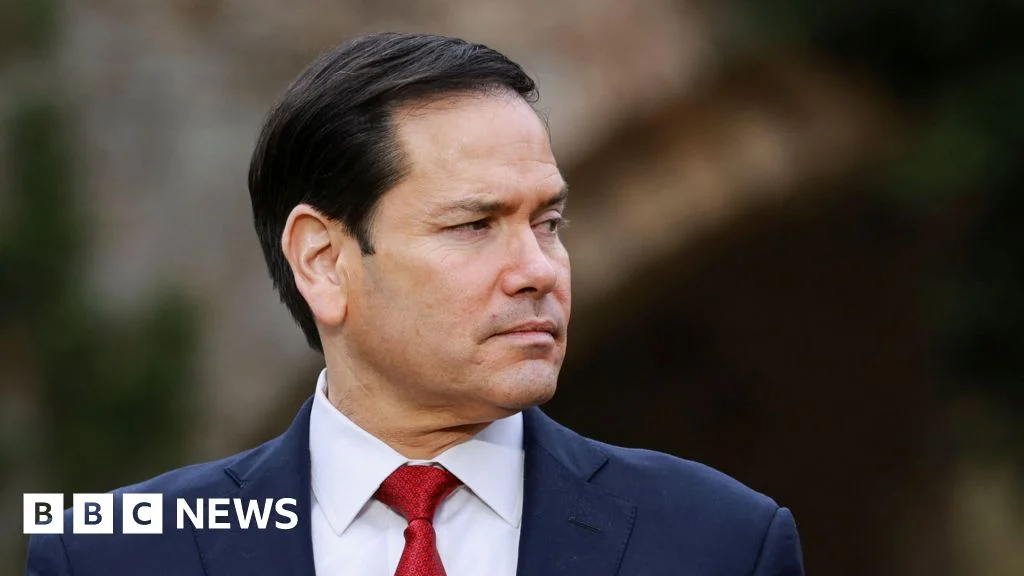
US Secretary of State Marco Rubio declared today that American military operations in Iran are expected to conclude within the "next couple of weeks," signaling an accelerated timeline for the contentious engagement. Speaking from France at the close of a G7 foreign ministers’ meeting, Rubio asserted that the objectives of the operation were being achieved ahead of schedule. This announcement comes as the region grapples with escalating tensions, notably the closure of the strategically vital Strait of Hormuz by Iran and a growing humanitarian crisis.
Accelerated Timeline for US Operations
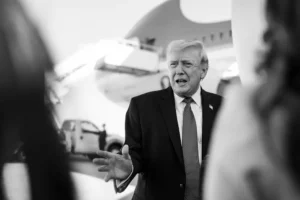
Secretary Rubio’s remarks align with, yet refine, previous projections from President Donald Trump and other senior US officials who had initially estimated the operations would last between four and seven weeks. As the fourth week of the conflict draws to a close, Rubio’s updated timeframe suggests a concentrated effort to achieve military goals swiftly. The conflict, which commenced on February 28 with joint US and Israeli military actions, has seen significant developments, including the reported deaths of several high-ranking Iranian leaders. Rubio also indicated that the United States is deploying additional troops to the region, providing President Trump with expanded operational flexibility as the campaign progresses towards its anticipated conclusion. This strategic reinforcement, even in the face of an impending withdrawal, underscores the complex and volatile nature of the theater of operations.
The stated success and ahead-of-schedule progress come amidst a backdrop of intense military activity and a shifting power dynamic within Iran. The targeting of key leadership figures is understood by analysts as a tactic to cripple command and control structures, potentially accelerating the collapse or weakening of the regime. However, such actions also raise concerns about power vacuums and the potential for prolonged instability, complicating any post-conflict transition.
The Strait of Hormuz: A Global Chokepoint Under Threat
A central point of discussion at the G7 meeting was the critical issue of maritime navigation through the Strait of Hormuz. In retaliation for the ongoing military campaign, Iran has effectively closed the strait, a narrow waterway through which approximately 20% of the world’s oil and a substantial portion of its liquefied natural gas (LNG) shipments typically pass. The G7 foreign ministers, in a unified statement following their deliberations, underscored "the absolute necessity to permanently restore safe and toll free freedom of navigation in the Strait of Hormuz." Secretary Rubio clarified that Iran’s actions included a threat to levy a fee on passing vessels, a move that the international community views as a grave violation of international maritime law and freedom of passage.
The implications of the strait’s closure have been immediate and severe. Global oil prices have skyrocketed since the blockage, sending ripples of concern through international financial markets. Analysts warn that a prolonged interruption of shipping through this vital chokepoint could trigger a severe contraction in the economies of numerous countries worldwide, leading to higher energy costs for consumers, increased inflation, and potentially a global recession. The economic fallout extends beyond direct energy costs, impacting supply chains, manufacturing, and trade reliant on stable and affordable fuel.
International Responses and Coalition Building
The crisis in the Strait of Hormuz has also exposed divisions within Western alliances. While the G7 ministers collectively condemned Iran’s actions, the response to President Trump’s call for allied naval vessels to escort commercial shipping through the strait has been mixed. Most G7 countries, with the notable exception of Japan, are members of the North Atlantic Treaty Organization (NATO). However, NATO allies have, thus far, resisted Trump’s request, arguing that ending the underlying conflict in Iran is the most effective and sustainable way to ensure freedom of navigation. This divergence highlights a strategic difference, with the US favoring a direct military deterrence approach and allies prioritizing de-escalation and a political resolution to the broader conflict.
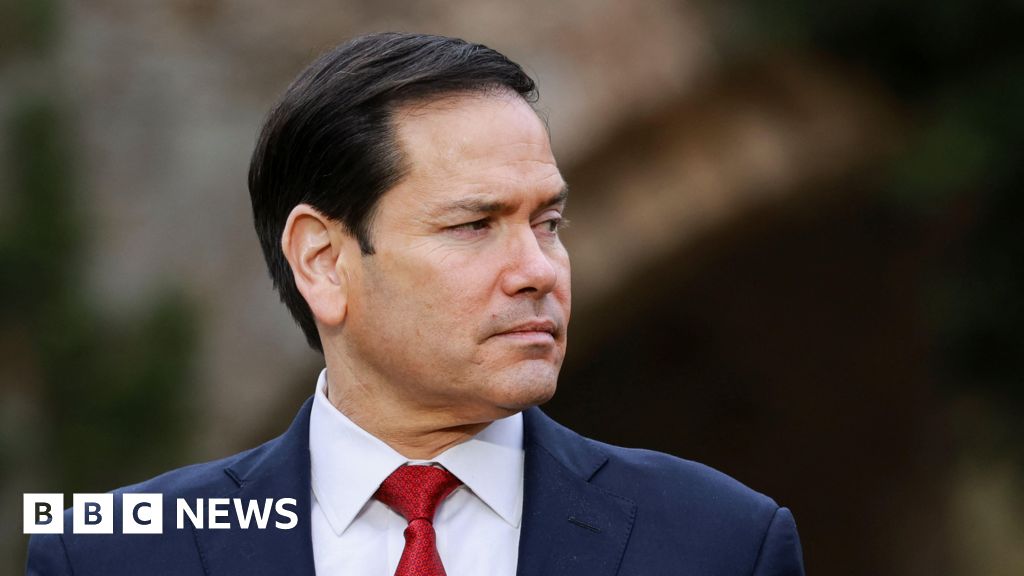
Despite this initial reluctance from some NATO members, Secretary Rubio indicated that the United Kingdom is spearheading efforts to build a broader coalition specifically aimed at ensuring the strait remains open and secure. This future coalition, Rubio emphasized, would be crucial for the period following the cessation of US military operations. The formation of such a maritime security initiative would represent a significant multinational commitment to safeguarding global trade routes and upholding international law. Rubio also highlighted that US allies, particularly those in Europe and Asia heavily reliant on Middle Eastern energy supplies, would suffer disproportionately more than the United States if Iran’s threat to restrict access to the strait were to persist.
Humanitarian Concerns and Civilian Protection
Beyond the military and economic dimensions, the G7 communique also addressed the escalating humanitarian crisis stemming from the conflict. The foreign ministers called for "an immediate cessation of attacks on civilians and civilian infrastructure," unequivocally stating that "there can be no justification for the deliberate targeting of civilians in situations of armed conflict as well as attacks on diplomatic facilities." While the statement refrained from naming specific belligerents, its message was widely interpreted as a strong rebuke of Iran’s actions.
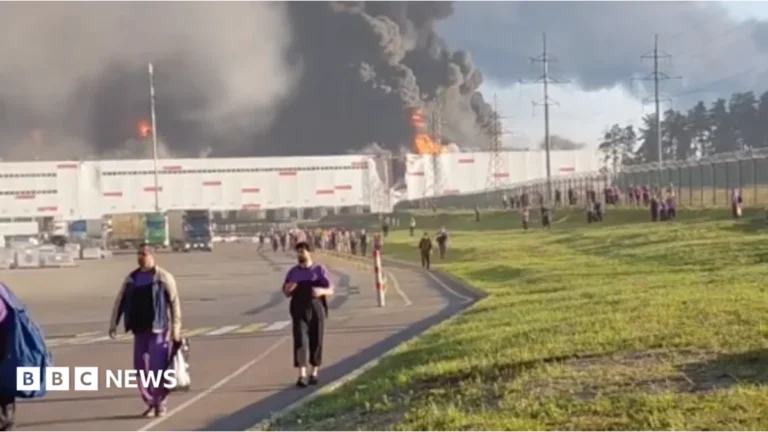
Since the war began, Iran has engaged in retaliatory strikes that have reportedly targeted civilian populations and vital infrastructure across the region. These attacks have included launching drones and missiles towards Israel and several Arab Gulf countries, many of which host US military bases and maintain alliances with Washington. Specific targets have reportedly included civilian airports, residential areas, US embassies, and crucial energy installations in a region that plays an outsized role in global oil and gas production. These actions not only compound the humanitarian suffering but also risk drawing more regional actors into the conflict, potentially destabilizing an already fragile Middle East. The deliberate targeting of non-military sites represents a grave violation of international humanitarian law, particularly the principles of distinction and proportionality, which mandate that parties to a conflict must distinguish between combatants and civilians and ensure that attacks do not cause disproportionate harm to civilians or civilian objects.
Diplomatic Vacuum and Future Prospects for Peace
Secretary Rubio also touched upon the complex issue of potential peace talks, noting President Trump’s assertion that Iran desires negotiations – a claim vehemently denied by Tehran. Rubio expressed uncertainty regarding "who was left to represent the country" in any such discussions, given the reported deaths of several top Iranian leaders since the US and Israel initiated the conflict. This leadership vacuum complicates prospects for a diplomatic resolution, as the stability and legitimacy of any remaining Iranian leadership to negotiate on behalf of the nation become questionable. The absence of clear, authoritative interlocutors could prolong the conflict or hinder effective post-conflict stabilization efforts.
The historical context of US-Iran relations, marked by decades of mistrust, sanctions, and proxy conflicts, further complicates any path to peace. The 2018 US withdrawal from the Joint Comprehensive Plan of Action (JCPOA), commonly known as the Iran nuclear deal, and the subsequent "maximum pressure" campaign, significantly deteriorated diplomatic ties and set the stage for the current escalation. While the prospect of immediate peace talks appears dim, the G7’s focus on restoring stability and protecting civilians signals a broader international desire for a de-escalation of the conflict.
Broader Regional Implications and Strategic Shifts
The conflict in Iran and the ensuing regional instability carry profound implications for the geopolitical landscape of the Middle East and beyond. The US military presence and its alliances with Gulf countries, coupled with Israel’s direct involvement, underscore the deeply intertwined nature of regional security. The ongoing hostilities threaten to reshape existing power balances, potentially leading to new alliances or deepening existing rivalries. The deployment of additional US troops to the area, even as a withdrawal is announced, reflects a strategic balancing act aimed at maintaining leverage and deterrence during a critical transitional phase.
Experts suggest that the conclusion of major US operations will usher in a new phase for Iran and the region. The immediate challenges will include managing a potential humanitarian crisis, addressing the political void left by leadership losses, and navigating the complexities of post-conflict reconstruction. For the international community, ensuring the unimpeded flow of global energy supplies through the Strait of Hormuz will remain a paramount concern, alongside efforts to prevent further regional escalation. The G7’s unified stance on humanitarian protection and maritime freedom, despite tactical disagreements on military responses, highlights a collective understanding of the far-reaching consequences of continued instability in this vital part of the world. The coming weeks will be crucial in determining the immediate future of Iran and the long-term trajectory of security in the Middle East.