


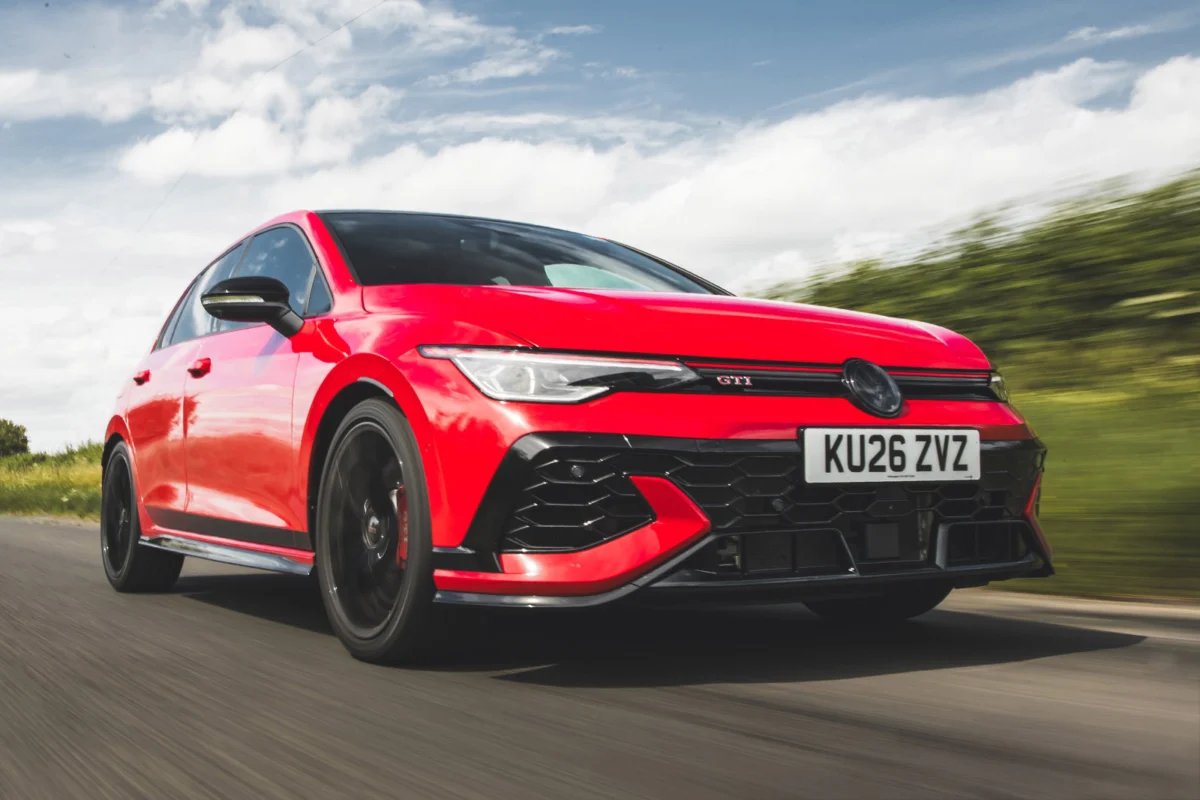
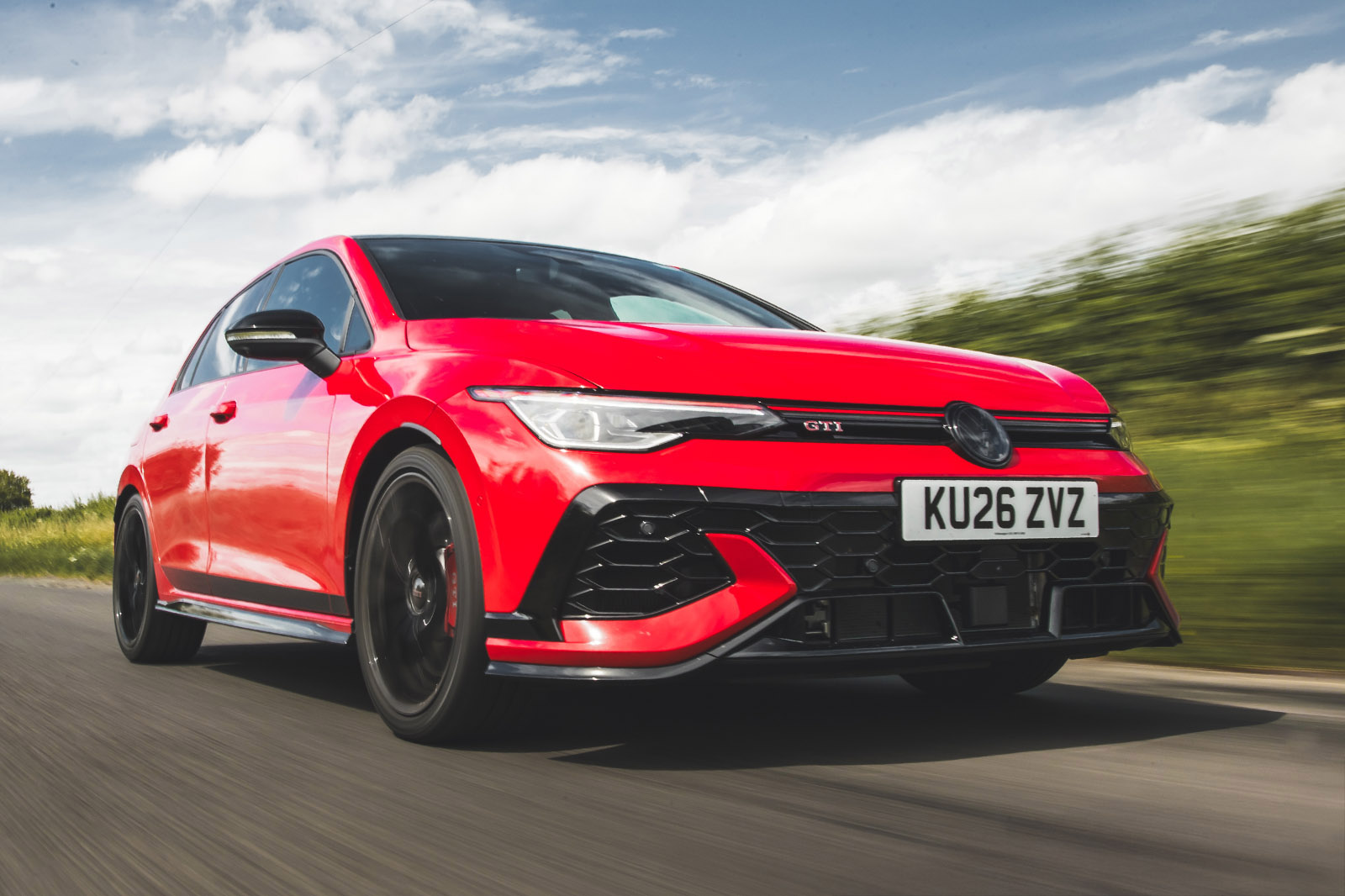
The Volkswagen Golf GTI Edition 50 arrives as a high-performance celebration of five decades of the world’s most recognized hot hatchback, entering the market with a starting price of £48,075 and a technical specification designed to bridge the gap between daily usability and track-focused capability. As the flagship of the front-wheel-drive Golf range, the Edition 50 is positioned not merely as a cosmetic exercise but as a sophisticated evolution of the GTI formula, utilizing the latest Mk8.5 architecture to deliver the highest power-to-weight ratio currently available in a Golf. While its arrival has sparked comparisons to the legendary Mk7 GTI Clubsport S, the Edition 50 follows a distinct philosophy, prioritizing a broader range of performance that retains rear seats and a dual-clutch transmission, signaling a shift in how Volkswagen approaches its limited-run anniversary models in an increasingly digital and automated era.
A Half-Century of Performance: The GTI Chronology
The debut of the Edition 50 marks a significant milestone in a timeline that began in 1974 with the launch of the original Golf, followed by the first GTI in 1976. Over the subsequent fifty years, the GTI badge has become synonymous with the "everyman" performance car, evolving through eight distinct generations. The tradition of anniversary editions began in earnest with the Edition 20 in 1996, followed by the Edition 25, the highly praised Edition 30 in 2006, and the Edition 35 in 2011.
The benchmark for modern anniversary GTIs was set in 2016 with the Edition 40, also known as the Clubsport, and its more extreme sibling, the Clubsport S. The latter remains a point of reference for enthusiasts due to its two-seat configuration, manual gearbox, and Nürburgring lap records. The Edition 45 followed in 2021, introducing more aggressive styling and Akrapovič exhaust systems. The Edition 50, therefore, enters a lineage defined by high expectations, tasked with honoring the heritage of the manual-driven past while embracing the technological refinements of the Mk8.5 facelift, which includes revised software, improved interior ergonomics, and a more potent iteration of the EA888 power plant.
Technical Specifications and Powertrain Engineering
At the heart of the Edition 50 is the fourth-generation EA888 engine, specifically designated as the "Evo4 LK3." This 2.0-liter turbocharged four-cylinder unit has been tuned to produce 321bhp, a significant increase over the standard GTI’s output. Torque is rated at 310lb ft, providing a broad and accessible power band that is managed through a seven-speed dual-clutch automatic gearbox (DSG). Notably, the Edition 50 is not offered with a manual transmission, reflecting Volkswagen’s broader strategy to phase out three-pedal configurations in favor of the faster-shifting and more efficient DSG systems.
The power is delivered to the front wheels via a sophisticated traction management suite. This includes the XDS+ electronic differential lock, which utilizes brake-based torque vectoring to reduce understeer, and the VAQ (Vorderachsquersperre) electronically controlled, clutch-based limited-slip differential. The VAQ system is particularly critical in the Edition 50, as it can vary the amount of torque sent to each front wheel by locking one driveshaft to the differential gear carrier, effectively mimicking a mechanical LSD without the associated harshness in daily driving.
When equipped with the optional Performance Package, the Edition 50 achieves a power-to-weight ratio of 222bhp per tonne. This figure surpasses even the flagship four-wheel-drive Golf R, despite the R’s higher peak output of 329bhp. The weight reduction is a key component of the Edition 50’s appeal; in independent testing, a fully fueled Edition 50 with the Performance Package weighed in at 1,419kg, which is approximately 26kg lighter than the standard Edition 50 specification.
The Performance Package: Chassis and Dynamics
While the base Edition 50 provides a formidable platform, the optional Performance Package introduces a series of mechanical enhancements designed for high-speed stability and circuit performance. This package lowers the vehicle’s ride height by 5mm compared to the standard GTI Clubsport and introduces a bespoke tune for the DCC Pro (Dynamic Chassis Control) adaptive dampers. These dampers feature a twin-valve design that allows for independent control of rebound and compression, providing a wider range of adjustment between comfort and track-focused stiffness.
The chassis geometry has been significantly revised for the Edition 50. Engineers have dialed in more negative camber at the front axle through the use of unique wheel carriers, which improves lateral grip during hard cornering. Additionally, the Performance Package includes:
- Stiffer Top Mounts: Enhanced strut mounts to improve steering precision and feedback.
- Revised Bushings: Stiffer front-axle lower wishbone bushings to minimize toe and camber changes under load.
- Rear Axle Reinforcement: A more secure inboard mounting for the multi-link rear axle’s lower transverse link, facilitating better lateral wheel control.
- Titanium Exhaust System: A part-titanium lightweight exhaust that reduces rear-end weight and provides a more distinctive acoustic profile.
- Special Nürburgring Mode: A specific calibration for the DCC, steering, and powertrain optimized for the undulating and bumpy surface of the Nordschleife.
The inclusion of "hardcore" performance tires—often semi-slick or high-performance summer compounds—further distinguishes the Edition 50 from the standard GTI, providing the mechanical grip necessary to utilize the increased negative camber and revised damper rates.
Interior Refinement and Daily Usability
One of the primary criticisms of the previous "S" designated anniversary models was their lack of practicality, specifically the removal of rear seats to save weight. Volkswagen has opted for a different approach with the Edition 50, retaining the full five-seat configuration. This decision reflects a market reality where buyers at the £48,000 price point often demand a vehicle that can serve as a primary family car while offering weekend performance capabilities.
The interior benefits from the Mk8.5 updates, which include a new infotainment system featuring a larger screen and a more intuitive user interface. The touch-sensitive sliders for volume and temperature are now illuminated, addressing a major point of contention in the original Mk8 design. Inside the cabin, the Edition 50 features model-specific branding, including "50" badging on the steering wheel and door sills, alongside the traditional GTI honeycomb patterns and red stitching. While some enthusiasts may find the "go-faster" exterior decals and stickers polarizing, the interior remains a blend of premium materials and functional ergonomics.
Comparative Market Analysis and Pricing
The £48,075 asking price places the Edition 50 in a competitive and crowded segment of the performance car market. It sits significantly higher than the standard GTI and even surpasses the starting price of the four-wheel-drive Golf R. This positioning suggests that Volkswagen is targeting collectors and "track day" enthusiasts who value the purity of a high-output front-wheel-drive setup over the all-weather traction of the R.
When compared to rivals such as the Honda Civic Type R, the Edition 50 offers a more "grown-up" aesthetic and a more sophisticated interior, though it may lack the raw, mechanical engagement of the Honda’s manual gearbox. Compared to premium offerings like the BMW M135i or the Audi S3, the Golf GTI Edition 50 leans more heavily into its "Ring raider" status, offering a more specialized chassis setup at the expense of the prestige associated with those luxury marques.
The data suggests that the Edition 50 is a niche product within the Golf lineup. While the Golf R remains the sales leader for those seeking outright speed, the Edition 50 serves as a halo model for the GTI sub-brand, proving that the front-wheel-drive platform still has room for engineering growth.
Industry Implications and the Future of the GTI
The release of the Edition 50 comes at a pivotal time for Volkswagen as the company navigates the transition to electric mobility. Executives have confirmed that the "GTI" and "Golf" names will persist into the electric era, but the Edition 50 represents one of the final iterations of the pure internal combustion GTI. The refinement of the EA888 engine to 321bhp shows the limit of what can be reliably achieved with the current 2.0-liter architecture while meeting stringent emissions standards.
From an engineering perspective, the Edition 50 is a masterclass in detail engineering. The focus on bushing stiffness, camber angles, and damper software indicates that Volkswagen is prioritizing "finesse" over "brute force." This approach is likely a response to the increasing weight of modern cars; as vehicles become heavier due to safety tech and luxury features, the importance of precise chassis control becomes paramount to maintaining the "hot hatch" feel.
The Edition 50 also serves as a testbed for software-integrated performance. The "Special Nürburgring" mode is not just a marketing gimmick but a complex integration of the DCC Pro system, the VAQ differential, and the DSG shift logic. This level of integration is expected to carry over into future performance EVs, where software will play an even larger role in defining driving dynamics.
Conclusion
The Volkswagen Golf GTI Edition 50 is a calculated tribute to a legendary nameplate. It does not attempt to replicate the uncompromising, stripped-out nature of the Mk7 Clubsport S, but instead offers a highly engineered, technically advanced interpretation of what a modern performance hatchback should be. With its 321bhp output, sophisticated VAQ differential, and the extensive mechanical revisions provided by the Performance Package, it stands as the most capable front-wheel-drive Golf ever produced. While the price point and the lack of a manual gearbox may alienate some purists, the Edition 50’s blend of track-ready dynamics and daily practicality ensures its place as a significant chapter in the ongoing history of the GTI. As the automotive landscape shifts toward electrification, the Edition 50 remains a definitive statement on the enduring appeal of the petrol-powered hot hatch.