


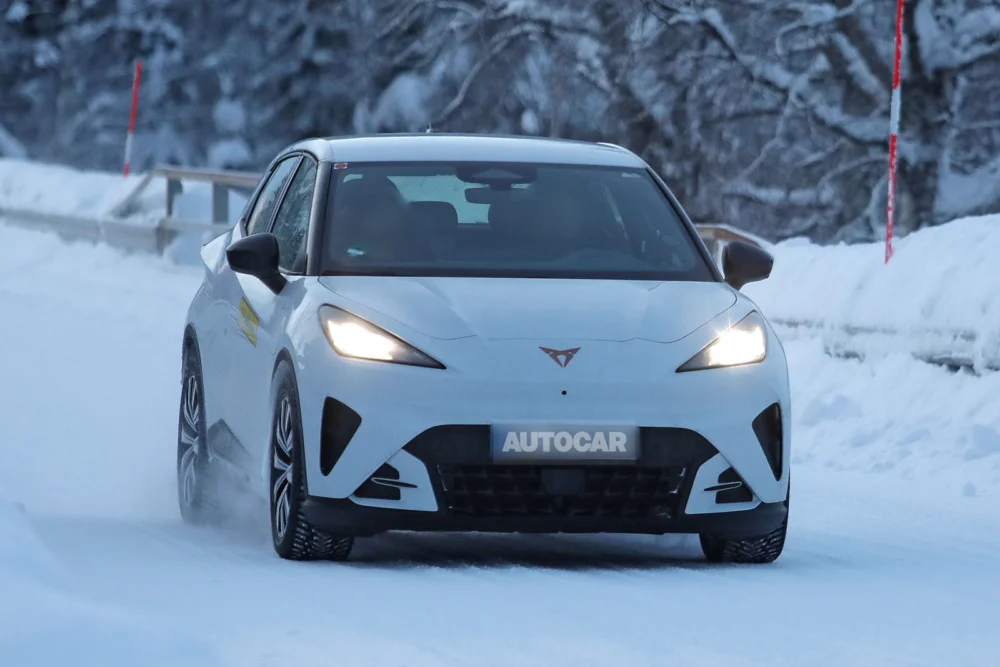
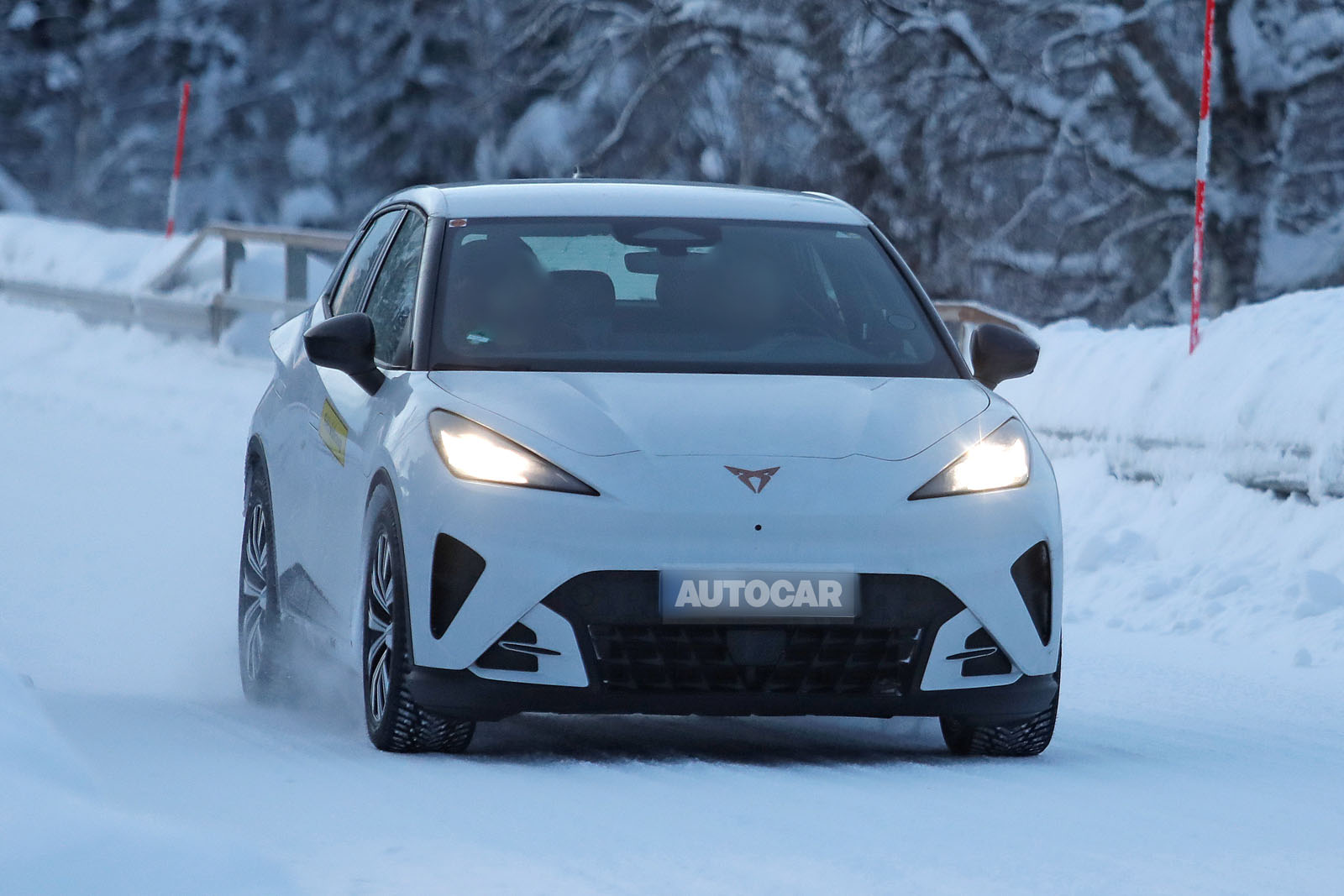
The Cupra Raval, a pivotal model in the Spanish brand’s transition toward a fully electrified future, has been spotted undergoing final cold-weather testing in Scandinavia, providing the clearest look yet at the production-ready vehicle. Slated for a UK arrival later this year with an estimated starting price of approximately £23,000, the Raval represents Cupra’s most significant effort to date in democratizing high-performance electric mobility. These latest images, captured as the vehicle navigated sub-zero temperatures and snow-covered terrain, confirm that the aggressive styling of the 2021 UrbanRebel concept has been successfully translated into a road-legal format, albeit with several practical modifications necessary for mass production.
The sighting of the uncamouflaged prototype marks a milestone in the vehicle’s development cycle, which began as a radical design study and has now matured into a functional B-segment hatchback. The Raval is positioned not just as an entry-level electric vehicle (EV) for the brand, but as a statement of intent for the Volkswagen Group’s broader "MEB Small" platform strategy. As the automotive industry shifts toward more affordable electrification, the Raval is expected to be a primary challenger to established players and upcoming rivals in the compact EV space.
Design Evolution from Concept to Production
The transition from the UrbanRebel concept to the Raval has been a subject of intense speculation among industry analysts and enthusiasts. The latest prototype reveals that Cupra’s design team, led by Jorge Díez, has retained the core "provocative" aesthetic that defines the brand. The signature triangular LED headlight clusters, which have become a hallmark of Cupra’s modern design language seen on the Tavascan and the updated Leon, remain a prominent feature. These are integrated into a sharp, scowling front fascia that emphasizes the car’s sporting intentions.
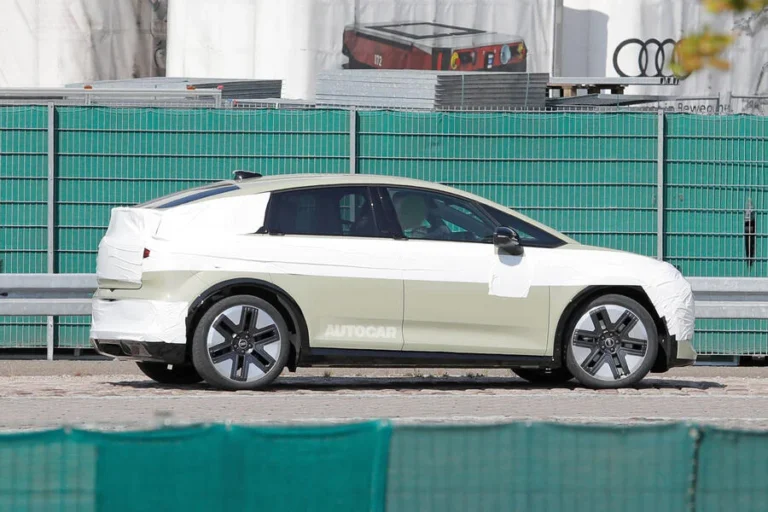
One of the most notable observations from the Scandinavian testing is the vehicle’s silhouette. While the original concept featured exaggerated proportions and a massive rear wing, the production Raval adopts a more balanced, five-door hatchback form. The swooping roofline and the distinctive split C-pillar treatment have been preserved, maintaining a sense of visual continuity with the brand’s more expensive models. However, the production model appears significantly longer than the initial concept, a move likely dictated by the need for rear-seat legroom and luggage capacity to ensure the car remains competitive in the practical B-segment.
At the rear, the Raval features a more conventional light bar than the concept, though it still incorporates the illuminated Cupra logo that has become a brand staple. Beneath the accumulation of snow and ice on the prototype, a bold, diffuser-like rear bumper is visible, suggesting that aerodynamic efficiency and aggressive styling remain top priorities. The prototype was seen riding on relatively small wheels, which has sparked discussion regarding whether these are representative of the entry-level trim or simply a pragmatic choice for mounting specialized winter tires.
Technical Specifications and the MEB Small Platform
The Cupra Raval is the first vehicle from the brand to utilize the "MEB Small" (also referred to as MEB Entry) platform. Unlike the standard MEB platform found in the Cupra Born and Volkswagen ID.3, which is primarily rear-wheel drive, the MEB Small architecture is front-wheel drive. This configuration is designed to maximize interior space within a compact footprint while reducing manufacturing costs—a necessity for achieving the £23,000 target price.
The Raval will be offered with two distinct battery options to cater to different price points and usage patterns:
- 38kWh Battery: This entry-level pack is designed primarily for urban commuting, offering a lower weight and a more accessible price.
- 56kWh Battery: The larger pack is expected to provide a WLTP-certified range of approximately 280 miles (450km), making it a viable option for longer journeys and positioning it at the top of its class for energy density and efficiency.
In terms of performance, Cupra has confirmed that the Raval will not sacrifice the brand’s "fun-to-drive" DNA. The range-topping VZ (Veloz) variant has already undergone preliminary testing by automotive journalists. This high-performance version features a 223bhp (166kW) electric motor capable of propelling the car from 0-62mph in approximately 6.9 seconds. To manage this power through the front wheels, the VZ is equipped with a mechanical limited-slip differential and specially tuned adaptive suspension. For those seeking a more balanced approach, a 208bhp version will also be available, albeit without the specialized differential.
A Chronology of Development: From UrbanRebel to Raval
The journey of the Cupra Raval began in September 2021 at the Munich Motor Show, where the UrbanRebel concept was first unveiled. At the time, the concept was a wild, 429bhp racing study intended to showcase the emotional potential of electric cars. By June 2022, Cupra revealed a "production-precursor" version of the UrbanRebel, which toned down the racing elements but kept the sharp lines and compact dimensions.
In May 2023, during the Barcelona Motor Show, Cupra CEO Wayne Griffiths officially announced that the production version would be named the "Raval." The name is a tribute to the El Raval neighborhood in Barcelona, a move intended to link the car’s edgy, urban character with the brand’s Spanish heritage. Throughout 2024, the vehicle has moved through various stages of validation, including high-temperature testing in southern Europe and the current winter testing phase in the Arctic Circle. The final unveiling is expected in the second half of 2024, with deliveries commencing shortly thereafter.
Strategic Positioning and Market Competition
The Raval is arguably the most important launch for Cupra since it became an independent brand from SEAT. By entering the sub-£25,000 market, Cupra is positioning itself to capture a younger demographic and those looking to transition to electric power without the premium price tag associated with larger SUVs.
The competitive landscape for the Raval is formidable. Its primary rivals include:
- Renault 5 E-Tech: Perhaps its most direct competitor, the Renault 5 offers retro-modern styling and a similar focus on urban agility and affordability.
- MG4 EV Urban: The MG4 has set the benchmark for value in the UK market, offering a larger footprint for a similar price, though the Raval aims to counter this with superior interior quality and brand prestige.
- Peugeot e-208: A well-established player in the electric supermini segment, the e-208 focuses on a more traditional premium feel compared to Cupra’s "rebel" aesthetic.
- Volkswagen ID.2all and Skoda Epiq: These sibling vehicles will share the same MEB Small platform. While the Volkswagen will focus on classic design and the Skoda on "Modern Solid" practicality, the Raval is tasked with being the sporty, emotional choice within the group.
Manufacturing and Economic Impact
The production of the Cupra Raval is centered at the SEAT S.A. plant in Martorell, Spain. This facility is currently undergoing a €3 billion transformation to become one of the Volkswagen Group’s primary hubs for small electric vehicle production. The project is part of the "Future: Fast Forward" initiative, which aims to turn Spain into a European "hub" for electric mobility.
The manufacturing of the Raval, alongside the Volkswagen ID.2 and a compact SUV from Skoda, is expected to secure thousands of jobs and revitalize the Spanish automotive sector. By localized battery assembly and leveraging the economies of scale provided by the multi-brand platform sharing, Cupra aims to maintain healthy margins even at the lower price point.
Broader Implications for the UK EV Market
The arrival of the Cupra Raval in the UK comes at a critical time for the domestic automotive market. With the ZEV (Zero Emission Vehicle) mandate requiring manufacturers to meet increasing percentages of EV sales, the availability of an affordable, desirable electric hatchback is essential.
Industry analysts suggest that the £23,000 price point is a "sweet spot" for UK consumers. Historically, the transition to EVs has been hampered by high upfront costs compared to internal combustion engine (ICE) vehicles. If Cupra can deliver on its pricing promises while maintaining the performance and style that have defined the brand’s success with models like the Formentor, the Raval could become a volume leader in the UK.
Furthermore, the Raval’s focus on sustainable materials—expected to include recycled polymers and bio-based fibers in the interior—aligns with the growing consumer demand for environmentally conscious manufacturing. While official interior images have yet to be released, early indications suggest a driver-centric cockpit with a 12.9-inch infotainment screen and a digital cockpit, mirroring the technology found in larger Cupra models.
Conclusion and Outlook
The sighting of the uncamouflaged Cupra Raval in Scandinavia confirms that the vehicle is in the final stages of its journey to the showroom. By successfully bridging the gap between the radical UrbanRebel concept and a practical production car, Cupra has created a vehicle that stands out in an increasingly crowded market.
With its combination of sharp Spanish design, proven Volkswagen Group technology, and a competitive entry price, the Raval is poised to be a transformative model for the brand. As it prepares for its official debut later this year, the Raval serves as a clear indicator that the future of affordable electric performance is no longer a distant concept, but a tangible reality for UK motorists. The automotive industry will be watching closely to see if the Raval can translate its "rebel" spirit into the commercial success Cupra needs to cement its place as a leader in the electric era.