
The Ford Motor Company has officially confirmed its return to the Formula 1 grid for the 2026 season, marking the end of a 22-year hiatus from the pinnacle of global motorsport. While the announcement has ignited excitement among racing purists, the American automotive giant has made it clear that this comeback is motivated by far more than podium finishes and trophies. Under the leadership of CEO Jim Farley and Chairman Bill Ford, the "Blue Oval" is leveraging the high-pressure environment of Grand Prix racing as a high-speed laboratory to accelerate the development of consumer vehicle technologies, specifically in the realms of software-defined vehicles, battery efficiency, and commercial fleet reliability.
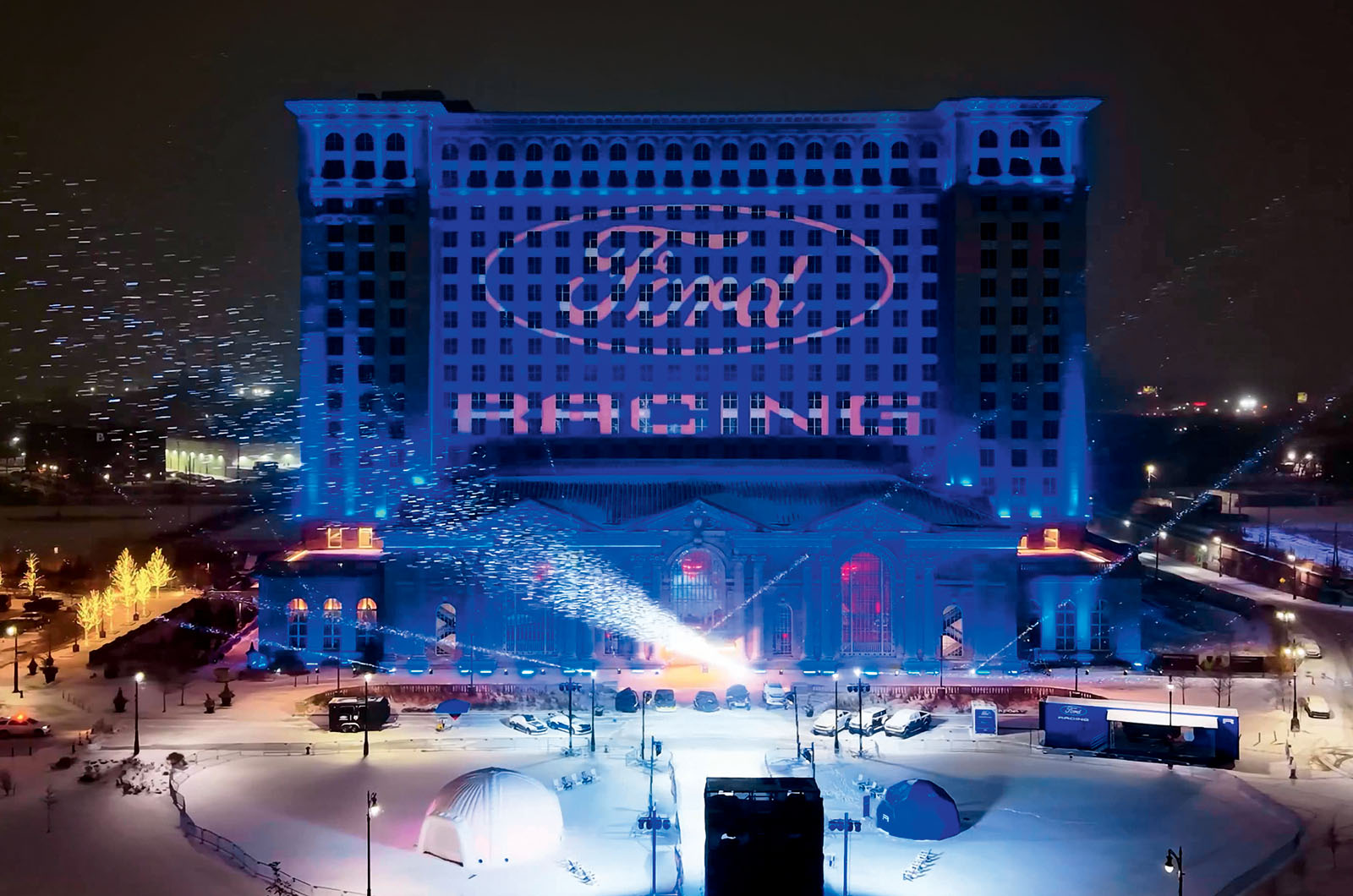
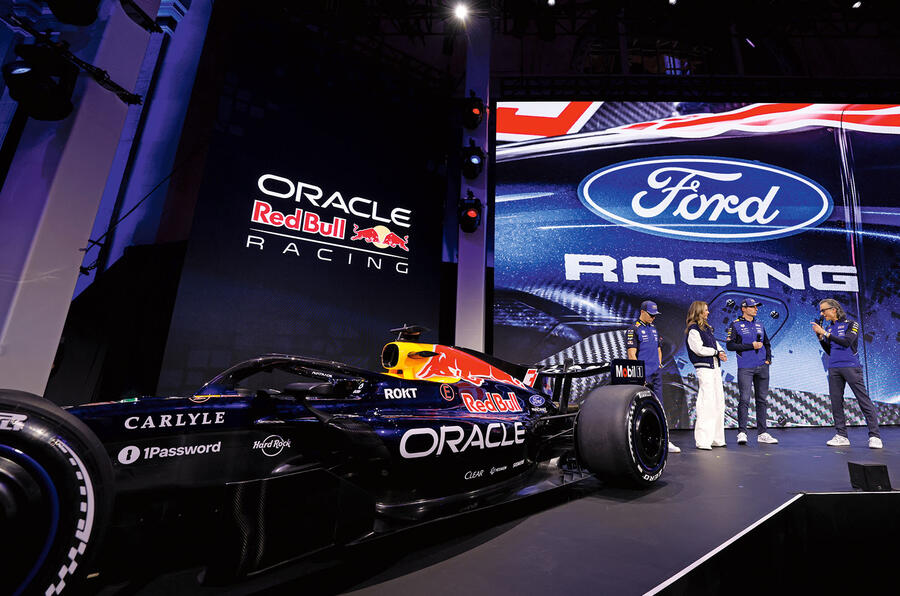
Ford’s re-entry into Formula 1 comes at a pivotal moment for the sport and the automotive industry. As the FIA prepares to introduce a radical new engine regulation package in 2026, Ford has positioned itself as a primary technical partner for Red Bull Powertrains. This collaboration, operating under the banner of Red Bull Ford Powertrains, will see the Detroit-based manufacturer play a critical role in developing the next generation of hybrid power units. For Ford, the objective is twofold: to reclaim its status as one of the most successful engine manufacturers in history and to harvest technical breakthroughs that will directly benefit the millions of Ford Transit and Mustang owners worldwide.
A Legacy Reborn: From Sweepstakes to the 2026 Grid
The DNA of the Ford Motor Company has been inextricably linked to competitive racing since its inception. In 1901, Henry Ford participated in his first and only race at Grosse Pointe, Michigan. Driving a self-built 26-horsepower vehicle named "Sweepstakes," Ford defeated the established favorite, Alexander Winton. The victory provided the reputational capital and financial backing required to launch the Ford Motor Company just two years later.
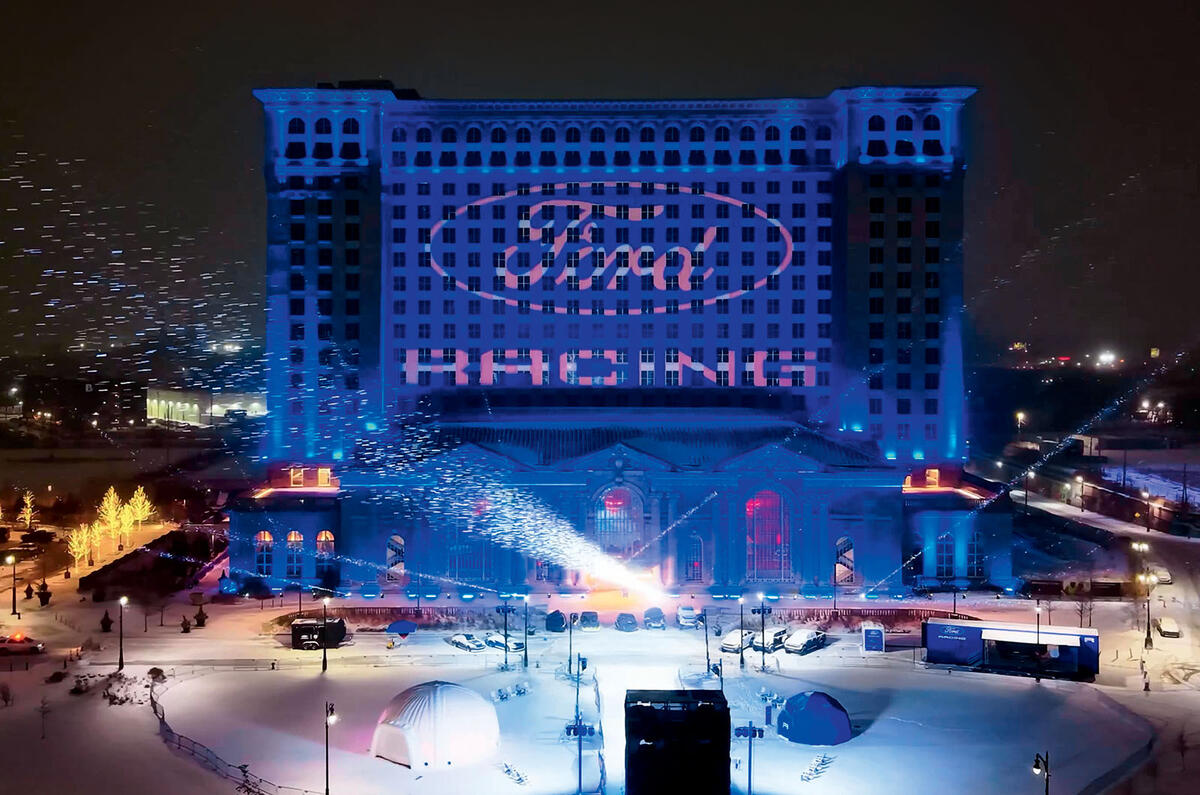
Throughout the 20th century, Ford established a formidable presence in Formula 1. Despite being absent from the grid since 2004, the company remains the third-most-successful engine manufacturer in the history of the sport, trailing only Ferrari and Mercedes. With 176 race wins to its name, Ford’s legacy is defined by its partnership with Cosworth and the legendary DFV (Double Four Valve) engine, which dominated the sport for nearly two decades. However, the 2026 return represents a departure from the past. Unlike the Cosworth era, where Ford largely provided financial backing and branding, the new partnership with Red Bull involves deep-level engineering integration.
The Technical Alliance with Red Bull Ford Powertrains
The 2026 Formula 1 regulations represent one of the most significant shifts in the sport’s history. While the 1.6-liter V6 internal combustion engine remains, the hybrid component is being massively expanded. The current MGU-H (Motor Generator Unit – Heat) will be eliminated to reduce complexity and cost, while the MGU-K (Motor Generator Unit – Kinetic) will see its output nearly triple from 120kW to 350kW (approximately 469bhp). This means that for the first time, nearly 50% of the total power output of a Formula 1 car will be derived from electrical energy.

This shift toward electrification is precisely what drew Ford back to the table. Red Bull Powertrains, based in a state-of-the-art facility in Milton Keynes, UK, has recruited over 700 staff members to build an engine from the ground up. Ford’s contribution is focused on 12 key areas, including battery cell technology, the electric motor, power electronics, and the control software that manages the complex energy deployment between the combustion engine and the battery.
Christian Hertrich, Ford Racing’s powertrain chief engineer, has emphasized that this is not a "sticker exercise." While the Ford engineering team on-site in Milton Keynes remains relatively small in terms of headcount, the "back-office" support from Ford’s global R&D centers provides Red Bull with access to massive computing power and manufacturing expertise. This synergy allows the racing team to solve complex problems—such as Noise, Vibration, and Harshness (NVH) issues—using the same tools Ford uses to refine its road-going passenger cars.
From the Paddock to the Plumber: The Transit Connection
One of the most striking aspects of Ford’s F1 return is the focus on the Ford Transit, the backbone of the global commercial vehicle market. CEO Jim Farley has argued that the most valuable asset in modern Formula 1 is not just aerodynamics, but predictive software. In a racing environment, engineers must know exactly when a component is likely to fail to prevent a DNF (Did Not Finish).
For a commercial fleet operator, such as a plumber or an electrician, a vehicle breakdown translates directly into lost revenue. Farley intends to port F1’s predictive failure component software into the Ford Pro ecosystem. By analyzing real-time data from millions of connected Transits, Ford aims to provide "zero-downtime" service, alerting owners to potential battery or powertrain issues before they result in a roadside failure.
Furthermore, the high-discharge battery technology developed for the RB22 race car has direct implications for the next generation of Ford’s electric vehicles (EVs). The ability to manage thermal loads and maintain high power output in a compact package is essential for both a 200mph race car and a heavy-duty E-Transit carrying a full payload.
The "Porsche of Off-Road": Dakar and the Raptor Strategy
While Formula 1 serves as the high-tech showcase, Ford is simultaneously aggressively expanding its "dirt" racing portfolio. The company has set a bold strategic goal: to become the "Porsche of off-road." This ambition is centered on the Raptor sub-brand and the Bronco, targeting a market segment where authentic mechanical capability is prized over synthetic luxury.
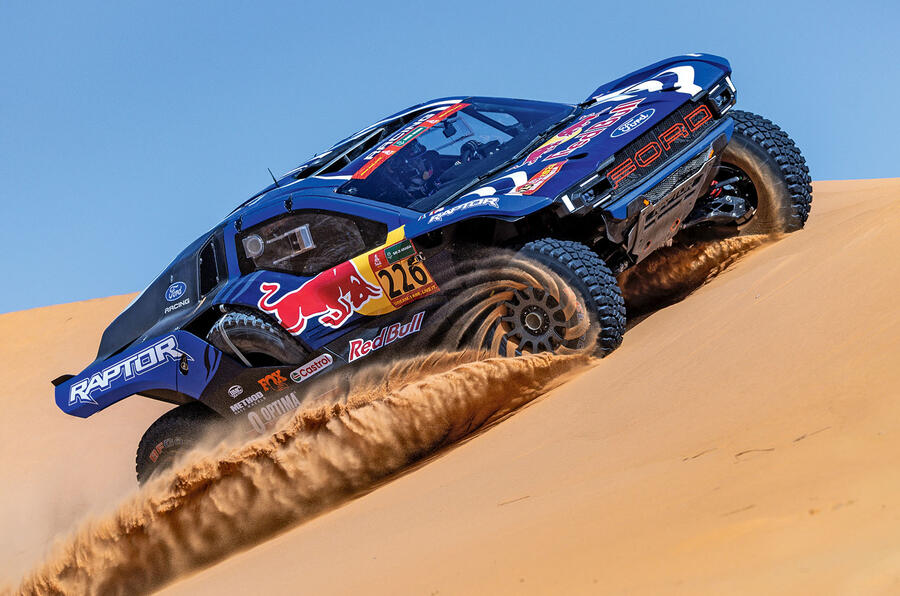
The centerpiece of this strategy is the Dakar Rally. In the 2025 event, the works Ford Raptor T1+ entries demonstrated significant progress, claiming six stage wins and finishing second and third overall. Although the ultimate victory was secured by Dacia, Ford’s performance signaled its intent to dominate the world’s most grueling endurance race.
Jim Farley has noted that Ford’s commitment to Dakar, Baja, and King of the Hammers is about authenticity. By competing in "honest" series that resonate with truck and SUV buyers in North America and Australia, Ford reinforces the rugged image of its most profitable vehicle lines. This "organic" approach to motorsport is designed to build a community of enthusiasts who view Ford not just as a manufacturer, but as a lifestyle enabler.
Returning to Le Mans: The 2027 Hypercar Project
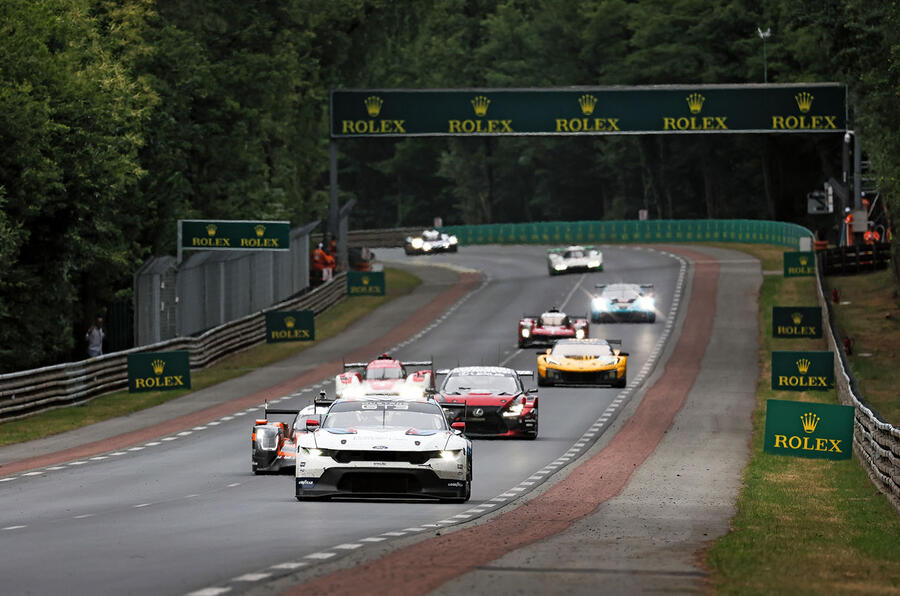
Ford’s motorsport expansion is not limited to the dirt or the F1 track. The company has confirmed it is developing a new Hypercar to compete in the World Endurance Championship (WEC) and the 24 Hours of Le Mans starting in 2027. This project aims to capture an overall victory at Le Mans, a feat Ford famously achieved four times in a row with the GT40 in the 1960s.
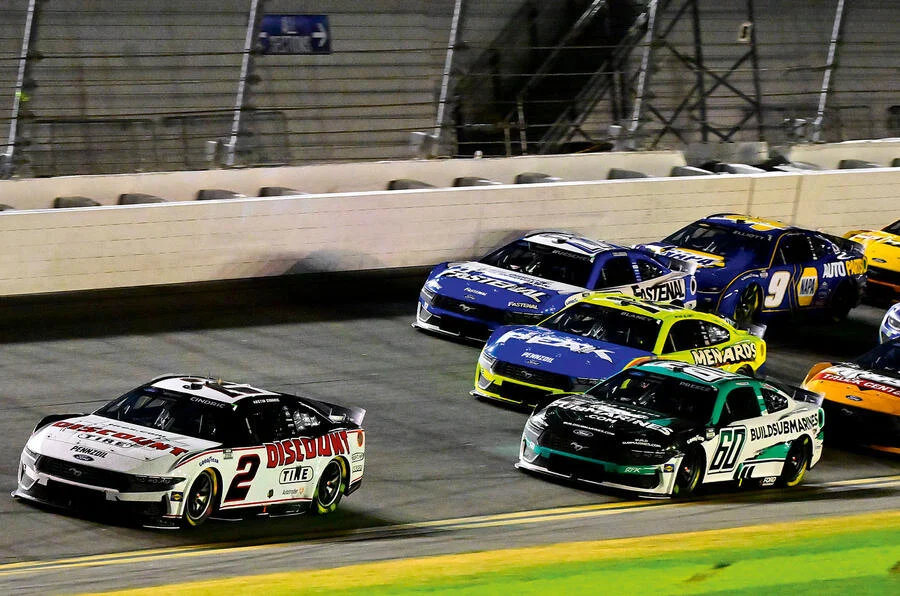
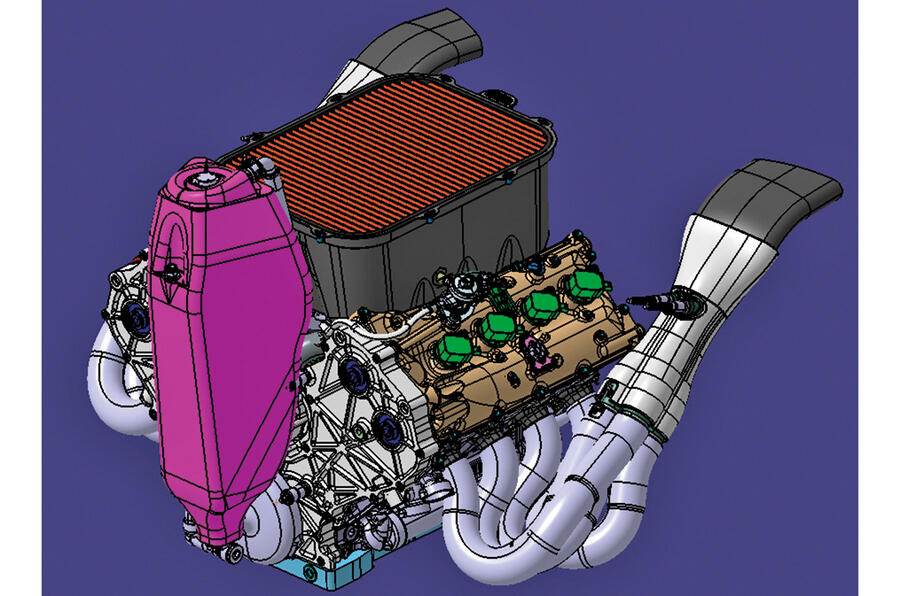
The new Hypercar will adhere to the LMDh (Le Mans Daytona h) regulations, which utilize a spec chassis and hybrid system to control costs. However, Ford will provide its own engine: a 5.4-liter "Coyote" V8. This engine is a direct relative of the powerplant found in the road-going Mustang. Dan Sayers, Ford Racing’s hypercar boss, explained that the naturally aspirated V8 was chosen for its reliability and torque control—critical factors in a 24-hour race. By using a production-based engine, Ford ensures that its racing success translates directly into marketing equity for the Mustang brand.
Strategic Implications and Market Reach
The decision to return to Formula 1 is also a response to the shifting demographics of the sport’s audience. The success of the Netflix docuseries Drive to Survive has fundamentally altered the F1 fanbase, particularly in the United States. Bill Ford has observed a surge in interest among younger cohorts and female viewers, a demographic that traditional automotive marketing often struggles to reach effectively.
By positioning itself as "America’s F1 Team," Ford is engaging in a high-stakes branding war with General Motors, which is attempting to enter the sport with its Cadillac brand via Andretti Global. For Ford, being on the grid with the reigning world champions, Red Bull, provides an immediate competitive advantage and global visibility that few other marketing platforms can match.
Conclusion: A Multi-Front Motorsport Offensive
Ford’s return to Formula 1 is the cornerstone of a broader, more aggressive motorsport strategy than the company has seen in decades. By 2026, Ford will be competing in 34 different categories globally. This is not merely a pursuit of trophies, but a calculated business move to navigate the transition to a software-defined, electrified future.
From the high-tech hybrid labs of Milton Keynes to the punishing dunes of the Saudi Arabian desert, Ford is using racing to sharpen its engineering edge. Whether it is improving the battery life of an F-150 Lightning, the predictive maintenance of a Transit van, or the performance of a Mustang, the lessons learned on the track are being funneled back to the factory floor. As the 2026 season approaches, the automotive world will be watching to see if the Blue Oval can once again translate racing glory into commercial dominance.